Frontiers of Modern Medicine: Emerging Therapies, Regulatory Milestones, and Shifting Global Priorities
Recent advances across biotechnology, drug safety investigations, and public health infrastructure are reshaping both clinical practice and global healthcare delivery.

A New Chapter in Targeted Therapeutics and Rare Diseases
In recent days, the landscape of clinical medicine has been marked by significant leaps in targeted intervention, particularly for patients facing rare and historically intractable conditions. Regulatory agencies and research hospitals have celebrated milestone approvals, including the introduction of targeted therapeutic options for ultra-rare neurodegenerative conditions such as Alexander disease, as detailed in recent reporting by ScienceDaily. For decades, rare metabolic and neurological disorders lacked disease-modifying therapies, frequently leaving clinicians with limited options beyond supportive palliative care. The emergence of precise molecular treatments highlights how decades of genomic and translational research are finally materializing into life-altering patient therapies.
Alongside pharmaceutical interventions, surgical and bioengineering innovations continue to alter the standard of care. Landmark procedures highlighted by the Association of American Medical Colleges—from non-invasive catheter-based coronary bypass procedures to pioneering dual-organ transplants and in vivo gene editing—demonstrate that traditional surgical boundaries are dissolving. These clinical successes highlight an ongoing transition toward hyper-focused, organ-sparing treatments designed to reduce perioperative mortality while expanding viable options for critically ill patients.
Pharmacovigilance and Safety Scrutiny in Widespread Therapies
While molecular innovation surges forward, post-market surveillance and observational research continue to play an essential role in safeguarding public health. Recent studies published across academic centers have intensified the examination of popular drug classes, including GLP-1 receptor agonists widely prescribed for diabetes management and weight loss. Researchers from Rutgers and partner institutions highlighted rare potential adverse risks, including sudden ocular complications such as non-arteritic anterior ischemic optic neuropathy, as reported by ScienceDaily.
Although epidemiologists and clinicians emphasize that absolute risks for such complications remain extremely low, the findings spotlight the critical balance required between celebrating broad metabolic benefits and maintaining robust pharmacovigilance. As tens of millions of individuals worldwide adopt newer metabolic treatments, long-term post-market safety data becomes increasingly crucial for clinicians tailoring risk-benefit assessments to individual patients.
Global Outbreaks and Pandemic Preparedness
Beyond high-tech clinics and pharmacological studies, global epidemiological vigilance remains a core pillar of international health security. International monitoring updates from the World Health Organization and responding public health authorities, including the U.S. Centers for Disease Control and Prevention, continue to track localized viral flare-ups, including regional responses to Ebola virus outbreaks in Central Africa. These coordinated containment efforts reflect how international surveillance hubs are evolving to detect and halt pathogens before they can achieve wider transmission.
These ongoing emergency mobilizations underscore the persistent vulnerability of under-resourced healthcare infrastructures. While modern diagnostics and experimental vaccines have vastly accelerated response times compared to previous decades, frontline logistics, rapid isolation protocols, and community engagement remain foundational to preventing localized clusters from evolving into cross-border crises.
Bridging Innovation and Health Equity
As advanced diagnostics—ranging from blood-based Alzheimer’s biomarkers to high-precision cancer liquid biopsies—enter clinical settings, the global health community faces a dual challenge: validating clinical utility while ensuring equitable delivery. Articles compiled across JAMA Network emphasize that the true impact of medical progress must be evaluated not merely by what is possible in leading tertiary centers, but by how effectively scalable interventions reach underserved populations.
Whether optimizing low-cost neonatal resuscitation techniques in lower-income regions or addressing the rising prevalence of metabolic and lifestyle conditions worldwide, public health experts stress that technological innovation must go hand in hand with systemic access. The coming years will require international health agencies, regulatory bodies, and healthcare systems to align their priorities—ensuring that cutting-edge breakthroughs translate into durable, universal improvements in human health.
Recommended for you
Similar to “Health”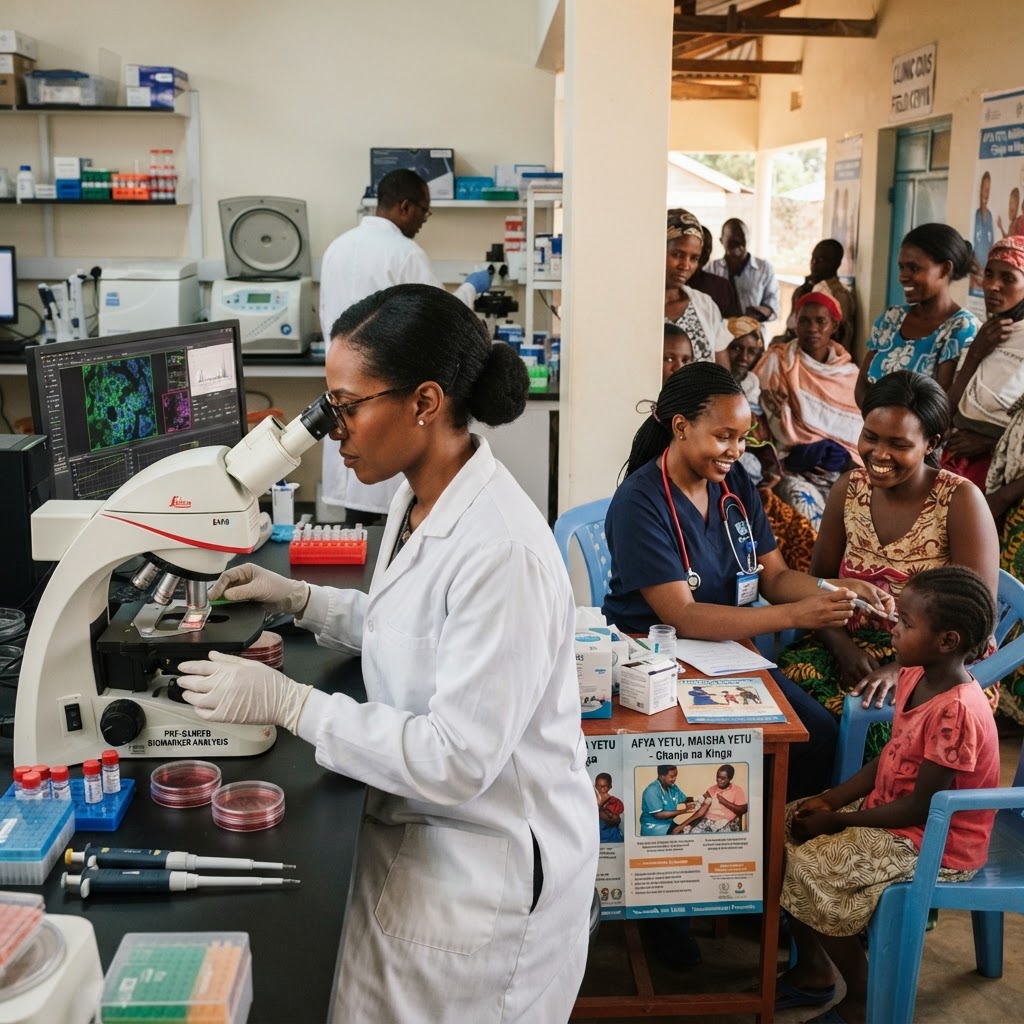
Frontiers in Medicine and Public Health: From Precancerous Biomarkers to Global Preventative Shifts
Recent breakthroughs in non-invasive cancer screening, dietary sodium reduction, and maternal-focused clinical trials are reshaping healthcare delivery even as public health infrastructure confronts funding and epidemic pressures.
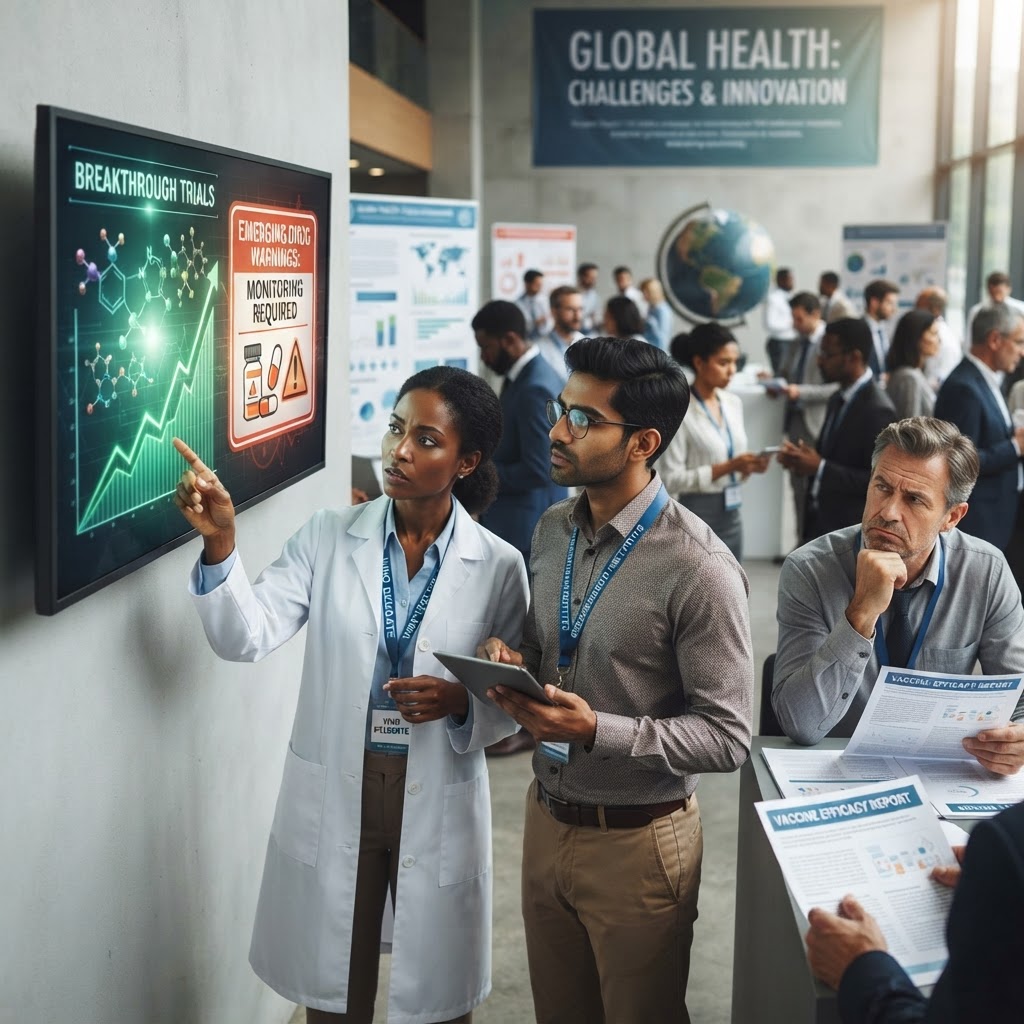
Global Health at a Crossroads: Breakthrough Trials, Emerging Drug Warnings, and the Quest for Institutional Trust
Recent days have marked pivotal milestones across public health, including groundbreaking clinical trials against rare viral strains, newly enforced safety regulations on blockbuster metabolic drugs, and international campaigns addressing systemic inequities.
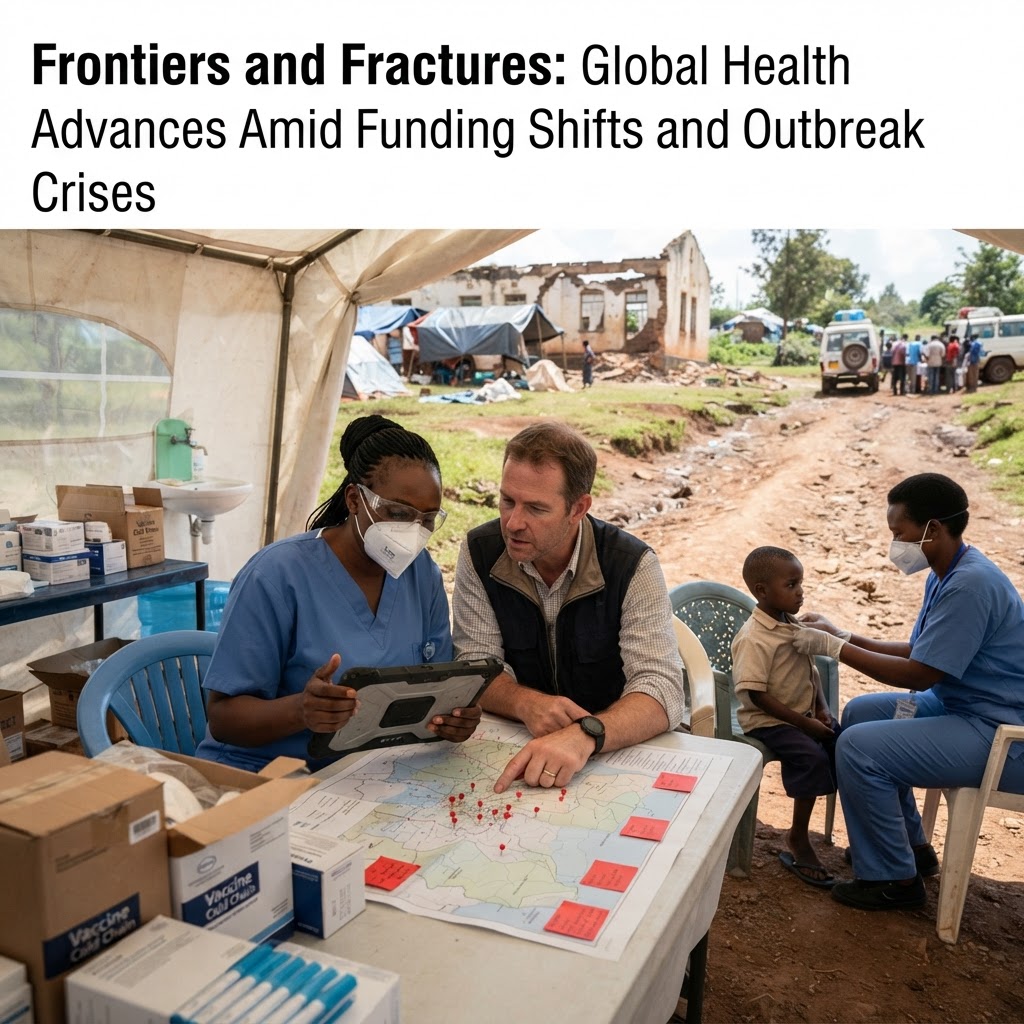
Frontiers and Fractures: Global Health Advances Amid Funding Shifts and Outbreak Crises
Recent breakthroughs in oncology and precision diagnostics are transforming modern medical practice, even as international public health infrastructure grapples with geopolitical funding shifts and persistent infectious disease crises.