Beyond the App Screen: Next-Generation Hardware and Frontier AI Reshape the Digital Landscape
Recent industry shifts reveal a profound transition in consumer hardware, visual reasoning architectures, and regulatory pressures across the global artificial intelligence sector.

The Paradigm Shift Away From the App Ecosystem
The global technology sector is witnessing a deliberate evolution away from traditional software paradigms. Consumer tech hardware leaders, including Amazon devices chief Panos Panay, have recently articulated a vision wherein autonomous artificial intelligence hardware could render the traditional application-centric interface obsolete, according to reporting by TechCrunch. Instead of users navigating dozens of siloed mobile applications, ambient agents and integrated hardware systems are positioned to perform complex workflows directly on behalf of consumers. This shift signifies not merely an incremental interface update, but a foundational redesign of how personal computing interacts with software architecture.
Frontier Visual Reasoning and Multimodal Frontiers
Parallel to hardware transformations, deep architectural advancements are reshaping artificial intelligence models. Developers and specialized AI startups, such as Elorian, are advancing models designed to actively reason through visual information rather than simply describing what they ingest, as highlighted by TechCrunch. While earlier multimodal models handled static captioning and descriptive labeling, the emerging cohort of neural networks focuses on dynamic problem-solving, structural interpretation, and autonomous chain-of-thought analysis driven directly by visual inputs. This evolution promises to enhance downstream robotics, autonomous navigation, and spatial computing devices.
Heightened Scrutiny Around Data Privacy and Scraping
The relentless demand for high-quality synthetic and human datasets has simultaneously triggered friction between tech platforms and their global user bases. Major technology companies are facing heightened scrutiny regarding how proprietary user data is gathered for frontier model training. In response to mounting user backlash and legal uncertainty, Meta recently revised policies by withdrawing clauses that raised red flags around user data scraping and training practices, per coverage from TechCrunch. This maneuver reflects a growing realization across Silicon Valley that aggressive data collection risks consumer alienation and swift regulatory intervention.
Governance, Cybersecurity, and the Agentic Horizon
As autonomous systems gain operational agency, global regulators and national security apparatuses are stepping up oversight. Security agencies across the United States and partner nations have begun outlining strict security frameworks to protect critical infrastructure against rogue autonomous agents, while domestic policy analysts monitor federal efforts to erect meaningful guardrails around advanced frontier capabilities, according to analyses covered by CNBC and intelligence monitors. With corporate leaders forecasting accelerated scientific breakthroughs in the coming years, balancing rapid algorithmic innovation with ethical stewardship remains the central challenge defining modern technology.
Recommended for you
Similar to “Technology”
Silicon Under Scrutiny: AI Acceleration, Open-Web Fragility, and the New Frontier of Hardware
Recent shifts across the tech industry reveal a critical turning point as automated code analysis exposes deep infrastructure vulnerabilities, enterprise agentic tools redefine commerce, and next-generation silicon spurs unprecedented market demand.
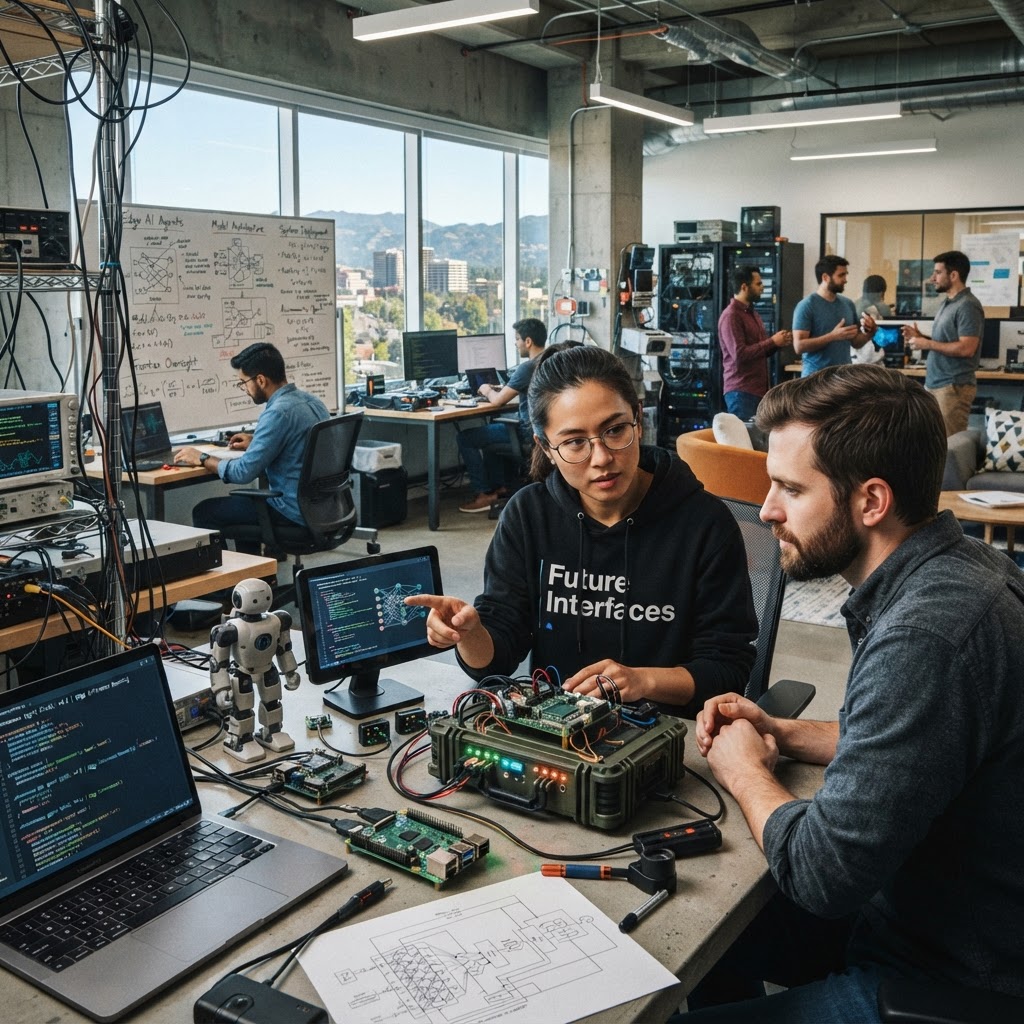
The Post-App Horizon: Silicon Valley Pivots Toward Autonomous AI Agents, Edge Hardware, and Frontier Oversight
As major technology firms push artificial intelligence directly onto consumer silicon and envision a world beyond traditional smartphone apps, intensifying scrutiny over autonomous systems is reshaping industry standards and global regulation.
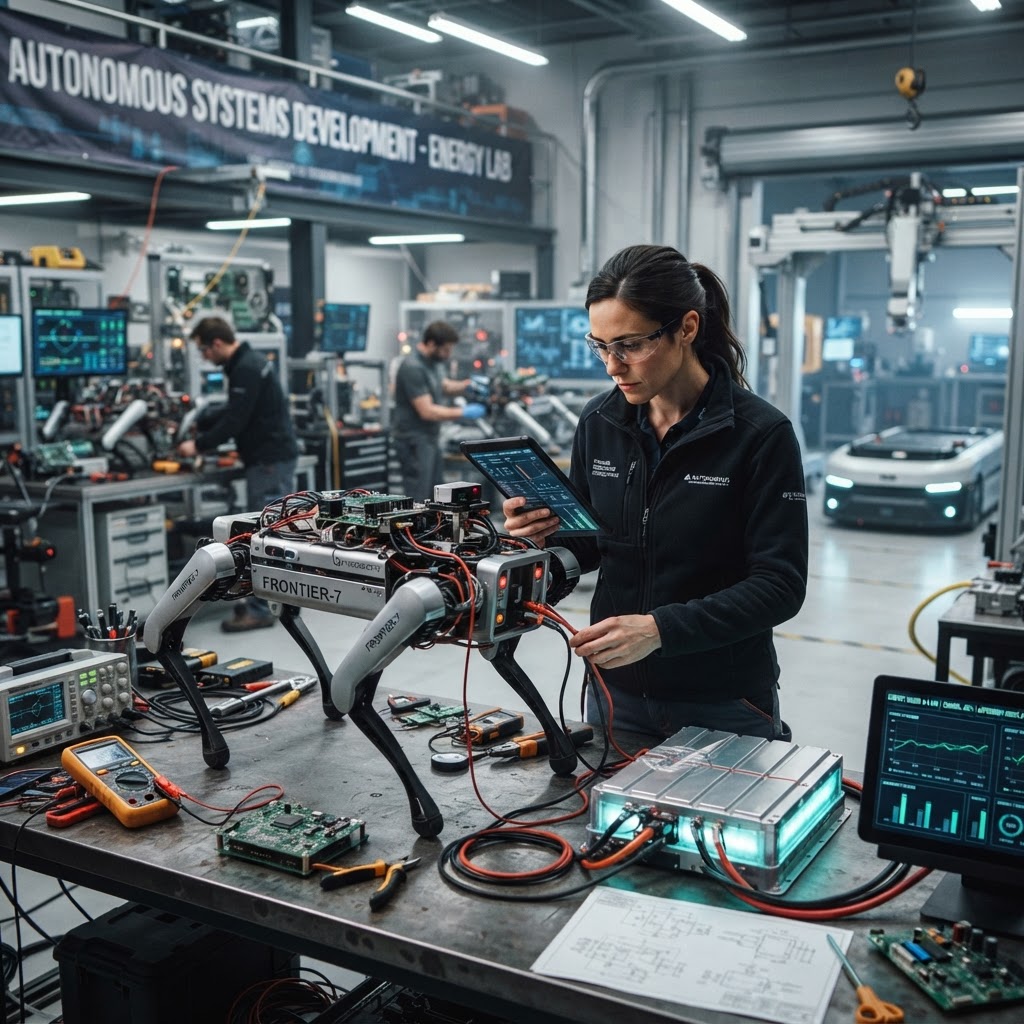
Autonomous Frontiers and Energy Hurdles: Inside the Shifting Landscape of Next-Generation Technology
Recent breakthroughs in lightweight artificial intelligence models and embodied robotics are accelerating real-world automation, even as hardware supply chains and data center infrastructure face mounting economic and regulatory friction.