Frontiers in Global Medicine: Navigating Epidemic Preparedness, Chronic Illness, and Breakthrough Therapeutics
Recent shifts across global healthcare highlight an intensifying dual focus: tackling urgent infectious threats and systemic health risks while pioneering targeted biological interventions for complex chronic disorders.

A Complex Convergence in Modern Healthcare
In recent days, the international public health community has confronted a dynamic landscape marked simultaneously by persistent infectious threats and transformative biomedical breakthroughs. Health authorities and clinical researchers worldwide are managing complex challenges, from containment protocols for high-consequence viral pathogens to novel pharmaceutical interventions capable of reversing organ damage and managing lifestyle-induced chronic conditions.
Global Outbreak Readiness and Systemic Vulnerabilities
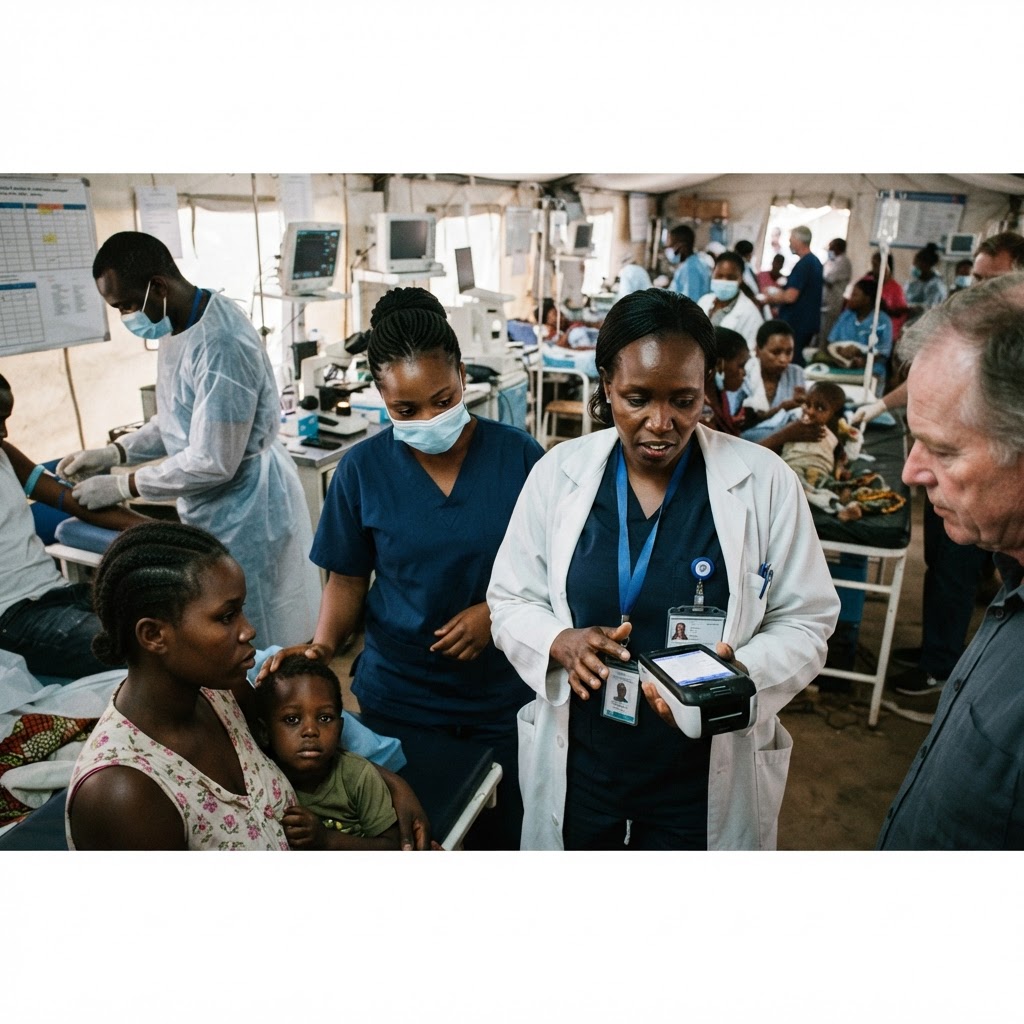
Infectious disease surveillance remains a high priority for international health monitors. According to updated monitoring guidelines from public health institutions such as the U.S. Centers for Disease Control and Prevention (CDC Ebola Situation Summary), infection prevention and control standards for viral hemorrhagic fevers continue to be rigorously reviewed to prevent localized flare-ups from expanding into wider cross-border crises. Healthcare facilities are bolstering protective protocols for clinicians, updating risk-assessment measures for incoming international travelers, and strengthening containment frameworks.
This heightened operational readiness coincides with broader warnings from public health observers. A major assessment highlighted by the Lancet Commission outlined severe, multifaceted threats to planetary and human health, ranging from environmental disruptions to structural weaknesses in healthcare delivery. The report emphasizes that localized viral emergencies do not happen in isolation; rather, they interact with global supply chain dependencies, economic inequities, and overburdened frontline medical teams.
Targeted Interventions and the Gut-Liver Connection
While public health agencies fortify defense networks against acute pathogens, laboratory researchers are celebrating encouraging advancements in the treatment of widespread metabolic conditions. Among the most promising findings reported this week is a novel therapeutic mechanism for metabolic dysfunction-associated steatohepatitis (MASH), formerly known as severe non-alcoholic fatty liver disease. As highlighted by ScienceDaily, researchers have uncovered an experimental drug capable of reversing advanced liver inflammation and fibrosis by actively repairing the intestinal barrier.
The therapeutic strategy operates on the biological axis linking gut permeability with hepatic inflammation. By reinforcing gut wall integrity, the compound stops endotoxins and harmful microbial byproducts from translocating across the intestinal wall into the portal bloodstream, thereby giving damaged liver tissue the opportunity to regenerate. Clinicians note that such advancements could transform clinical outcomes for millions of patients suffering from end-stage metabolic disease who previously had limited pharmacological alternatives beyond organ transplantation.
Dietary Drivers, Brain Health, and Systemic Risk Factors
Simultaneously, epidemiological investigations are spotlighting the everyday drivers behind rising global rates of chronic illness. Recent research highlighted by Medical News Today has drawn stronger links between the pervasive consumption of ultra-processed foods (UPFs) and measurable cognitive decline, even among otherwise healthy adults. Researchers found that diets heavily laden with industrial additives, refined carbohydrates, and artificial emulsifiers can foster subtle, chronic systemic inflammation that impacts neurovascular health and cognitive processing well before traditional clinical symptoms arise.
These nutritional findings align with recent studies evaluating systemic biological markers—such as glycoprotein acetyls—as early signals of broad systemic inflammation and subsequent cardiovascular risks. Together, these discoveries underscore a mounting scientific consensus: preventing long-term disability requires interventions targeting metabolic and inflammatory pathways long before irreparable tissue degeneration sets in.
Policy Strategies and Health Equity Initiatives
National governments and regional offices are increasingly translating these biological and epidemiological insights into population-wide policy. The World Health Organization (WHO News) has accelerated efforts to address systemic behavioral risks, advancing strategic regional campaigns targeting alcohol-related harm, mental health challenges, and lifelong healthcare workforce education in areas such as the Western Pacific.
The synthesis of high-level policy initiatives, targeted biotherapies, and rigorous pathogen surveillance demonstrates that global healthcare is moving beyond reactive emergency responses. Instead, health leaders are pursuing a coordinated paradigm that links primary preventative medicine, rapid biological containment, and cutting-edge targeted treatments to build resilience across diverse populations.
Recommended for you
Similar to “Global Health”
Frontiers in Global Medicine: Tackling Emerging Outbreaks, Metabolic Threats, and Epidemic Preparedness
Recent international health updates spotlight concerted actions against infectious disease outbreaks, innovative strategies for epidemic surveillance, and major scientific insights into chronic metabolic disorders.

Frontiers in Global Health: Resurgent Pathogens, Breakthrough Diagnostics, and Emerging Environmental Threats
Recent developments across public health reveal a stark contrast between accelerating medical innovations—including blood tests for CTE and shortened tuberculosis regimens—and escalating threats from infectious resurgences, microplastics, and chronic disease.
Global Health at a Crossroads: Tackling Chronic Crises, Emerging Pathogens, and Diagnostic Shifts
Recent major announcements across international public health spotlight urgent new clinical guidelines for diabetes and oncology alongside critical discoveries in pathogen transmission and neurodegenerative disease.