Global Flashpoints Intensify: Shifting Frontlines, Technological Brinkmanship, and Internal Fractures
Escalating cross-border strikes in Eastern Europe, advanced autonomous weapons testing in East Asia, and domestic unrest across Western democracies highlight a fractured international order navigating high geopolitical friction.
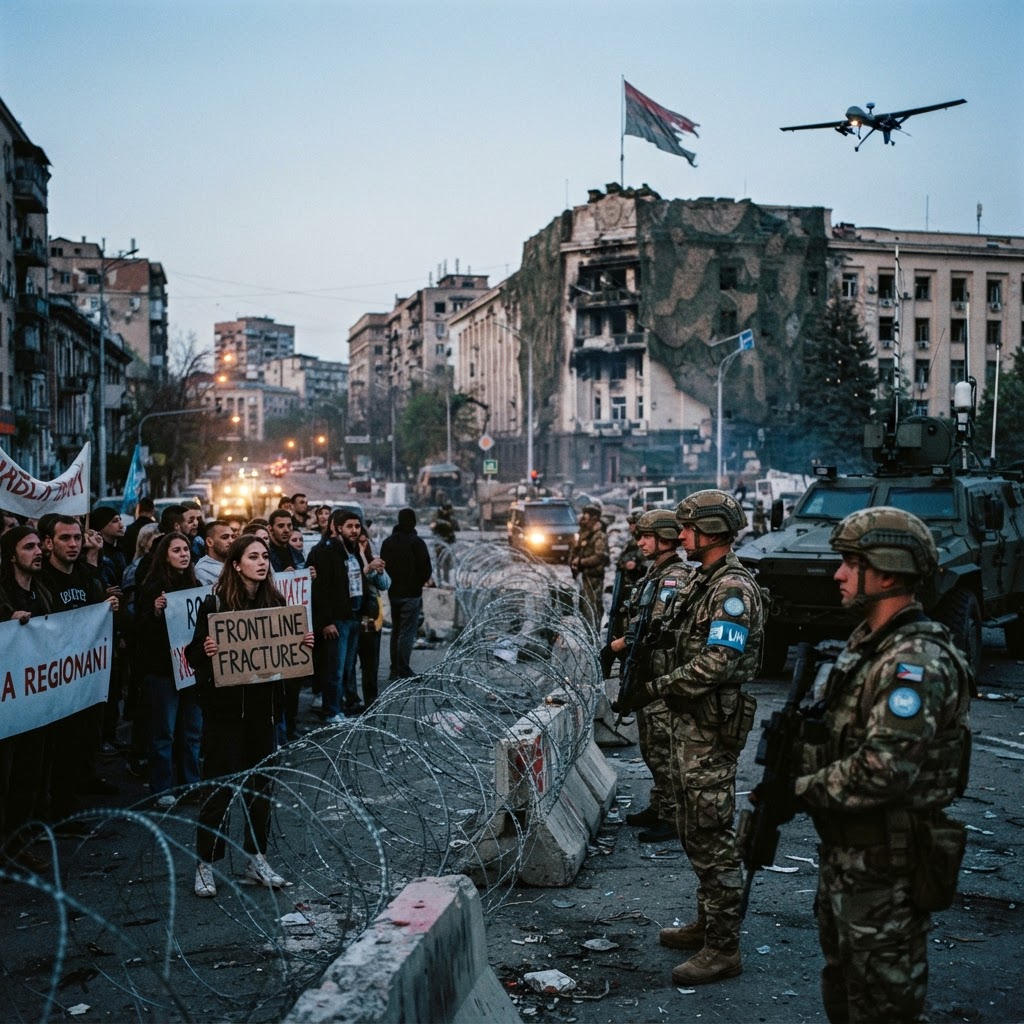
The Escalating Air and Energy War in Eastern Europe
In recent days, the conflict between Ukraine and Russia has entered a dramatically escalated phase marked by unprecedented long-range drone offensives, as covered in reports by ABC News and NBC News. Ukrainian forces deployed a mass wave exceeding one thousand uncrewed aerial vehicles targeted deep behind frontlines, striking vital Russian energy infrastructure, including major oil facilities in regions near St. Petersburg. The strikes inflicted notable damage and casualties, underscoring a deliberate shift in operational tempo toward targeting logistics and petroleum infrastructure.
This intensified campaign follows statements from Kyiv declaring a decisive departure from any proposed energy truces. Military planners and analysts note that Ukraine’s operational push comes amid shifting strategic equations, particularly as geopolitical debates intensify around the durability of Western logistical assistance and satellite support. By prioritizing sustained attrition of vital economic assets, Ukrainian strategic leaders are attempting to reshape the battlefield balance before seasonal winter constraints take hold.
Autonomous Threats and Maritime Security in the Indo-Pacific and Middle East
Concurrently, technological competition continues to transform regional deterrence postures. In East Asia, North Korea announced the test of a new naval torpedo system integrated with artificial intelligence capabilities, according to reporting by ABC News. Such advancements in underwater autonomous navigation and automated terminal guidance highlight the growing proliferation of AI-driven munitions in contested maritime corridors, raising alarms among regional defense pacts and intelligence communities.
Naval chokepoints face compounding strain elsewhere as well. Fresh reports of maritime hostility near the Strait of Hormuz have renewed concerns over commercial shipping vulnerability in the Persian Gulf. Coupled with ongoing friction and volatile security conditions across the West Bank—where violence prompted official inquiries following attacks on international press members—the international community finds itself stretched thin across several simultaneous geographic flashpoints.
Domestic Unrest and Political Polarization in Western Democracies
Beyond active military arenas, major democracies are grappling with sharp internal socio-economic and political fragmentation. Across France, widespread demonstrations over public service constraints, inflation, and the cost of living escalated into violent street confrontations over the weekend, according to analysis by the BBC. The scale of the civil unrest has intensified political pressure on the government, exposing deep civic frustration over fiscal policies and economic disparities.
Across the Atlantic, federalist coherence is facing significant strain in Canada. In Alberta, a contentious provincial vote regarding separation and expanded autonomy has opened steep divides among communities and families, reflecting growing regional estrangement from central governance structures. Similar systemic pressures are visibly straining international bodies, where leaders at the United Nations have voiced mounting concern over the erosion of multilateral norms, multilateral treaties, and consensus on technological regulation.
A Fragmented Global Landscape
Whether examining autonomous arms development, asymmetric strikes against critical infrastructure, or mounting socio-political dissatisfaction within Western democracies, recent developments reflect a deeply interconnected set of challenges. As diplomatic mechanisms struggle to keep pace with rapid military technological advancement and domestic polarization, the international community enters a perilous period defined by decentralized risk and eroding traditional stabilization frameworks.
Recommended for you
Similar to “World Affairs”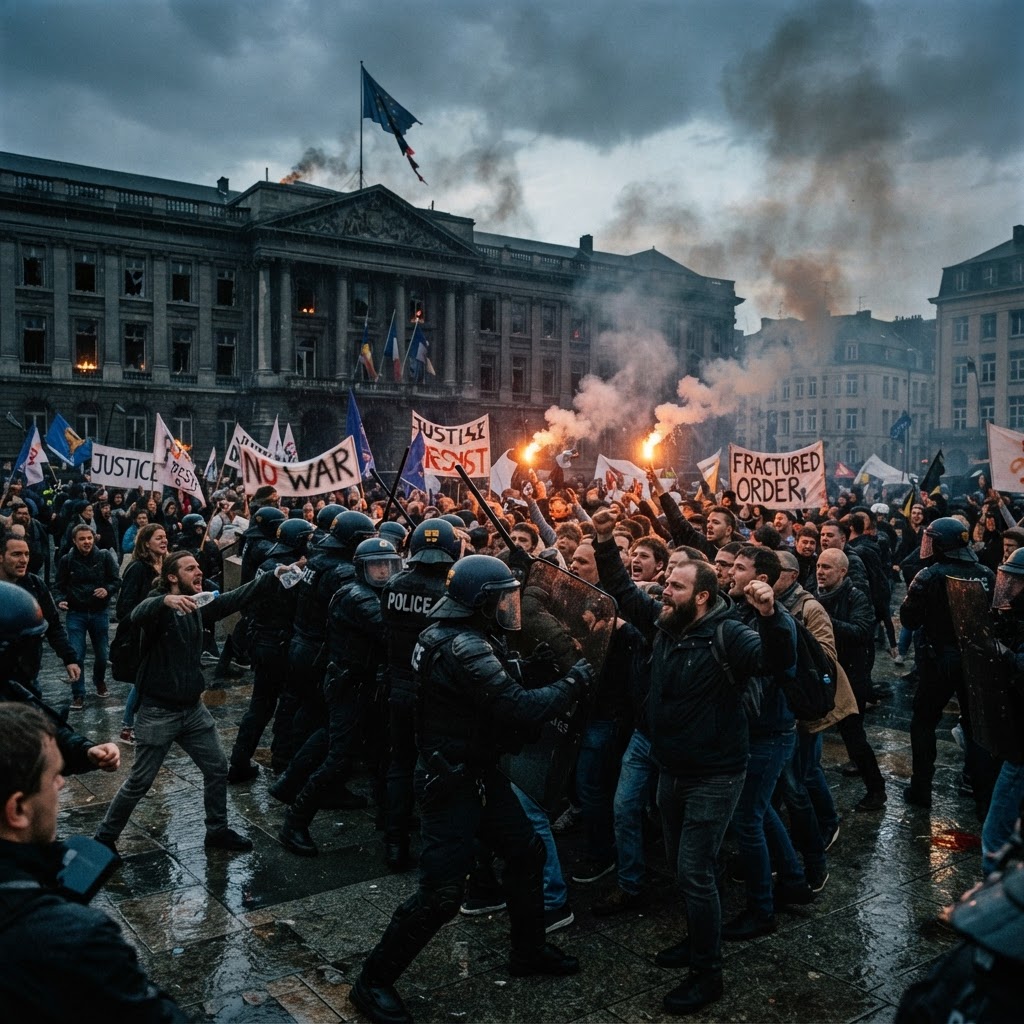
A Fractured International Order: Mounting Geopolitical Pressures and Domestic Unrest Reshape Global Affairs
Escalating military friction in Eastern Europe and the Middle East intersects with widespread civil unrest and shifting Western alliances, underscoring growing fragility across the international system.
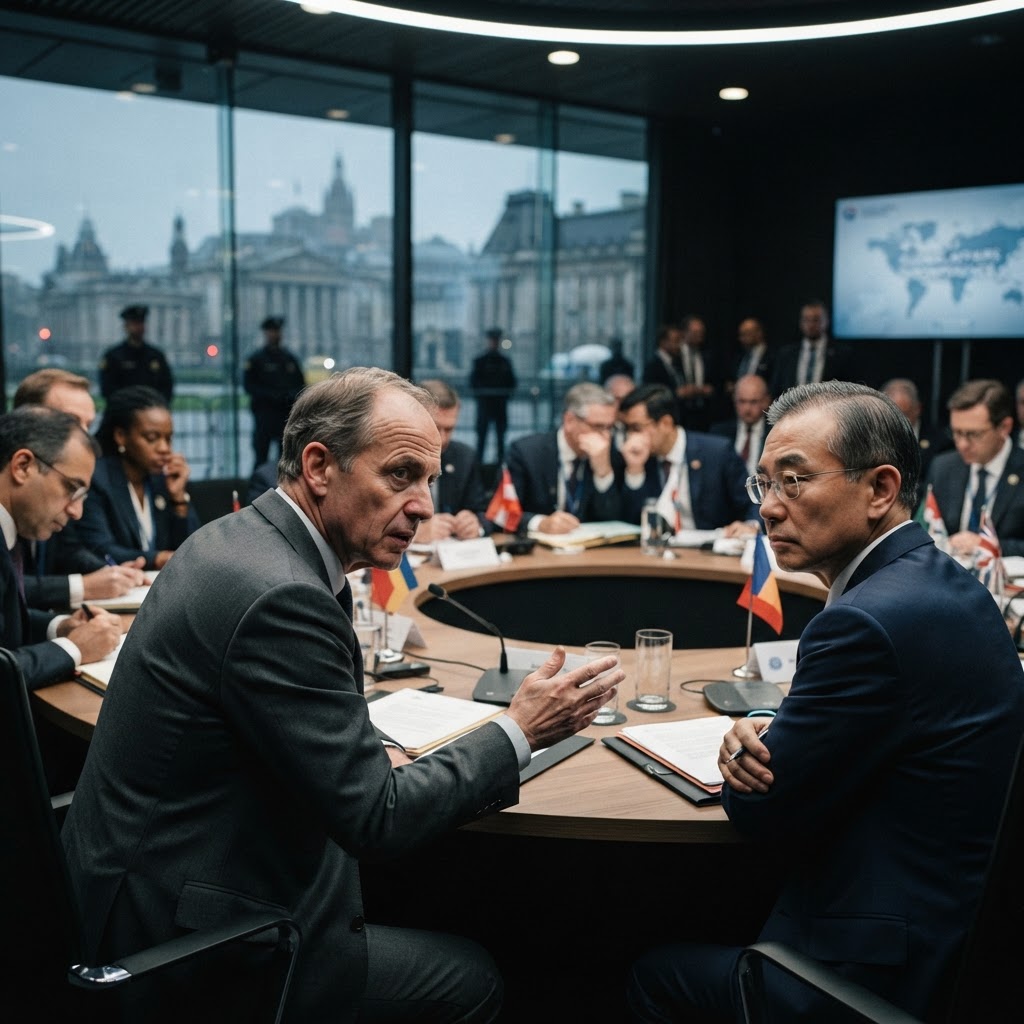
Diplomacy on Edge: Summits, Sanctions, and Escalating Flashpoints Redraw Global Geopolitics
High-stakes summits across the Asia-Pacific collide with intensifying strikes in Eastern Europe and escalating unrest in the Middle East, testing the limits of international diplomacy.
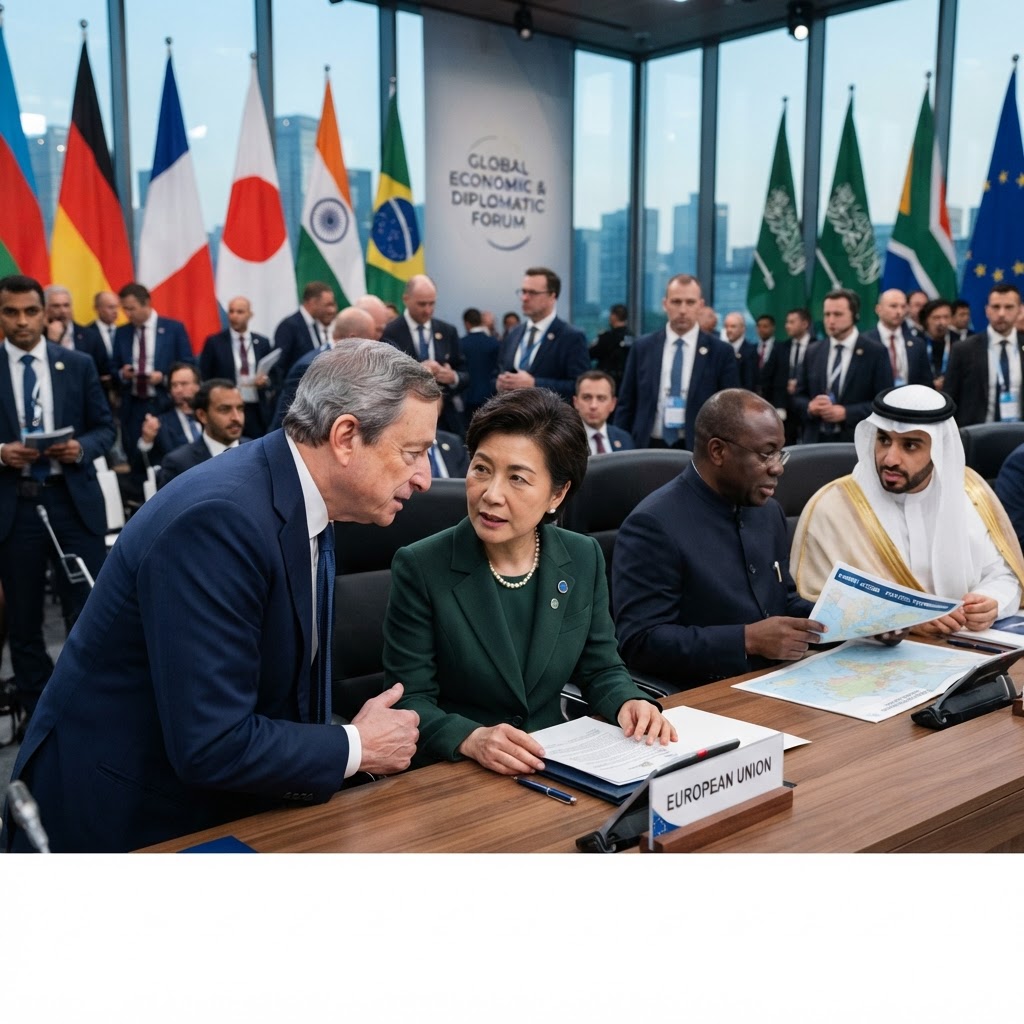
Diplomatic Realignments and Shifting Frontlines: How Energy Deals and Economic Tailwinds Are Reshaping Global Geopolitics
Recent policy reversals in Washington and escalating security friction across Eastern Europe and the Middle East highlight an increasingly fragmented international order, even as technology investment propels global trade forecasts.