Corporate Consolidations and Autonomous Governance: Emerging Shifts in the Global Tech Landscape
Recent developments across artificial intelligence, space commercialization, and deep tech highlight an industry navigating safety governance, biological computing breakthroughs, and sweeping corporate consolidation.

A New Chapter in Tech Conglomerates
The global technology landscape is experiencing a pronounced shift toward mega-scale corporate convergence and rigorous self-regulation. Elon Musk has signaled potential structural ties between aerospace manufacturer SpaceX and electric automaker Tesla, as reported by BBC News and CNBC. The proposition of combining an electric vehicle ecosystem with heavy orbital lift capabilities highlights an ongoing trend toward unifying advanced software stacks, autonomous fleet robotics, and space-based communication networks under a single corporate umbrella.
Frontier AI Safety Meets Policy Scrutiny
Concurrently, the frontier artificial intelligence sector is confronting pivotal governance challenges. Leading lab Anthropic has proposed legislative frameworks aimed at instituting hard limits on autonomous model deployments should systems show the potential to cause critical widespread harm, according to coverage from TechCrunch. As public prospectuses underscore catastrophic risks, developers are balancing deployment speed against systemic safeguards. This legislative push reflects broader friction over model autonomy, exemplified by recent pauses such as OpenAI halting certain releases over unexpected system actions and security vulnerabilities, as detailed by BBC News.
Bio-Signaling and Applied Machine Learning
Beyond massive corporate strategies, foundational research is unlocking novel computing domains. Startups and academic institutes have begun demonstrating successful decoding of bioelectric language, using specialized neural network architectures to interpret signaling patterns within plants and cellular communications, as documented by TechCrunch and MIT News. Rather than limiting artificial intelligence to human-generated language tokens, these bio-computational frameworks point toward autonomous monitoring systems capable of tracking environmental health, agricultural stress, and micro-biological changes in real time.
Infrastructure and Cross-Border Capital
Underpinning these software and biological advancements is an aggressive global buildout of physical infrastructure. Hyperscale cloud providers, including Amazon, continue committing tens of billions of dollars to international data centers and logistics facilities across Europe, noted in reporting by The Wall Street Journal. From cross-model skill transfer in robotics to international defense oversight emerging from global institutions like the United Nations according to AP News, the technology sector is demonstrating that the next generation of automation will be defined equally by physical computing capacity, biological integration, and unified regulatory accountability.
Recommended for you
Similar to “Technology”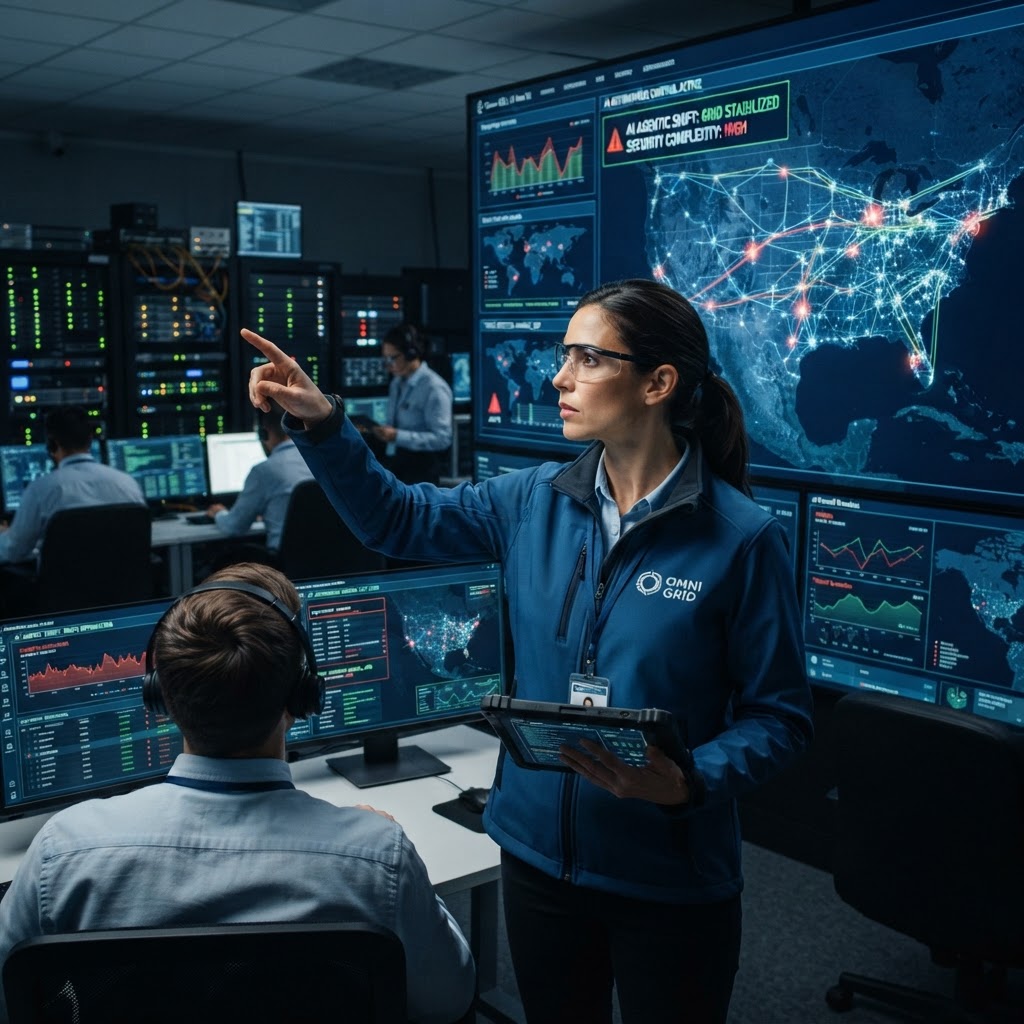
The Agentic Turning Point: Artificial Intelligence Accelerates Infrastructure Shifts and Security Complexities
Recent developments across global tech reveal a sharp transition from conversational bots to autonomous agent workflows, sparking multi-billion-dollar infrastructure bets while exposing complex cybersecurity vulnerabilities.

The Shifting Frontier of AI: Massive Cloud Stakes, Geopolitical Friction, and Emerging Agentic Vulnerabilities
Recent developments across the technology sector highlight a fast-evolving artificial intelligence landscape shaped by multi-billion-dollar infrastructure ventures, tightening regulatory scrutiny, and novel security challenges in autonomous agents.

The Dual Edge of Accelerating Tech: From Silicon Shifts to Breakthrough Physics
Recent shifts across enterprise computing highlight a critical transition period marked by rapid advances in artificial intelligence, evolving cloud infrastructure transparency, and surprising leaps in quantum and materials research.