A Crossroads for the Biosphere: Escalating Climate Strains Clash with Policy Shifts and Market Solutions
As international bodies sound alarms over imminent temperature thresholds and biodiversity collapse, nations face rising friction between environmental deregulation and emerging market-driven carbon accountability.
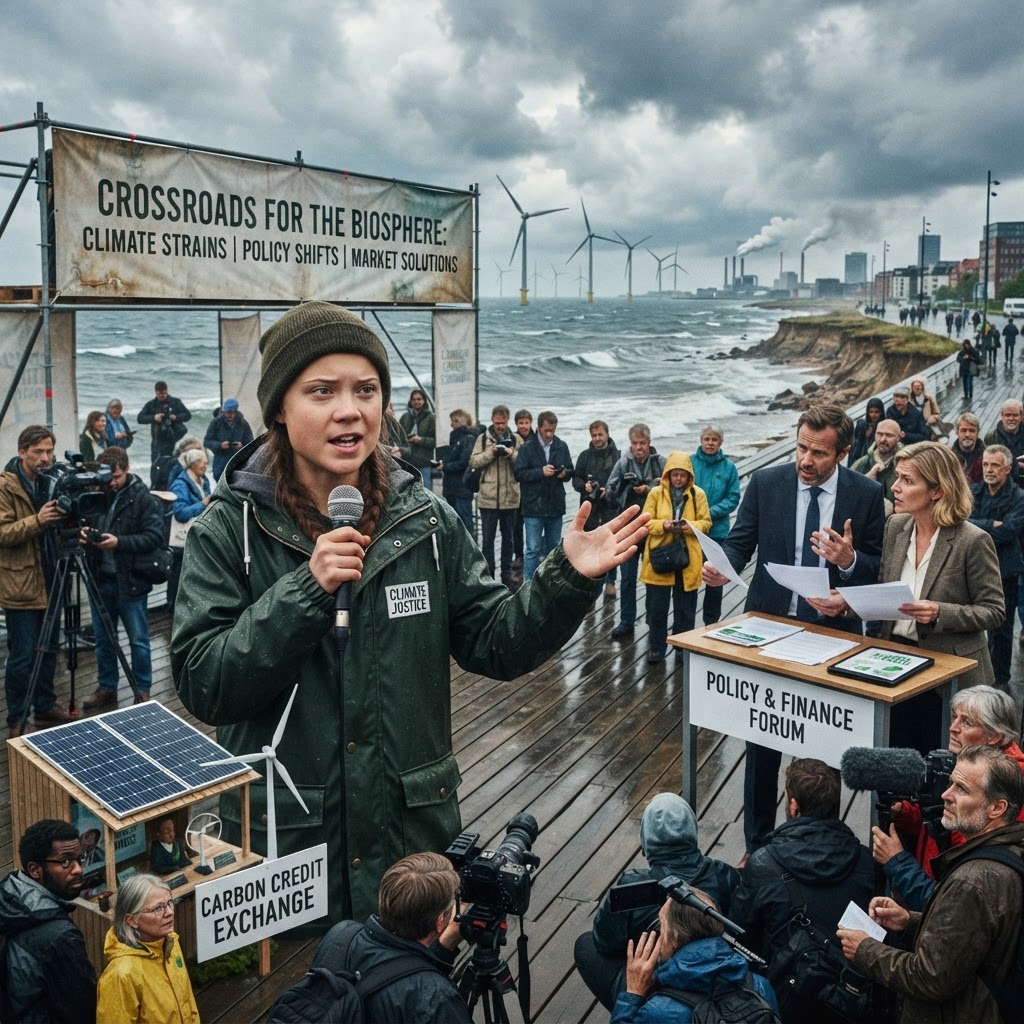
The Escalating Pace of Planetary Disruption
The global environment is navigating a perilous juncture as compounding ecological crises test the resilience of ecosystems worldwide. From lethal mountain floods in the Himalayan region to record-breaking seasonal heatwaves and wildfires across Europe, communities are facing the immediate physical repercussions of an altered climate. Recent warnings from global monitors, including the UN assessment on climate thresholds, underscore that temporarily breaching the 1.5-degree Celsius warming mark is increasingly treated not as a distant warning, but as an imminent reality. These acute climate disruptions are occurring against a backdrop of severe resource stress, with urban centers and agricultural basins confronting mounting risks of freshwater depletion before the decade ends.
Parallel to intensifying climate shocks, biodiversity loss has reached critical proportions. At international conservation dialogues, diplomats and scientists have warned that humanity remains locked in an unsustainable conflict with natural ecosystems, lagging far behind the conservation targets outlined in treaties such as the Kunming-Montreal Global Biodiversity Framework. The fragmentation of habitats, compounded by ocean acidification and temperature spikes, threatens species survival while undermining the fundamental ecosystem services—such as clean water, fertile soil, and natural carbon sequestration—that human societies depend upon.
Regulatory Retrenchment and Legislative Friction
While ecological indicators demand rapid decarbonization and expanded protections, the political landscape governing environmental oversight is fractured. In major industrialized economies like the United States, federal environmental policy is navigating sweeping adjustments. As analyzed by legal monitors at Goldberg Segalla, industrial permitting reforms and structural administrative shifts under the Environmental Protection Agency (EPA) have sought to streamline approvals for heavy manufacturing and construction projects. Significant regulatory definitions, notably the scope of federally protected waterways under the Clean Water Act following landmark judicial rulings, remain under contested review.
These changes reflect an intensifying debate over the balance between domestic economic expansion and stringent conservation. Advocates of administrative simplification argue that legacy regulatory processes impede the rapid construction of modern energy networks and commercial infrastructure. Conversely, civil society groups and legal organizations, such as the Environmental Law & Policy Center, emphasize that loosening oversight over industrial emissions and regional waterways risks exacerbating degradation in critical ecosystems like the Great Lakes. The resultant policy landscape is one characterized by ongoing litigation, with states and regional authorities frequently stepping in to establish independent standards or challenge rollbacks in federal court.
The Emergence of Supply Chain Transparency and Market Mechanisms
In response to regulatory volatility and shifting consumer expectations, private markets and global standards organizations are constructing alternative mechanisms to enforce environmental responsibility. Rather than relying solely on conventional, decoupled carbon offsets—which have faced widespread scrutiny for lack of durability and transparency—institutions are developing end-to-end accounting frameworks directly within supply chains.
A prime example of this trend is the rollout of new tracking mechanisms by specialized registries, such as recent initiatives reported by Argus Media regarding Puro.earth. These systems track the carbon intensity of agricultural processes and clean-fuel feedstocks from the initial field level to downstream industrial use. By attaching auditable, timestamped data directly to physical commodities using strict mass-balance principles, these registries ensure that reported reductions correspond to tangible, localized environmental improvements. This shift aligns with updated standards from global corporate accountability bodies, such as the Science Based Targets initiative (SBTi), which increasingly mandate rigorous accounting for land use, forestry, and agricultural emissions.
Adapting Oceans and Critical Infrastructure
Beyond terrestrial policies, the world's oceans represent an increasingly urgent front in the global climate strategy. Marine ecosystems, which absorb vast quantities of atmospheric heat and carbon, are exhibiting unprecedented physical stress, endangering fisheries and triggering widespread coral bleaching. Maritime legal scholars and institutions, drawing on authoritative legal precedents from bodies like the International Tribunal for the Law of the Sea (ITLOS), are establishing that nations hold enforceable international duties to protect marine systems from anthropogenic warming.
Addressing these combined challenges requires an evolution beyond reactive disaster response toward systemic, anticipatory planning. On land, this encompasses the deployment of smart-grid transmission technologies capable of handling variable renewable supplies without unnecessary new construction footprint. In coastal zones, it demands the enforcement of marine protected areas alongside sustainable fishing quotas. As the gap between ecological reality and political implementation persists, the future trajectory of the global environment will largely depend on whether innovative market standards, international treaties, and resilient community adaptations can outpace the accelerating impacts of environmental change.
Recommended for you
Similar to “Environment”
A Fragile Balancing Act: Global Environmental Policy Confronts Record Emissions and Shifting Timelines
As climate data reveals unprecedented temperature anomalies and climbing emissions, international policymakers face rising friction between ambitious environmental pledges and pragmatic rollout delays.

Crossroads for the Biosphere: Navigating Climate Governance, Litigation, and the Triple Planetary Crisis
As international climate negotiations struggle to deliver sufficient finance and rapid emissions reductions, legal accountability and science-driven policy frameworks are emerging to confront the interconnected threats of climate change, biodiversity loss, and pollution.
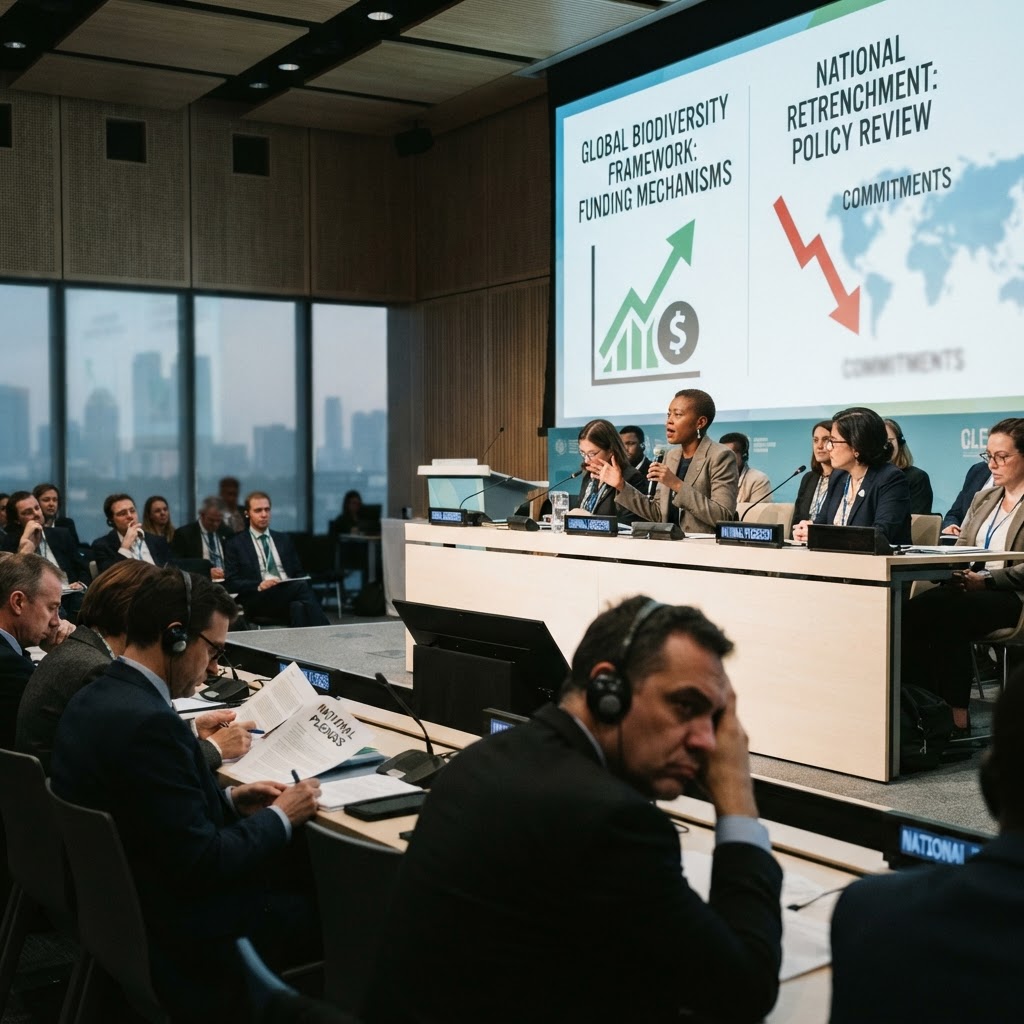
Global Biodiversity and Climate Policy at a Crossroads: Breakthroughs in Finance Clash with National Retrenchment
As international delegates mobilize landmark conservation capital and demand robust nature protections, widening regulatory rollbacks and legislative friction across major economies threaten the coherence of global environmental governance.