Crossroads for the Biosphere: Navigating Climate Governance, Litigation, and the Triple Planetary Crisis
As international climate negotiations struggle to deliver sufficient finance and rapid emissions reductions, legal accountability and science-driven policy frameworks are emerging to confront the interconnected threats of climate change, biodiversity loss, and pollution.
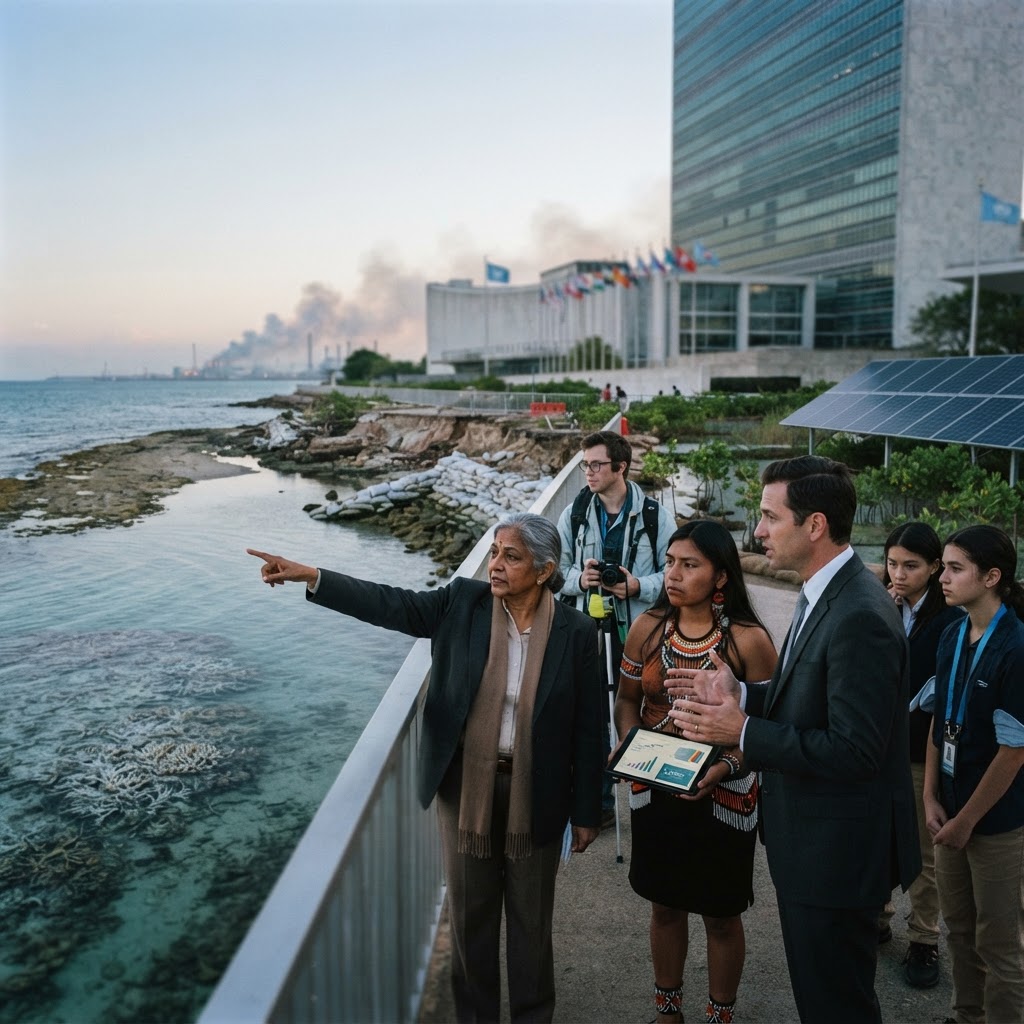
The Triple Planetary Crisis and the Pace of Action
Humanity is confronting what researchers and the United Nations Environment Programme have identified as an intertwined 'triple planetary crisis': rapid climate change, widespread biodiversity loss, and persistent chemical pollution. Recent scientific assessments indicate that keeping global temperature rise within sustainable thresholds requires steep, immediate cuts across fossil fuel extraction and industrial emissions. However, comprehensive evaluations, including global emissions gap reports, demonstrate that existing national pledges still lag behind what is biophysically required to avoid severe ecological disruptions.
The ecological ramifications are not distant forecasts; they are increasingly visible across ecosystems worldwide. Extreme weather events, intensified by warming global temperatures, continue to cause severe human and economic devastation from mountain valleys experiencing sudden deluges to coastal belts battered by intensified storm systems. Compounding these dynamics is the decline in biodiversity vitality, which hampers the innate capacity of forests, wetlands, and oceans to act as carbon sinks and natural shock absorbers against climate shocks.
The Shifting Battleground of Climate Finance and Accountability
International negotiations under multilateral frameworks have made incremental progress, yet the core challenge of climate finance remains contentious. Developing nations frequently argue that financial pledges made by wealthier economies—often framed around debt-creating loans rather than grants—are insufficient to cover adaptation measures, clean energy transitions, and mounting loss-and-damage requirements. The debates over who pays, how contributions should be structured, and whether major emerging economies must contribute on mandatory rather than voluntary bases have introduced significant tension into diplomacy.
In response to procedural impasses, civil society, municipal governments, and frontline communities are increasingly taking climate action into courtrooms. Climate litigation has accelerated substantially worldwide. International tribunals and domestic judicial benches have begun issuing landmark rulings determining that states and corporations have legal obligations to protect current and future generations from environmental degradation. Legal actions targeting major energy producers for deceptive advertising and historically understating fossil fuel impacts are mounting, transforming environmental protection into an urgent legal and financial risk rather than a voluntary corporate social responsibility objective.
Science, Institutional Policy, and the Road Ahead
Alongside judicial mobilization, institutional policy frameworks are attempting to bridge the gap between scientific consensus and political execution. Intergovernmental efforts are progressing to establish dedicated science-policy bodies designed to regulate hazardous chemicals and waste streams, aiming to significantly reduce the millions of premature deaths caused annually by environmental toxins. Simultaneously, independent comparative frameworks, such as the Environmental Performance Index, illustrate stark differences in decarbonization rates across countries. While several forward-looking nations have demonstrated that decoupling economic vitality from greenhouse gas output is achievable, major industrialized economies continue to struggle with transforming heavy industrial and energy baselines quickly enough.
Ultimately, solving systemic environmental breakdown demands moving beyond piecemeal remedies toward comprehensive systems thinking. As scientific literature increasingly argues, evaluating clean energy technologies, urban development, and land use through broad life-cycle lenses is essential to avoid displacing environmental stress from one sector to another. Whether through rigorous multilateral pacts, judicial pressure, or integrated policy mechanisms, bridging the persistent gulf between environmental commitments and tangible on-the-ground action remains the central imperative of global governance.
Recommended for you
Similar to “Environment”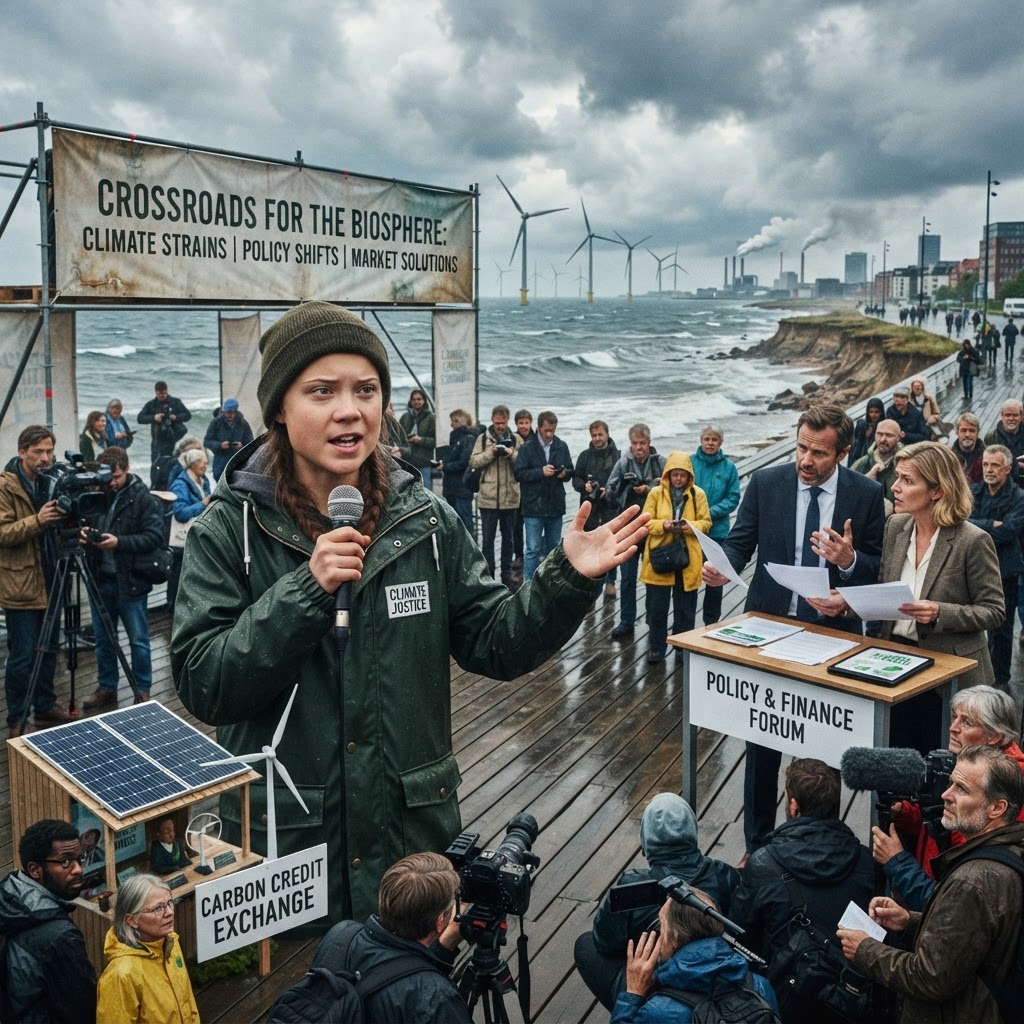
A Crossroads for the Biosphere: Escalating Climate Strains Clash with Policy Shifts and Market Solutions
As international bodies sound alarms over imminent temperature thresholds and biodiversity collapse, nations face rising friction between environmental deregulation and emerging market-driven carbon accountability.
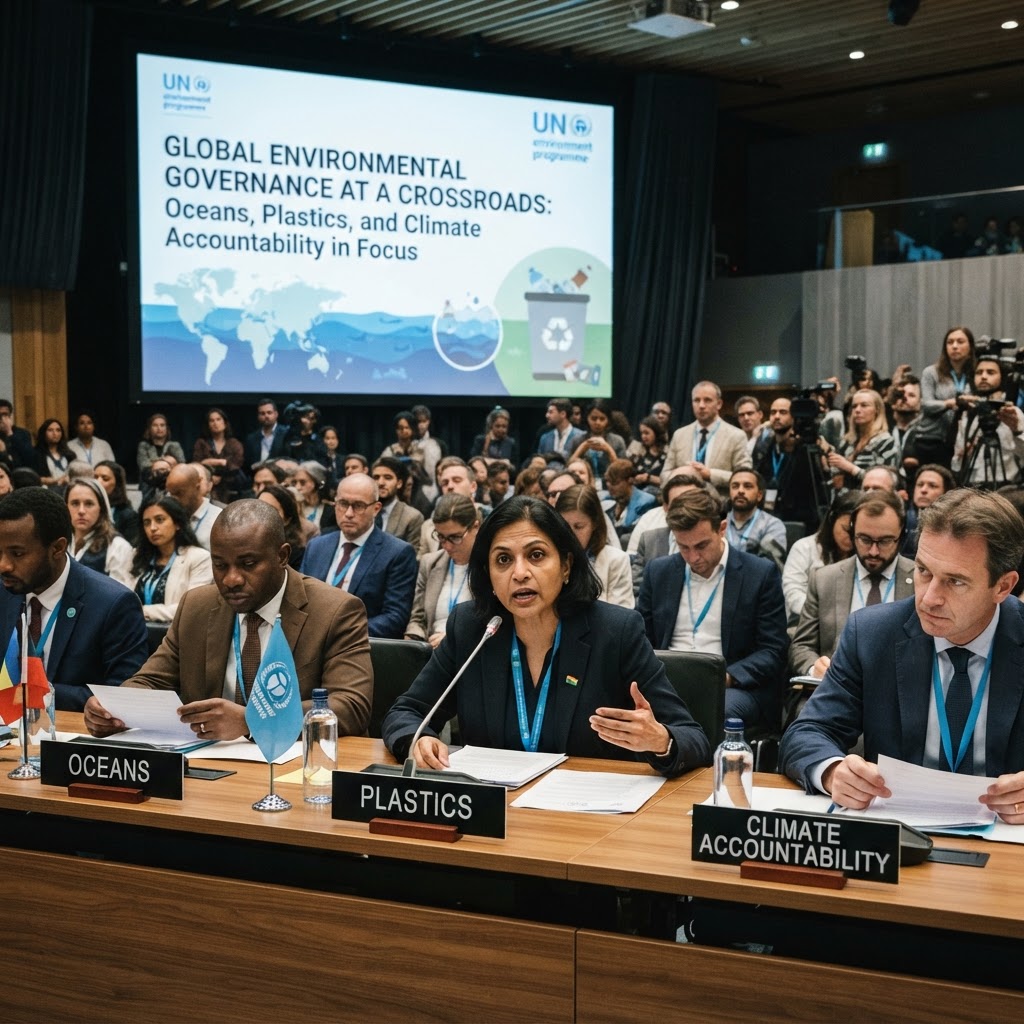
Global Environmental Governance at a Crossroads: Oceans, Plastics, and Climate Accountability in Focus
As international bodies advance milestone frameworks on high seas biodiversity and plastic pollution, climate advocates increasingly turn to legal mechanisms and satellite tracking to enforce environmental accountability.
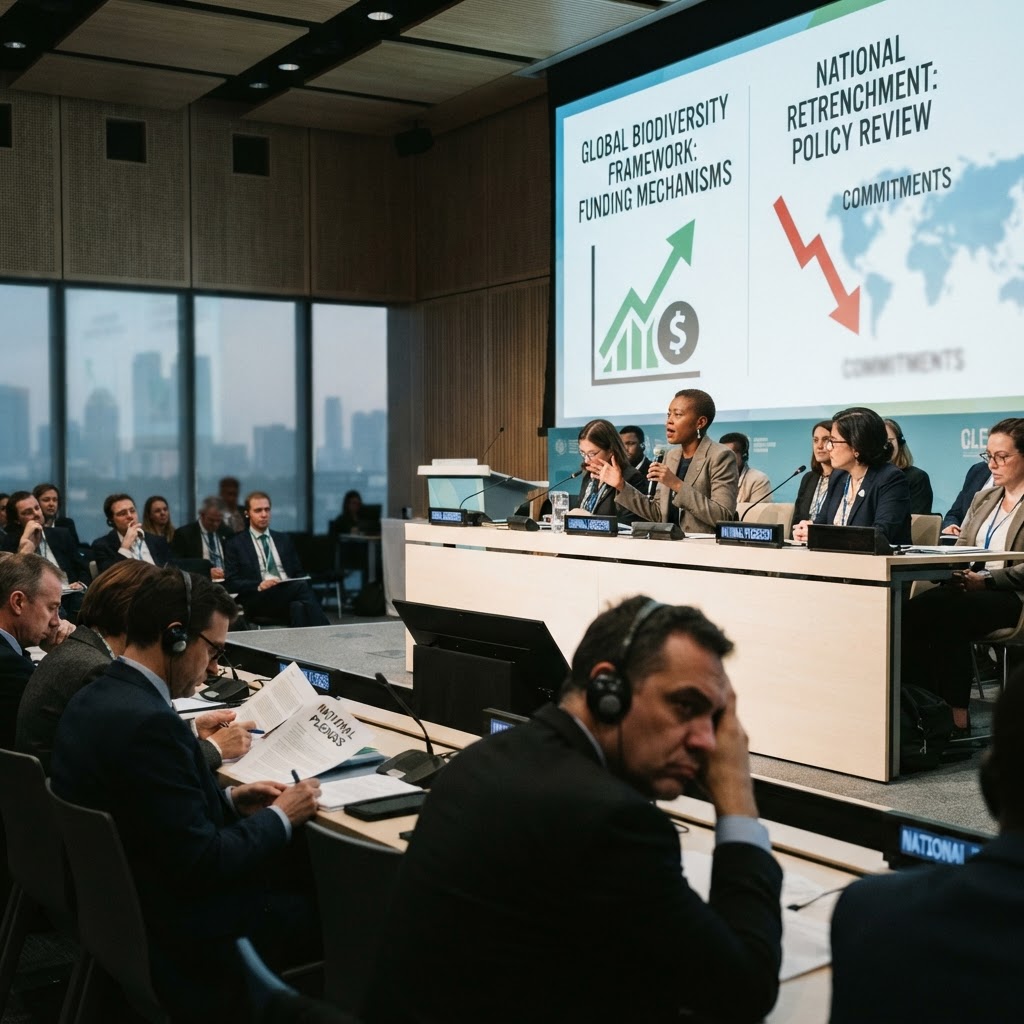
Global Biodiversity and Climate Policy at a Crossroads: Breakthroughs in Finance Clash with National Retrenchment
As international delegates mobilize landmark conservation capital and demand robust nature protections, widening regulatory rollbacks and legislative friction across major economies threaten the coherence of global environmental governance.