The Shifting Currents of Global Debate: How Disillusionment, Climate Realities, and Democratic Pressures Are Reshaping the Opinion Landscape
Recent commentary across leading global publications reveals a sharp inflection point, as essayists and editors grapple with democratic institutional strain, ecological trade-offs, and volatile public opinion.
The Convergence of Competing Worldviews
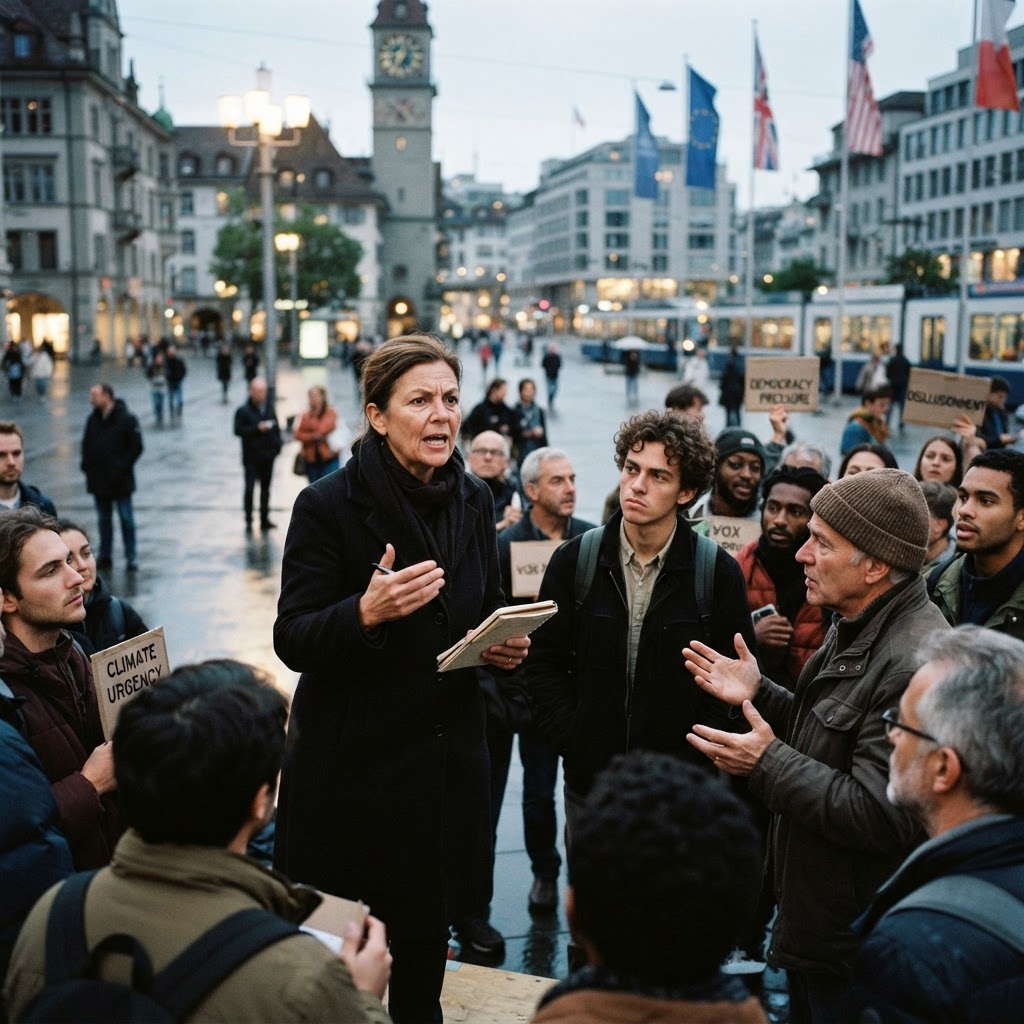
In recent days, the international commentary landscape has reflected a pronounced mood of reassessment. Opinion editors and essayists across major global platforms are turning away from simplistic ideological cheerleading to confront stubborn systemic friction. Whether weighing democratic fragility in North America, testing ecological aspirations against industrial realities in Eurasia, or tracking the shifting frontiers of technological governance, opinion pages have mirrored an unsettled public increasingly weary of unresolved structural crises.
Democratic Strain and the Crisis of Representation
In the United States and Europe, editorial focus has centered heavily on the widening gap between state institutions and public trust. Prominent commentary boards, notably at The New York Times, have doubled down on institutional dysfunctions such as extreme partisan redistricting, arguing that structural voting reform is vital to preserve authentic representative governance. Rather than viewing electoral turbulence solely through the lens of party clashes, commentators increasingly treat gerrymandering and institutional decay as systemic vulnerabilities that sap civic vitality.
This institutional fatigue is closely tied to volatile shifts in public mood. Quantitative assessments from polling institutions, such as recent findings highlighted by Ipsos, emphasize a deeply divided electorate wrestling with high stakes over fundamental freedoms and diplomatic choices. Survey data indicates an overarching desire among young people to protect open civic discourse alongside stark public division on international foreign policy trajectories, creating a challenging climate for political leaders struggling to project coherent authority.
The Collision of Ecological Ambition and Economic Reality
A parallel debate dominating recent global opinion is the growing tension between environmental mandates and economic survival. From international forums to domestic industrial corridors, columnists are questioning whether high-level climate commitments can survive the harsh pressures of modern market realities.
Analyses highlighted by Al Jazeera on major international summits—such as COP biodiversity gatherings—illustrate how host nations and emerging economies face harsh trade-offs between essential resource extraction and their conservation pledges. Meanwhile, commentators at the South China Morning Post have raised pointed warnings regarding regional decarbonization targets, detailing how economic headwinds threaten green aviation initiatives and heavy-industry transitions across Asia. The resulting consensus in these opinion pieces is that environmental rhetoric without pragmatic structural financing risks provoking significant public pushback.
Geopolitical Realism and Strategic Realignments
Beyond domestic policy, international relations discourse has seen a distinct pivot toward cold realpolitik. Editorials originating from state-aligned and independent international outlets—such as discussions documented in the Global Times and political digests featured on Geopolitical Monitor—demonstrate an increasingly zero-sum tone in great power diplomacy. Analysts are scrutinizing strategic dependencies, warning that smaller actors risk being sidelined in broader diplomatic calculations.
At the same time, strategic thinkers are actively engaging with emerging threats that transcend borders. Modern statecraft is increasingly defined by how nations navigate critical infrastructure protection, supply chain sovereignty, and artificial intelligence competition. The prevailing thesis among security essayists is that the global order is fragmenting into distinct regional blocs, each forced to build defensive shields against economic volatility, automated risk, and hybrid geopolitical disruption.
A Maturing Public Square
Taken together, the opinion pieces capturing public attention this week underscore an era that is transitioning beyond traditional narratives. Columnists, scholars, and editors are acknowledging that the easy assumptions of continuous globalization and guaranteed democratic resilience no longer suffice. By examining the structural fractures in electoral systems, calling out performative environmentalism, and parsing realpolitik pragmatism, the international commentariat is cultivating a sharper, more sober dialogue suited to an unpredictable world.
Recommended for you
Similar to “Global Opinion”
A World in Flux: How Geopolitics, AI Disruptions, and Climate Realism Are Reshaping Global Opinion
Recent commentary across major international publications reveals a shared reckoning over shifting electoral dynamics, the unvarnished realities of the global climate crisis, and the unchecked footprint of modern technology.

The Global Rethink: How Geopolitical Fractures and Artificial Intelligence Are Reshaping Opinion Columns
Recent commentary across leading global publications reflects a world reassessing core assumptions, from shifting balance-of-power dynamics in Europe and Asia to the compounding anxieties surrounding artificial intelligence and democratic resilience.
The Fracture of Norms: How Global Commentary Is Responding to Governance, Trade, and Institutional Drift
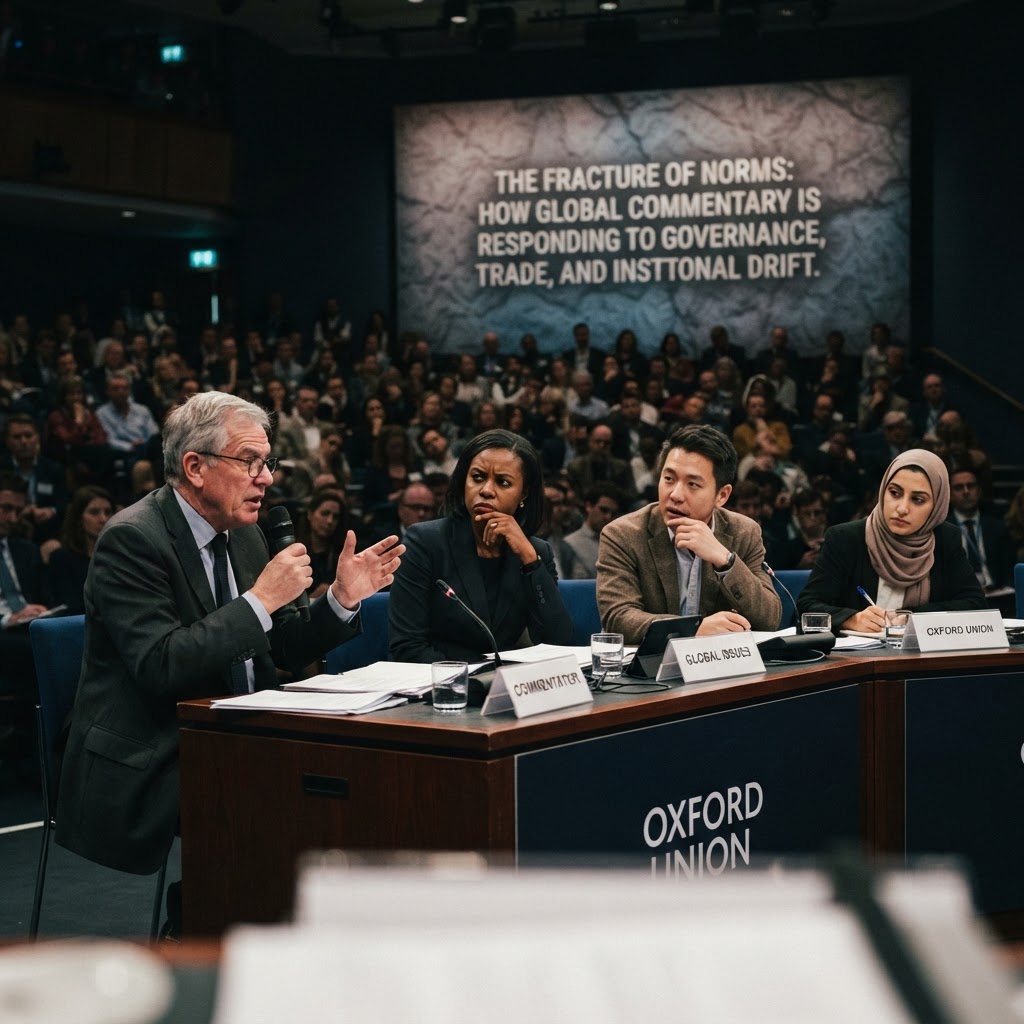
Around the world, recent editorial commentary highlights an intensifying pushback against erratic policymaking, administrative inertia, and democratic erosion. From debates over aggressive trade barriers in North America to environmental accountability in Eurasia, public commentators are demanding renewed institutional integrity.