A Week of Global Realignments: How Recent Elections and Stalled Mandates Are Reshaping World Politics
From unexpected deadlocks in the Middle East to seismic upsets in Latin America and the Balkans, a flurry of national elections is destabilizing long-standing political dynasties and redrawing diplomatic fault lines across the globe.
The Anatomy of an Autumn Transformation
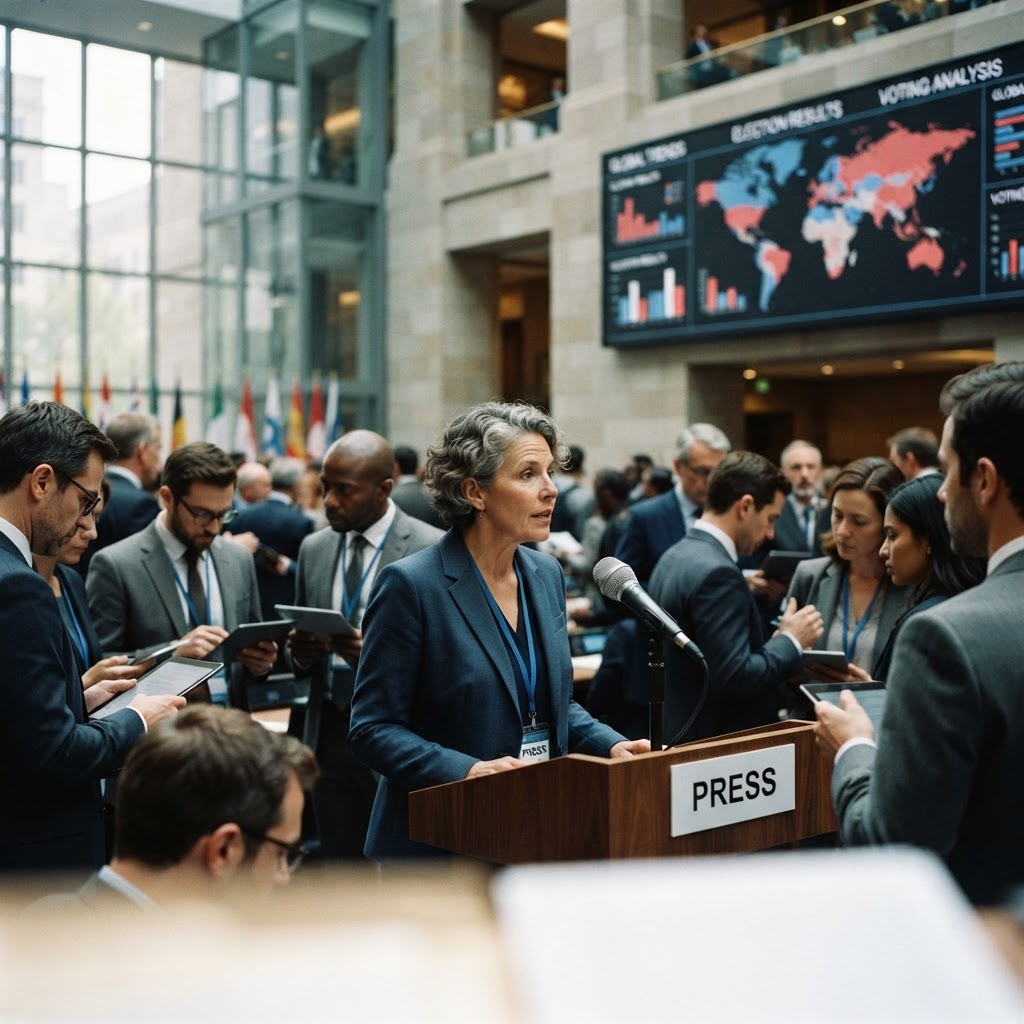
In what international observers are calling one of the most volatile election cycles of recent years, voters across several continents have delivered sharp rebukes to entrenched political establishments. Over the past week, major democratic contests have upended conventional wisdom, producing hung parliaments, shocking defeats for regional heavyweights, and fierce contestations over democratic legitimacy. Rather than providing clear mandates, these elections have introduced acute negotiations, heightened legal showdowns, and fragile geopolitical balances from Jerusalem to Brasília and Belgrade.
Deadlock and Historic Realignment in Israel
The centerpiece of the week's political drama unfolded in Israel, which held its first national vote following the transformative conflicts of recent years. The results have triggered a profound political impasse. Prime Minister Benjamin Netanyahu’s Likud faction found itself locked in an inconclusive struggle against opposition challenger Gadi Eisenkot’s Yashar! movement, leaving neither bloc with a straightforward path to an outright parliamentary majority, as reported by The Guardian and 10 Things Global News.
However, the most consequential development of the election lies in a dramatic surge in Arab voter mobilization. Surpassing previous milestones, Arab-led parties achieved a historic tally of up to 19 seats, turning them into decisive powerbrokers. Opposition figures and political analysts note that an unprecedented cohort of anti-Netanyahu voters now openly supports forming a governing coalition with Arab parties, including Ra’am, to break the protracted deadlock. In response, Netanyahu and his allies have unleashed aggressive delegitimization campaigns, casting aspersions on the electoral outcome as caretaker negotiations begin under President Isaac Herzog.
The domestic stalemate carries immediate international peril. Regional diplomacy remains on edge as analysts warn of an impending window of military escalation with Iran, even as Israel's domestic leaders struggle to build a stable cabinet.
Seismic Shifts in Latin America and Eastern Europe
While the Middle East grapples with an agonizing standoff, the electoral map in Latin America and the Western Balkans witnessed unequivocal disruptions. In Brazil, President Luiz Inácio Lula da Silva secured a dramatic, eleventh-hour triumph over challenger Flavio Bolsonaro, defending the presidency against a resurgent hard-right movement according to coverage from the Associated Press via Vijesti and The Japan Times. The contest, however, has not concluded quietly. Accusations of fraud, claims of a stolen election, and immediate legal fallout—including moves by the high court to restrict former leadership assets and passports—threaten to cast a long shadow over governance in Brasília.
Concurrently, across the Atlantic, Serbia registered an earthquake of its own. Aleksandar Vučić, whose dominant rule has shaped the country’s political landscape for over a decade, suffered a stunning defeat at the hands of the Student List coalition, as reported by Newser and the Associated Press via Vijesti. The concession by one of Europe’s longest-standing political figures marks a historic pivot toward youth-driven grassroots governance, shaking traditional alliances between Belgrade and broader European corridors.
The Pre-Midterm Shadow in Washington
Across the Atlantic, the United States is operating under the heavy gravitational pull of approaching congressional midterm contests. The political climate remains polarized, with debates centering on electoral administration, judicial interventions over ballot access, and escalating international rhetoric. As the administration balances domestic tensions with brewing conflicts abroad—including maritime disputes in the Red Sea and heightened oversight of defense-related satellite operations—the American electorate prepares for high-stakes votes that could alter the legislative branch’s geopolitical posture.
A World in Fluid Reorganization
Synthesizing the week’s events reveals a unifying global pattern: electorates are increasingly fractured, traditional ideological binaries are fracturing, and voter coalitions are willing to venture beyond historical orthodoxies to break political stagnation. Whether through the historic electoral rise of minority factions, the unseating of long-reigning party machineries, or bitter post-election legitimacy disputes, the balance of power across major capitals has entered a precarious, highly consequential new chapter.
Recommended for you
Similar to “World Politics”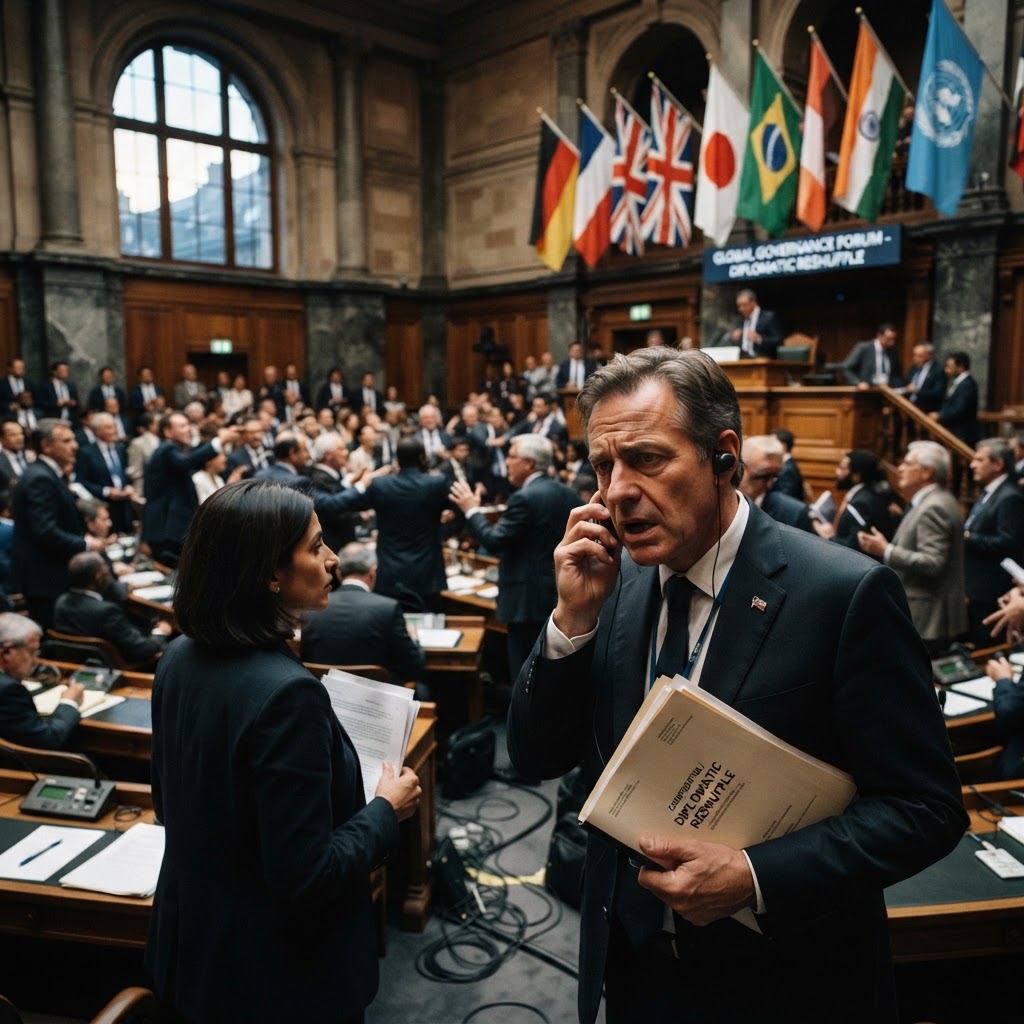
Diplomatic Reshuffles and Parliamentary Fractures: A Tumultuous Week in Global Governance
From political realignments in the Middle East and presidential impeachment in Latin America to shifting trade pressures across Asia and Washington, recent days have witnessed intense friction across the international political arena.
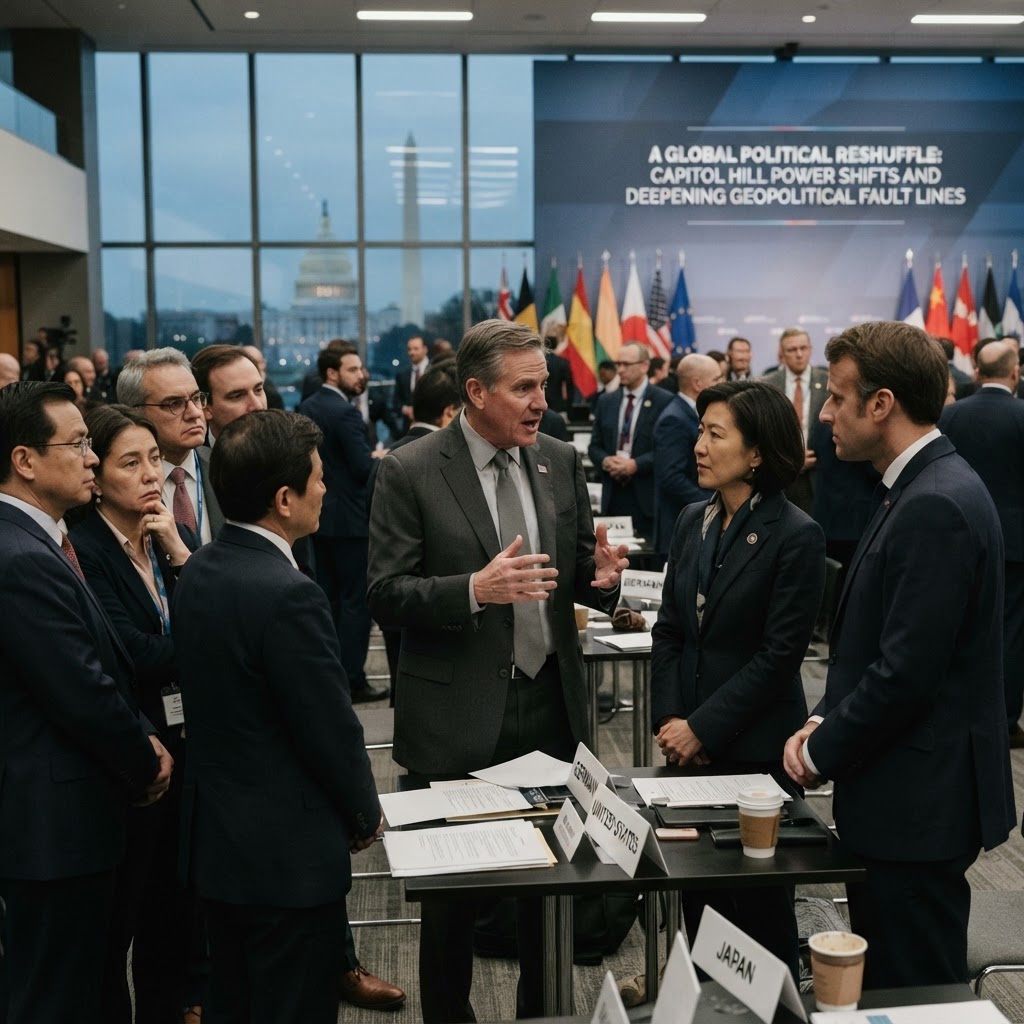
A Global Political Reshuffle: Capitol Hill Power Shifts and Deepening Geopolitical Fault Lines
Recent electoral upheavals in the United States and intense diplomatic realignments across the Middle East, Eastern Europe, and South Asia mark a transformative moment in international politics.
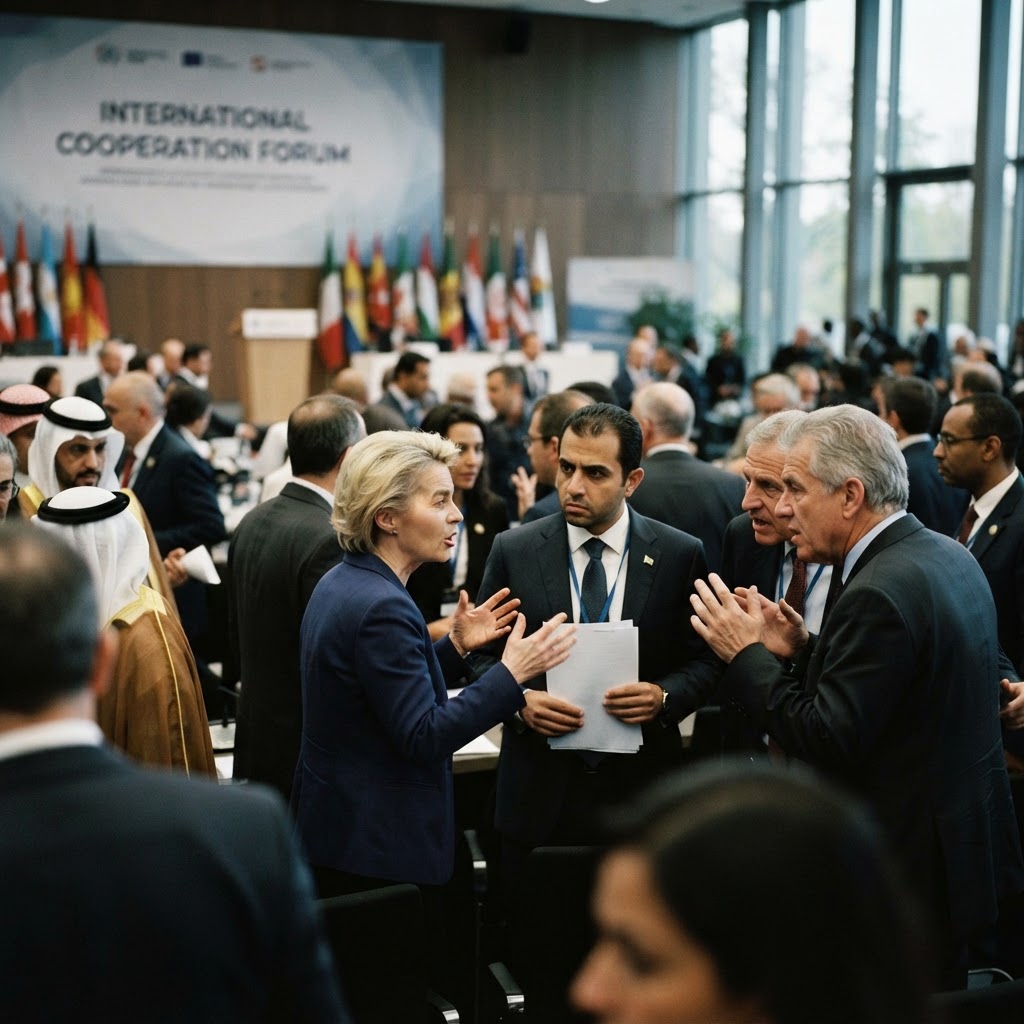
A Volatile Political Landscape: How Shifting Coalitions and Global Friction Are Reshaping Governance
From electoral stalemates in the Middle East and Latin America to mounting friction in maritime trade corridors, world governments are grappling with unprecedented tests of political stability and diplomatic alignment.