A Volatile Political Landscape: How Shifting Coalitions and Global Friction Are Reshaping Governance
From electoral stalemates in the Middle East and Latin America to mounting friction in maritime trade corridors, world governments are grappling with unprecedented tests of political stability and diplomatic alignment.
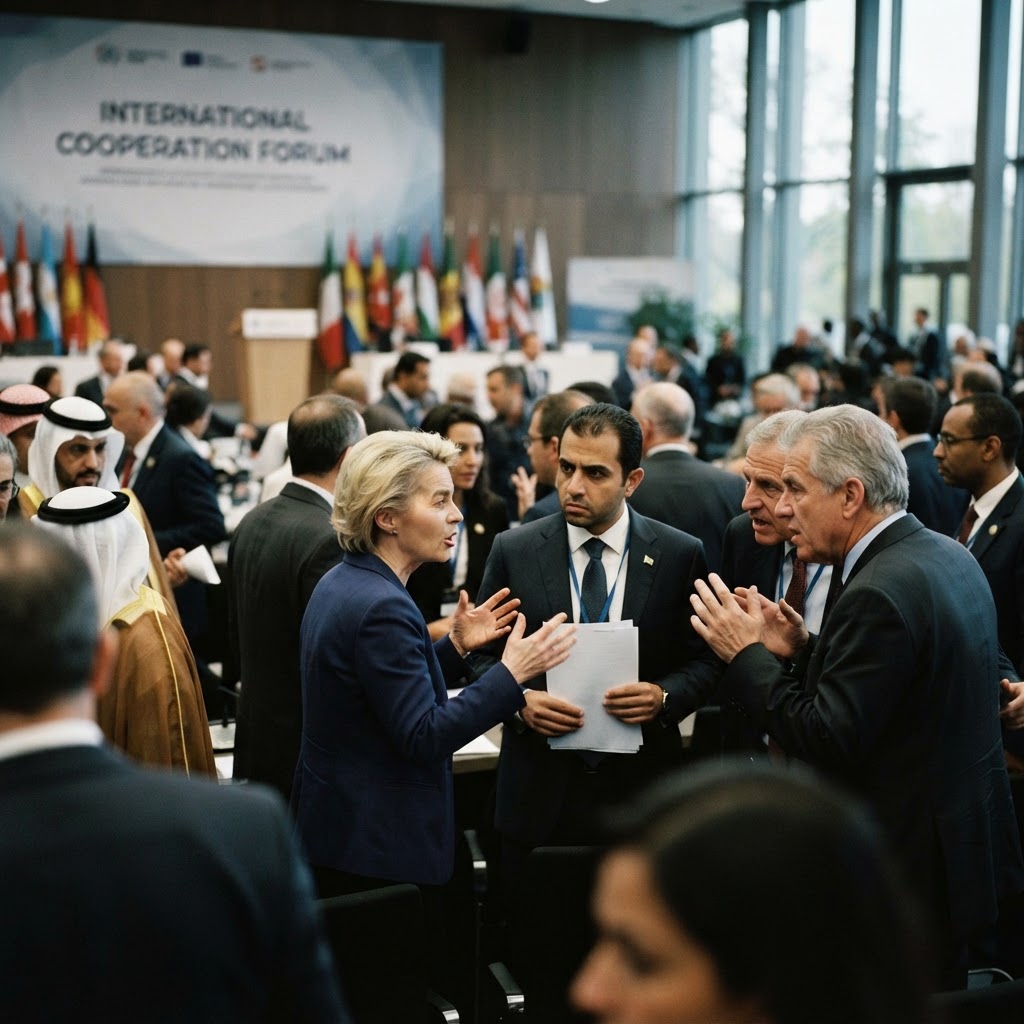
Across the globe, the international political arena is witnessing a period of profound restructuring. A convergence of closely contested national elections, institutional pushbacks, and heightened regional security standoffs has exposed deep vulnerabilities within traditional governance models. As leaders attempt to project authority across both domestic policy and multilateral affairs, shifting domestic dynamics are fundamentally altering geopolitical alliances.
Parliamentary Paralysis and High-Stakes Coalitions
Nowhere is political fragmentation more acute than in parliamentary democracies navigating polarized electorates. Recent electoral contests have produced razor-thin results where neither established coalitions nor insurgent opposition blocs can comfortably secure governing majorities. In Israel, general balloting has once again left parliament severely fractured, prompting prolonged, fraught coalition talks between veteran leaders and emergent opposition movements according to reports from CNBC World Politics and The Japan Times.
With voters turning out in near-record volumes, the absence of a decisive mandate highlights a growing structural dilemma: governments assembled from fractured, ideologically disparate factions often struggle to address urgent national security and economic questions. The resulting power vacuum not only leaves key domestic policy agendas stalled, but also injects uncertainty into broader regional diplomacy, where partners and adversaries alike are forced to wait out complex multi-party haggling.
Populism, Polarization, and Contested Mandates
Beyond the Middle East, electoral battlegrounds in the Americas and Europe reflect intense contests over ideological direction and institutional integrity. Brazil’s high-stakes presidential contest delivered a historic comeback for Luiz Inácio Lula da Silva, securing another term against conservative challenger Flávio Bolsonaro, as reported by Vijesti / AP. Yet, the outcome was immediately overshadowed by sharp rhetoric and threats to contest the vote, demonstrating how distrust in democratic administration has become standard political currency across both hemispheres.
Meanwhile, across Eastern Europe, entrenched power structures are facing unexpected challenges. The defeat of incumbent power brokers, such as long-ruling factions in Serbia, signals that voter frustration over economic stagnation and democratic backsliding can upend long-standing diplomatic dependencies. Moscow, already coping with diplomatic friction and restrictions on its state-backed narratives, is witnessing a steady erosion of its traditional sphere of influence in continental capitals, according to The Japan Times and The Times.
Institutional Scrutiny and Electoral Machinery
In South Asia, democratic systems are confronting legal and procedural headwinds. In India, public attention has turned sharply toward election monitoring bodies as opposition coalitions demand greater accountability. Legal petitions regarding voter roll registrations and mass filings in northern states have reached the Supreme Court, highlighting how technical electoral administration has become central to political combat, as detailed by The Economic Times.
These controversies reflect a worldwide trend where state apparatuses, voting procedures, and oversight agencies face unprecedented pressure. Rather than restricting debates to legislative proposals or fiscal allocations, modern political discourse increasingly turns on whether governing bodies and election regulators maintain administrative neutrality. When trust in these institutions erodes, ordinary civil dissent frequently spills onto city streets and campuses.
Navigating Maritime Tensions and Strategic Realignments
Electoral friction at home has inevitably intersected with heightened international security risks. In the Indo-Pacific, Taiwan and allied regional powers continue to monitor extensive deployments of naval and coast guard vessels through contested international waters, raising alarm over maritime sovereignty and economic trade lines, as highlighted by The Japan Times Asia-Pacific. In the Middle East, energy security remains deeply unstable amid renewed tanker disruptions in critical transit corridors such as the Strait of Hormuz, reported by CNBC.
As emerging technologies—from autonomous surface craft to unmanned aerial vehicles—proliferate among regional actors and insurgent factions, securing vital global transit arteries has evolved into a complicated diplomatic task. The United Nations Security Council continues to debate frameworks to shield maritime commerce from disruptive technologies, but diplomatic divisions among permanent members regularly preclude unified enforcement mechanisms, according to Global Issues.
Conclusion: The Era of Friction
Whether navigating razor-thin legislative splits, legal clashes over voter validation, or heightened military deployments along contested waterways, modern political systems are confronting an era defined by institutional friction. The emerging global landscape is characterized by transactional diplomacy and deeply polarized domestic constituencies. Over the coming months, the durability of democratic institutions will depend not merely on winning legislative majorities, but on whether governments can preserve public trust and manage an increasingly volatile international order.
Recommended for you
Similar to “World Politics”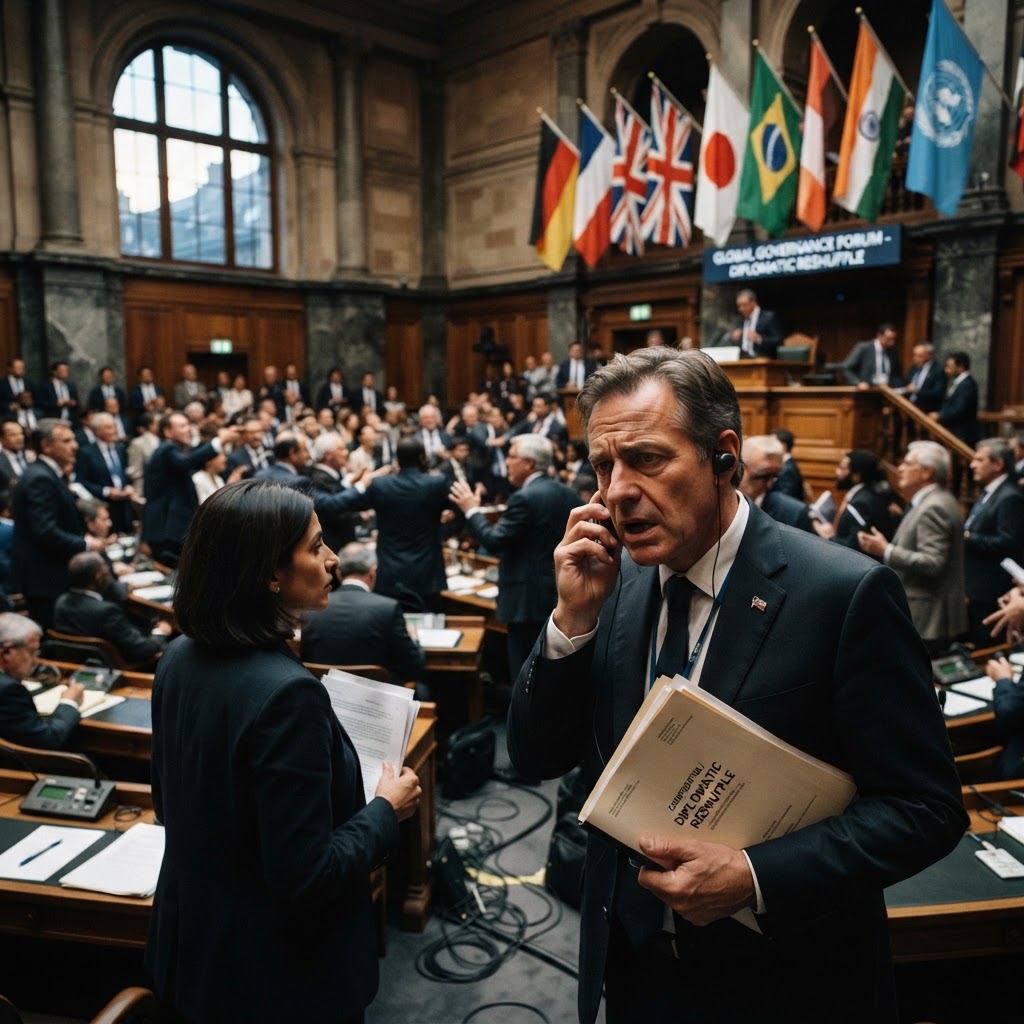
Diplomatic Reshuffles and Parliamentary Fractures: A Tumultuous Week in Global Governance
From political realignments in the Middle East and presidential impeachment in Latin America to shifting trade pressures across Asia and Washington, recent days have witnessed intense friction across the international political arena.
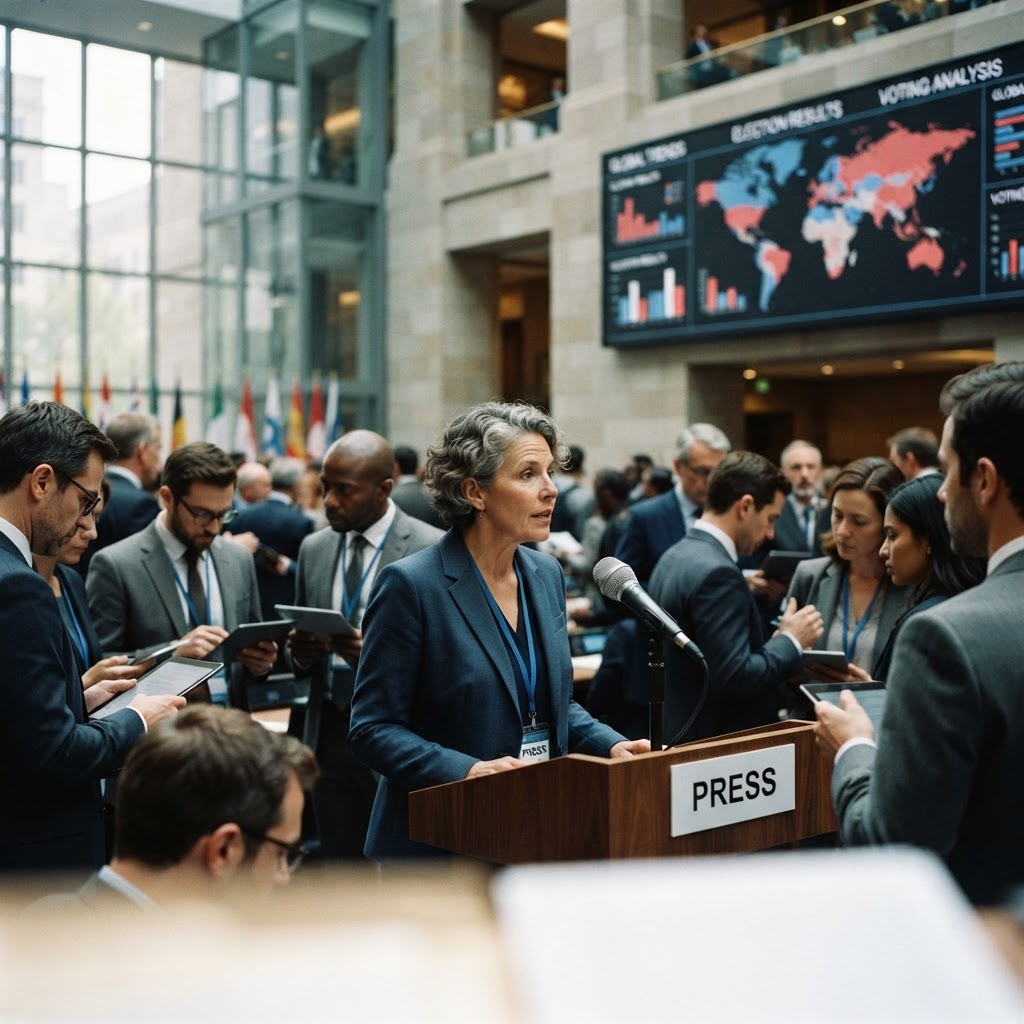
A Week of Global Realignments: How Recent Elections and Stalled Mandates Are Reshaping World Politics
From unexpected deadlocks in the Middle East to seismic upsets in Latin America and the Balkans, a flurry of national elections is destabilizing long-standing political dynasties and redrawing diplomatic fault lines across the globe.
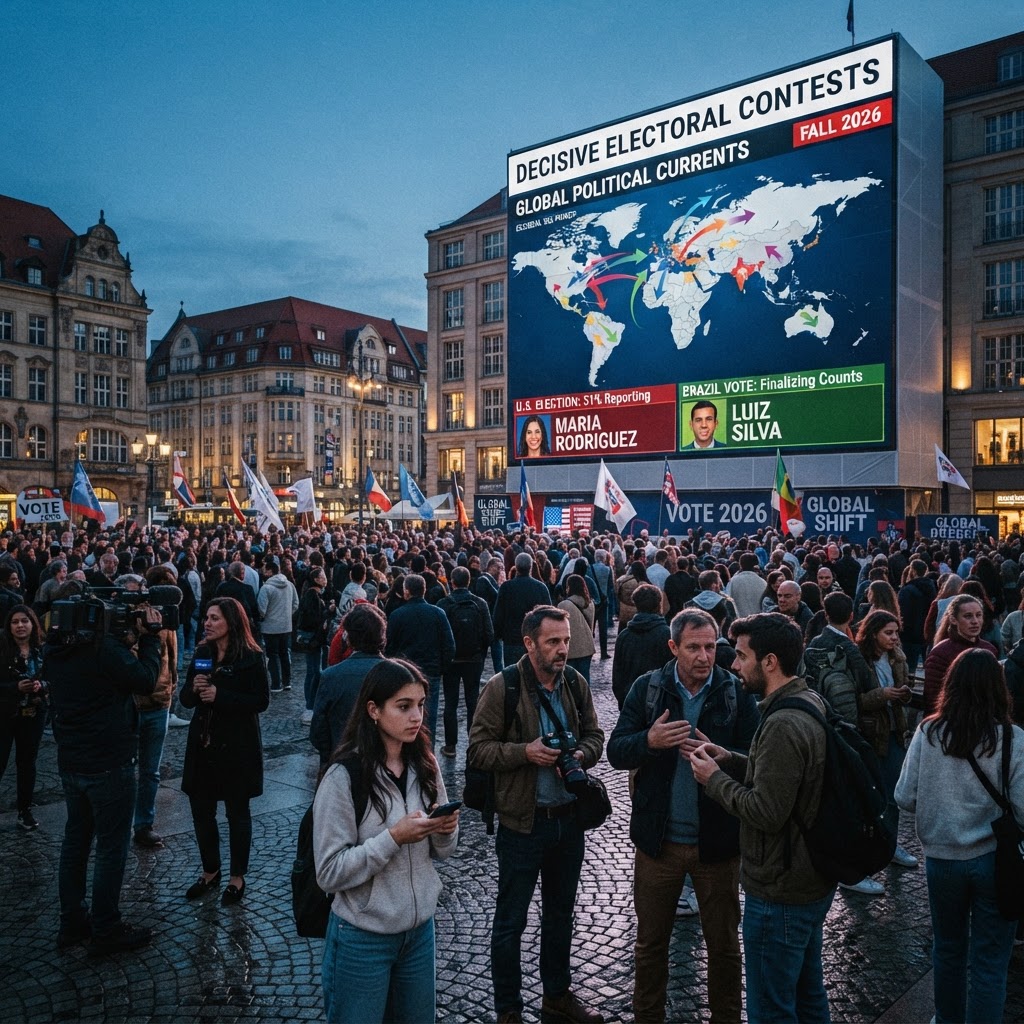
Global Political Currents: Decisive Electoral Contests and Shifting Power Dynamics Shape Fall 2026
From high-stakes electoral upsets across Latin America and Europe to mounting midterm campaign friction in the United States and Southeast Asian political rifts, global leadership enters a turbulent transitional phase.