Between Ambition and Backlash: Global Climate Efforts Confront Deepening Political and Ecological Fractures
Even as scientific evidence highlights escalating climate risks and regional vulnerabilities, international policy and domestic environmental governance face mounting legal disputes and shifting political headwinds.
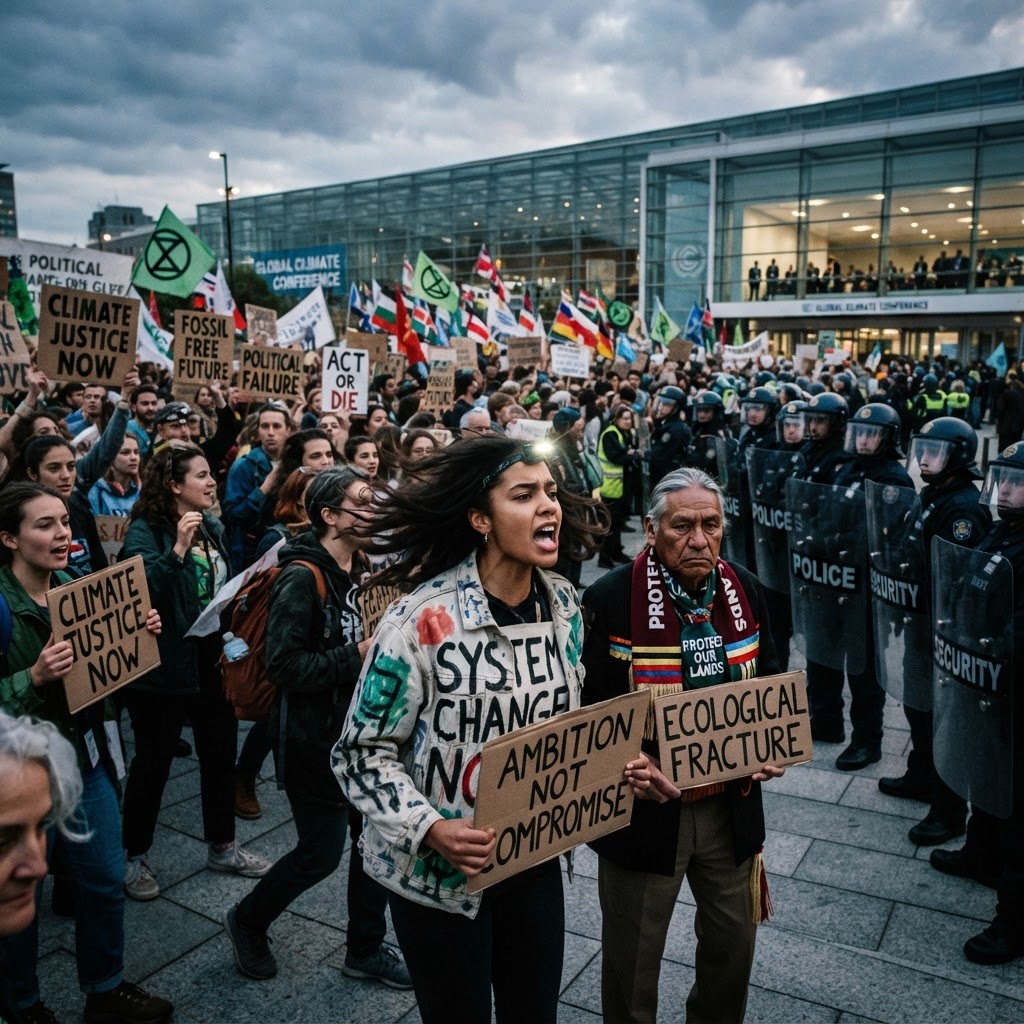
A Widening Gap Between Climate Pledges and Physical Reality
The global fight against environmental degradation is caught between intensifying climate impacts and widening systemic bottlenecks. While diplomatic summits continue to produce multilateral roadmaps and clean energy deployment accelerates in select sectors, recent global assessments and scientific studies reveal an increasingly difficult path toward stabilizing global temperatures. International monitors have warned that despite scattered signs of slowing emissions growth, atmospheric concentrations of key heat-trapping gases remain at record levels, raising the likelihood that the threshold of 2 degrees Celsius above pre-industrial levels could be exceeded without unprecedented policy interventions.
The physical consequences of this warming trajectory are manifesting across varied geographic zones. Research published in recent scientific literature, including studies featured in Nature, highlights how localized systems are experiencing heightened volatility. In southern Africa, warming patterns are amplifying the frequency and severity of precipitation swings tied to the South Indian convergence zone, heightening flood vulnerabilities. Similarly, compound extreme events—such as glacier destabilization, flash flooding in the Himalayas, and persistent heatwaves across Europe—underscore that environmental hazards are no longer distant projections, but compounding disruptions currently straining disaster preparedness and civic infrastructure worldwide.
Domestic Policy Whiplash and Legal Battlegrounds
As the international community appeals for accelerated transitions away from fossil fuels, domestic political landscapes are generating sharp divergence in policy execution. In the United States, regulatory directions have become a primary theater of conflict. Civil rights advocates, public health organizations, and environmental groups have increasingly turned to the federal court system to challenge recent rollbacks targeting power plant standards and administrative mandates designed to limit carbon emissions. Legal actions documented by organizations such as Inside Climate News demonstrate that the elimination of fossil fuel protections is facing immediate legal scrutiny, with opponents arguing that dismantling scientifically grounded safeguards threatens community health and violates statutory requirements.
Parallel disputes have emerged surrounding federal funding and equity programs. Recent federal court rulings have rebuked administrative attempts to freeze or defund environmental justice initiatives established under previous legislative packages, such as the Inflation Reduction Act. Judicial orders compelling the Environmental Protection Agency to continue administering community grant programs illustrate how the legal branch has become an essential arbiter between diverging political administrations and statutory commitments. These confrontations reflect a broader systemic instability: environmental regulations in leading economies are subject to abrupt shifts with changing political leadership, frustrating long-term industrial planning and international compliance.
Technological Solutions and Adaptation Strategies
Amid institutional tension, efforts to manage resource demands and adapt to ecological shifts are spurring pragmatic interventions. The strain on regional electric grids—driven in part by the rapid build-out of energy-intensive technology infrastructure and artificial intelligence data centers—is compelling private sector actors to experiment with demand-side flexibility. Innovative grid-management programs, often referred to as virtual power plants, are emerging to compensate residential and commercial users for curtailing electricity consumption during peak stress periods, balancing capacity needs without relying exclusively on additional fossil-fired generation.
At the grassroots and agricultural levels, climate adaptation is reshaping production practices out of sheer necessity. In low-lying, vulnerable regions such as the Mekong Delta, rising sea levels and altered hydrological flows have pushed communities to transition toward saltwater-tolerant agriculture and aquaculture systems. Concurrently, academic researchers are investigating novel mitigation levers ranging from advanced forest restoration frameworks to bioengineered fungi capable of carbon capture and soil remediation. However, observers emphasize that localized resilience initiatives and frontier technologies cannot replace systemic reductions in greenhouse gas output, especially as biodiversity protection and international funding mechanisms face persistent implementation gaps.
The Trajectory of Global Governance
The overarching architecture of international environmental cooperation remains centered on translating multilateral declarations into domestic compliance. While frameworks established under recent multilateral dialogues have prioritized just transition roadmaps and increased funding allocations for climate adaptation, implementation rates differ dramatically across developed and developing nations. Observers point to the growing tension between symbolic diplomatic declarations and the operational realities of energy distribution, economic growth, and sovereign legislative priorities. As extreme climatic phenomena continue to expose regional fragilities, the resilience of the global ecological order will ultimately depend on whether institutional mechanisms can survive domestic political volatility and enforce accountable, science-based policies.
Recommended for you
Similar to “Environment”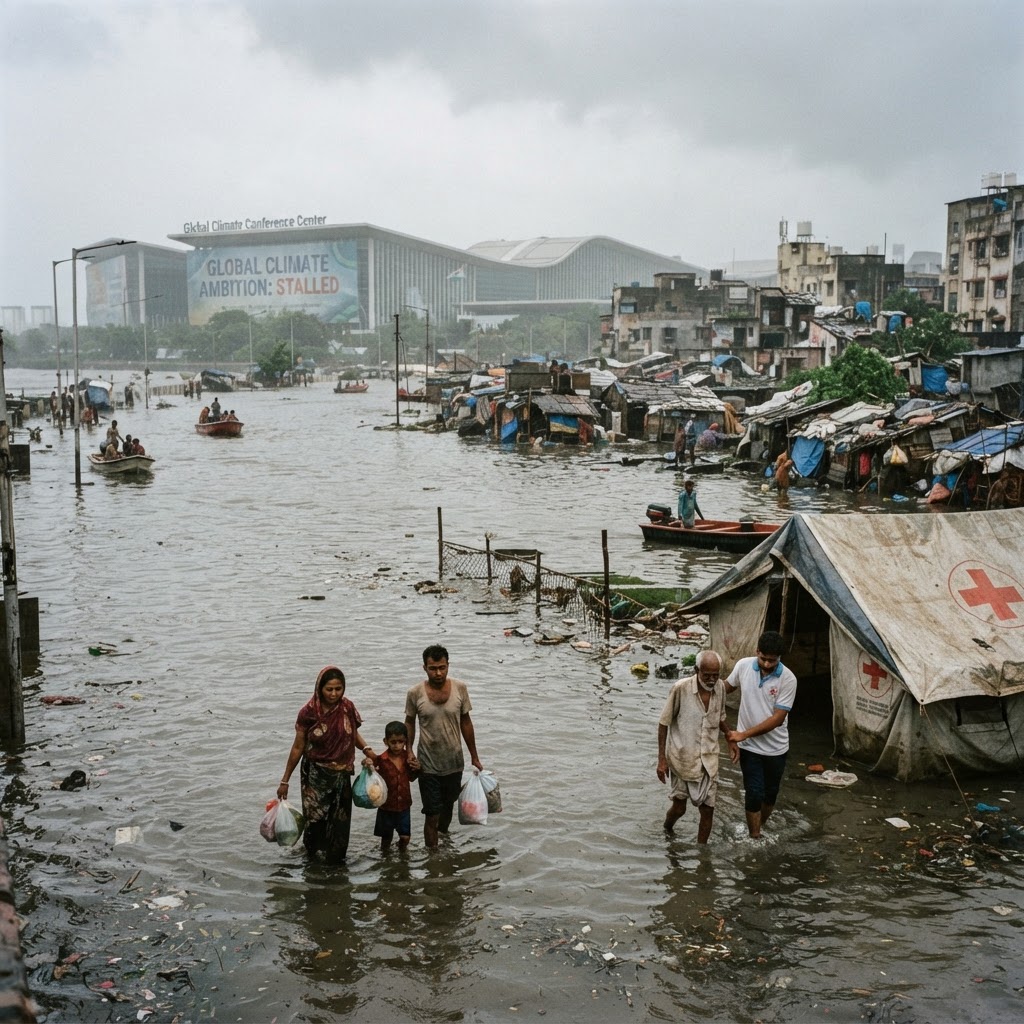
A Convergence of Ecological Crises: Escalating Floods, Health Threats, and Stalled Global Ambition
Recent scientific assessments and diplomatic negotiations reveal a widening gulf between accelerating climate shocks—from intensified flood peaks to rising health burdens—and stalled international environmental action.
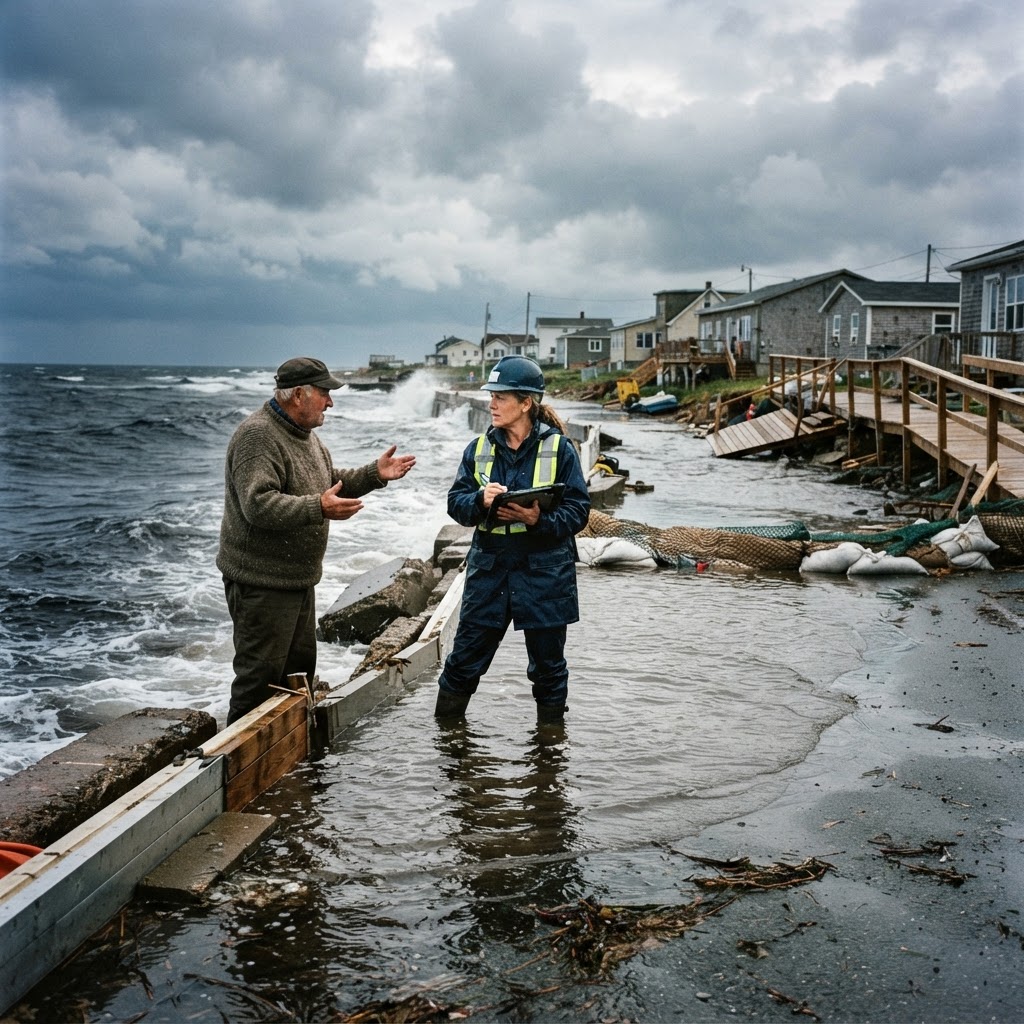
Adapting to the Edge: Escalating Climate Realities Confront Fiscal and Policy Frontiers
As global climate records tumble and vulnerable regions confront worsening disaster risks, international policymakers are racing to bridge mounting governance, adaptation, and financial gaps.
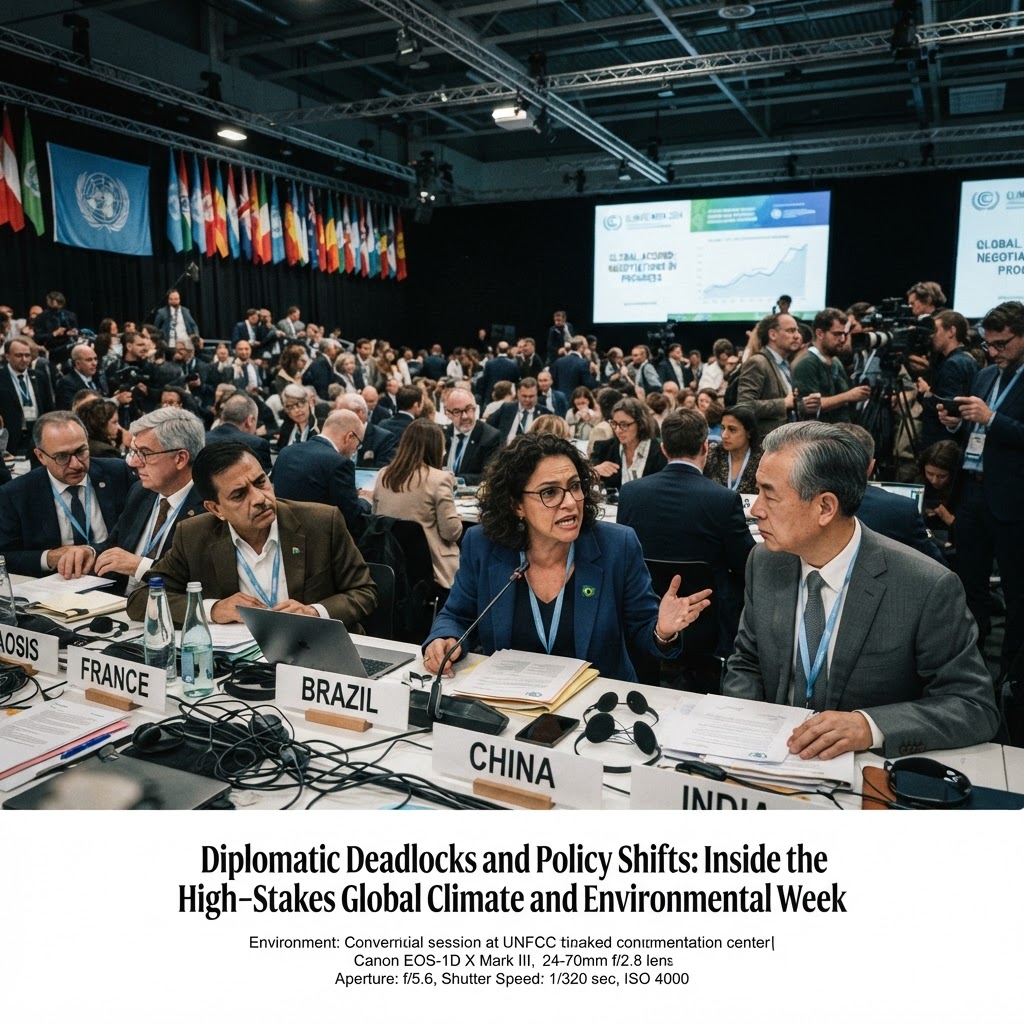
Diplomatic Deadlocks and Policy Shifts: Inside the High-Stakes Global Climate and Environmental Week
As high-stakes COP31 negotiations in Antalya reach a contentious climax over fossil fuels and climate finance, parallel decisions in Europe and fresh scientific assessments underscore the complex balancing act between environmental ambition and political pragmatism.