Adapting to the Edge: Escalating Climate Realities Confront Fiscal and Policy Frontiers
As global climate records tumble and vulnerable regions confront worsening disaster risks, international policymakers are racing to bridge mounting governance, adaptation, and financial gaps.
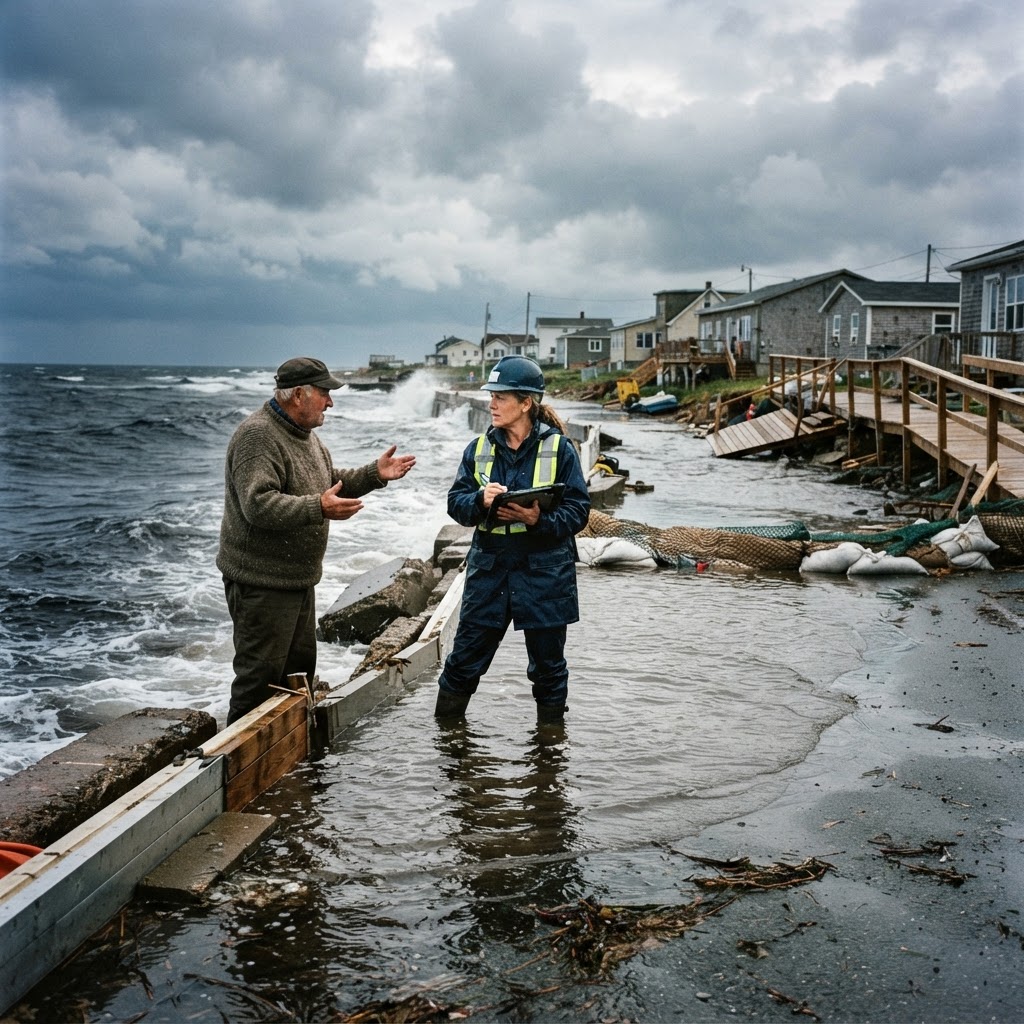
The Deepening Climate Imbalance
The pace of global environmental change continues to test humanity's capacity to adapt. Ongoing observations from the World Meteorological Organization and Earth-observing satellite platforms synthesized by the scientific community highlight that the planet's energy balance is drifting further out of alignment, compounded by persistent oceanic and atmospheric warming. Far from being a theoretical hazard relegated to future decades, environmental shifts are triggering acute disruptions across communities worldwide. As recent academic syntheses in climate science point out, human and ecological systems are steadily exceeding their historical coping mechanisms, compelling researchers and governments to urgently re-examine how adaptation is planned, financed, and deployed.
Vulnerability on the Frontlines: The Himalayan Reality
One of the starkest manifestations of the intensifying planetary crisis is unfolding across the fragile topography of the Himalayas. According to recent research highlighted in major climate reporting, high-risk regions such as Nepal have experienced rapid infrastructural development directly along flood-prone riverbanks. The physical footprint of residential and commercial structures in these dangerous zones has expanded significantly over recent years, dramatically raising exposure to monsoon deluges, glacial lake outbursts, landslides, and flash flooding. When urban sprawl and infrastructure investments converge with climate-accelerated hydrological cycles, disasters cease to be purely natural phenomena; they become acute socio-economic crises driven by inadequate spatial zoning and insufficient risk mitigation.
Fiscal Tools and Decarbonization Pressures
While communities on the frontlines grapple with immediate physical exposure, industrialized economies are seeking to refine economic and regulatory instruments to stem greenhouse gas emissions. Statistical assessments from the European Union show that revenues from environmental taxes climbed over six percent year-on-year to roughly €371.9 billion, led primarily by duties on energy consumption. While revenue collection grew across dozens of member states—notably in Central and Eastern European nations such as Romania, Lithuania, and Poland—the overall contribution of green taxes relative to regional gross domestic product continues to experience downward pressure. This dynamic reveals a complex fiscal paradox: as energy efficiency increases and fossil consumption patterns shift, revenue streams tied directly to legacy energy models may shrink, leaving national treasuries to devise sustainable long-term models for financing green infrastructure.
Bridging the Policy and Justice Gaps
International environmental governance is concurrently encountering significant friction on questions of equity and ecological justice. While international treaties, such as the High Seas Agreement on Biodiversity Beyond National Jurisdiction, have established critical global precedents by mandating climate considerations for marine areas, translating broad mandates into tangible community protection remains uneven. Civil society groups and conservation monitors underscore that grassroots environmental defenders—particularly in regions like Southeast Asia and parts of Africa—face disproportionate peril, while equitable distribution during clean energy transitions remains out of reach for many marginalized demographics. From safeguarding indigenous habitats against unmitigated resource extraction to ensuring that adaptation finance reaches smallholder farmers and coastal towns, the mandate for modern environmental policy is clear: resilience must be equitable, resilient communities must be prioritized over rapid expansion into hazard zones, and ecological integrity must be safeguarded with enforceable legal frameworks.
Recommended for you
Similar to “Environment”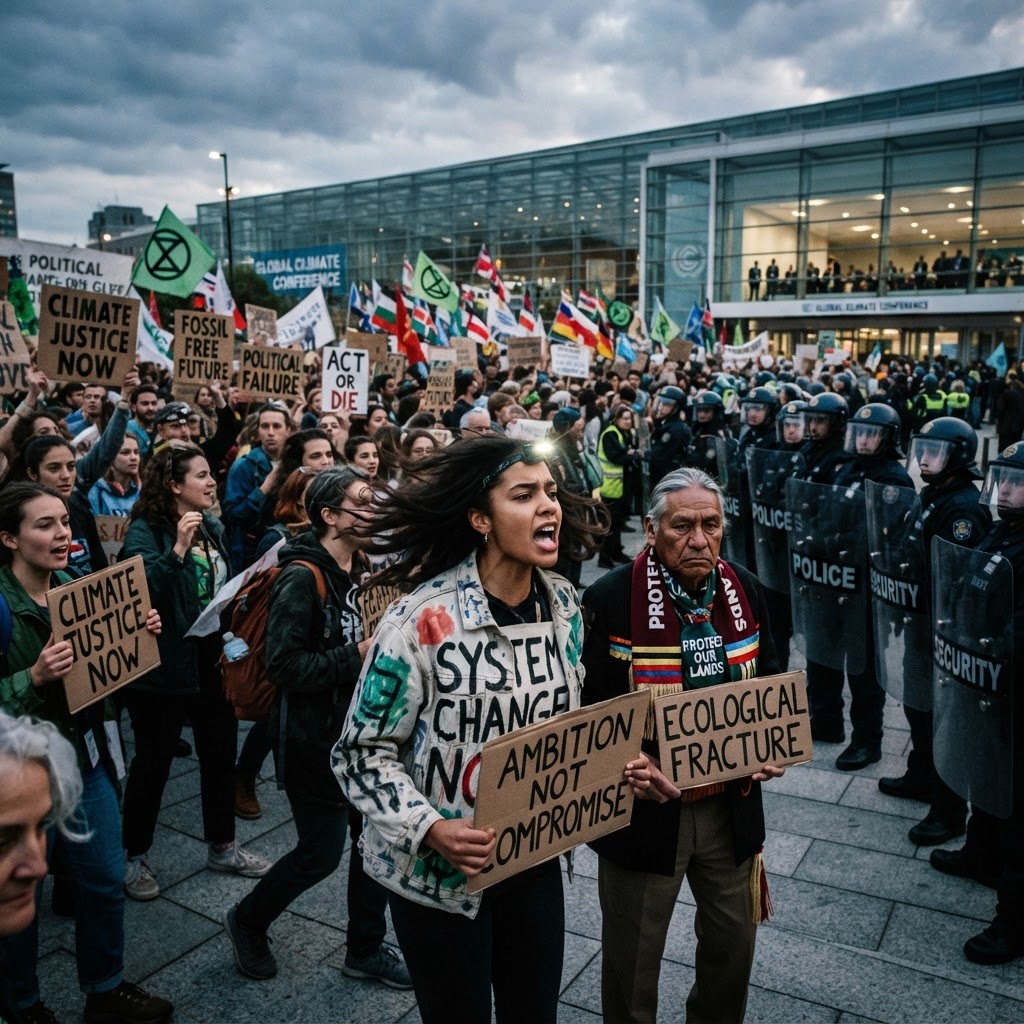
Between Ambition and Backlash: Global Climate Efforts Confront Deepening Political and Ecological Fractures
Even as scientific evidence highlights escalating climate risks and regional vulnerabilities, international policy and domestic environmental governance face mounting legal disputes and shifting political headwinds.
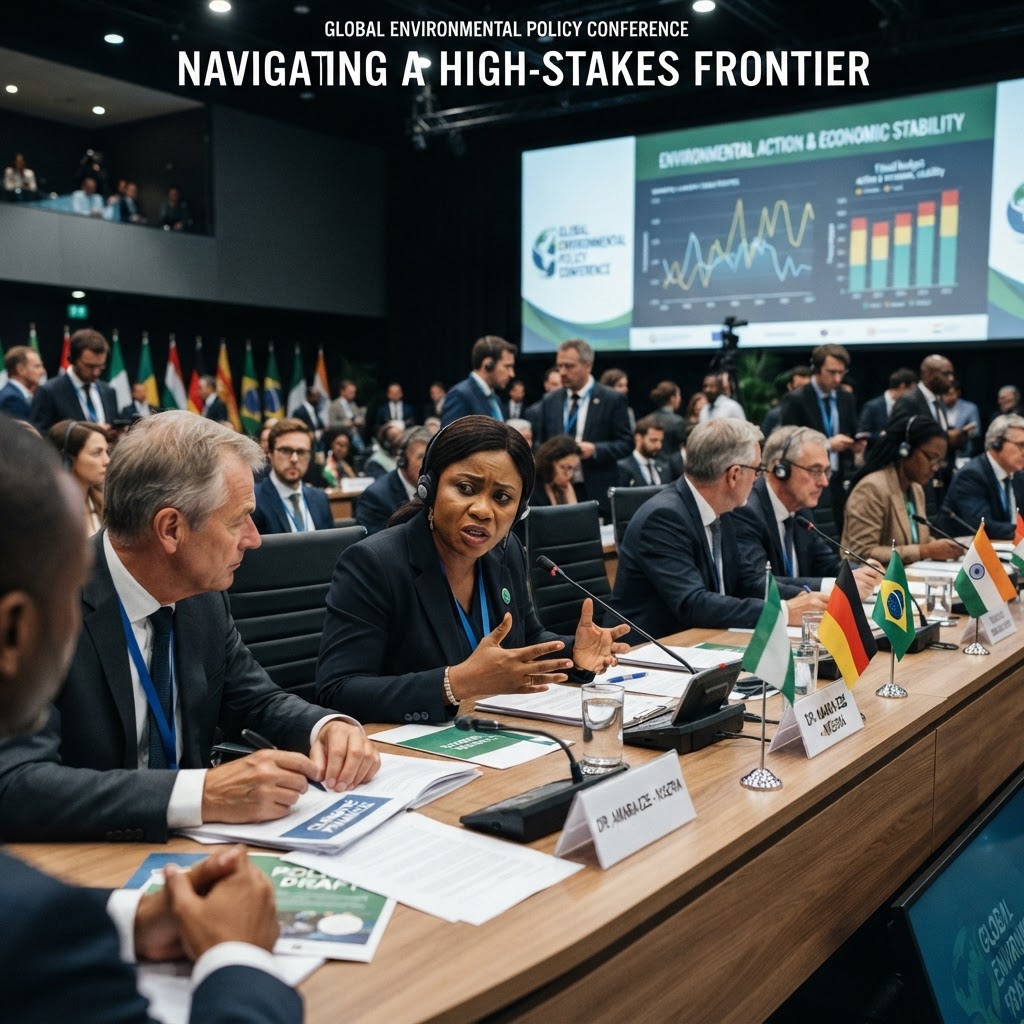
Between Climate Volatility and Fiscal Action: Global Environmental Policy Navigates a High-Stakes Frontier
As extreme weather escalates and adaptation gaps widen, international policymakers and carbon markets are pivoting toward tougher fiscal mechanisms, transparent verification frameworks, and renewed governance.
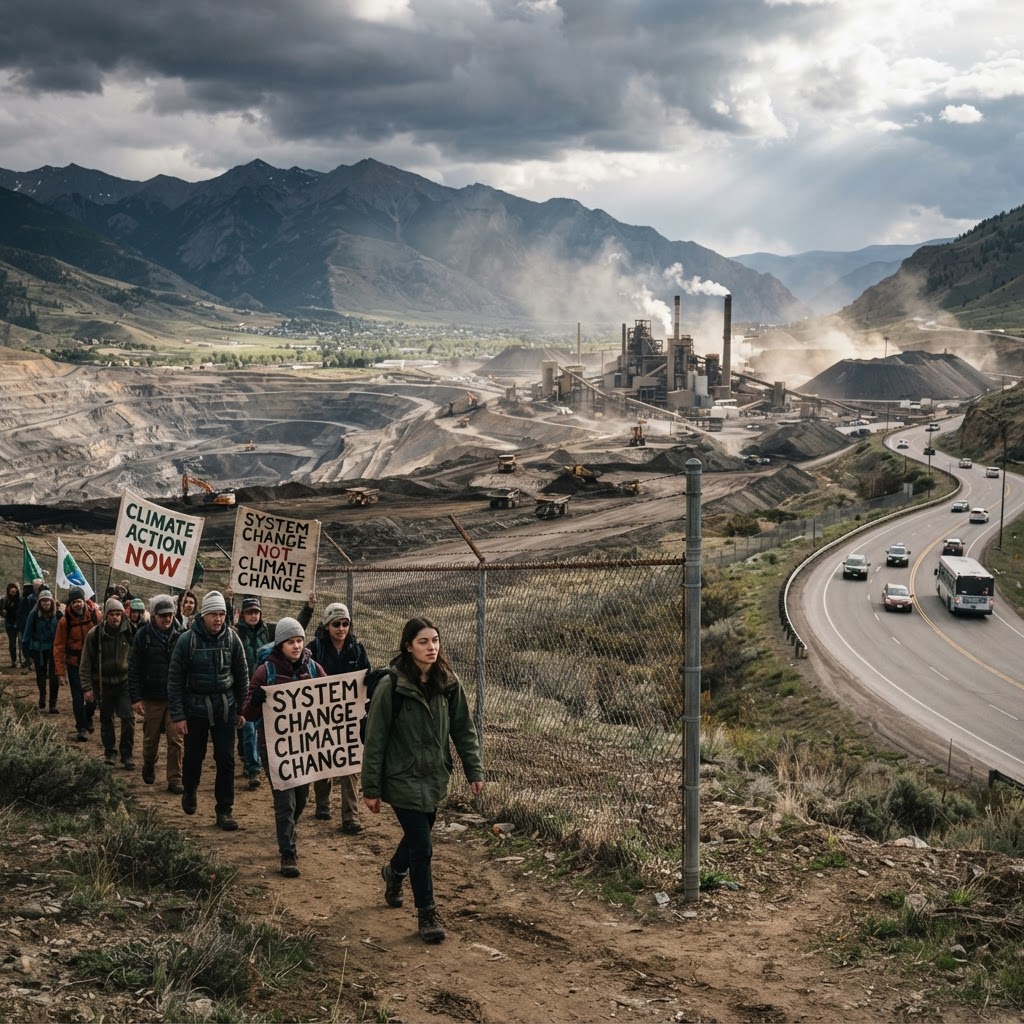
A Fractured Landscape: How Shifting Policies and Escalating Climate Realities Are Redefining Global Environmental Action
As federal rollbacks stall climate directives in the United States, subnational jurisdictions, civil society coalitions, and international bodies are stepping into the breach to confront intensifying environmental risks.