A Global Renaissance of Purpose: How Culture Is Redefining Sustainability, Heritage, and Creative Patronage
From landmark UNESCO frameworks connecting climate resilience to traditional craft and international art fairs, the global cultural sector is asserting itself as an essential engine of sustainable progress and shared identity.
The Rise of Culture as an Engine for Global Development
In international forums and local communities alike, culture is shedding its outdated reputation as a decorative afterthought. Instead, it is increasingly treated as an indispensable pillar of social progress, economic vitality, and sustainable development. As international bodies look toward future development goals beyond the 2030 Agenda, culture has moved decisively to the center of global policymaking, exemplified by milestones highlighted by UNESCO's international cultural frameworks. Worldwide data indicates that cultural and creative industries contribute over three percent of global gross domestic product and employ tens of millions of workers across diverse artistic disciplines. Far from functioning solely as leisure, creative economies now serve as primary vectors for innovation, social cohesion, and community resilience.
Bridging Tangible Heritage and Contemporary Climate Realities
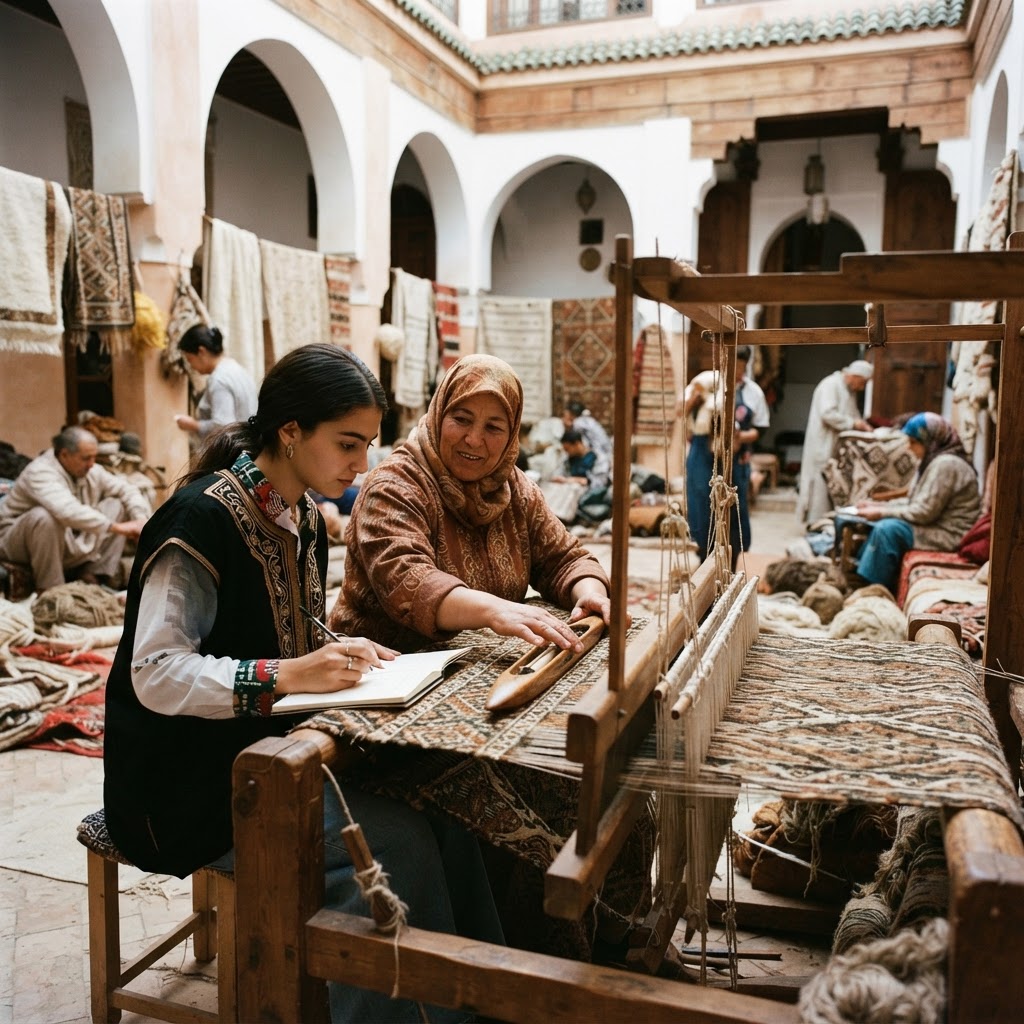
The dialogue surrounding cultural preservation has also taken an urgent environmental turn. At international summits and preservation conferences, policymakers and researchers are exploring how tangible and intangible heritage can inspire contemporary climate action. Discussions around shared cultural heritage emphasize that ancestral knowledge, historical urban design, and time-tested crafting techniques offer critical clues for living sustainably within ecological limits. Whether examining historic architecture or traditional artisanal practices, modern cultural preservationists are discovering that protecting humanity's shared past provides actionable blueprints for confronting modern ecological challenges.
Reinventing Patronage and Redefining Creative Spaces
The contemporary art world is concurrently experiencing significant self-reflection. Between the proliferation of premier global art fairs and debates over market fatigue, traditional structures of patronage and display are adapting to changing times. Private institutions and luxury houses are reimagining philanthropic initiatives, such as the Chanel Culture Fund's global arts programs, moving away from simple transactional sponsorships toward comprehensive programs that empower underrepresented innovators and foster institutional fellowships in major artistic capitals.
These initiatives mirror a wider recalibration across theaters, galleries, and film markets worldwide. Creative practitioners are challenging conventional media hierarchies, exploring how digital technology and cross-disciplinary collaborations can expand access to cultural goods. From independent cinematic showcases to high-profile exhibitions exploring historical fragments and ancestral identity, the creative sector continues to demonstrate that culture is not merely a reflection of current events, but an active force shaping societal renewal.
Recommended for you
Similar to “Culture”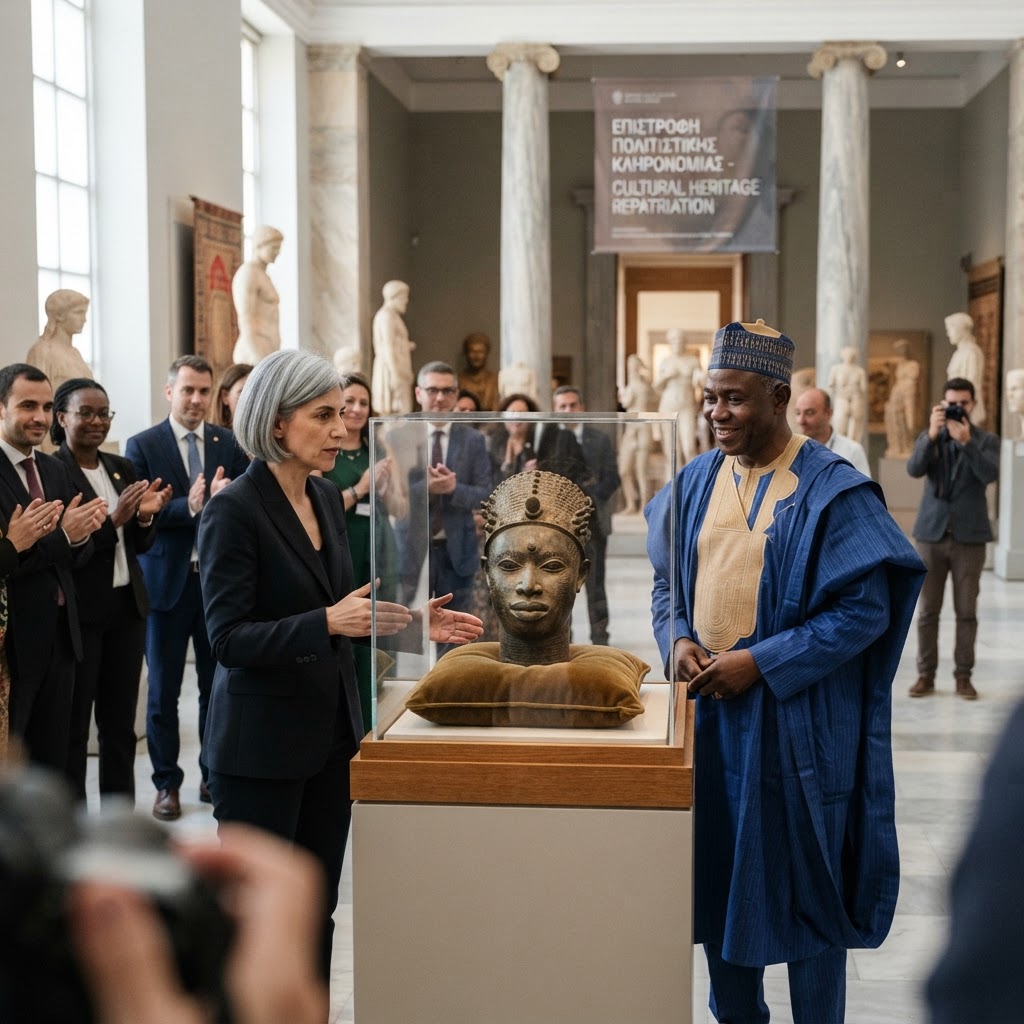
Culture at the Crossroads: How Heritage Repatriation, International Diplomacy, and Creative Industries Are Reshaping the Global Landscape
From high-stakes diplomatic restitutions in Southeastern Europe to UNESCO's newly framed sustainable development mandates and the rise of slow-heritage tourism, cultural identity is taking center stage in international affairs.
Global Culture at the Crossroads: Balancing Creative Economies, Technology, and Cultural Heritage
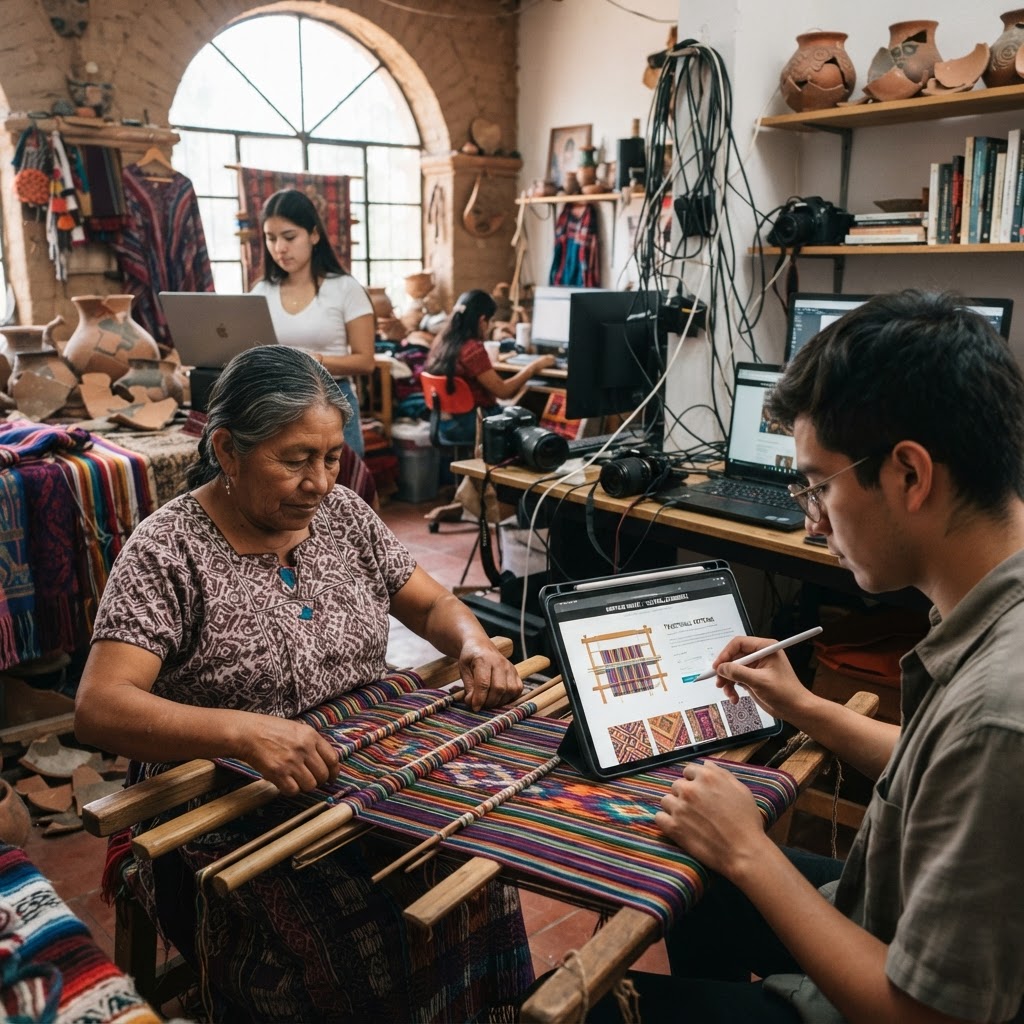
As international bodies establish sweeping frameworks for cultural sustainability, nations are navigating the dual challenges of technological disruption and preserving localized creative identity.

Global Culture Enters a New Era of Statecraft, Economic Strategy, and Tech Disruption
From South Korea's surging creative investments to international policy summits and private patronage, nations and institutions are recalibrating how art and heritage drive societal resilience and economic power.