Global Culture Enters a New Era of Statecraft, Economic Strategy, and Tech Disruption
From South Korea's surging creative investments to international policy summits and private patronage, nations and institutions are recalibrating how art and heritage drive societal resilience and economic power.
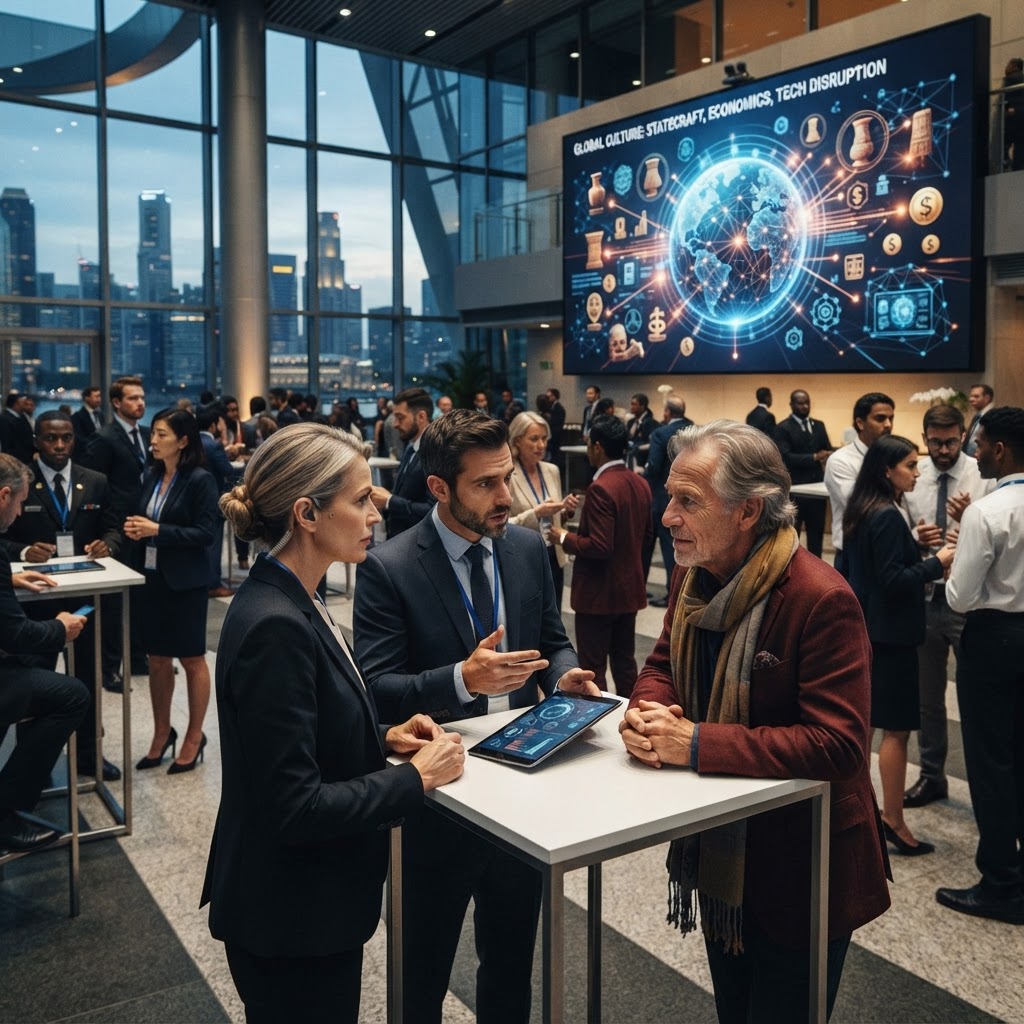
The Shifting Frontiers of Global Cultural Power
Around the world, cultural expression is undergoing a profound structural evolution. Far from remaining confined to galleries, music halls, or historical enclaves, creative production has increasingly become a cornerstone of geopolitics, macroeconomic planning, and identity diplomacy. Recent developments across multiple continents show that both multilateral organizations and national governments are reassessing the role of the creative economy in navigating modern technological and social challenges.
Sovereignty, Digital Shifts, and the Economics of Soft Power
The strategic deployment of cultural soft power is perhaps best demonstrated by East Asia's entertainment architecture. In South Korea, where the national government elevated cultural exports to match heavy industries like semiconductors, recent figures reflect both massive scaling and emerging structural vulnerabilities as detailed in The Diplomatic Insight. The state expanded its culture ministry budget by double digits to bolster content creation under ambitious modern frameworks, yet domestic cinema revenues have faced volatility, and physical music sales have contracted despite robust international streaming demand and stadium tours abroad. Concurrently, broader debates highlight how local creators face challenges retaining intellectual property when distribution relies heavily on foreign mega-platforms, a tension felt universally across digital creative industries.
This dilemma over cultural ownership is echoed in the Caribbean. At recent parliamentary deliberations concerning national cultural policies, representatives from UNESCO underscored how regional expressions—spanning music, fashion, and language—carry outsized global weight through what observers describe as cultural mondialization (UNESCO). However, an urgent focal point remains: ensuring that domestic creators retain equitable economic dividends from their work. A primary complicating factor on this front is generative artificial intelligence, particularly the unauthorized use of indigenous and national creative catalogs to train machine learning systems without compensation or consent.
Institutional Reinvestment and the Philanthropic Horizon
While sovereign governments formulate legislative shields and budget allocations, international bodies and philanthropic arms are establishing parallel structures to safeguard cultural infrastructure. The United Nations General Assembly officially formalized the upcoming decade as the International Decade of Culture for Sustainable Development (UNESCO). Backed overwhelmingly by member states, the framework recognizes that cultural industries account for over three percent of global gross domestic product and serve as crucial drivers of social stability, urban renewal, and long-term economic diversification.
Simultaneously, private patronage is pivoting from traditional legacy endowments toward active development models. Major corporate and luxury foundations are expanding initiatives designed to support individual pathbreakers across disciplines, funding fellowships at major institutions across London, Paris, Los Angeles, and beyond (London Daily). These public and private streams are converging on an essential premise: in an interconnected yet polarized environment, sustained investment in artistic innovators provides communities with the narrative tools needed to envision paths forward.
Grassroots Continuity and Everyday Heritage
Beyond macroeconomic indicators and institutional resolutions, the vitality of culture resides in regional resilience. In municipal centers worldwide, community traditions and heritage preservation efforts are regaining center stage as counterweights to global homogenization. From traditional arts festivals in Europe fostering cross-border dialogue (European Committee of the Regions) to historic street parades and community pageants in South Africa receiving municipal backing (IOL), local practices continue to serve as essential mechanisms for social cohesion.
Together, these developments signal a pivotal moment. As globalization interfaces with artificial intelligence, demographic shifts, and evolving media landscapes, culture is no longer treated merely as entertainment or legacy preservation. Instead, it is being recognized globally as vital public infrastructure—requiring rigorous defense, equitable compensation models, and continuous reinvestment.
Recommended for you
Similar to “Global Culture”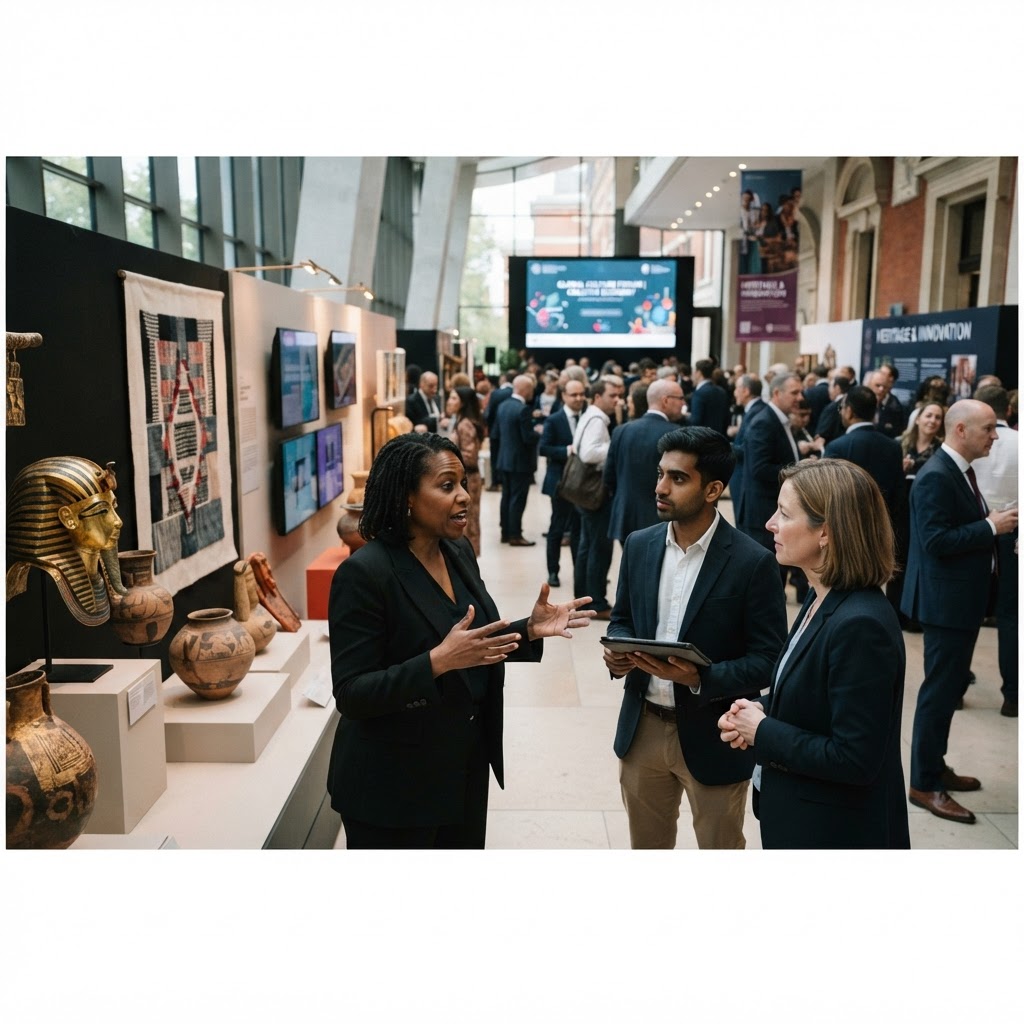
Culture as Global Currency: Heritage, Sovereign Soft Power, and the Creative Economy Converge
From legislative chambers in the Caribbean to arts initiatives across Asia and Europe, nations and institutions are fundamentally re-evaluating the role of culture as an engine for economic resilience and diplomatic influence.
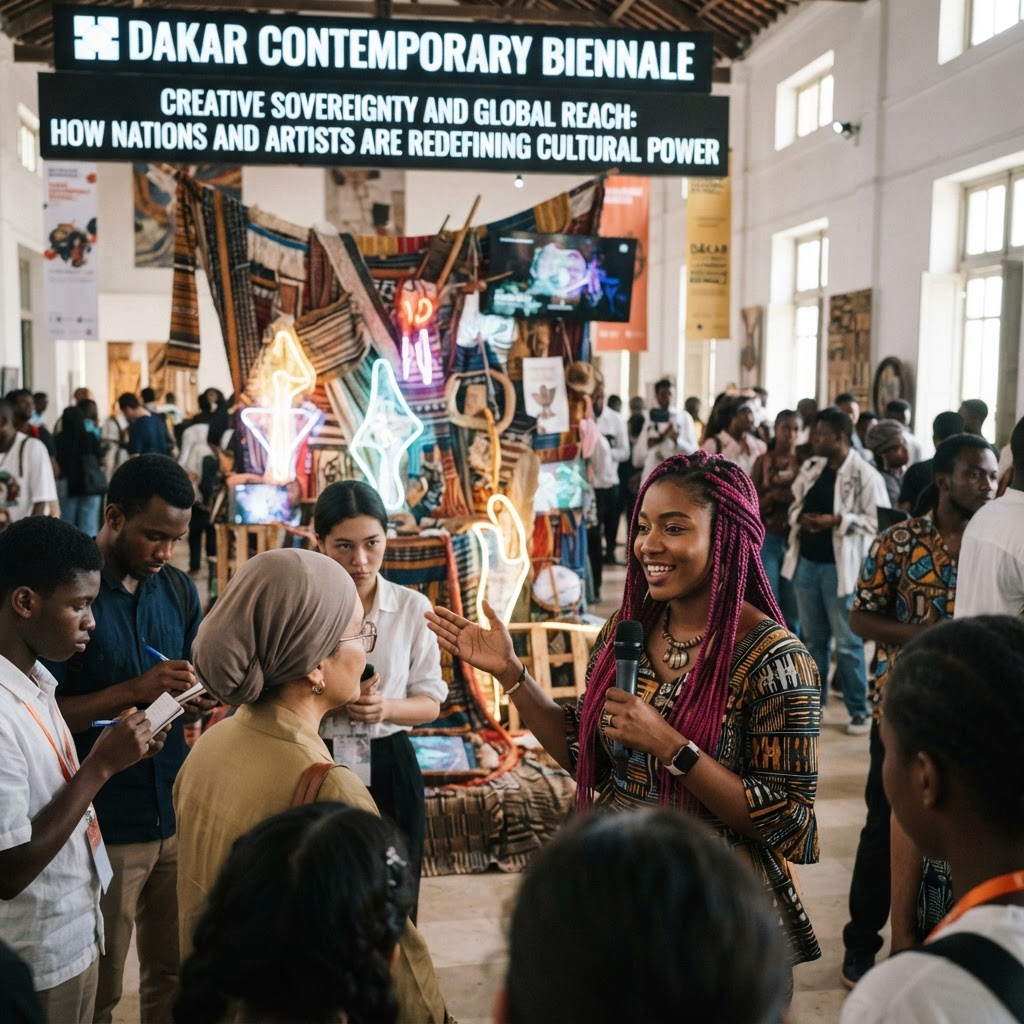
Creative Sovereignty and Global Reach: How Nations and Artists Are Redefining Cultural Power
From institutional policy debates in the Caribbean and East Asia to international diplomacy initiatives, cultural expression is increasingly recognized as both an economic engine and a strategic instrument of global influence.
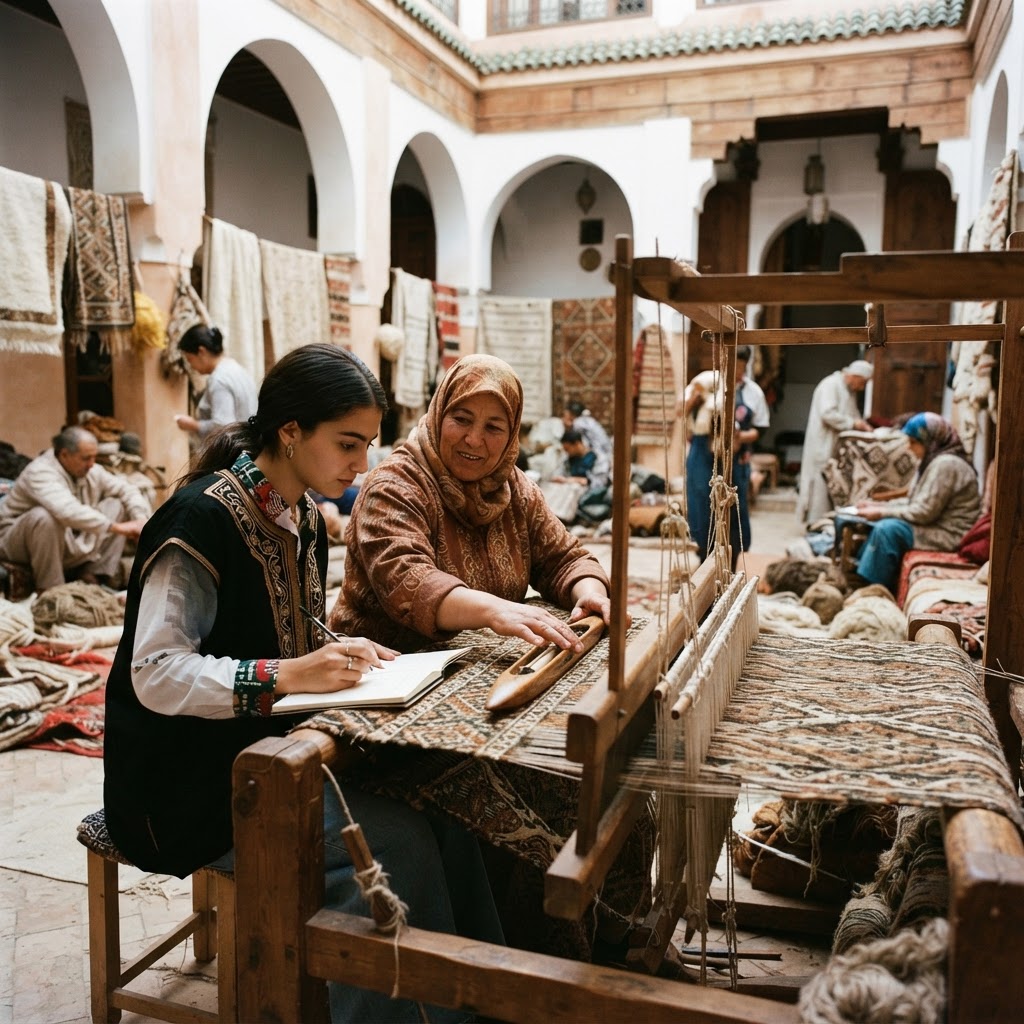
A Global Renaissance of Purpose: How Culture Is Redefining Sustainability, Heritage, and Creative Patronage
From landmark UNESCO frameworks connecting climate resilience to traditional craft and international art fairs, the global cultural sector is asserting itself as an essential engine of sustainable progress and shared identity.