Global Flashpoints Intensify: Shifting Alliances, Energy Chokepoints, and Contested Corridors
Escalating tensions around the Strait of Hormuz and the Arctic corridor, combined with persistent regional hostilities in Eastern Europe and the Middle East, reflect a deeply fragmented international order.
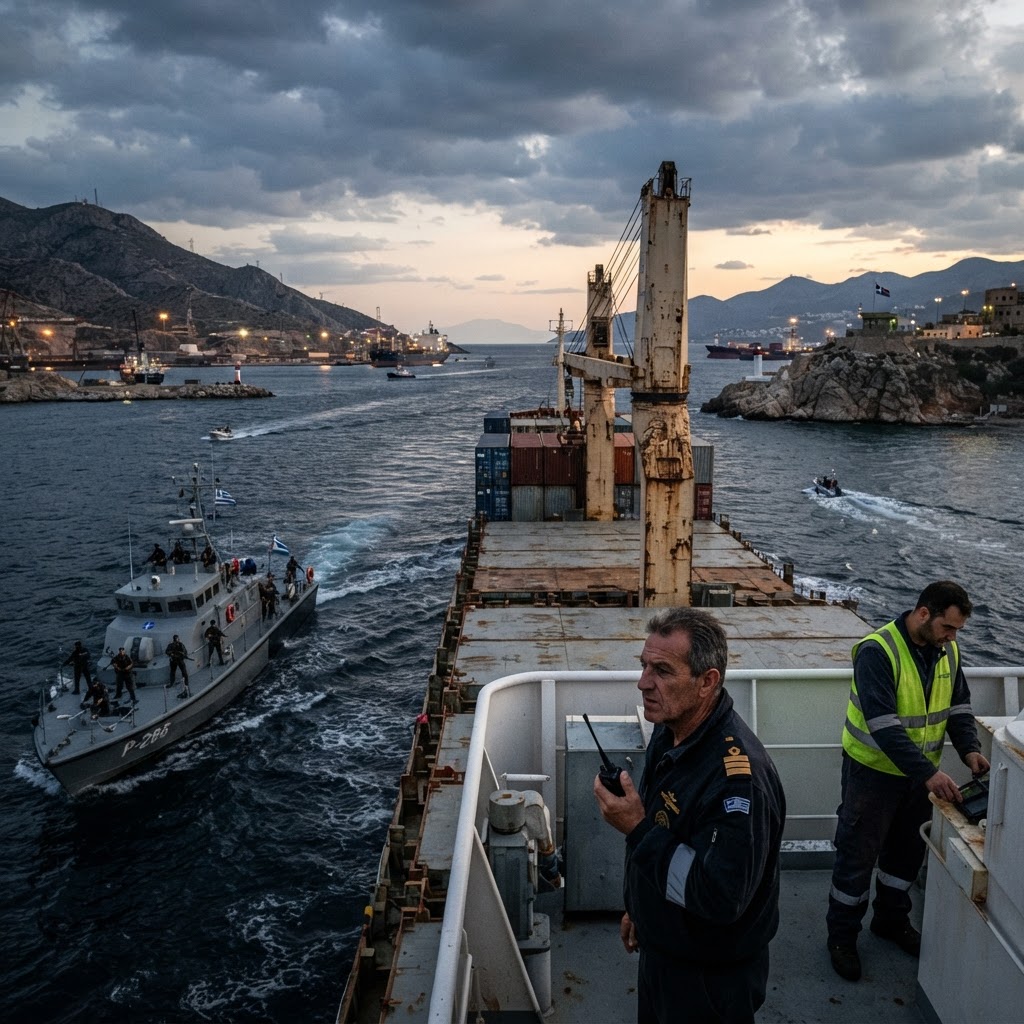
Turbulence Across Strategic Maritime Chokepoints
International security has encountered renewed friction this week as geopolitical standoffs intersect with critical global commerce nodes. Maritime instability reached acute levels in the Middle East following security incidents near the Strait of Hormuz, where commercial vessels have faced disruptions amid heightened cross-border hostility, as reported in recent coverage by CBS News. The strait remains one of the world's most vulnerable transit bottlenecks for crude oil and liquefied natural gas, making even localized clashes a point of immense sensitivity for global energy markets.
Diplomatic rhetoric has concurrently deteriorated, with Washington and regional capitals maneuvering around unpredictable security dynamics. Political leaders have weighed military alternatives against delicate backchannel proposals mediated by regional partners, as detailed by Fox News. At the same time, regional neighbors, including Gulf states, have increasingly registered formal diplomatic protests over escalatory language and security maneuvers, underscoring the fraying fabric of regional stability.
The Arctic Frontier and Evolving Bilateral Blocs
Far beyond equatorial transit routes, northern shipping lanes have emerged as a prominent theater of great-power competition. Collaborative efforts between Moscow and Beijing have accelerated, focusing on expanding commercial shipping freight along polar corridors, according to analysis by CNBC. The growing coordination along Arctic maritime passages highlights an enduring realignment designed to establish alternatives to traditional, Western-monitored sea lines of communication.
In response, European officials have attempted to formulate counter-strategies to defend institutional interests in the high north, though diplomatic analysts caution that economic and infrastructural leverage remains contested. Parallel developments in civilian nuclear agreements and technological partnerships between non-Western states further reveal how bilateral realignments are solidifying across multiple strategic sectors.
Humanitarian Fragility in Eastern Europe
In Eastern Europe, operational pauses on the battlefield have done little to diminish overall hostilities. While localized, temporary ceasefires have been enacted in specific districts like Oleshky to facilitate the distribution of urgently needed humanitarian aid, broad-scale strikes involving ballistic missile salvos and long-range unmanned aerial vehicles have continued unabated across wider fronts, as noted by CNBC.
Civilian infrastructure remains under profound pressure, and political negotiations toward comprehensive settlements remain stalled by divergent security objectives. Observers emphasize that localized pauses often offer only fleeting relief to beleaguered urban populations caught along the primary axes of confrontation.
Political Uncertainty and Democratic Fractures
Domestically, major democracies are grappling with external pressures while facing high-stakes internal milestones. In the Middle East, impending parliamentary elections have intensified domestic debate, accompanied by substantial security operations in occupied territories, as documented by CBS News. Political actors remain sharply polarized over post-conflict governance, defense preparedness, and broader regional engagement, a dynamic highlighted by PBS News.
Simultaneously, traditional economic allies are reevaluating bilateral cooperation in an increasingly turbulent trade environment. Advanced industrial democracies in Europe and East Asia have convened bilateral talks aimed at shoring up critical supply chains, balancing industrial competitiveness, and maintaining joint deterrence against common strategic challenges, according to reporting by Euronews. As major powers recalibrate their foreign policies amidst domestic political transitions, the global balance of power appears increasingly defined by rapid realignment rather than established international norms.
Recommended for you
Similar to “World Affairs”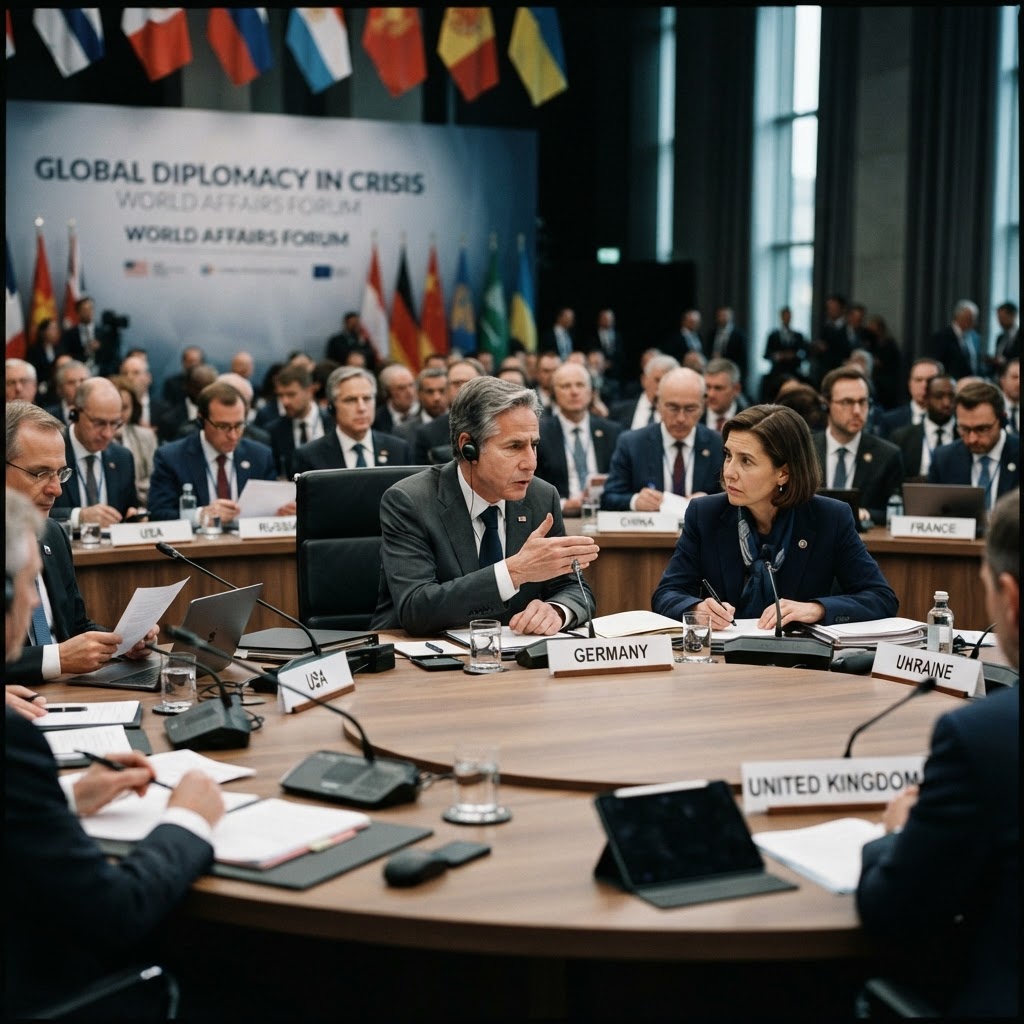
Global Diplomacy Strained as Energy Pacts, Weapon Shortages, and Political Fractures Reshape World Order
Recent diplomatic realignments, shifting energy agreements between major powers, and escalating regional tensions across Eastern Europe, the Middle East, and Asia are testing long-standing geopolitical alliances.
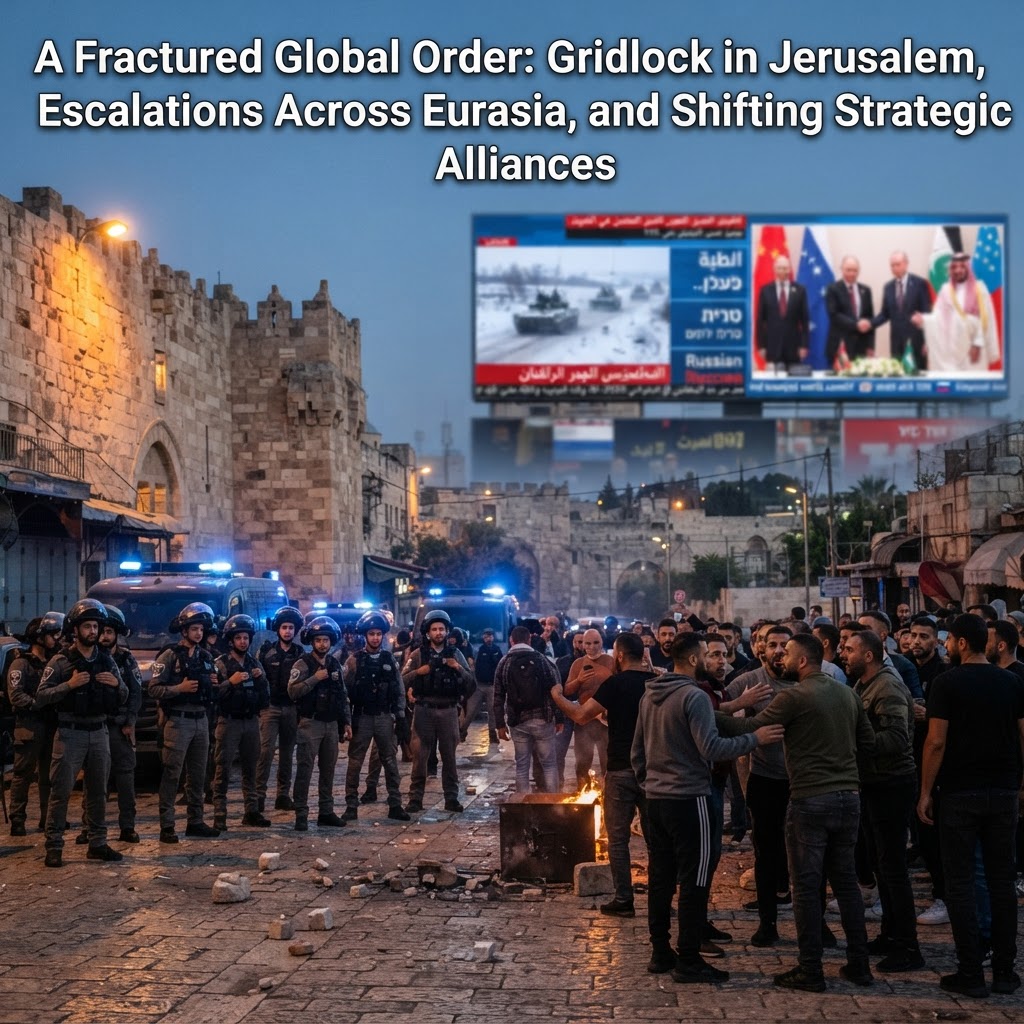
A Fractured Global Order: Gridlock in Jerusalem, Escalations Across Eurasia, and Shifting Strategic Alliances
Recent diplomatic maneuvers and electoral stalemates across the Middle East, Eastern Europe, and Latin America underscore a deeply fragmented geopolitical landscape marked by parliamentary paralysis and regional realignments.
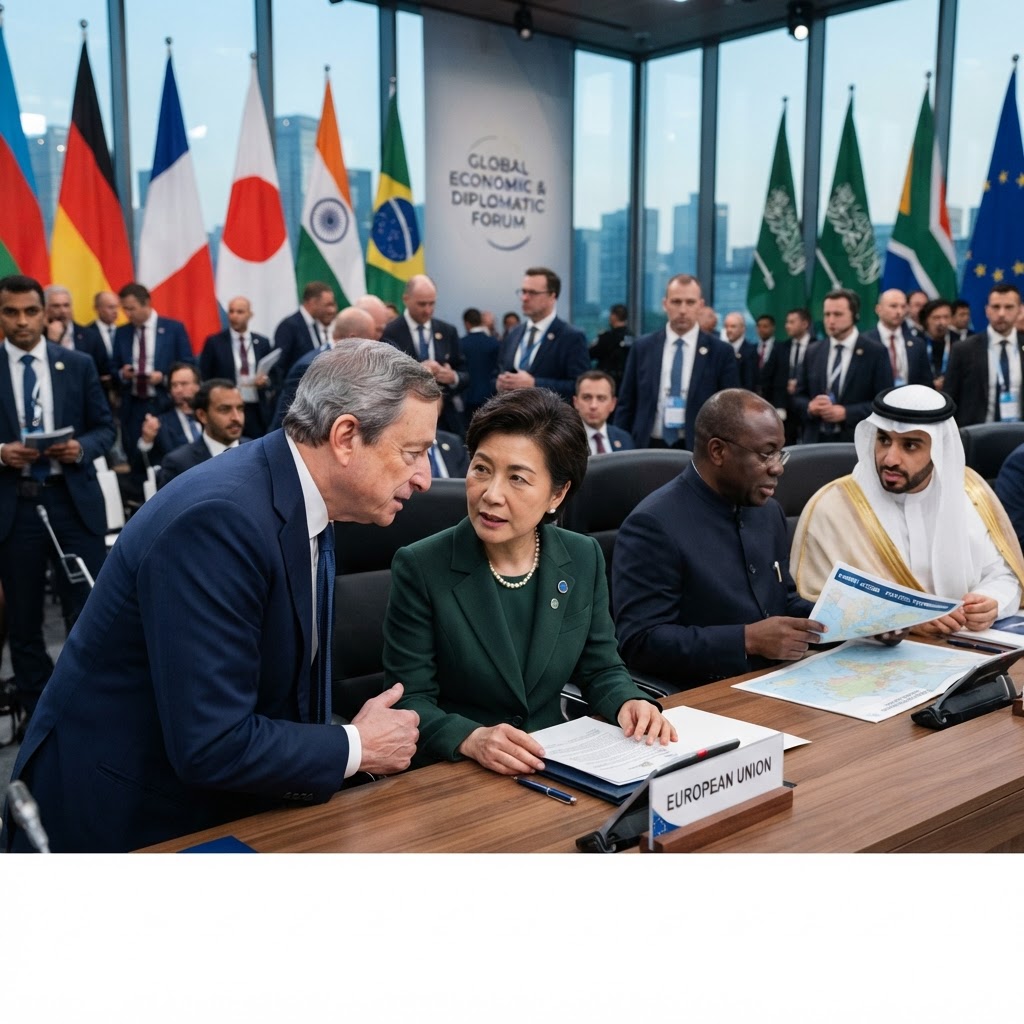
Diplomatic Realignments and Shifting Frontlines: How Energy Deals and Economic Tailwinds Are Reshaping Global Geopolitics
Recent policy reversals in Washington and escalating security friction across Eastern Europe and the Middle East highlight an increasingly fragmented international order, even as technology investment propels global trade forecasts.