The Fracture of Multilateralism and the Battle for Global Governance
As confidence in historic institutions deteriorates, global opinion leaders are confronting an era of fractured diplomacy, contested democratic legitimacy, and institutional paralysis.
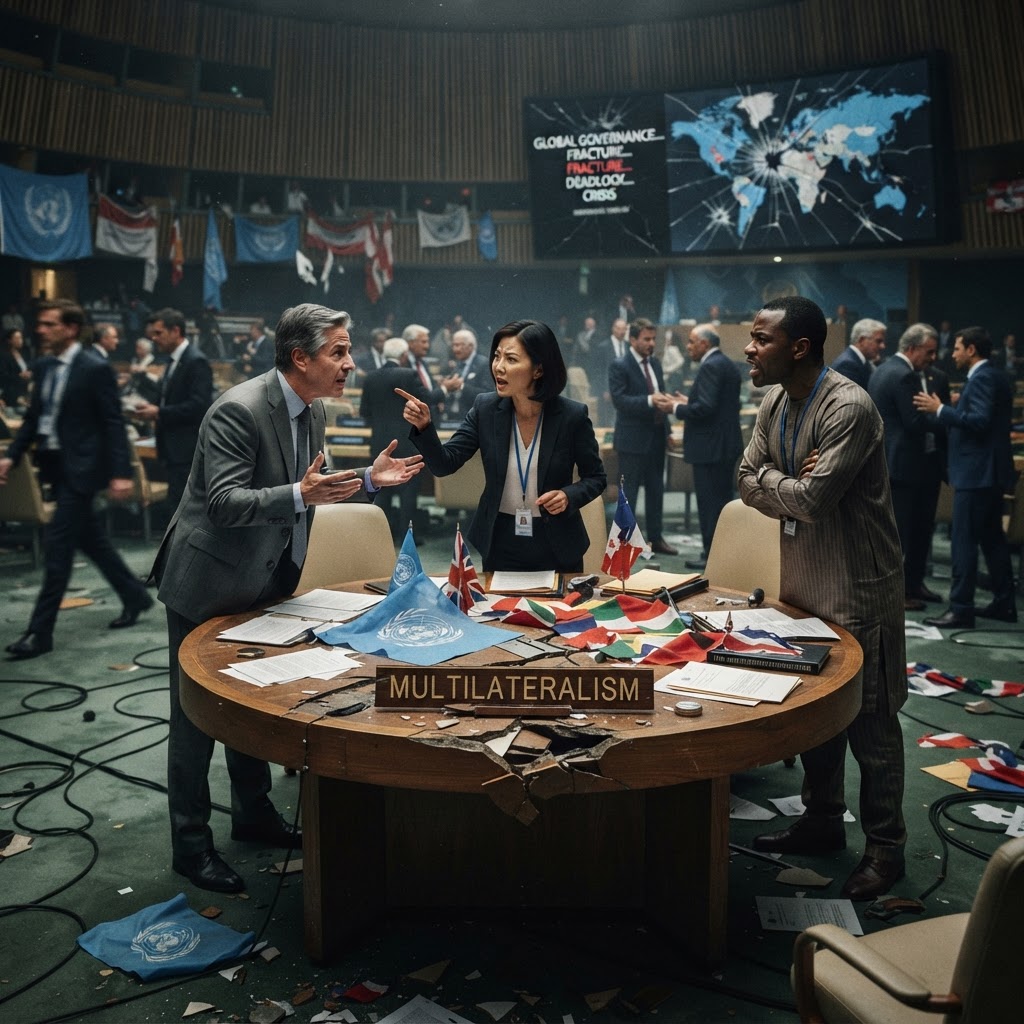
An Architecture Under Strain
The international system is experiencing a crisis of confidence that strikes at the core of post-war diplomacy. Across global editorial pages and foreign policy forums, commentators increasingly converge on a sobering reality: the structures designed to mediate interstate conflict and cultivate consensus are struggling under the weight of rising geopolitical rivalries and entrenched veto power. The dilemma is no longer just whether international bodies can resolve immediate crises, but whether they retain the moral authority and institutional relevance to govern a multipolar world.
Nowhere is this friction clearer than within the United Nations itself, where diplomatic observers and former officials warn that decisive international decisions remain held hostage by a handful of veto-wielding states. When the institutional process allows the narrow political preferences of permanent Security Council members to override the broader assembly of nations, sovereign equality ceases to function as a working reality. The struggle over leadership selection—long obscured behind closed doors—has brought renewed scrutiny to the systemic disenfranchisement of developing nations and underrepresented regions, highlighting an organization torn between traditional geopolitical hegemony and calls for democratic accountability.
The Retreat from Consensus and the Shadow of Hegemony
Beyond institutional corridors, editorial debates across major global publications point to an accelerating fragmentation of the international order. Pundits observing shifting alliances argue that the world is transitioning toward an uneasy 'leaderless' paradigm. As traditional Western guarantors reevaluate their foreign commitments and face profound internal political polarization, the assumptions that anchored global deterrence and treaty adherence are dissipating.
Commentators note that the breakdown of shared diplomatic norms creates volatile regional vacuums. In Eastern Europe, the Asia-Pacific, and the Middle East, bilateral leverage and coercive economic diplomacy have increasingly displaced collective bargaining. Rival powers frame Western-led norms as relics of an asymmetrical past, asserting their own visions of regional security and multilateral reform. This persistent confrontation has generated a geopolitical landscape defined not by mutual cooperation, but by defensive posturing and transactional alliances.
Domestic Polarization as Foreign Policy
Underpinning this global disarray is the fragile domestic landscape within leading democracies. Commentary across both mainstream media and independent analysis highlights how hyper-partisanship, electoral restructuring, and declining trust in fundamental constitutional safeguards directly undermine foreign policy coherence. When national leadership becomes consumed by domestic culture wars and administrative instability, foreign counterparts lose confidence in long-term commitments and bilateral assurances.
Surveys and civic analysis demonstrate that public skepticism is not limited to international treaties; it permeates domestic institutions, the press, and civil liberties. Citizens increasingly express wariness toward governance models perceived as distant or captured by entrenched interests. As democratic societies contend with deep partisan divisions and economic anxiety, the capacity to project steady, principled international leadership erodes from the inside out.
Reimagining Global Governance
The convergence of institutional paralysis abroad and political division at home poses a decisive question for the decade ahead: can multilateral mechanisms be salvaged, or must they be entirely rebuilt? Reform-minded analysts stress that mere incremental adjustments will prove insufficient to navigate an era marked by rapid technological change, climate vulnerability, and rearmament.
Restoring credibility will require meaningful structural evolution—such as decentralizing executive authority within multilateral bodies, strengthening the voice of the Global South, and prioritizing transparency over great-power veto politics. Without a concerted effort to adapt 20th-century institutions to 21st-century realities, the international community risks succumbing to an ungoverned sphere where strategic interest entirely supersedes law and collective security.
Recommended for you
Similar to “Global Governance”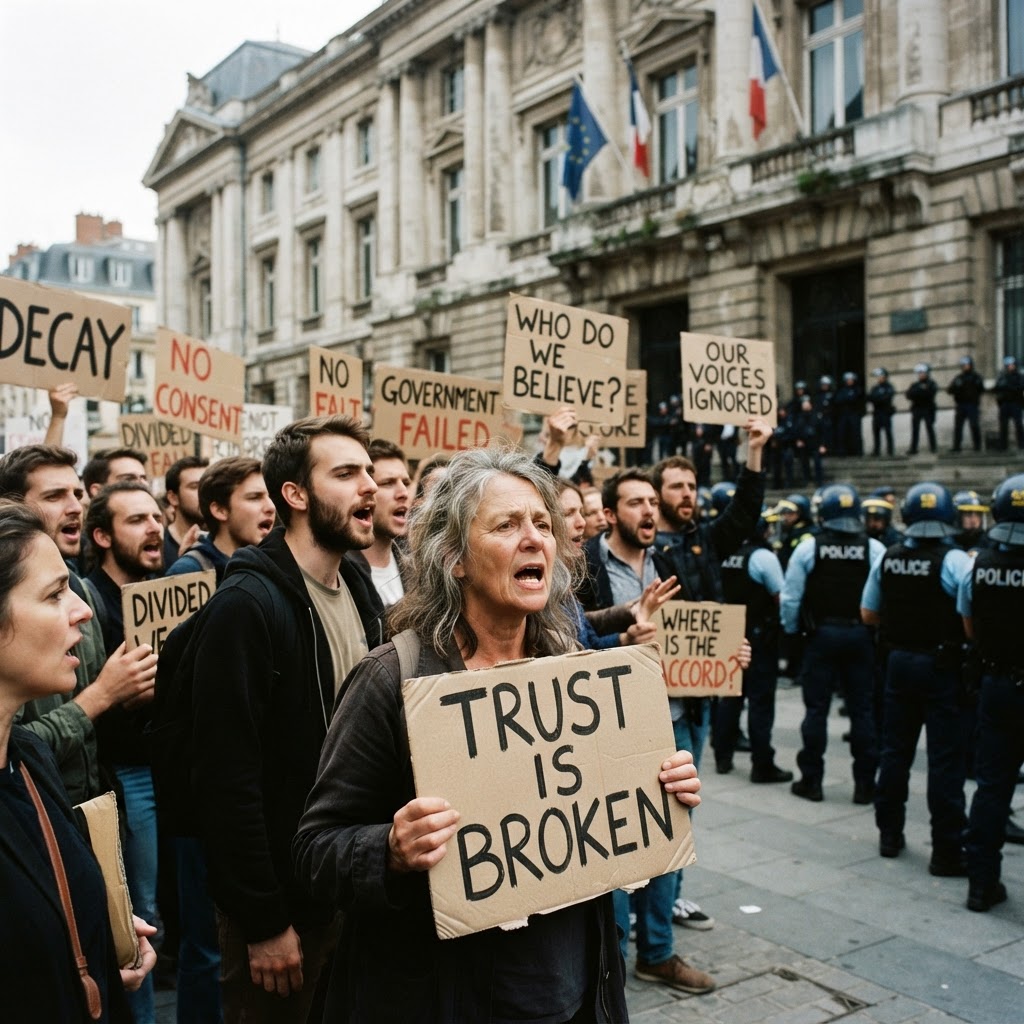
A Fractured Accord: Shifting Public Sentiments and the Erosion of Institutional Trust
Recent commentary and opinion research reveal an escalating crisis of confidence in public governance alongside deep re-evaluations of international alliances. As domestic institutions face plummeting approval, global opinion indicates an increasingly wary and fragmented populace.
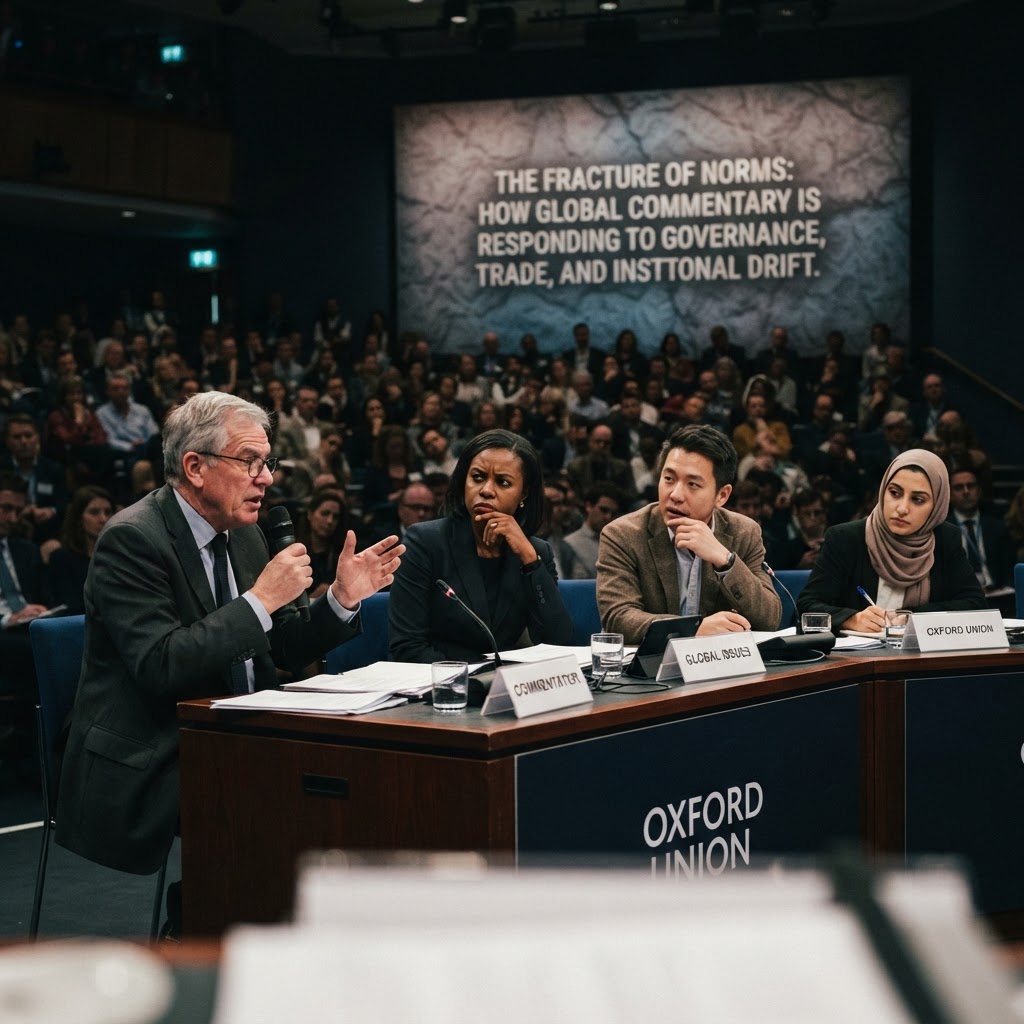
The Fracture of Norms: How Global Commentary Is Responding to Governance, Trade, and Institutional Drift
Around the world, recent editorial commentary highlights an intensifying pushback against erratic policymaking, administrative inertia, and democratic erosion. From debates over aggressive trade barriers in North America to environmental accountability in Eurasia, public commentators are demanding renewed institutional integrity.
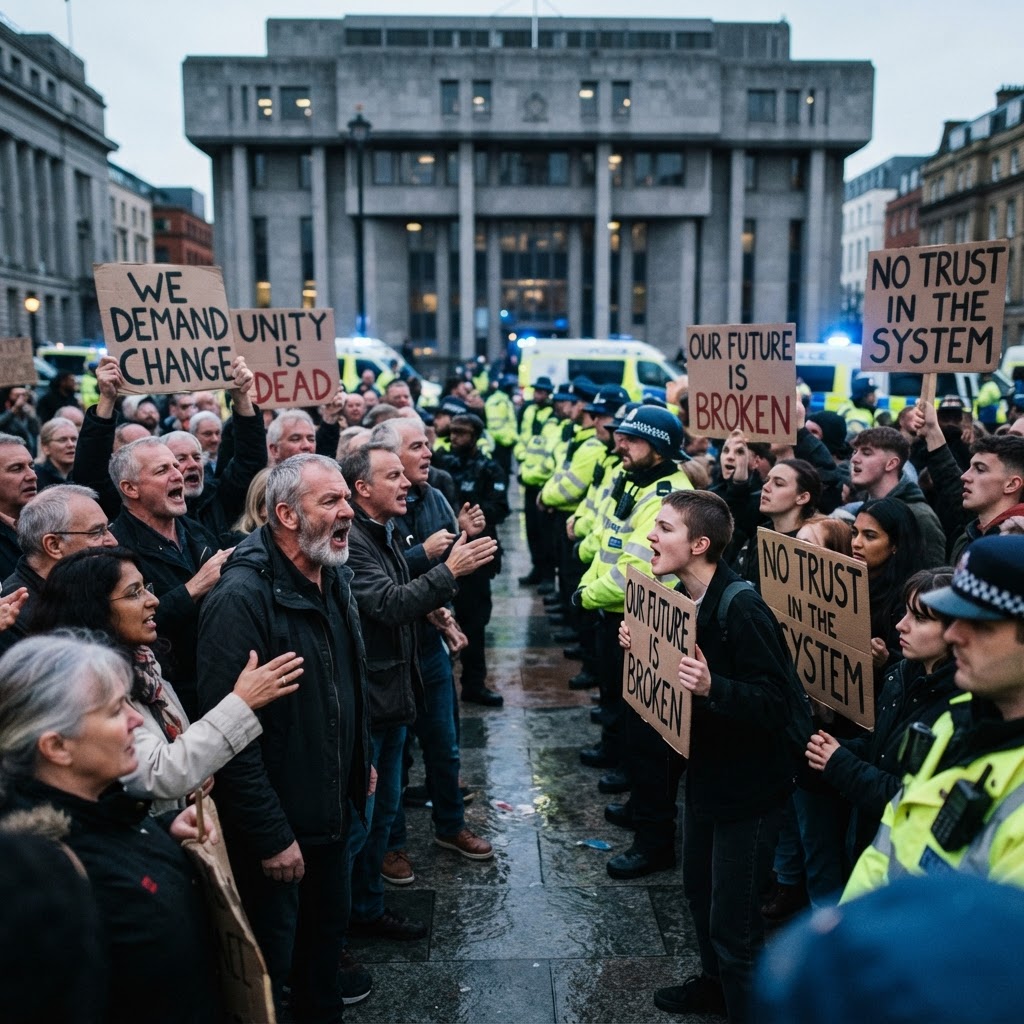
The Fracture of Consensus: How Sinking Confidence and Geopolitical Friction Are Reshaping Public Opinion
Across the globe, collapsing institutional trust and intensified geopolitical competition are transforming public sentiment, leaving citizens skeptical of leadership and weary of multilateral paralysis.