Ancient Relics, AI Scandals, and Historic Stages: How the Global Cultural Landscape Is Shifting
Recent headlines across archaeology, literature, and the performing arts illustrate how the global cultural sphere is negotiating the pull of antiquity and the disruptive force of modern technology.
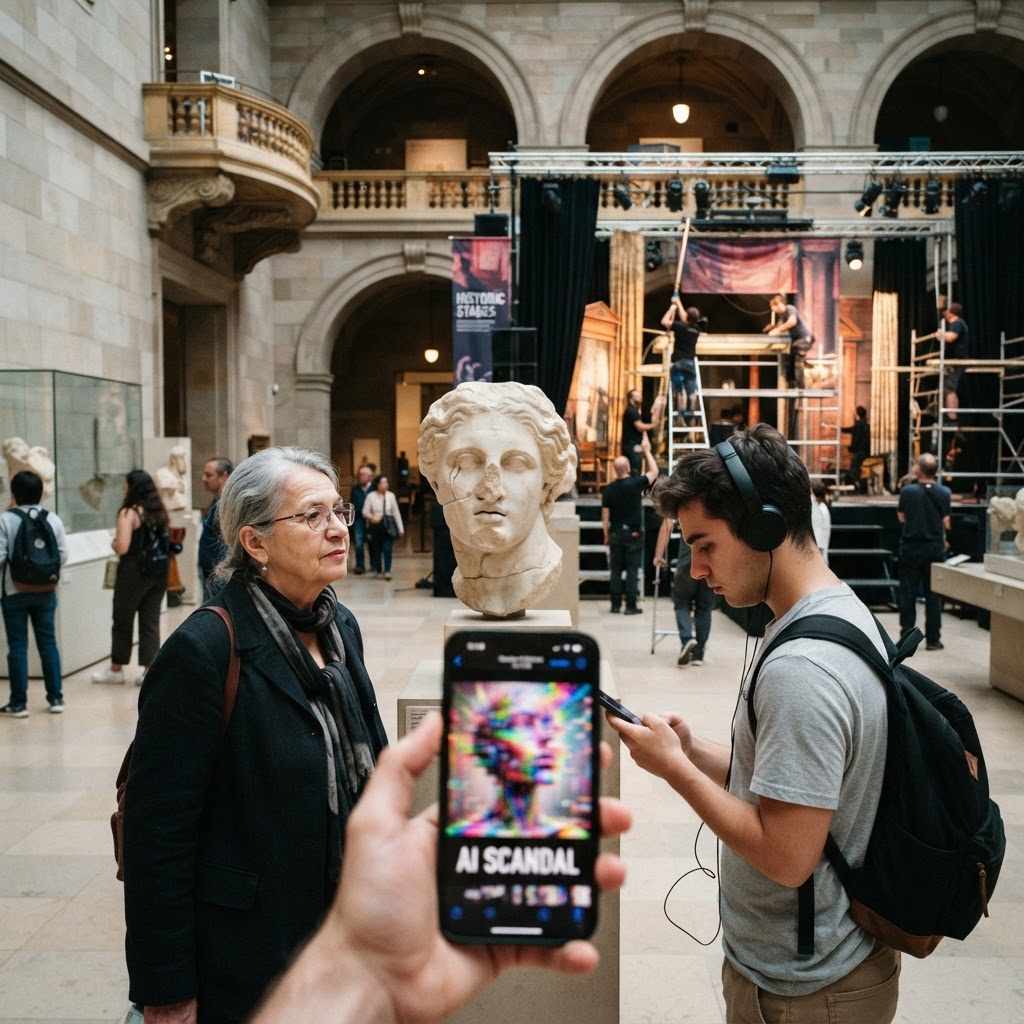
Unearthing the Intimate Past at Pompeii
Archaeological work in Italy continues to reshape our understanding of classical antiquity through domestic revelations rather than grand public monuments. Recent excavation efforts in the ancient city of Pompeii, within the residence identified as the home of Cornelius Maximus, have uncovered a remarkably preserved woman’s wardrobe. Rather than containing state regalia or official artifacts, the cache revealed intimate remnants of daily Roman life: delicate jewelry, personal adornments, and cosmetic tools. Discoveries like this offer scholars vital glimpses into ancient beauty rituals, domestic privacy, and the everyday experiences of Roman women prior to the catastrophic eruption of Mount Vesuvius.
Artificial Intelligence Shakes the Literary World
While archaeologists probe the material remnants of antiquity, modern creators find themselves wrestling with the ethical and creative upheavals wrought by emerging technology. In literary circles, an escalating scandal around the use of generative artificial intelligence has drawn international attention. The Quebecois author Thélyson Orélien faced scrutiny after his Canadian publishing house, Les Éditions du Boréal, acknowledged the role of AI tools in crafting his recent release. The controversy has ignited fiery debates across international literary institutions regarding authorship, authenticity, and transparency. As publishing houses and literary prize committees grapple with the implications, questions persist over whether regulatory guidelines or traditional critical standards can adapt fast enough to separate human imagination from algorithmic composition.
Historic Box Offices and Cross-Border Collaborations
In the performing arts, live theatrical and musical performances are defying modern digital fatigue with unprecedented audience momentum. In Portugal, an ambitious stage adaptation of 'Dead Poets Society' at Lisbon’s historic Teatro da Trindade achieved a milestone by selling out performances for eight consecutive months. The production’s endurance demonstrates the universal vitality of classical narratives examining intellectual freedom and mentorship.
Simultaneously, cross-cultural musical projects are demonstrating how choral traditions can bridge national divides. A recent collaborative production in Berlin united 38 students from Greece's Chios Music School alongside German choir counterparts, emphasizing shared European heritage through polyphony. These live initiatives reflect a broader grassroots appetite for organic, collective experiences amidst an increasingly screen-dominated media market.
Global Shifts in Language, Art Markets, and Patronage
Beyond traditional performance spaces, cultural diplomacy and linguistic interest are shifting rapidly on the international stage. Data presented by the Cervantes Institute highlighted a steep rise in Spanish-language enrollment across China, expanding by over twelve percent across recent academic cycles. The surge has triggered an acute shortage of qualified educators in major Chinese educational hubs, illustrating the growing soft-power resonance of the Hispanophone world.
Meanwhile, the visual arts community has been navigating both high-stakes marketplace transactions and strategic institutional patronages. In Paris, the prestigious Art Basel exhibition mounted an expansive showing of international galleries at the historic Grand Palais despite logistical challenges and elevated civic security measures. Concurrently, major luxury patrons are restructuring their philanthropic footprints: corporate foundations such as the Chanel Culture Fund have deepened alliances with public institutions—including Paris’s Centre Pompidou and London’s National Portrait Gallery—channeling resources toward radical, boundary-pushing creators who are shaping contemporary artistic discourse.
Preserving Identity at the Crossroads of Eras
Whether examining centuries-old vanity items recovered from volcanic ash or debating algorithms in prose, the contemporary cultural scene highlights humanity’s persistent drive to document its identity. As creative communities balance the commercial imperatives of massive art fairs, the challenges of technological automation, and the revival of enduring stage traditions, the arts remain a vital arena for examining what endures across centuries and what must evolve.
Recommended for you
Similar to “Culture & Arts”
Between Heritage and Innovation: How Global Culture Navigates Technological Disruption and Shifting Frontiers
From generative artificial intelligence scandals in literature to the diplomatic restitution of antiquities, recent events highlight a dynamic cultural landscape balancing heritage preservation with modern technology.
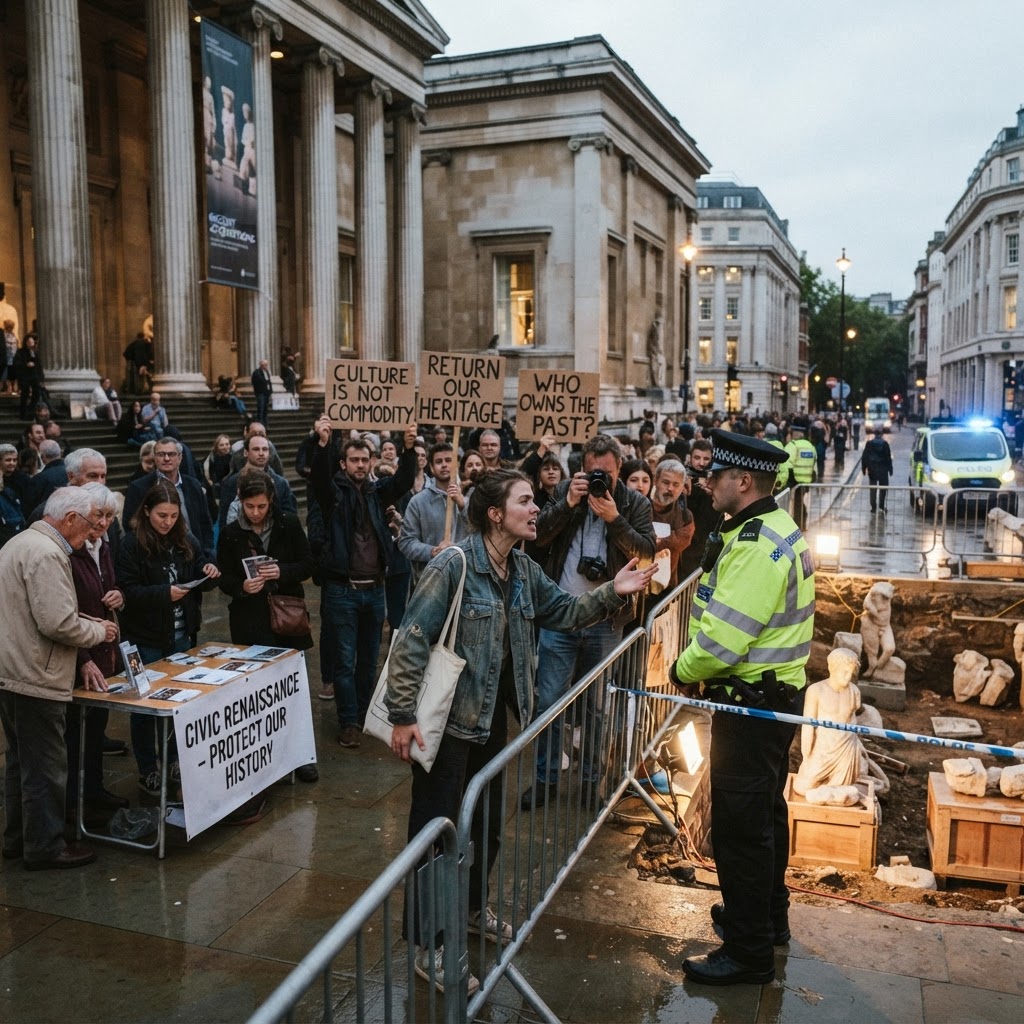
Ancient Relics, Modern Scandals, and Civic Renaissance: Global Culture at a Crossroads
Recent cultural developments across the globe highlight a vibrant tension between preserving deep heritage and grappling with modern technological and civic transformations.
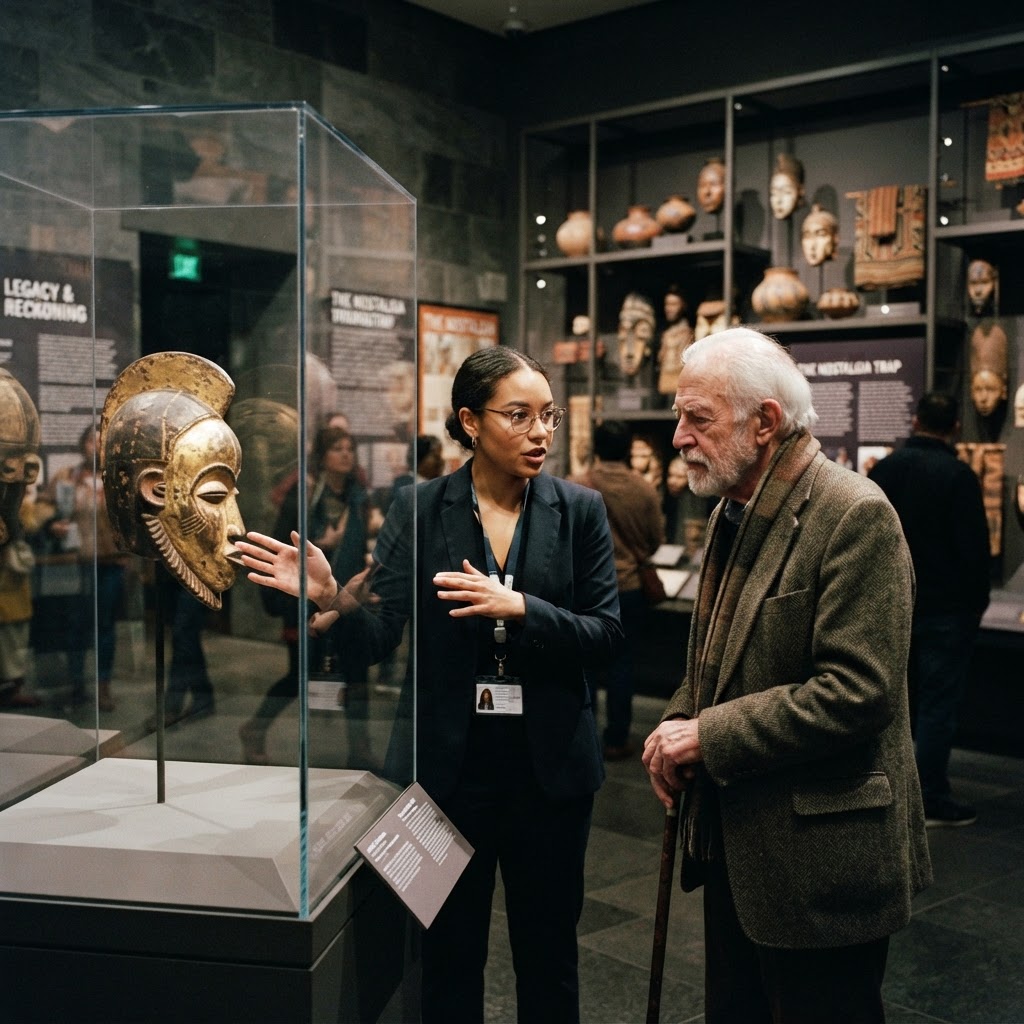
Global Culture at a Crossroads: Heritage Reckonings, Curatorial Ambition, and the Pull of Nostalgia
Recent developments across international museums, performing arts, and heritage policy highlight an era defined by institutional self-scrutiny, diasporic collaboration, and shifting cultural memory.