Global Politics in Flux: Midterm Scramble in the U.S., Latin American Reshuffling, and Escalating Pacific Tensions
Political landscapes are undergoing severe tests worldwide as the United States navigates high-stakes midterm campaigning and legal controversies, Latin America absorbs pivotal election outcomes, and Asia-Pacific powers grapple with heightened regional security posturing.
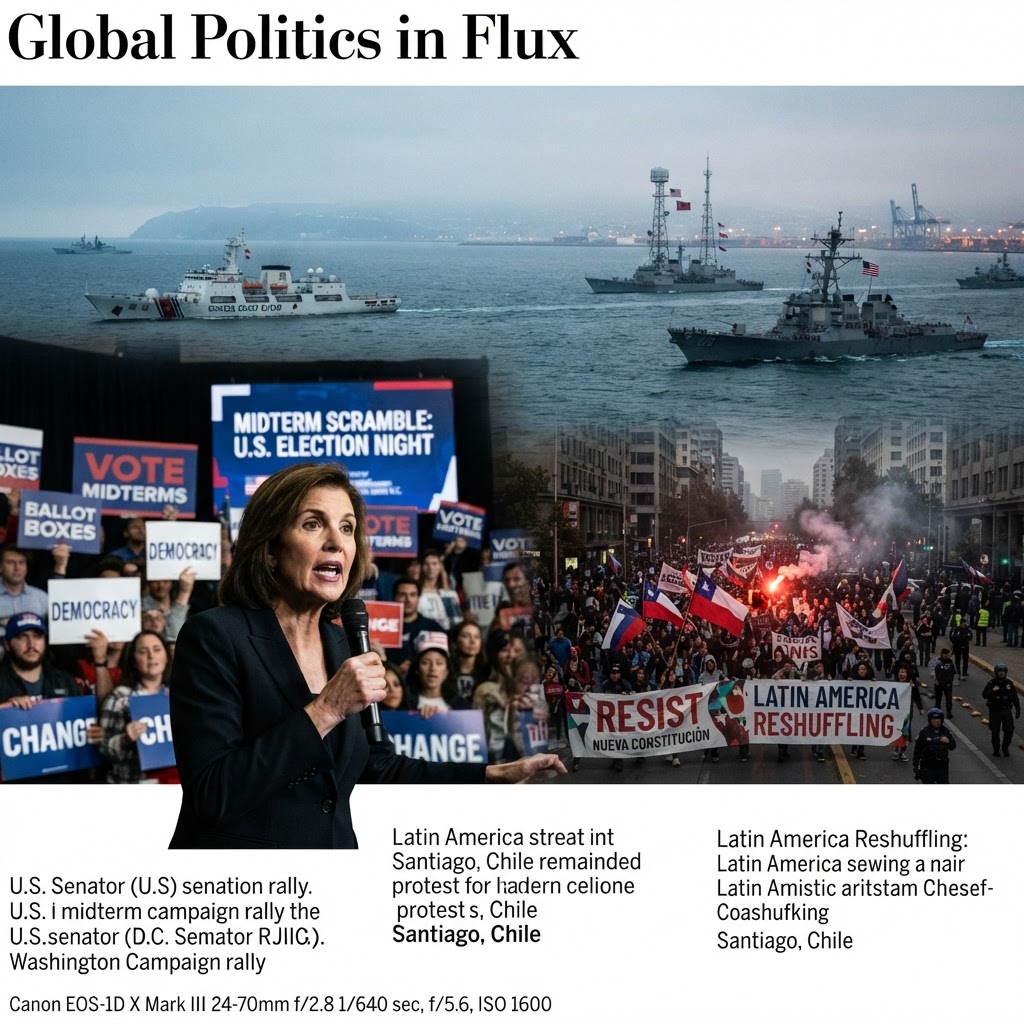
The Looming Midterms and Domestic Turmoil in the United States
As the final stretch of the election season arrives in the United States, campaigning has escalated into an aggressive, high-stakes sprint for control of Congress. Campaign stops across battleground states have highlighted stark tactical divisions, with key party leaders traversing the nation to secure decisive voter turnout. The intensity of the race has been amplified by razor-thin margins in congressional polling, turning localized ballot administration into major legal flashpoints. Court battles over voting regulations and federal oversight have emerged in several states, including Alaska, where federal prosecutors and state officials have clashed over ballot handling procedures, as noted in reports by Yahoo News.
Simultaneously, the political sphere has been buffeted by persistent ethical and institutional friction. Scrutiny mounted over lucrative private deals involving former public officials, highlighted by high-profile remarks from Donald Trump condemning a $50 million private contract awarded to former federal prosecutor and defense attorney Alina Habba Mildon while in office, according to Yahoo News Canada. Amid these domestic pressures, the administration’s foreign policy decisions continue to spark debate at home and abroad, notably surrounding the approval of significant weapons transfers, including major Patriot missile sales to Ukraine.
Shifting Alignments Across Latin America
Beyond North American domestic clashes, Latin America has witnessed extraordinary political reverberations following tight and contentious electoral contests. In Brazil, political veteran Luiz Inácio Lula da Silva secured a historic return to the presidency following a nail-biting presidential runoff, as reported by The Japan Times. While dominant factions within Jair Bolsonaro’s coalition acknowledged the outcome, hardline elements have mounted legal challenges and sought annulment of the vote, drawing pointed commentary from international observers and external political allies.
Nearby in Venezuela, the fragile domestic opposition faces its own strategic trials. Opposition figure María Corina Machado has returned to the country, attempting to walk a political tightrope between rallying grassroots domestic support and managing diplomatic relationships with foreign partners. The delicate dynamic underscores how deeply intertwined regional stability remains with external diplomatic ties, particularly as regional economies contend with inflation and migration challenges.
Deepening Maritime Standoffs in the Asia-Pacific
In East Asia, geopolitical focus has remained intensely locked on military posturing and security treaties. Taiwan’s national security officials sounded renewed alarms after monitoring nearly fifty Chinese vessels operating across critical regional waterways, including operations linked to the aircraft carrier Liaoning, as detailed by The Japan Times. Defense leaders across the region, including Australian military chiefs, have warned that sustained naval pressure in the South China Sea and the Taiwan Strait risks triggering unintended escalation.
Concurrently, diplomatic alliances in the area are reconfiguring. High-level interactions between North Korean leader Kim Jong Un and top Chinese officials have signaled an effort to bolster bilateral economic and logistical coordination, according to The Japan Times. In response, regional democracies are evaluating the strength of multilateral defense groupings and technological partnerships, particularly concerning artificial intelligence and semiconductor supply chains that underpin both commercial stability and modern national defense.
Global Multilateralism Strained by War and Resource Deficits
At international forums, the machinery of diplomacy faces compounding strain. Diplomatic meetings hosted by the United Nations and environmental bodies have exposed persistent shortfalls in translating policy commitments into tangible action. At the COP17 biodiversity summit, global negotiators struggled to bridge persistent funding gaps essential for safeguarding fragile ecosystems, according to reporting by Global Issues.
Simultaneously, humanitarian monitors have issued dire warnings over civilian casualty rates in ongoing armed conflicts worldwide, pointing to severe civilian displacement in the Middle East and protracted civil strife in Sudan. As international leadership contests proceed within the UN framework, geopolitical entanglements—from proxy conflicts to disputed military interventions—continue to test the credibility of multilateral institutions, leaving the international order navigating an era defined by fractured governance and intense rivalry.
Recommended for you
Similar to “World Politics”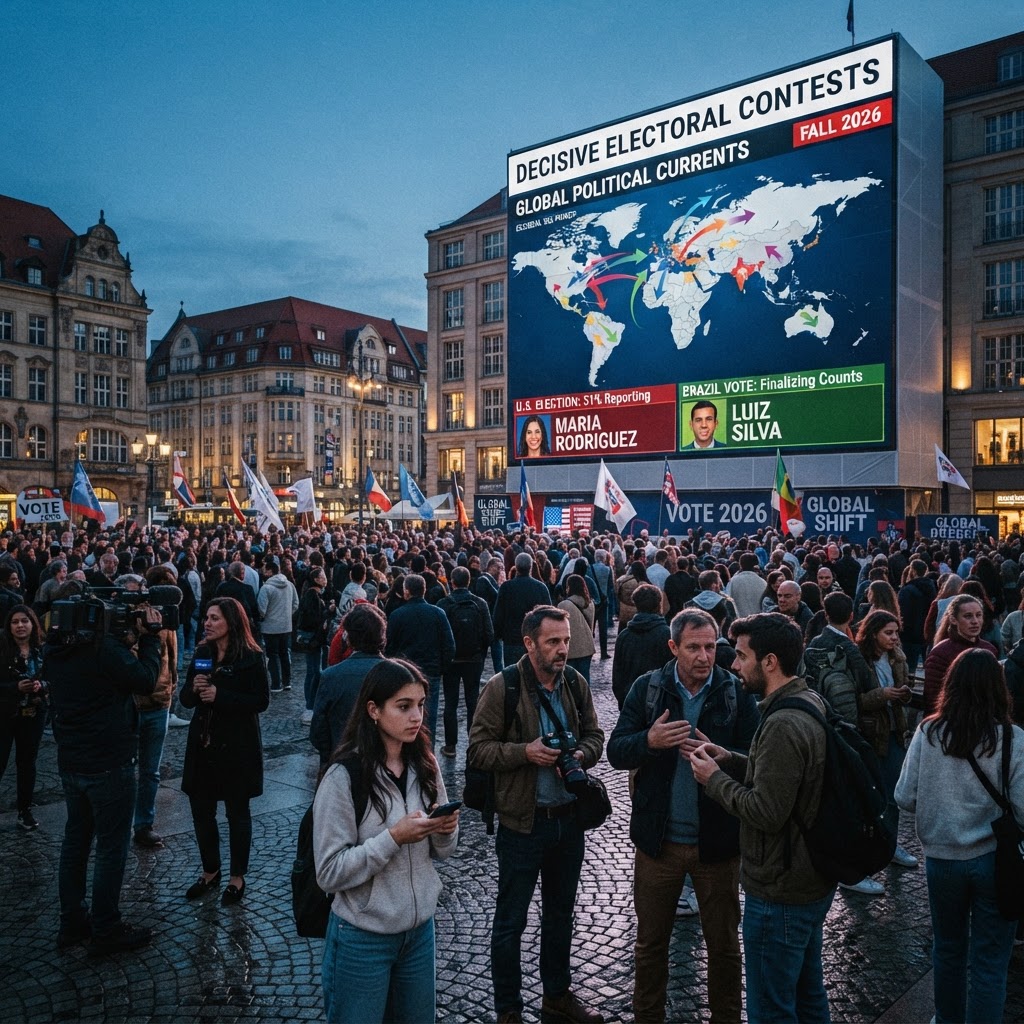
Global Political Currents: Decisive Electoral Contests and Shifting Power Dynamics Shape Fall 2026
From high-stakes electoral upsets across Latin America and Europe to mounting midterm campaign friction in the United States and Southeast Asian political rifts, global leadership enters a turbulent transitional phase.
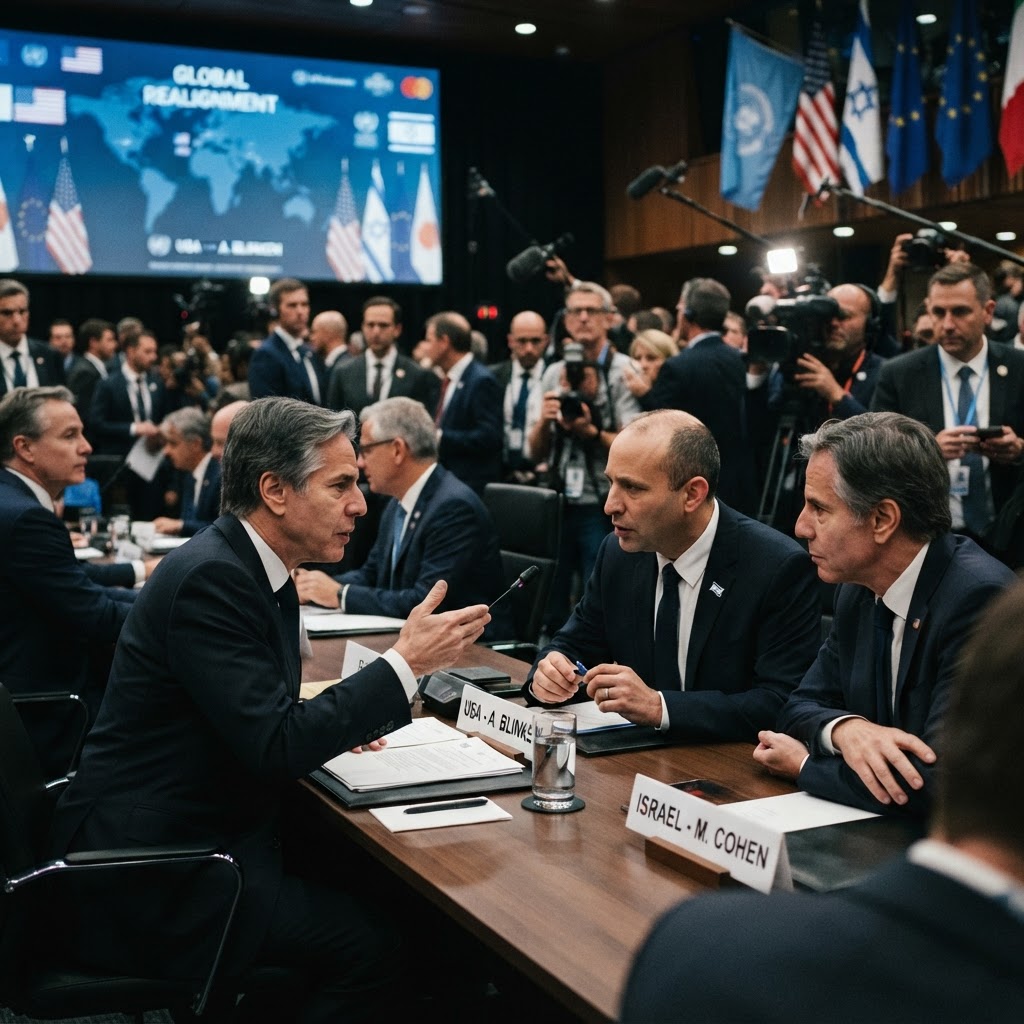
Global Political Realignment: Power Shifts Shake Washington, Jerusalem, and Diplomatic Arenas
Following high-stakes midterm elections in the United States and seismic parliamentary changes in Israel, world powers face dramatic political realignments alongside renewed peace diplomacy.
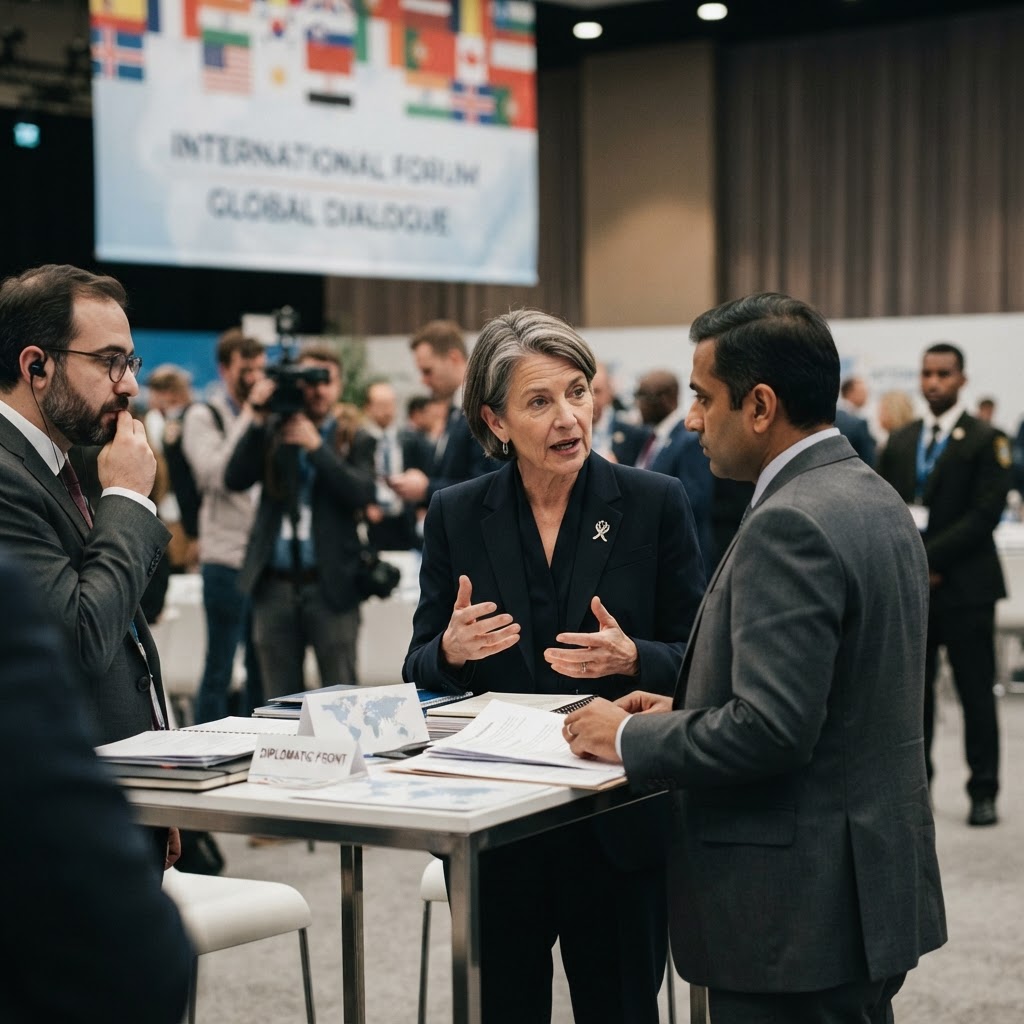
Global Political Realignment: U.S. Midterm Aftershocks, Regional Upheavals, and Shifting Diplomatic Fronts
Following decisive shifts in the U.S. midterm elections, domestic reshuffles in Washington are colliding with international tremors spanning Latin America, Europe, and the Asia-Pacific.