A Global Renaissance of Identity: How Arts, Heritage, and Urban Renewal Are Reshaping Contemporary Culture
From groundbreaking archaeological insights and bold urban arts precincts to multilateral commitments at the United Nations, global culture is undergoing a dramatic shift toward inclusivity, historical reclamation, and community renewal.
The Convergence of Heritage and Contemporary Vision
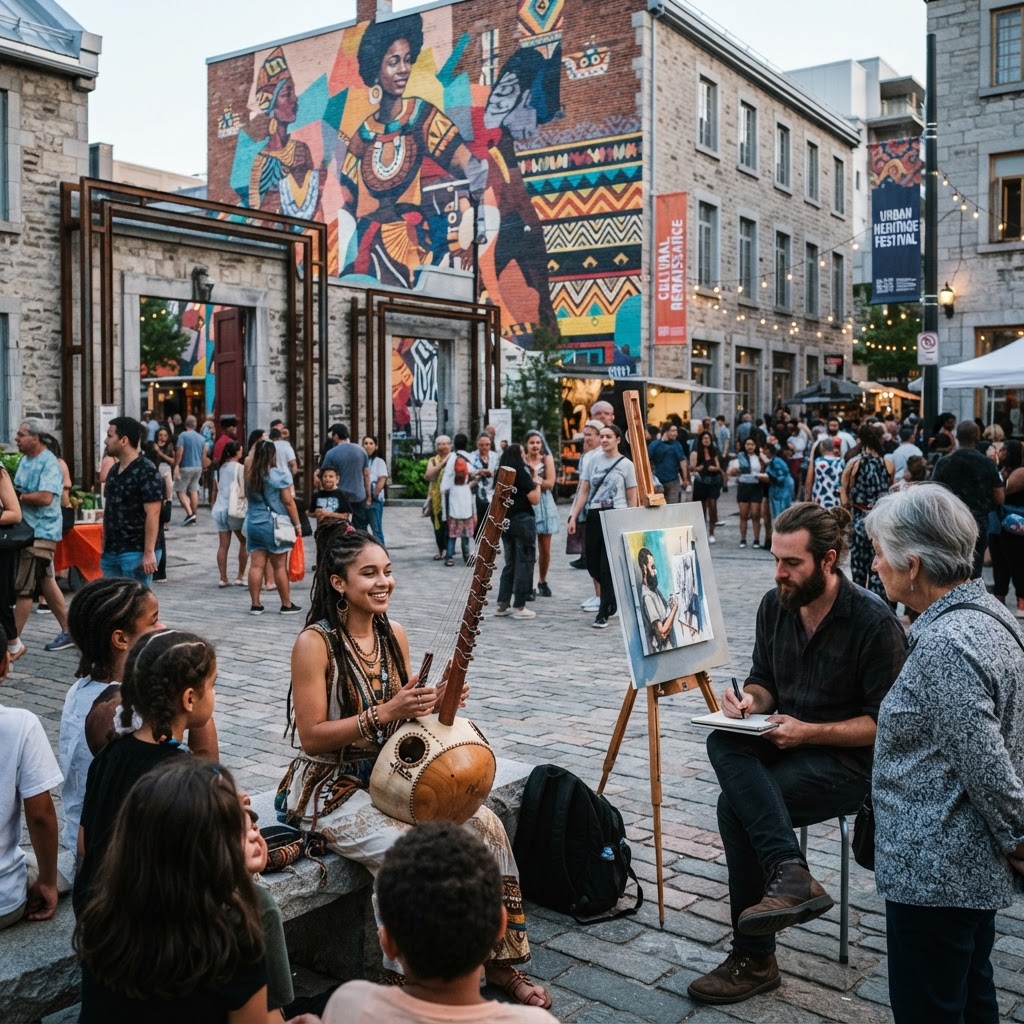
In recent months, the landscape of global culture has experienced an energetic realignment. Around the world, communities and international organizations are moving beyond traditional preservation to actively integrate arts, history, and creative expression into the heart of modern development. Rather than viewing cultural pursuits as secondary luxuries, institutions across continents are treating creative heritage as a dynamic catalyst for social renewal, economic resilience, and historical truth-telling.
Global Institutions Place Creativity at the Heart of Sustainability
A transformative turning point in international cultural policy emerged as the United Nations General Assembly officially designated the upcoming period from 2027 to 2036 as the International Decade of Culture for Sustainable Development. Spearheaded through initiatives coordinated with UNESCO and cross-regional member coalitions, the declaration formalizes what artists and urban planners have long asserted: cultural engagement and creative industries are fundamental pillars of enduring societal health. According to global data, creative and cultural sectors generate more than three percent of global GDP and account for tens of millions of livelihoods worldwide. By anchoring cultural diplomacy into multilateral sustainability goals, the international community is preparing to leverage indigenous traditions, performance arts, and heritage conservation to tackle broader humanitarian and climate challenges over the next decade.
Urban Reinvestment: Connecting Campuses and Cities
At the municipal level, this broader momentum is reflected in ambitious structural developments designed to bridge the historic divides between institutional knowledge and civic life. In Johannesburg, South Africa, Wits University recently announced the construction of a R341 million Cultural Precinct, partially supported by prominent alumni philanthropy. Situated within an established metropolitan arts corridor that includes the historic Market Theatre and the Constitutional Court, the complex is designed to revitalize the inner city through state-of-the-art exhibition venues, open performance spaces, and community enterprise hubs. Such initiatives demonstrate a wider movement across the Global South where arts investments serve not merely as decorative venues, but as functional infrastructure to revitalize urban centers, nurture local talent, and generate public dialogue.
Unearthing Hidden Narratives from Antiquity to Modernity
Simultaneously, scholarship and archaeological discoveries continue to disrupt long-standing assumptions about how history was shaped. Recent forensic studies examining the artisans behind ancient monuments—such as fresh analyses into the labor forces that sculpted China’s Terracotta Army—are challenging historical stereotypes regarding gender, age, and class in early creative production. Further west, in Pompeii, excavations at the residence of Cornelius Maximus have unearthed domestic artifacts and personal adornments that illuminate the daily routines, social mobility, and material tastes of Roman women with newfound intimacy. In modern art capitals, the restitution and reappraisal of landmark modern works, including the complex provenance histories of early modernist masters like Wassily Kandinsky, reflect an ongoing reckoning with cultural dispossession, ensuring that historical injustices are addressed openly in modern public galleries.
The Evolving Fabric of Creative Expression
Beyond structural investments and historical excavations, everyday culture is negotiating a fascinating intersection between vernacular traditions and the digital age. Language itself continues to evolve at record speed, evidenced by internet subcultures driving lexicon shifts that vocabulary institutes worldwide are scrambling to chronicle. Whether it is grassroots festivals revitalizing ancestral music and local crafts in Southeast Asia, experimental theaters in Lisbon shattering box office records with classical adaptations, or contemporary authors navigating the ethical dilemmas posed by artificial intelligence in modern storytelling, cultural practitioners are refusing to let creative life remain static. Together, these developments illustrate a vibrant, interconnected cultural moment: one that protects the sacred memory of the past while boldly engineering accessible spaces for the art of tomorrow.
Recommended for you
Similar to “Culture”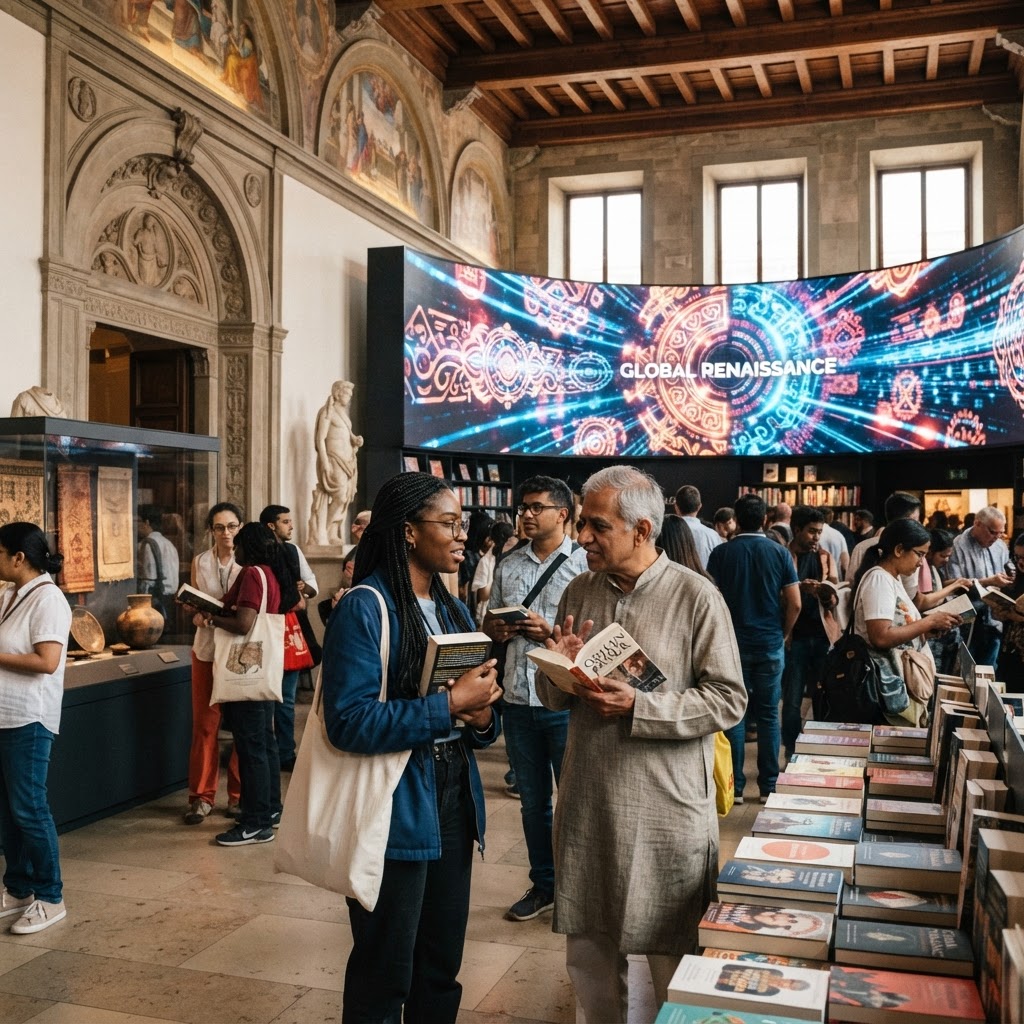
A Global Renaissance: How Heritage, Digital Spectacle, and Literary Exchanges Are Reshaping Contemporary Culture
From groundbreaking digital retrospectives and high-profile festival stages in Europe to expanding cross-cultural literature circuits in Frankfurt and the Gulf, global arts and culture are experiencing a dynamic reinvention.
A Fractured Renaissance: How Tech Incursions, Heritage Reclamations, and Live Touring Are Reshaping Global Culture
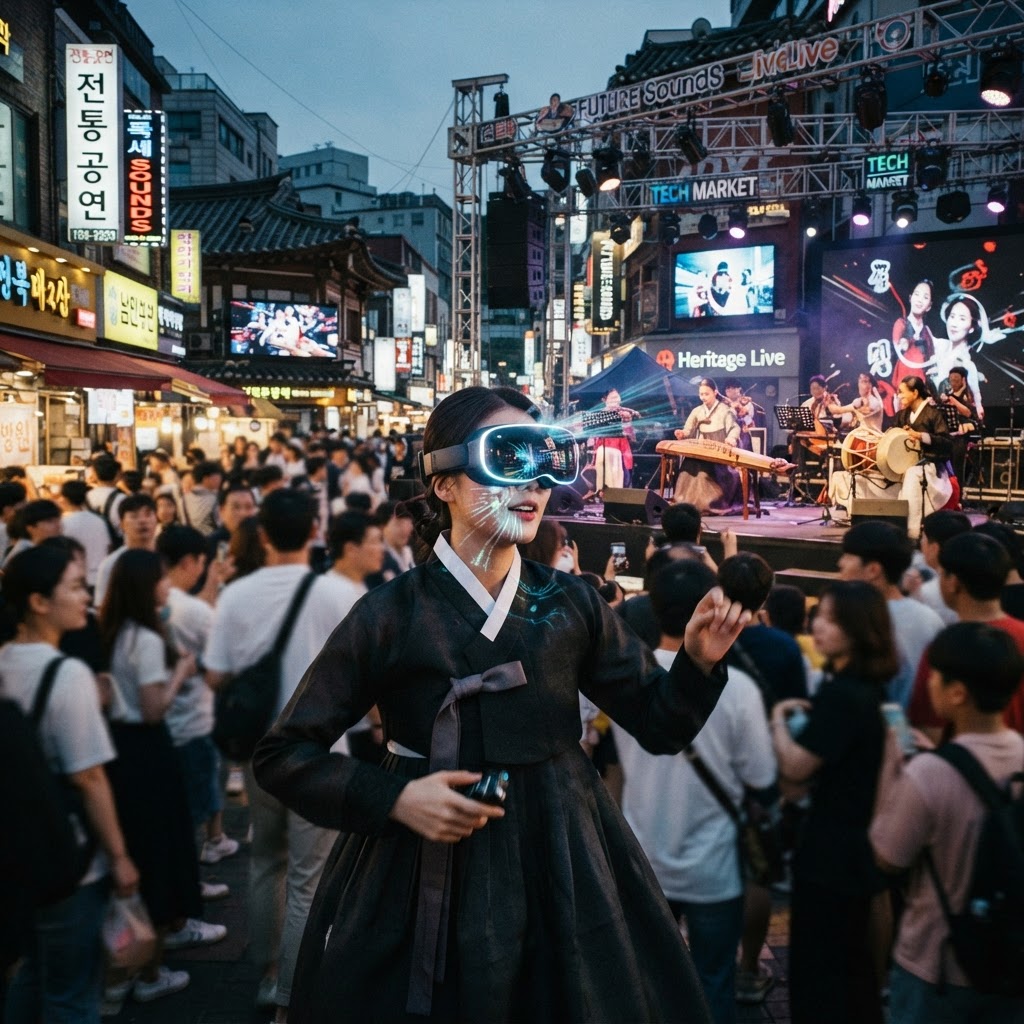
From high-stakes debates over artificial intelligence in literature and music to landmark diplomatic moves over ancient antiquities and shifting live-entertainment models, global culture is undergoing a dramatic realignment.
Living Heritage and Modern Anxieties: How Global Culture Navigates Preservation and the Digital Age
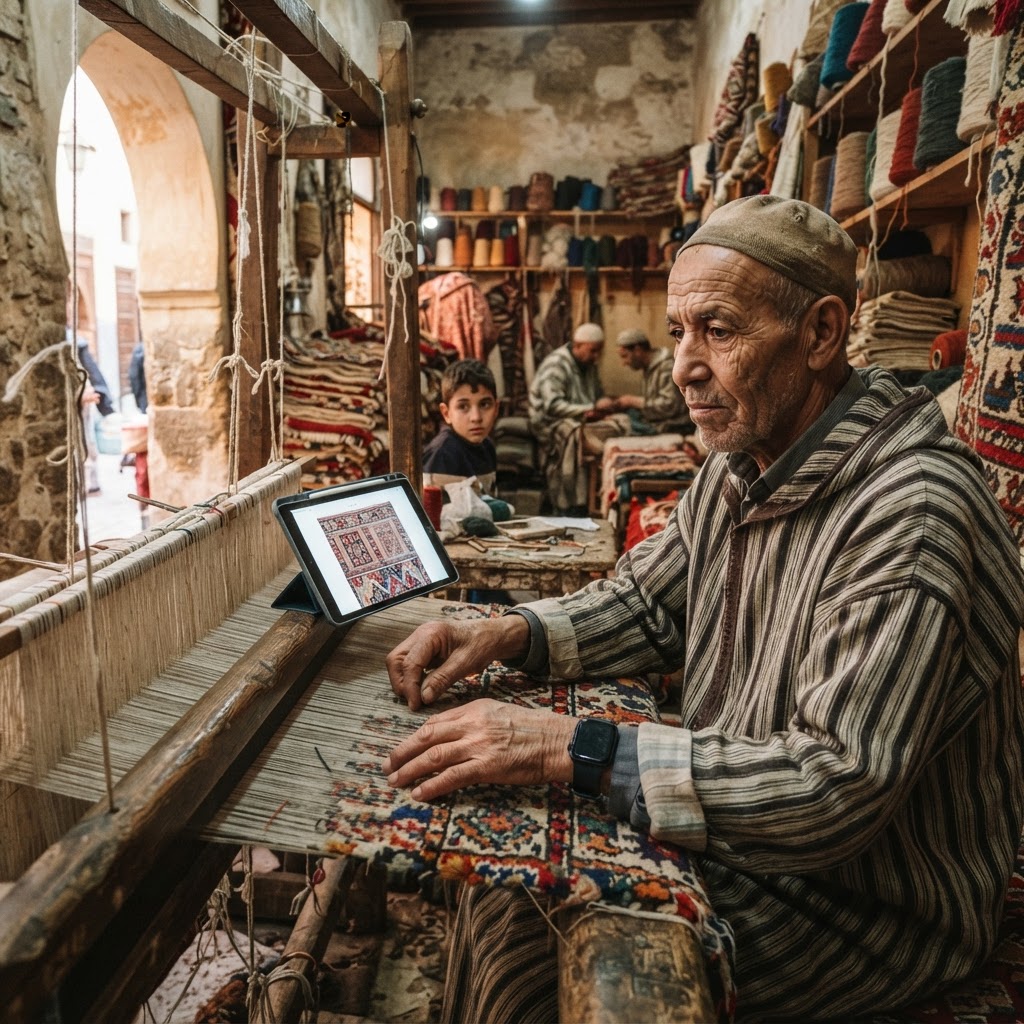
From historical discoveries and community investments to the psychological impact of digital ubiquity, cultural institutions and societies are reshaping how art, heritage, and identity endure.