A Fractured Landscape: How Shifting Policies and Escalating Climate Realities Are Redefining Global Environmental Action
As federal rollbacks stall climate directives in the United States, subnational jurisdictions, civil society coalitions, and international bodies are stepping into the breach to confront intensifying environmental risks.
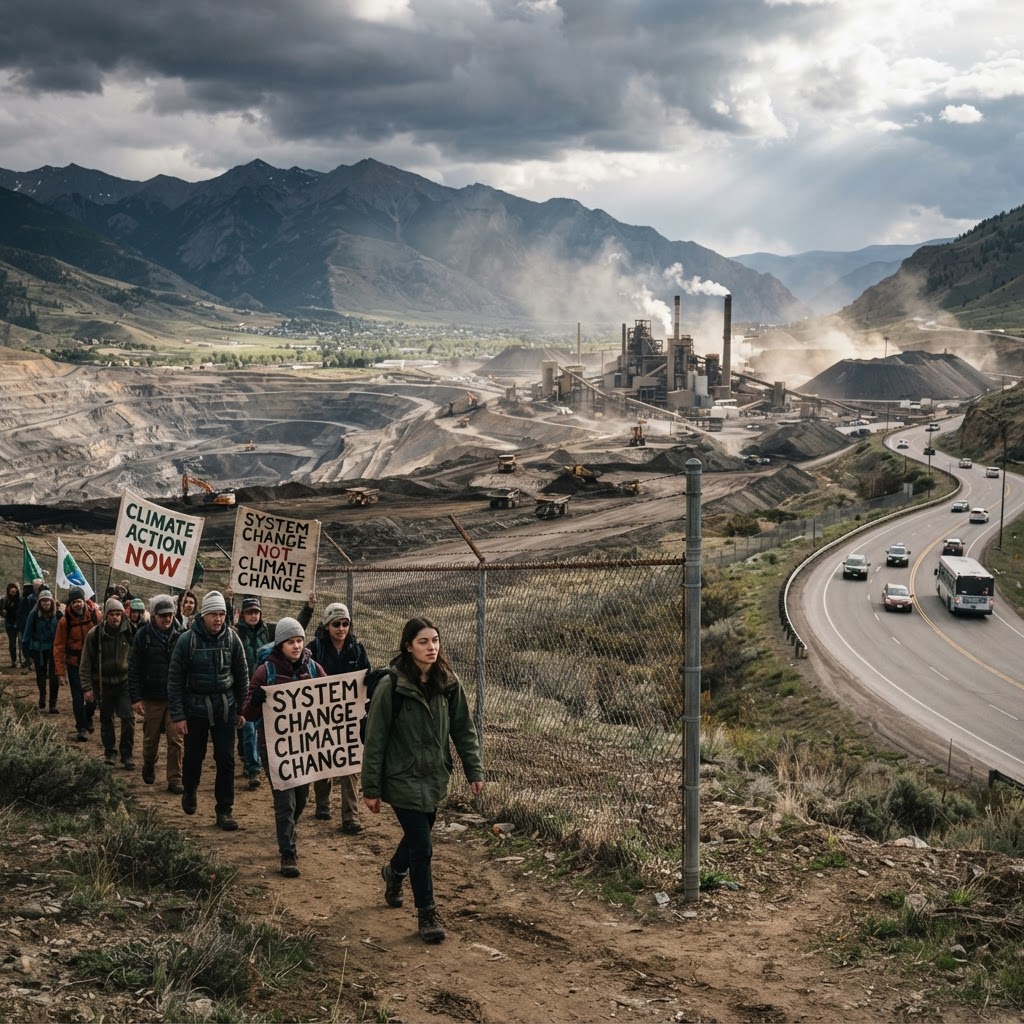
The Shifting Geography of Environmental Governance
Global environmental governance is entering a dramatically bifurcated era. At the international and national levels, coordinated efforts to curb emissions and protect ecosystems are facing significant political retrenchment, even as scientific warnings about extreme weather grow increasingly stark. Recent weeks have illuminated a stark contrast: while federal agencies in key industrialized nations scale back regulatory authority, regional jurisdictions and grassroots coalitions are mounting aggressive defenses to preserve environmental standards and advance clean energy transitions.
The Battle Over Permitting and Standards in the United States
Nowhere is this divergence more evident than in the United States, where federal climate mechanisms face systematic dismantling. Recent decisions by the Environmental Protection Agency to rescind established endangerment frameworks have dismantled crucial benchmarks, including multi-pollutant limits for passenger vehicles and greenhouse gas caps for heavy transport and power generating stations. At the same time, national permitting mandates have been revised to accelerate fossil fuel extraction under emergency declarations, prompting intense litigation from a coalition of public health watchdogs and environmental groups determined to uphold clean air protections.
Yet, state governments and subnational regulators are increasingly charting their own paths. Colorado recently made headlines by becoming the first state to independently codify comprehensive methane regulations matching the EPA's previously enacted benchmarks. By requiring instrument-guided leak detection and phasing out natural gas-venting equipment across energy operations—even low-producing sites responsible for an outsized portion of fugitive emissions—regional leaders demonstrated that oil and gas producing regions can sustain stringent emissions curbs regardless of federal rollbacks.
Simultaneously, the struggle over environmental oversight has shifted directly to ballot boxes and state legislative bodies. In California, intense public debate has centered on regulatory reform measures designed to streamline permitting for energy infrastructure, data centers, and major development. Proponents argue that curbing traditional reviews accelerates critical infrastructure modernization, while a vast coalition of labor, public health, and environmental justice groups warn that sidelining statutory review processes undermines community oversight and weakens long-standing environmental protections.
Litigation and Grassroots Resistance
Where administrative policy has retreated, the courts and civil society have increasingly become the primary arena of environmental enforcement. Federal judicial decisions in recent months have repeatedly intervened to compel regulatory bodies to fulfill their statutory obligations. In notable cases regarding environmental justice programs, judges have ordered agencies to release billions in frozen grants designed to support local air quality monitoring and pollution remediation in frontline communities historically burdened by industrial exposure.
Beyond national borders, civil society is also targeting corporate accountability and financial transparency. Across Africa and Europe, advocacy coalitions are leveling formal complaints against major financial institutions over allegations of greenwashing connected to major fossil fuel pipeline investments. With international summits such as COP31 on the horizon, developing economies are mounting coordinated demands to establish binding benchmarks that triple climate adaptation finance by 2035, underscoring that vulnerable communities cannot absorb the financial burdens of worsening heat waves and historic droughts alone.
Compounding Climate Impacts and the Urgency for Adaptation
The urgency behind these policy battles is reinforced by ongoing ecological shocks. Public health assessments, including the latest findings from international medical reviews, indicate that escalating global temperatures are placing unprecedented stress on the physical survival and mental health of vulnerable populations. Prolonged droughts and recurring severe flood events across multiple continents have highlighted how extreme climate disruptions leave deep economic and psychological footprints that extend years beyond the initial catastrophe.
Moreover, the scope of climate resilience is expanding far beyond simple emissions accounting. In North America, severe seasonal wildfires linked directly to anthropogenically driven fire-weather patterns have triggered widespread evacuations and forced regional authorities to channel unprecedented funding into proactive community defense. From retrofitting hydro-power generation facilities to deploying distributed clean energy microgrids, the objective is shifting toward building operational resilience before compounding disasters occur.
A Crossroads for Environmental Stewardship
The current developments across the environmental landscape illustrate an inescapable paradox. While scientific research warns of irreversible temperature thresholds and accelerating ecological instability, established regulatory frameworks are experiencing political fragmentation. The path forward is no longer being defined exclusively by top-down international consensus, but rather through a decentralized network of state-level statutes, aggressive legal challenges, and proactive adaptation initiatives. Whether these fragmented actions can maintain sufficient momentum to counter global ecological decline remains the central question facing communities worldwide.
Recommended for you
Similar to “Environment”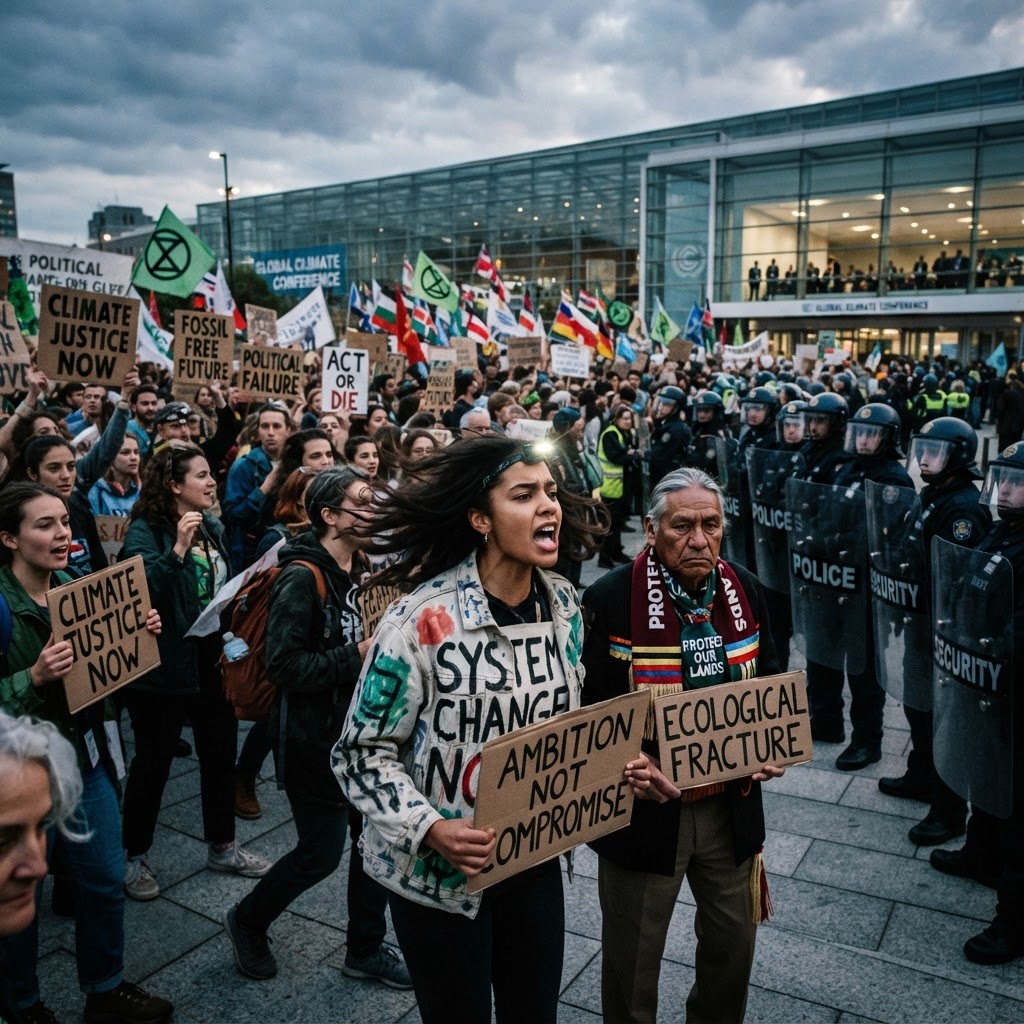
Between Ambition and Backlash: Global Climate Efforts Confront Deepening Political and Ecological Fractures
Even as scientific evidence highlights escalating climate risks and regional vulnerabilities, international policy and domestic environmental governance face mounting legal disputes and shifting political headwinds.
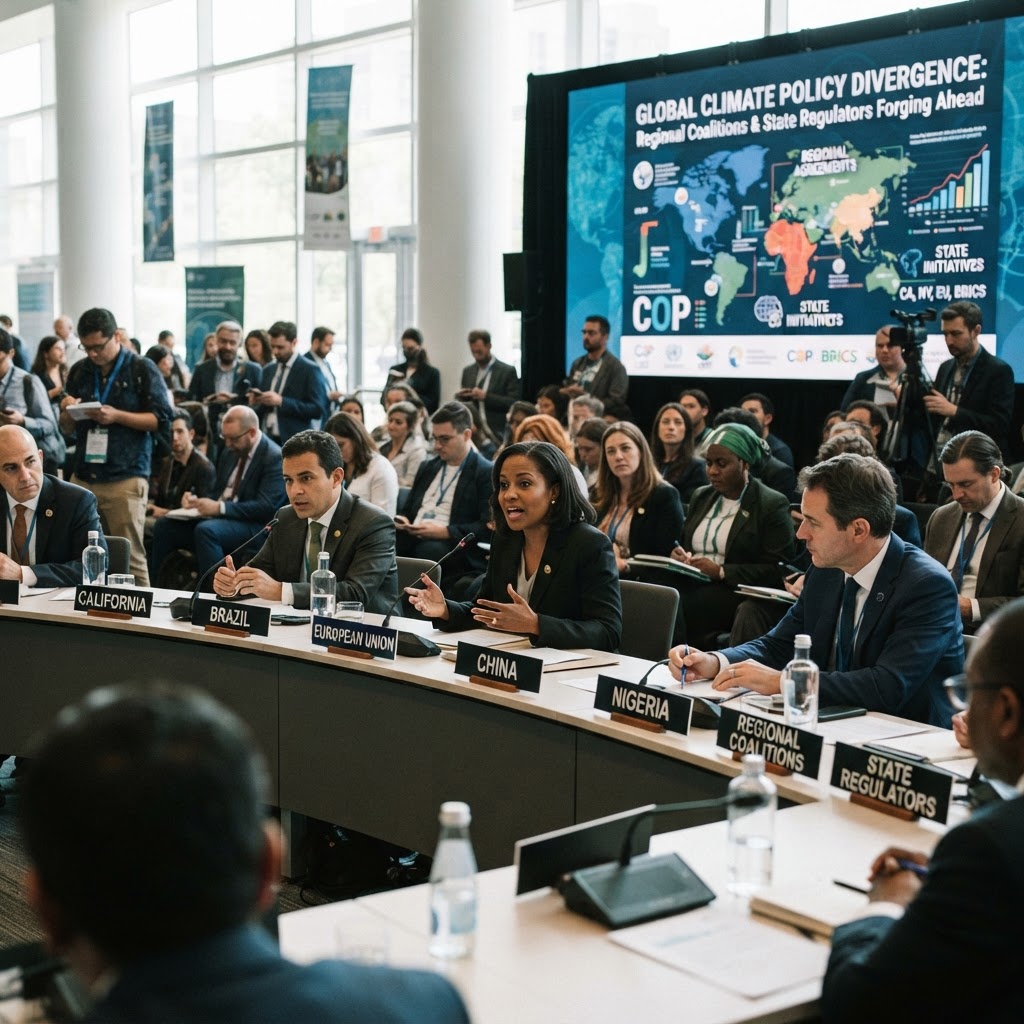
Global Climate Policy Diverges as Regional Coalitions and State Regulators Forge Ahead
While national rollbacks and fossil fuel deregulations face fierce court battles in the United States, subnational actors and developing nations are accelerating carbon architecture and biome protections worldwide.
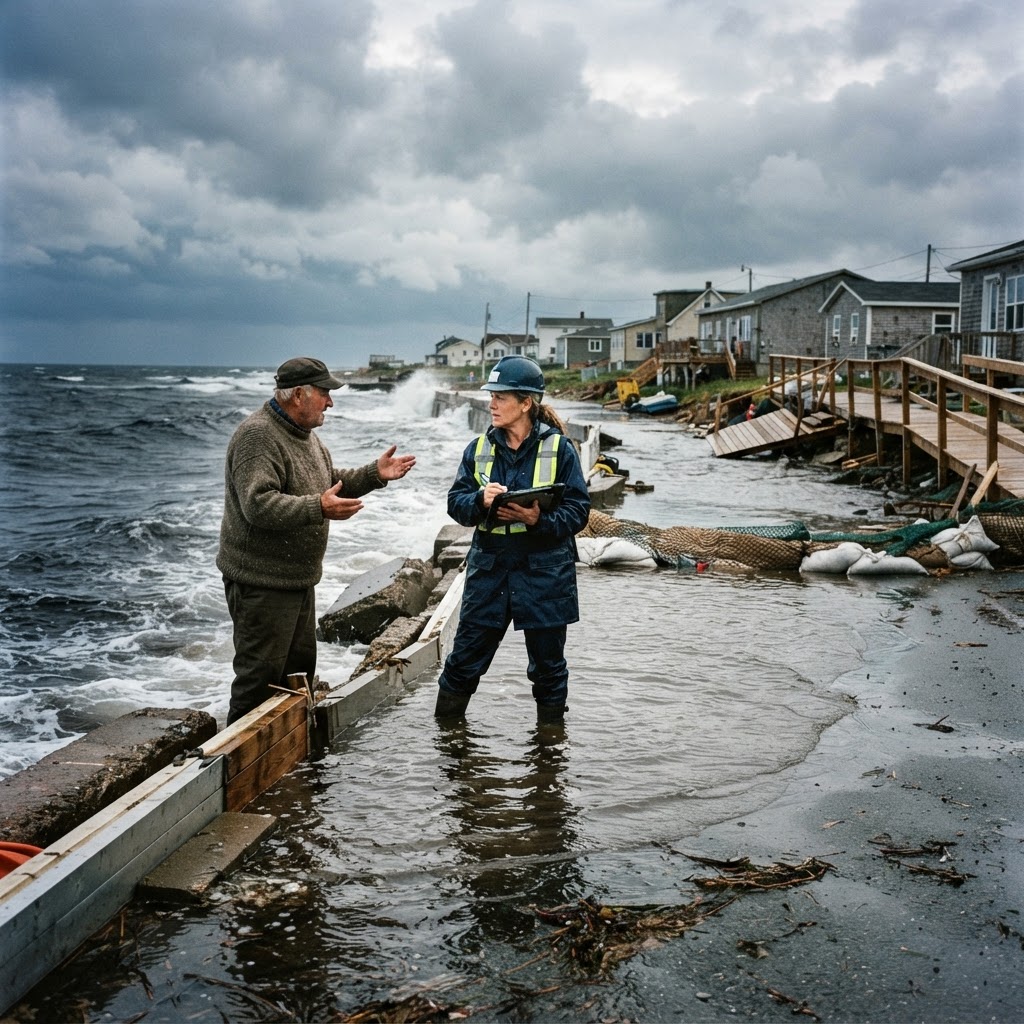
Adapting to the Edge: Escalating Climate Realities Confront Fiscal and Policy Frontiers
As global climate records tumble and vulnerable regions confront worsening disaster risks, international policymakers are racing to bridge mounting governance, adaptation, and financial gaps.