A Planetary Crossroad: Global Biodiversity Talks Collide With Escalating Climate Signals
As international delegates chart the new 'Yerevan Pathway' to rescue lagging 2030 biodiversity goals, newly released data highlighting record greenhouse gas concentrations and shifting marine currents underscore the mounting urgency of coordinated ecological action.

The Yerevan Accord and the Midterm Reckoning for Nature
Meeting at the halfway mark to the 2030 sustainable development timeline, representatives from over a hundred countries have finalized the 'Yerevan Pathway' at the international biodiversity negotiations in Armenia. The landmark framework aims to urgently revive worldwide commitments to ecological preservation after United Nations assessments revealed that fewer than half of national conservation milestones remain on track. The agreement seeks to mobilize direct conservation financing, expand marine and terrestrial protected areas, and rectify systemic implementation bottlenecks that have left species loss accelerating worldwide.
Island nations across the Pacific, alongside diverse indigenous contingents, took center stage in demanding robust accountability mechanisms. Representatives from small island developing states emphasized that biological conservation cannot be decoupled from oceanic health and adaptation financing. With global assessments pointing to a relentless erosion of habitats, the Yerevan roadmap establishes a targeted timeline for governments to align domestic statutory frameworks with multilateral biodiversity objectives before the decade closes.
Atmospheric Records and Oceanographic Nuances
The policy negotiations coincide with an alarming drumbeat of scientific observations. Atmospheric monitoring from the World Meteorological Organization indicates that concentrations of carbon dioxide and other primary greenhouse gases reached unprecedented global peaks, locking in thermal momentum that will shape climate realities for centuries. A joint international health assessment highlighted that extreme temperature anomalies claimed more than 700,000 lives over recent heat seasons, with over seventy percent of the fatalities directly linked to anthropogenic climate disruption.
Meanwhile, ocean scientists are uncovering intricate shifts within planetary circulatory engines. Emerging studies focusing on the Southern Ocean reveal its indispensable yet vulnerable role in driving global marine nutrient redistribution, connecting remote sub-polar seas with equatorial food webs. In the northern hemisphere, updated analyses of the North Atlantic subpolar gyre—often dubbed the 'cold blob'—suggest that regional marine currents are responding to complex meltwater dynamics and localized atmospheric shifts, complicating classical models of oceanic circulation decline and demanding far more granular maritime monitoring.
Policy Fractures and Regional Divergence
Despite unified scientific warnings, domestic environmental governance remains intensely fragmented. In North America, legal battles continue to escalate as civil society groups mount challenges against federal rollbacks targeting power sector emissions standards and environmental impact review timelines under the National Environmental Policy Act. Conversely, subnational jurisdictions are choosing to forge ahead independently; energy-producing states like Colorado have enacted sweeping, instrument-based leak detection regulations that mandate strict controls on methane emissions across low-producing well sites, demonstrating that local mandates can outpace national deregulatory trends.
Across the Atlantic, European environmental institutions continue to advance legislative overhauls concerning wastewater treatment, circular economy mandates, and industrial emissions. International policy scorecards reveal wide disparities between regions actively codifying dynamic environmental alignments and those loosening administrative standards. Experts caution that without standardized cross-border enforcement, corporate transparency deficits—particularly surrounding the surging energy and water consumption of expanding artificial intelligence infrastructure and data facilities—threaten to quietly erode regional decarbonization gains.
Closing the Chasm Between Pledges and Practice
As the latest round of diplomatic accords concludes, the global environmental community faces a stark implementation gap. Scientific consensus increasingly warns that passive target-setting without binding enforcement and systemic capital reallocation will fall short of preventing ecological tipping points. Whether through community-led coastal stewardship in the Pacific, rigorous methane surveillance from orbit, or judicial defenses of clean air mandates, the coming years will test whether international frameworks can successfully translate into measurable preservation on the ground.
Recommended for you
Similar to “Environment”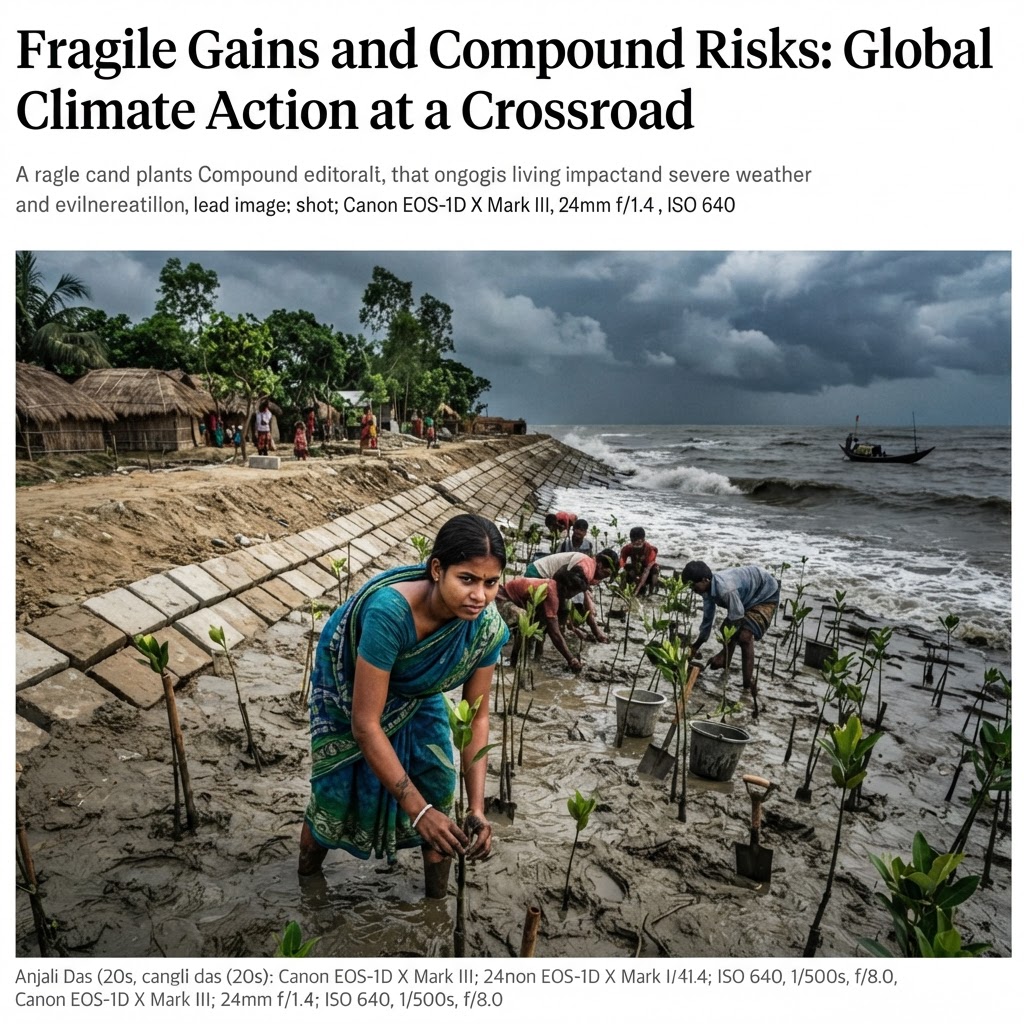
Fragile Gains and Compound Risks: Global Climate Action at a Crossroad
Recent data reveals an unexpected slight dip in fossil fuel emissions, yet escalating extreme weather disasters, adaptation funding deficits, and surging industry influence underscore a precarious moment for global climate diplomacy.
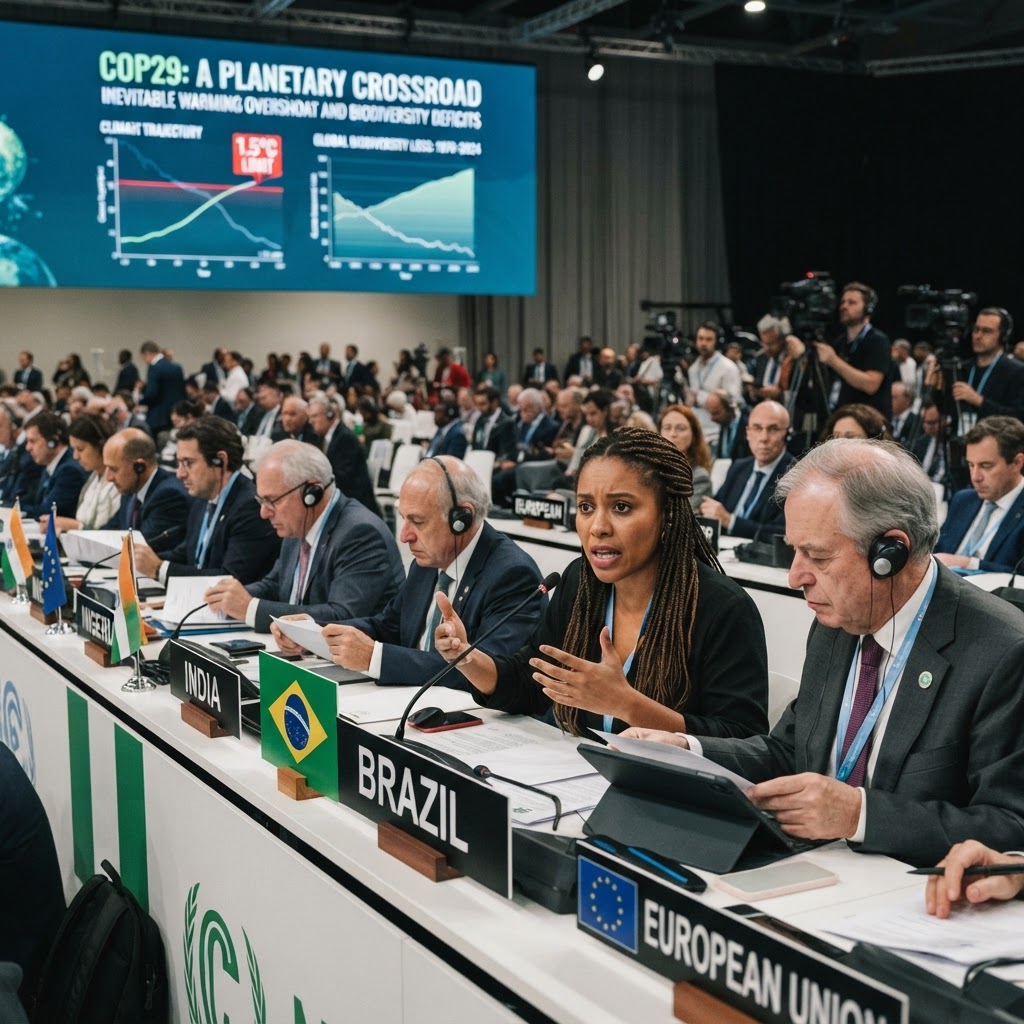
A Planetary Crossroad: Global Climate Talks Confront Inevitable Warming Overshoot and Biodiversity Deficits
As negotiators assemble in Antalya for COP31 amid warnings that a temporary breach of the 1.5°C threshold is now unavoidable, new findings reveal deepening pressures on ecosystems, climate financing deficits, and urban vulnerability.
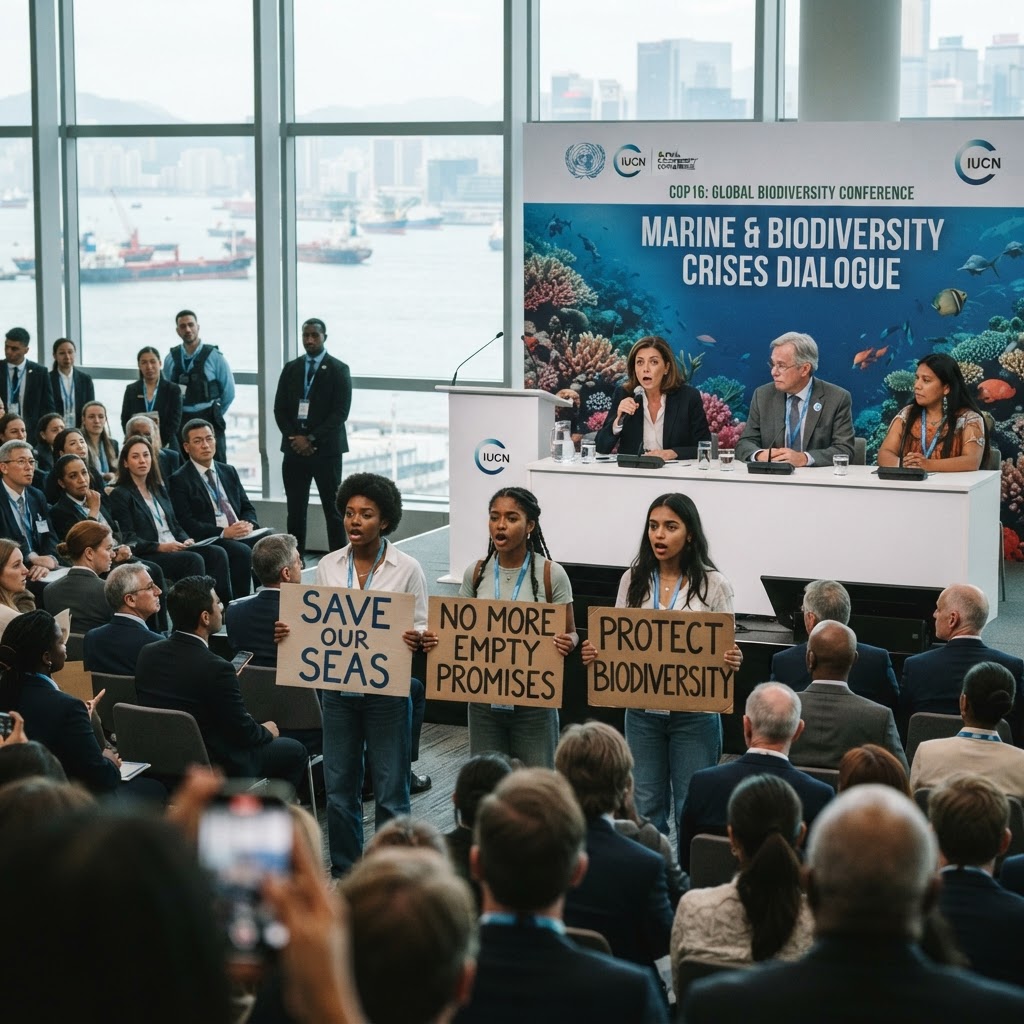
Diplomacy Meets Disruption: Global Summits Confront Deepening Marine and Biodiversity Crises
As negotiators at COP17 in Yerevan advance new frameworks to protect natural habitats, emerging oceanographic findings and lingering financing deficits highlight the escalating scale of planetary disruption.