Creative Sovereignty and Global Reach: How Nations and Artists Are Redefining Cultural Power
From institutional policy debates in the Caribbean and East Asia to international diplomacy initiatives, cultural expression is increasingly recognized as both an economic engine and a strategic instrument of global influence.
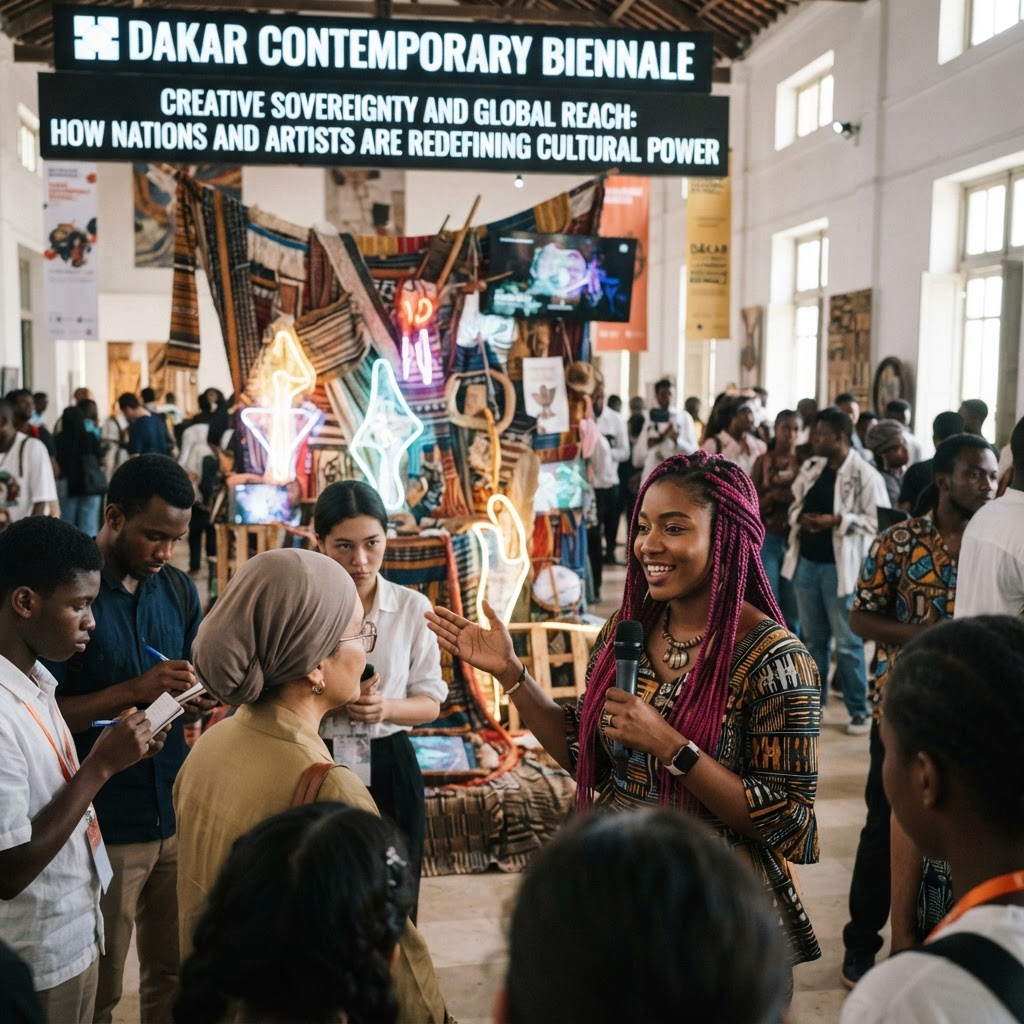
The Paradigm Shift in Cultural Diplomacy and Sustainable Policy
In recent years, the intersection of art, national identity, and public policy has moved from the periphery of international dialogue directly to center stage. Global multilateral bodies and sovereign states are re-evaluating cultural industries not merely as artistic pursuits, but as key components of sustainable economic architecture and soft-power diplomacy. The United Nations General Assembly highlighted this evolution by formally designating the coming period as an international decade dedicated to harnessing culture for sustainable progress, underscoring that creative sectors contribute roughly 3.4% of global gross domestic product and employ tens of millions worldwide, as documented by UNESCO.
This shift from ornamental support to structured economic integration is reshaping domestic governance globally. In Kingston, parliamentary deliberations regarding a comprehensive 10-year framework for culture, entertainment, and the creative economy have centered on the concept of 'mondialization'—the process by which hyper-local cultural traditions achieve profound global reach. International representatives advising Caribbean policymakers have stressed the need to safeguard intellectual property, modernize financial structures, and ensure that indigenous creators retain the primary economic value of their creative output, particularly in an era increasingly disrupted by generative technologies and artificial intelligence, according to UNESCO Kingston.
The Dual Pressures of the Korean Wave: Export Power versus Platform Dependence
Nowhere is the state-backed mobilization of cultural capital more pronounced than in South Korea, where the creative industries have long been treated with the same strategic priority once reserved for electronics and manufacturing. Significant budgetary expansion by the Ministry of Culture has accompanied massive worldwide live tours, demonstrating the sustained global appetite for contemporary East Asian entertainment, as noted in analyses by The Diplomatic Insight and news coverage from Yonhap News Agency.
However, analysts note that such massive outward expansion creates unique vulnerabilities. Domestic shifts in physical media consumption, plateauing theatrical film revenues, and heavy reliance on multinational distribution platforms have raised questions regarding creative sovereignty. When foreign streaming entities and outside distributors control access to global audiences and own underlying intellectual property, the margins captured by local creators diminish. Navigating this delicate balance between global reach and local ownership has become the primary challenge for nations seeking to replicate Seoul’s cultural export model.
Institutional Innovation and Grassroots Stewardship
Parallel to large-scale governmental initiatives, grassroots cultural stewards and private patrons are pioneering new models to empower creators facing systemic shifts. In Europe and Asia, independent arts organizations and philanthropic funds are targeting underrepresented voices and funding fellowships to catalyze experimental artistic formats. Major luxury patrons and traditional museums are reimagining long-term cultural endowments to support pathbreaking artists addressing complex modern realities, reported by sources such as London Daily.
Simultaneously, regional communities continue to demonstrate that heritage preservation remains deeply local. In South Africa, community festivals and historic neighborhood celebrations continue to balance tradition with modernity, utilizing heritage events and digital broadcasts to sustain ancestral practices, according to reporting by Independent Online. Meanwhile, multilateral civic dialogues in cultural capitals such as Milan have convened civic leaders, musicians, and institutions to explore how music and performance can directly defuse geopolitical tensions and facilitate intercultural dialogue, as detailed by the European Committee of the Regions.
The Emerging Frontier: Artificial Intelligence and Cultural Autonomy
As cultural ecosystems look toward the next decade, technological transformation looms as the definitive frontier. The growing practice of ingesting regional art, vernacular languages, and unique musical forms to train commercial artificial intelligence algorithms without direct consent or fair compensation poses fundamental challenges to artists across developing and developed economies alike. For international policy bodies and grassroots creators, the central task is no longer just encouraging artistic production, but constructing legal and infrastructural frameworks that guarantee creators retain autonomy and equitable ownership over their contributions to the global cultural commons.
Recommended for you
Similar to “Culture”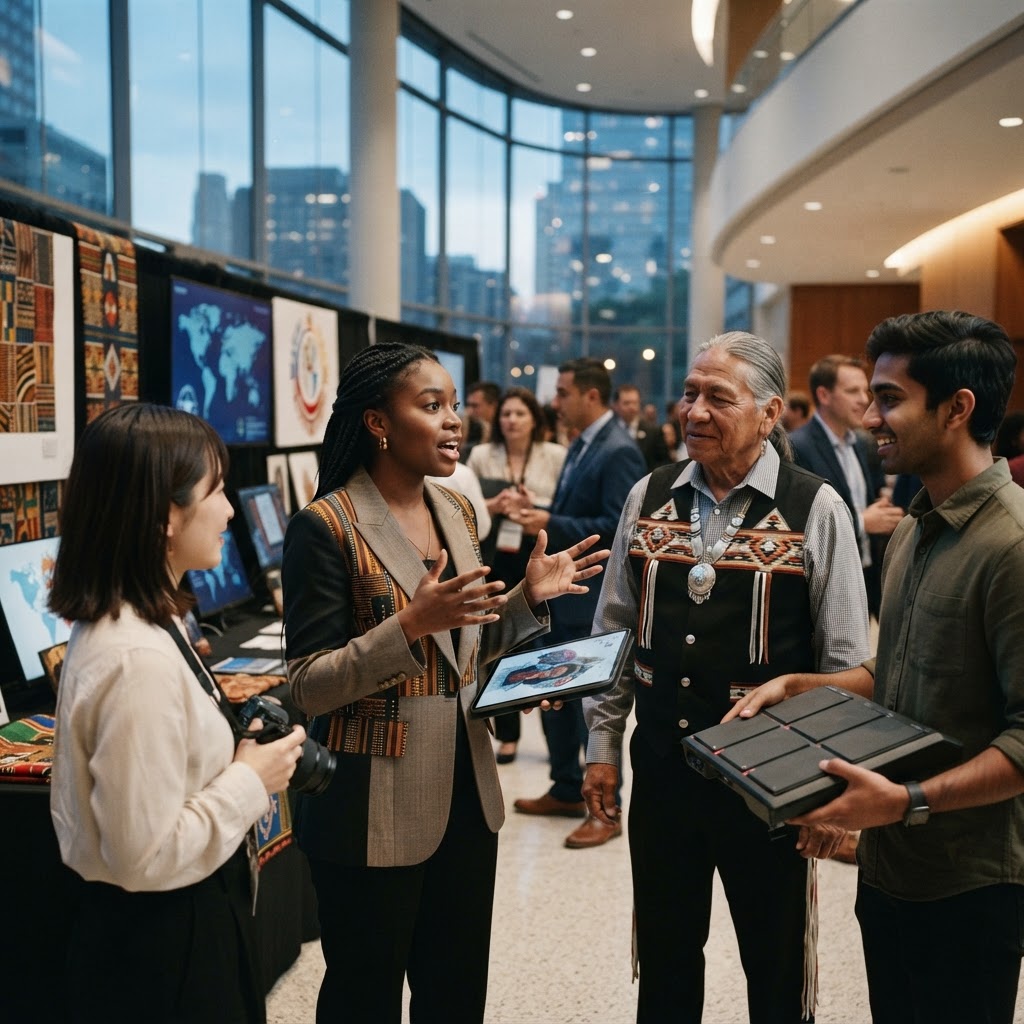
Creative Sovereignty and Global Reach: How World Cultures Are Redefining Modern Power
From Middle Eastern design hubs and Latin American literary triumphs to East Asian media expansion, the global cultural economy is balancing record-breaking borderless influence with the fight for creator sovereignty.
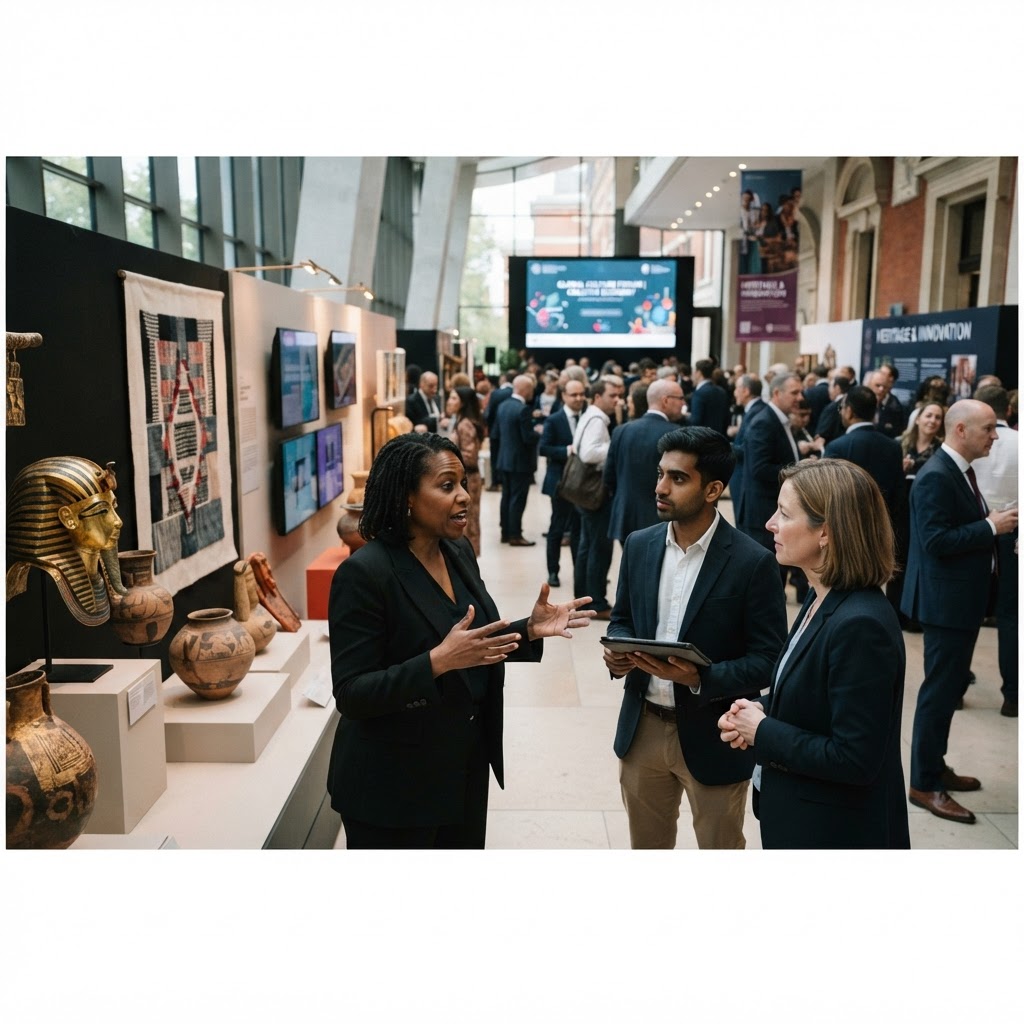
Culture as Global Currency: Heritage, Sovereign Soft Power, and the Creative Economy Converge
From legislative chambers in the Caribbean to arts initiatives across Asia and Europe, nations and institutions are fundamentally re-evaluating the role of culture as an engine for economic resilience and diplomatic influence.
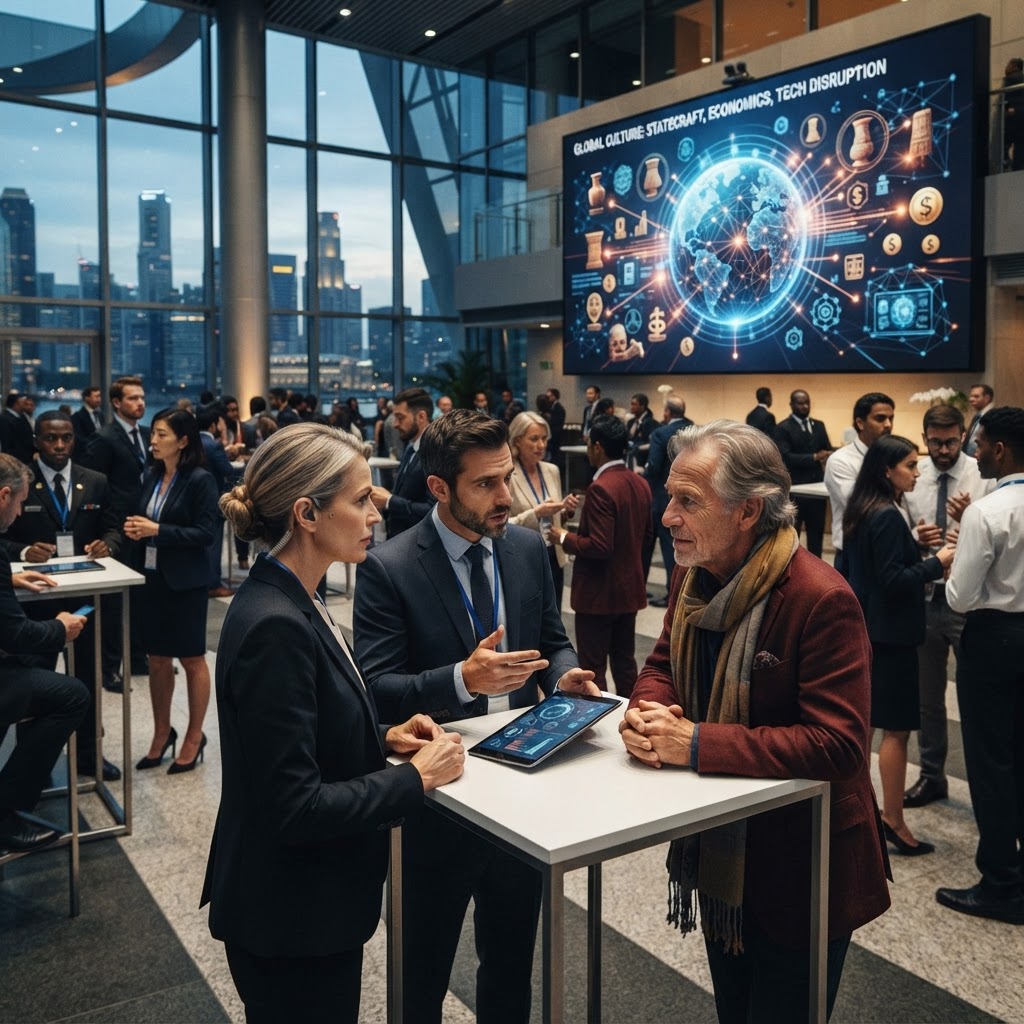
Global Culture Enters a New Era of Statecraft, Economic Strategy, and Tech Disruption
From South Korea's surging creative investments to international policy summits and private patronage, nations and institutions are recalibrating how art and heritage drive societal resilience and economic power.