Creative Sovereignty and Global Reach: How World Cultures Are Redefining Modern Power
From Middle Eastern design hubs and Latin American literary triumphs to East Asian media expansion, the global cultural economy is balancing record-breaking borderless influence with the fight for creator sovereignty.
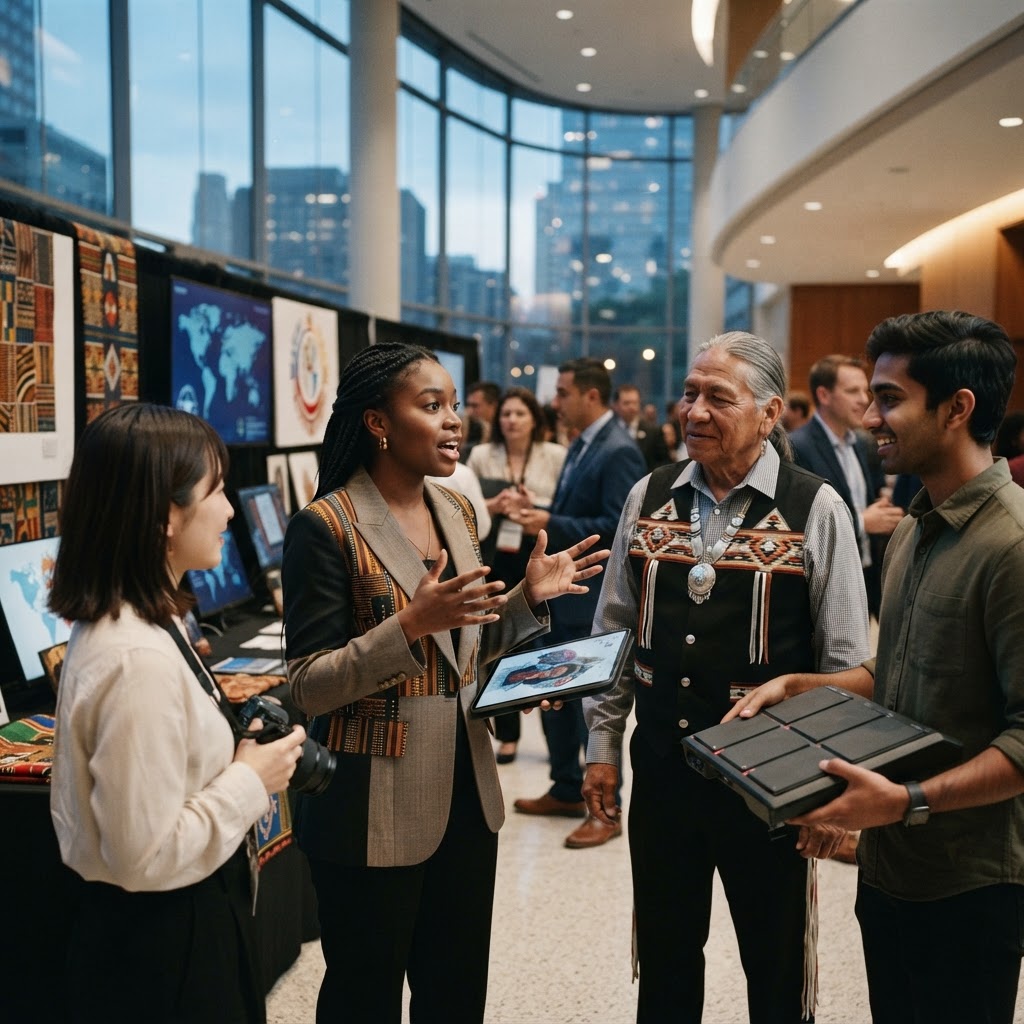
The Rise of Creative Economies as Global Influence
In the contemporary landscape of international relations and macroeconomics, culture is no longer relegated to an ornamental sideline. Instead, it has established itself as an indispensable pillar of global economic growth and diplomatic soft power. Recent multilateral initiatives, including the United Nations General Assembly's proclamation designating the upcoming 2027–2036 period as the International Decade of Culture for Sustainable Development, reflect this institutional paradigm shift. With cultural and creative sectors generating well over three percent of global gross domestic product and employing millions of workers worldwide, sovereign nations are increasingly recalibrating their public policies to safeguard domestic heritage while actively projecting creative influence outward.
Nowhere is this dynamic clearer than across regional hubs actively reimagining their creative ecosystems. In the Middle East, the announcement of the Design Doha Prize 2026 winners and comprehensive theatrical tours across Saudi urban centers showcase how regional art capitals are building domestic cultural infrastructure to foster local talent, diversify national economies, and claim a distinct voice on the world stage. Similarly, in the Caribbean, international dialogues led by agencies such as UNESCO have underscored how artistic hubs like Jamaica must fortify legal frameworks, intellectual property rights, and infrastructure to guarantee that domestic creators capture genuine economic value from the worldwide reach of their cultural expressions.
The Asian Phenomenon: Expansion and Domestic Friction
In East Asia, the export machinery of contemporary art and entertainment continues to expand into ever-larger arenas, yet not without significant internal introspection. South Korea's cultural juggernaut—historically fostered through proactive state support and private-sector agility—demonstrates this ongoing evolution. K-pop powerhouses such as Stray Kids are aggressively expanding international touring schedules across North America and Asia, and Korean theatrical productions continue to garner critical accolades and major award recognition abroad, demonstrating the enduring global appetite for East Asian narratives and performance art.
However, this outward success is being matched by deeper domestic discussions regarding the long-term sustainability of the creative model. Respected cultural figures, including veteran classical pianist Paik Kun-woo, have publicly called for emerging artists to push beyond commercialized constraints to discover authentic, individual artistic identities. Concurrently, public discussions in the cinema and television arenas emphasize the vital necessity of historical authenticity and nuanced narrative craft. Coupled with shifts in physical media distribution and structural dependence on international digital platforms, industry stakeholders are acutely aware that sustained global influence demands more than formulaic virality; it requires ongoing artistic renewal and equitable distribution mechanisms for creators.
European and Latin Accolades Celebrate Storytelling and Memory
Across Europe and the Americas, recent cultural milestones emphasize how traditional storytelling and boundary-pushing artistic showcases continue to thrive in the digital age. In European literature, Spanish writer Cristina Fernández Cubas was honored with the prestigious 2026 Miguel de Cervantes Prize, the highest literary accolade in the Spanish-speaking world, highlighting the enduring value of dark fantasy, domestic mystery, and short-story mastery amidst an era dominated by fleeting multimedia feeds.
Meanwhile, the international cinema landscape is experiencing significant commercial and critical shifts. Spanish box-office records were recently shaken by Javier Calvo and Javier Ambrossi's acclaimed feature La bola negra, which surged into the country's top three highest-earning domestic productions of all time. Across regional galleries from Baku to contemporary performance spaces in Western Europe, curators are exploring deep thematic currents ranging from historical occultism and female artistic lineages to radical reinterpretations of textile arts. These artistic undertakings demonstrate that audiences maintain a strong thirst for culturally grounded, complex human perspectives even as mass digital entertainment floods the consumer market.
The Frontier of Preservation and Artificial Intelligence
Beneath the surface of celebratory performances and prestigious prizes, the cultural domain faces unprecedented existential questions. One major challenge stems from rapid technological changes, notably the unbridled expansion of generative artificial intelligence into creative spaces. Cultural institutions, from publishers wrestling with uncredited AI manuscripts to international policymakers discussing creator compensation, are debating intellectual property standards to ensure original creators maintain legal ownership over the works used to train machine learning platforms.
At the same time, cultural heritage experts are sounding alarms over material preservation in an era of changing global climates. Environmental stresses, such as shifting weather patterns affecting historical construction timber and European heritage monuments, underscore that the safeguarding of physical human history requires immediate investment. As international organizations and local communities collaborate, the message of the current cultural era is unmistakable: preserving the tangible legacy of the past and protecting the economic and artistic rights of contemporary storytellers are vital conditions for a vibrant, equitable global culture.
Recommended for you
Similar to “Global Culture”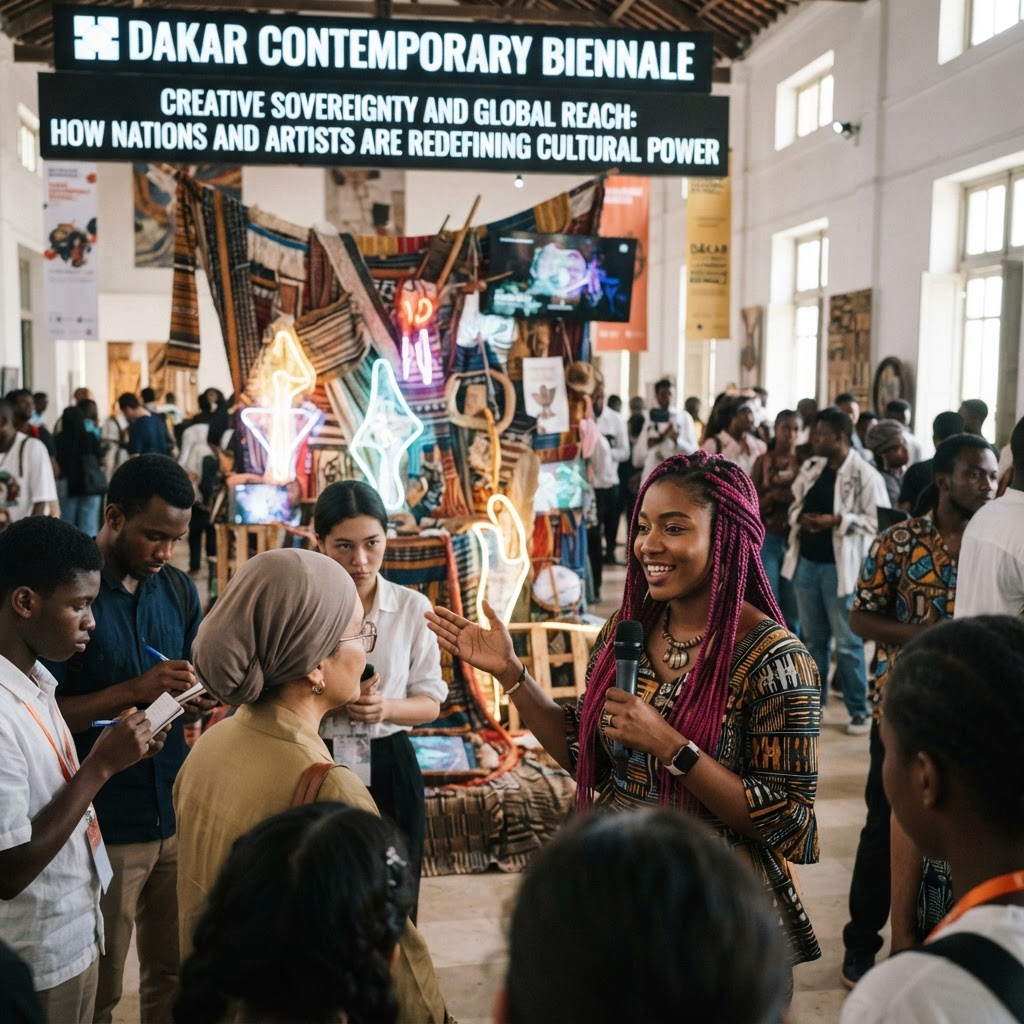
Creative Sovereignty and Global Reach: How Nations and Artists Are Redefining Cultural Power
From institutional policy debates in the Caribbean and East Asia to international diplomacy initiatives, cultural expression is increasingly recognized as both an economic engine and a strategic instrument of global influence.
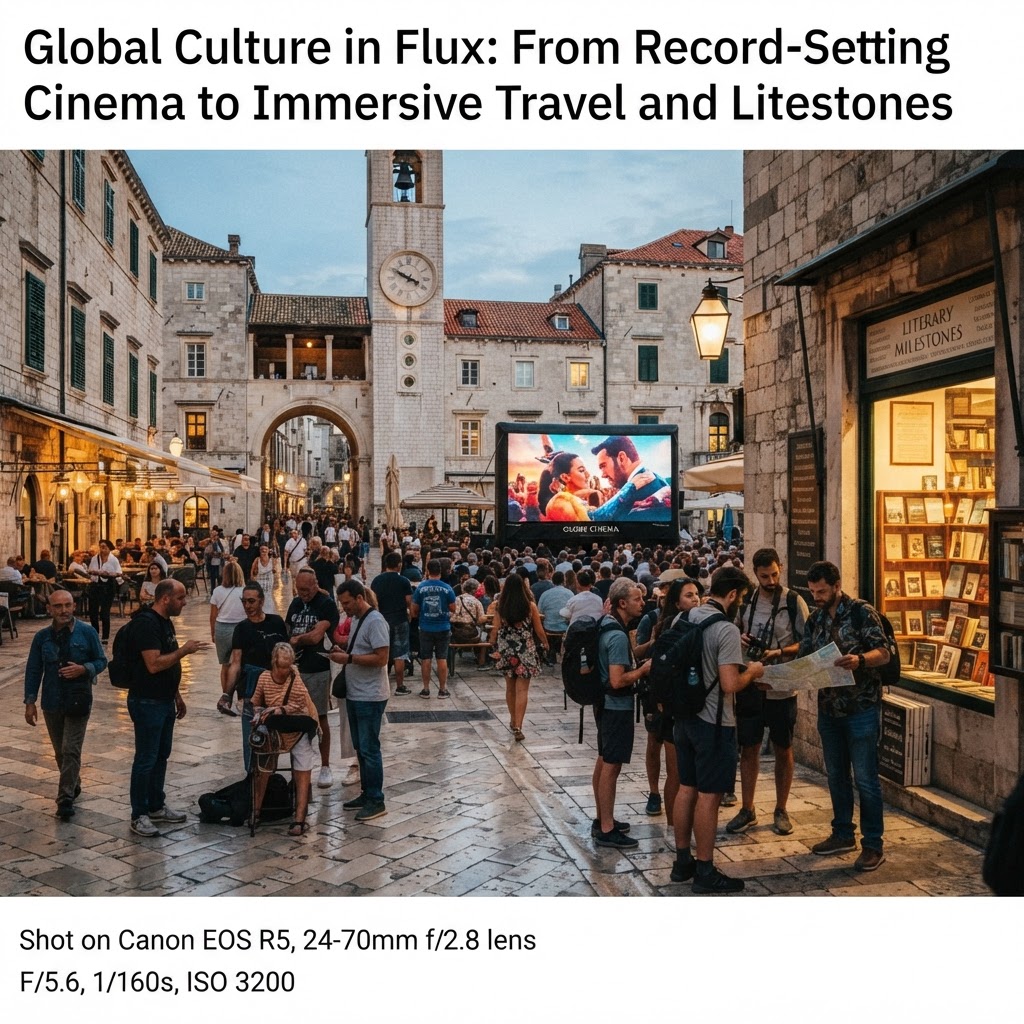
Global Culture in Flux: From Record-Setting Cinema to Immersive Travel and Literary Milestones
Recent cultural developments highlight a vibrant global landscape marked by major box office triumphs in Asia, groundbreaking literary honours, and an accelerating shift toward immersive travel and design.
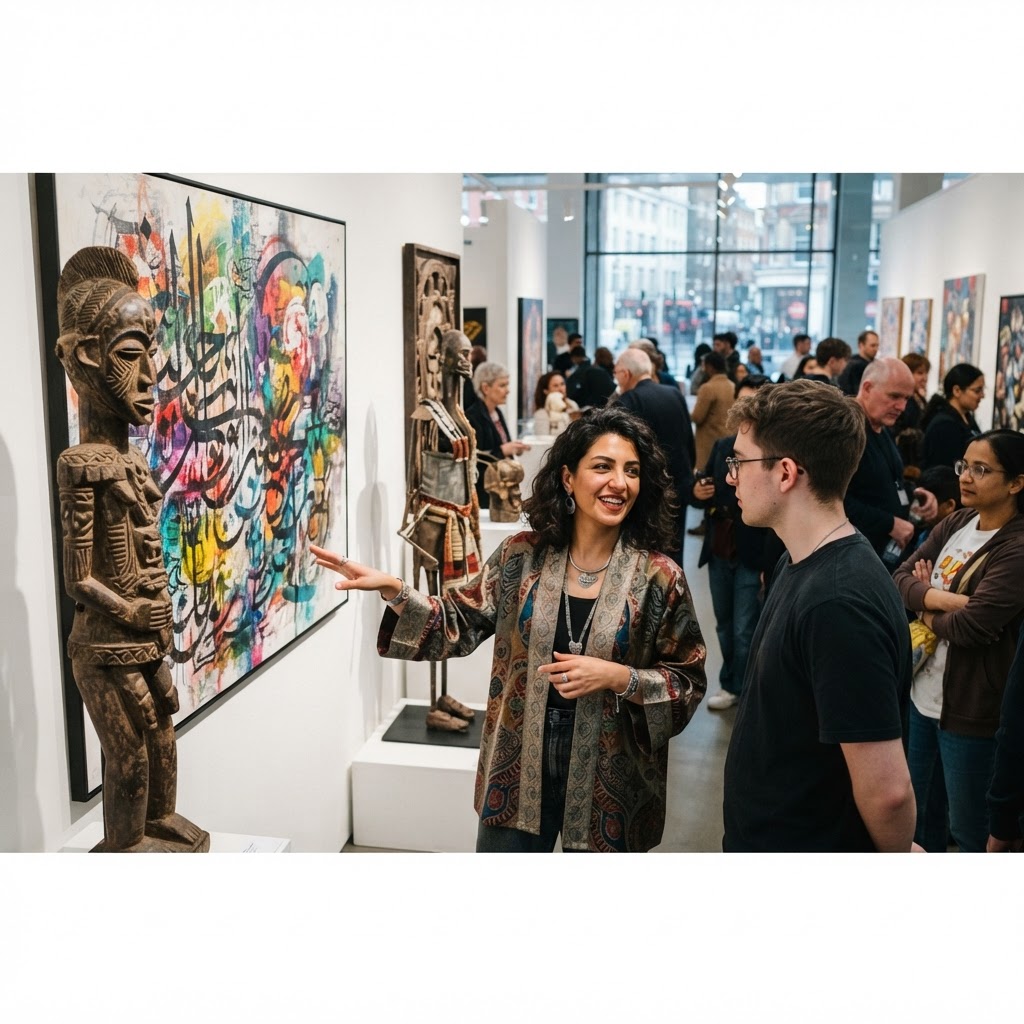
Global Cultural Shifts: Heritage Revival, Modern Art Markets, and the New Era of Cross-Border Expression
Recent cultural developments across East Asia, the Middle East, and the West highlight an era marked by the commercial evolution of modern art, historical preservation, and the friction of international cross-border creative industries.