Global Diplomacy at a Crossroads: Washington's Political Shift Meets Heightened Tensions in the Middle East and Eastern Europe
Following a historic shift in the U.S. Congress, world leaders are recalculating diplomatic strategies amid military flare-ups near the Strait of Hormuz and critical upcoming peace talks in Eastern Europe.
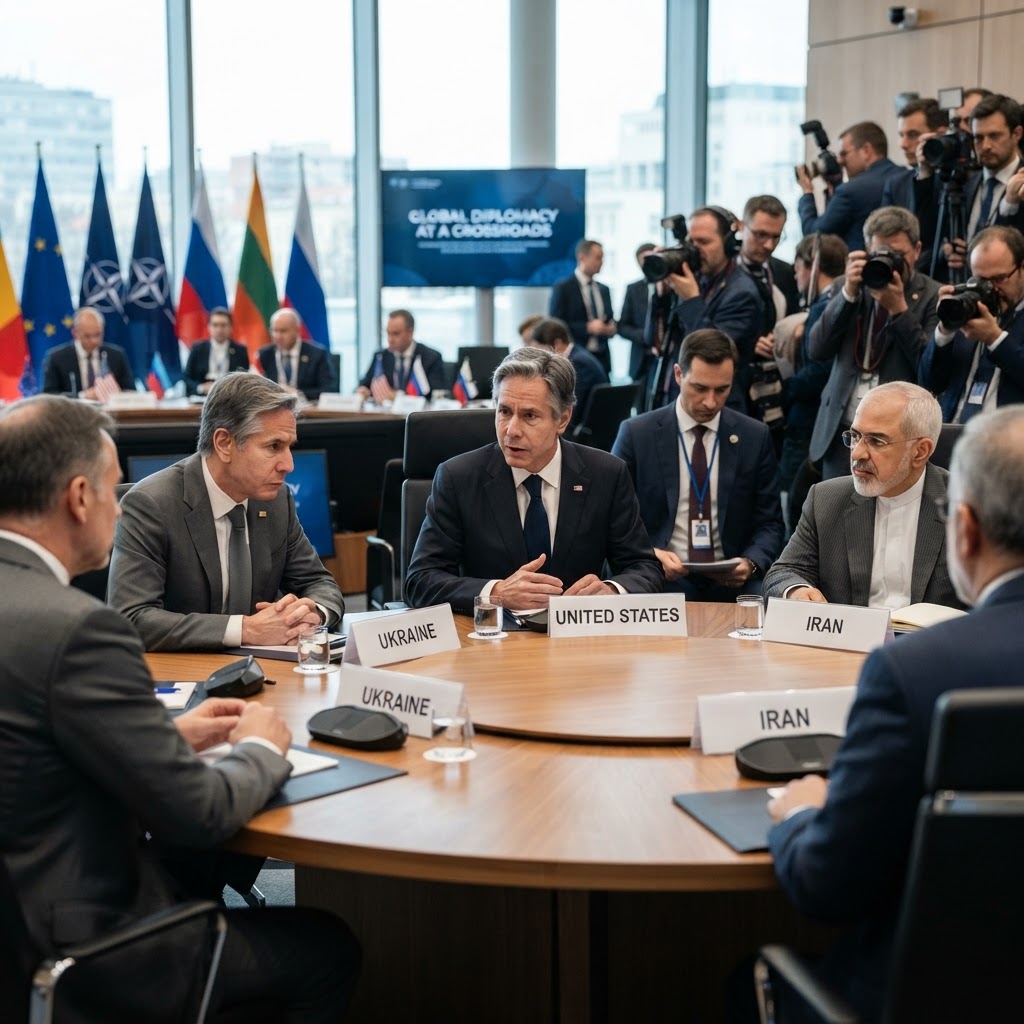
A Watershed Shift in Washington Sends Global Ripples
The geopolitical balance received a significant jolt this week as international observers, trading blocs, and foreign ministries took stock of an assertive realignment in Washington. The Democratic Party's capture of majorities in both the Senate and the House of Representatives has established a divided government that will undeniably reshape foreign engagements, as highlighted by SBS News and The Guardian. From European capitals to Latin America and the Asia-Pacific, foreign policy architects are closely monitoring whether a newly empowered legislative branch can constrain aggressive presidential unilateralism, particularly concerning trade tariffs, military actions abroad, and foreign aid allocations.
For key European allies, the prospect of increased legislative oversight brings cautious optimism. European commercial organizations and industrial leaders, particularly across Germany, have voiced hope for greater stability in transatlantic commerce and multilateral cooperation after enduring fluctuating tariff threats, reported DW. However, diplomatic analysts caution that executive authority over foreign policy remains robust; presidential vetoes and defense command authorities ensure that fundamental pivots will require delicate navigation rather than swift overhauls.
Dangerous Brinkmanship Around the Strait of Hormuz
The political realignments in Washington unfold against an acutely precarious backdrop in the Middle East. Military friction has escalated near vital maritime trade routes following confirmed strikes on Iran's Qeshm Island and vicinity near the Strait of Hormuz, according to reports from The Brief and News24. While defense officials characterized the maneuvers as defensive actions aimed at deterring maritime and strategic threats, Tehran issued severe warnings regarding opening new theaters of confrontation.
The flare-up has heightened concerns over global energy transport routes and compounded volatility for regional economies, with aviation bodies reporting heavy operational and financial strain stemming from broader airspace restrictions, as detailed by Euronews. Concurrently, diplomatic backchannels between Washington and Tehran continue to explore terms for de-escalation. The incoming congressional leadership is expected to exert stronger oversight on Middle Eastern military commitments, even as regional actors adjust their strategies in anticipation of shifting American defense assistance priorities and shifting domestic coalitions in Israel, where opposition forces led by Gadi Eisenkot are actively maneuvering to establish a new governing coalition.
Critical Diplomacy Looms Amid Escalating Strikes in Eastern Europe
Meanwhile, the conflict in Eastern Europe continues to extract a devastating humanitarian toll, emphasizing the urgent need for tangible diplomatic breakthroughs. Recent long-range missile and drone strikes across Ukraine—including a devastating assault on an aid distribution facility and shelter in south-eastern Zaporizhzhia—have claimed dozens of civilian lives, according to coverage from The Brief. The persistent bombardment of civilian and energy infrastructure around Kyiv and southern regions continues to generate acute humanitarian emergencies as winter approaches.
Despite the heightened hostilities, eyes are now turning toward Abu Dhabi, where high-stakes, U.S.-brokered talks between Ukrainian and Russian delegations are scheduled to take place. With the political landscape in Washington altered, international stakeholders are watching whether legislative pressure will reinforce consistent security aid to Kyiv or accelerate structured diplomatic settlement efforts. Global capitals have made clear that while short-term political shifts in major powers capture headlines, the underlying requirements for international law, territorial integrity, and maritime security demand sustained, multilateral resolve.
Recommended for you
Similar to “World Affairs”
Global Diplomacy at a Crossroads: High-Stakes Summits, Escalating Middle East Tensions, and Climate Reckonings
As world powers prepare for rare trilateral leadership talks amid continuing regional conflicts in Eastern Europe and the Middle East, international negotiators face mounting geopolitical strain and fractured multilateral consensus.
Fragile Diplomacy and Escalating Fronts: Global Tensions Test International Order
High-stakes diplomatic negotiations in the Middle East and Eastern Europe face mounting strain as battlefield strikes, political shakeups, and maritime friction disrupt peace efforts across multiple continents.
Global Diplomacy at a Crossroads: Security Pacts, Coalition Shifts, and Strained Talks Define International Affairs
High-stakes diplomacy is facing acute friction across Europe and the Middle East as negotiations over continental security collide with major political reorganizations in Israel and intractable standoffs between Washington and Tehran.