Fragile Frontlines: Global Diplomacy Strains Under Multiplying Crises
As multilateral institutions mark milestones amid mounting regional conflicts and atomic uncertainties, shifting alliances test the resilience of the international order.
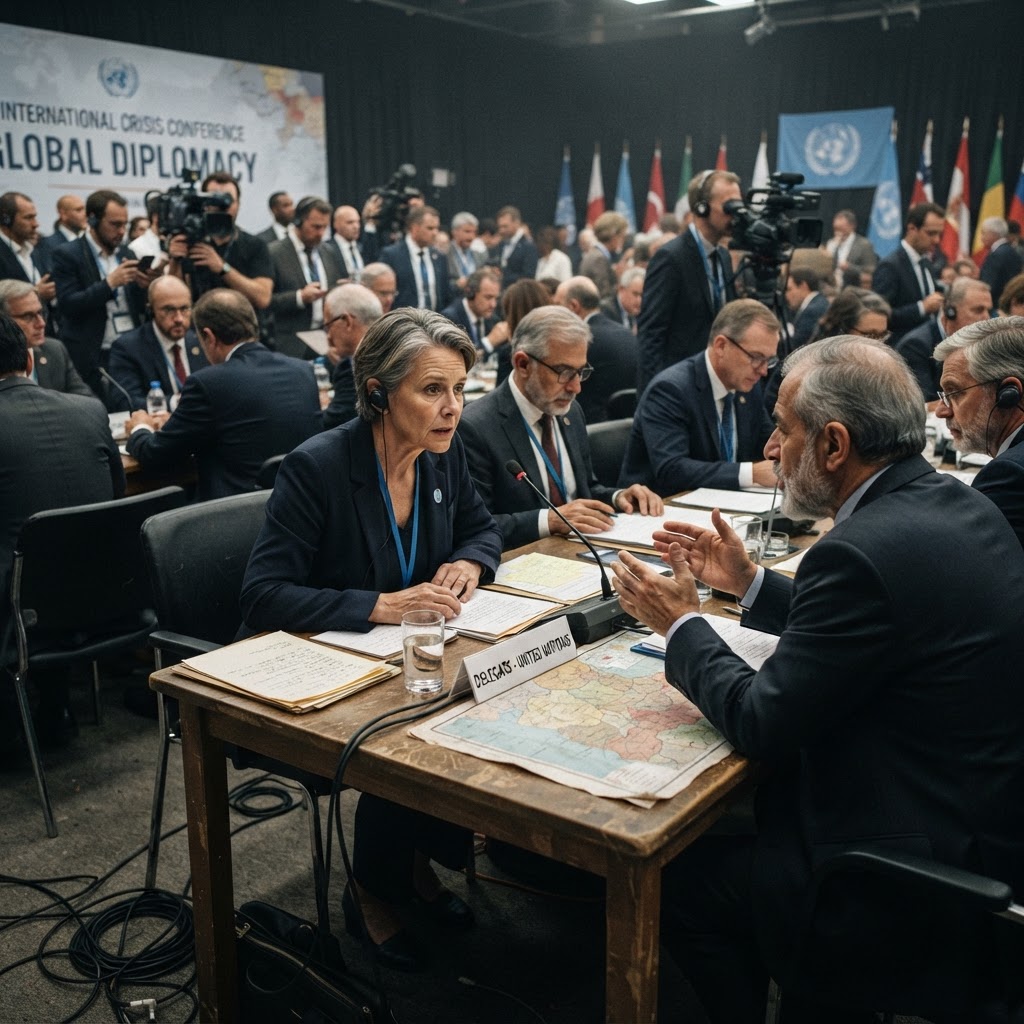
A World of Fractured Alignments
The contemporary international system faces an intricate web of security dilemmas and diplomatic fractures. Marking over eight decades since the founding of the United Nations, international bodies are grappling with crises that stretch across Eastern Europe, the Middle East, and beyond. Longstanding frameworks of collective security and mutual deterrence are being tested by shifting national interests and regional flashpoints, revealing structural fragilities in modern diplomacy.
Nuclear Monitoring and Middle Eastern Pressures
Nowhere is this diplomatic strain more evident than in the persistent friction surrounding nonproliferation regimes. The International Atomic Energy Agency has recently renewed urgent appeals regarding nuclear inspections in Iran, cautioning that prolonged impasses heighten regional volatility. Compounding these security concerns, domestic markets in Tehran continue to face severe strain from compounding economic penalties, while regional energy diplomacy deepens ties between oil producers and Moscow. Concurrent escalations in the West Bank and deteriorating humanitarian infrastructure in war-torn areas of Yemen underscore how interlocking disputes across the region continue to resist comprehensive conflict resolution.
European Security and Diplomatic Realignments
In Europe, geopolitical strategists remain preoccupied with the protracted fallout of the conflict in Ukraine. Western capitals are increasingly seeking a coherent approach toward negotiations with Moscow, even as localized agreements and shifting frontlines expose the difficult path toward enduring peace. The geopolitical dynamic has been further complicated by shifting perceptions among traditional allies, who increasingly weigh the predictability of transatlantic security commitments against emerging multilateral balances. These tensions reveal an evolving landscape where traditional alliances must continuously adjust to domestic political realignments and varying foreign policy doctrines.
The Fragility of Multilateralism
Beyond traditional battlefields, modern world affairs are equally shaped by information conflicts, asymmetric tactics, and economic headwinds. Global institutions, human rights oversight bodies, and economic alliances find themselves operating within an environment marked by heightened skepticism and rival power blocs. As major powers recalibrate their defense and trade postures, the global community enters an uncertain chapter where regional stability hinges not on grand treaties, but on the delicate management of sudden escalations across several vital corridors.
Recommended for you
Similar to “World Affairs”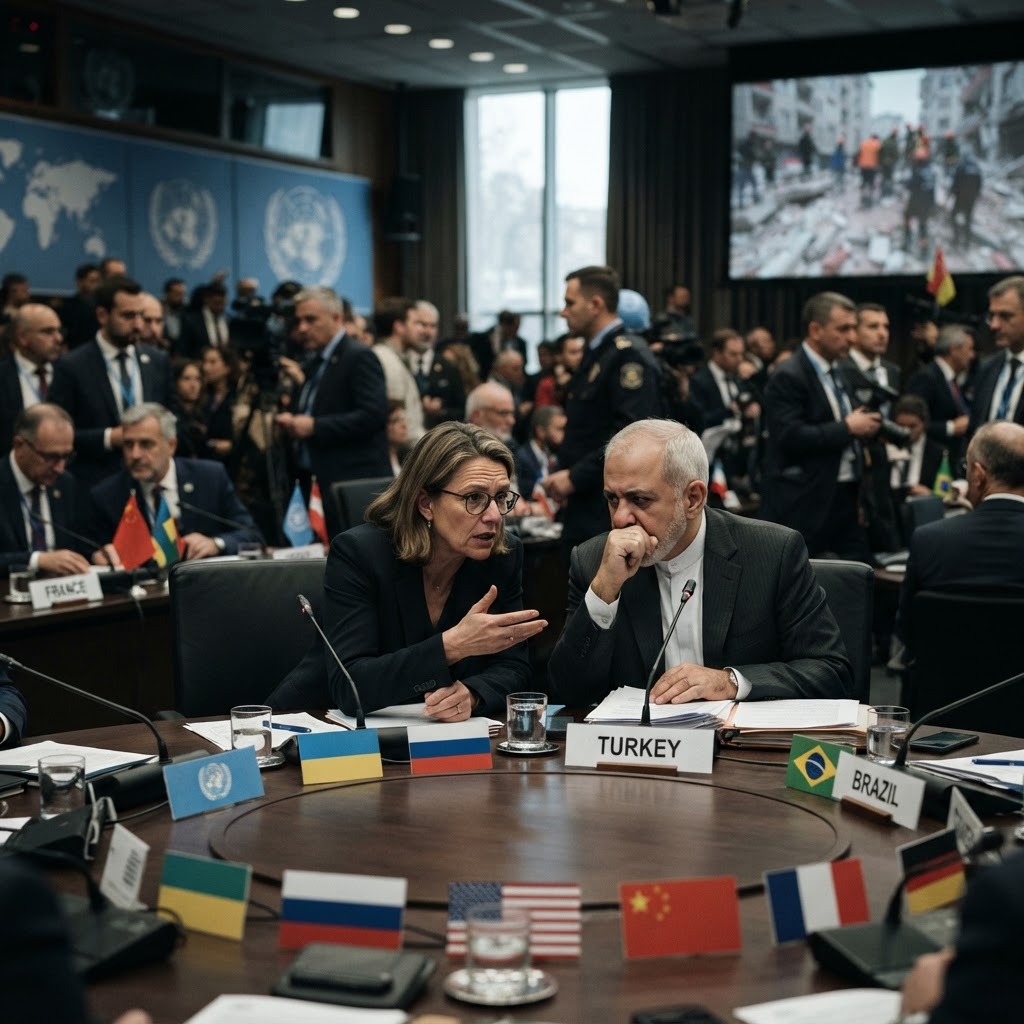
Fragile Frontlines: Global Diplomacy Strains Under Shifting Balances of Power and Humanitarian Shocks
From escalating military frictions across the Middle East to deep security anxieties in Europe and worsening crises across the Global South, the international order faces a turbulent test of diplomatic resilience.
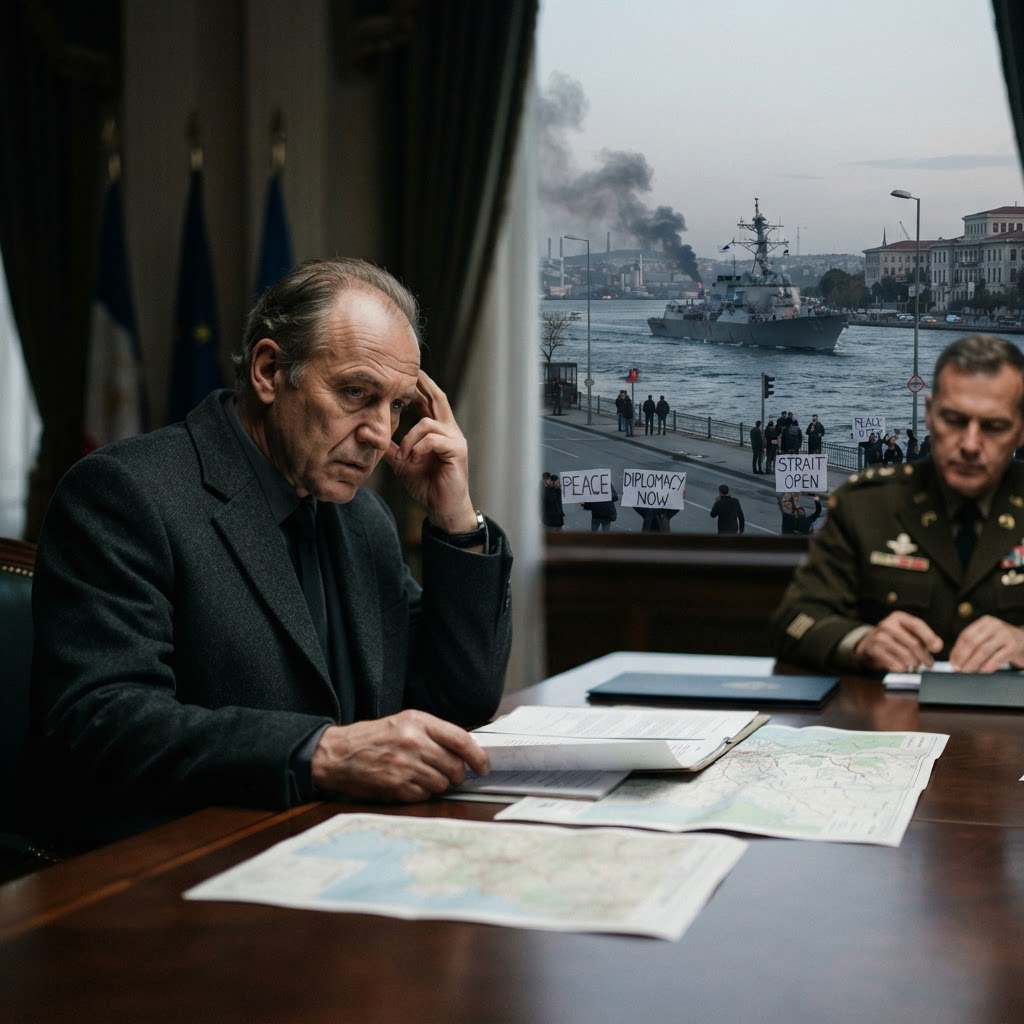
Fragile Fronts and Choked Straits: Global Diplomacy Tested Amid Escalating Regional Crises
Strained shipping routes in the Persian Gulf, mounting friction over climate finance at COP31, and incremental humanitarian breakthroughs in Ukraine highlight a fractured international order navigating concurrent geopolitical shocks.
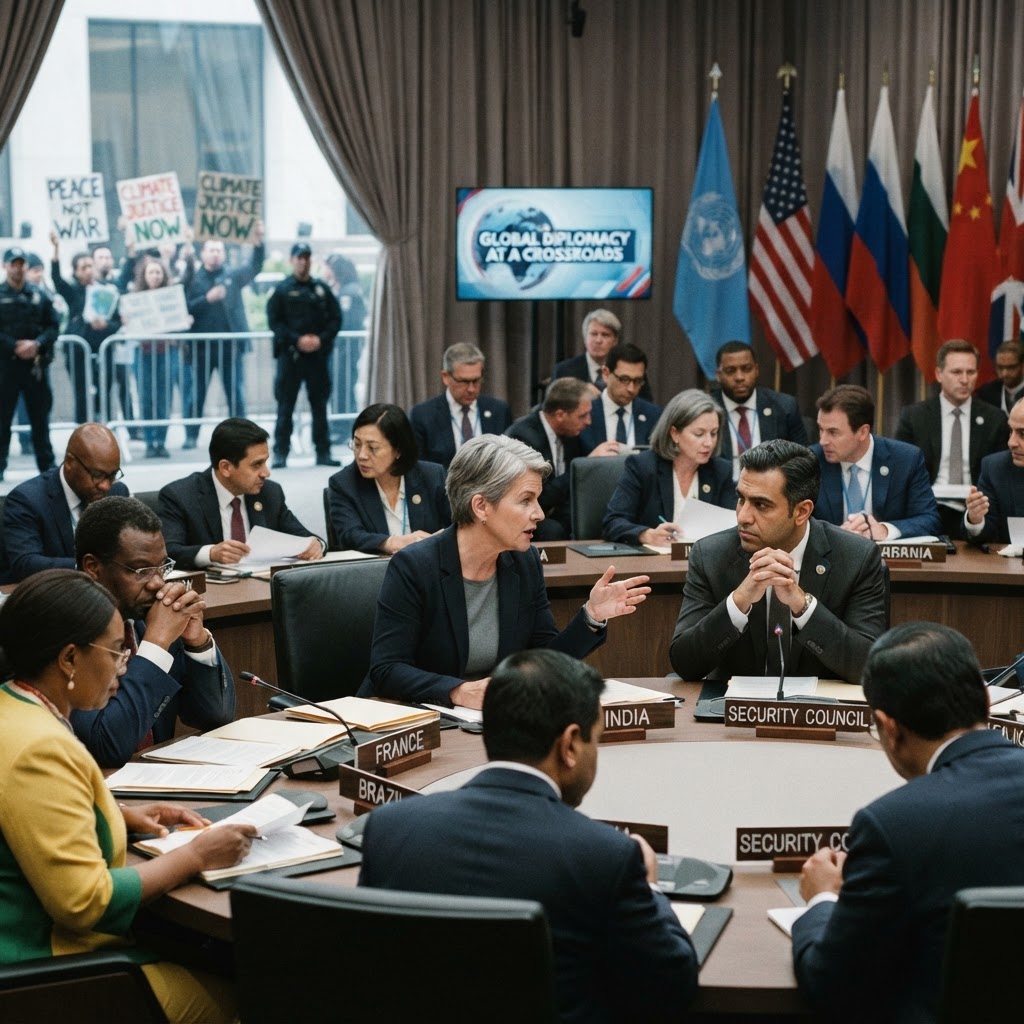
Global Diplomacy at a Crossroads: Security Crises, Shifting Alliances, and Civil Dissent Reshape International Politics
From escalated friction in the Middle East and Eastern Europe to dramatic political demonstrations in Asia, the international order is confronting a critical wave of systemic tests. As middle powers adapt to evolving multipolarity, multilateral frameworks and state institutions face intense pressure worldwide.