Diplomatic Friction and Domestic Strain Reshape Global Geopolitics
From complex geopolitical negotiations over Eastern Europe and the Middle East to escalating domestic unrest and institutional upheavals, world leaders face converging international crises.
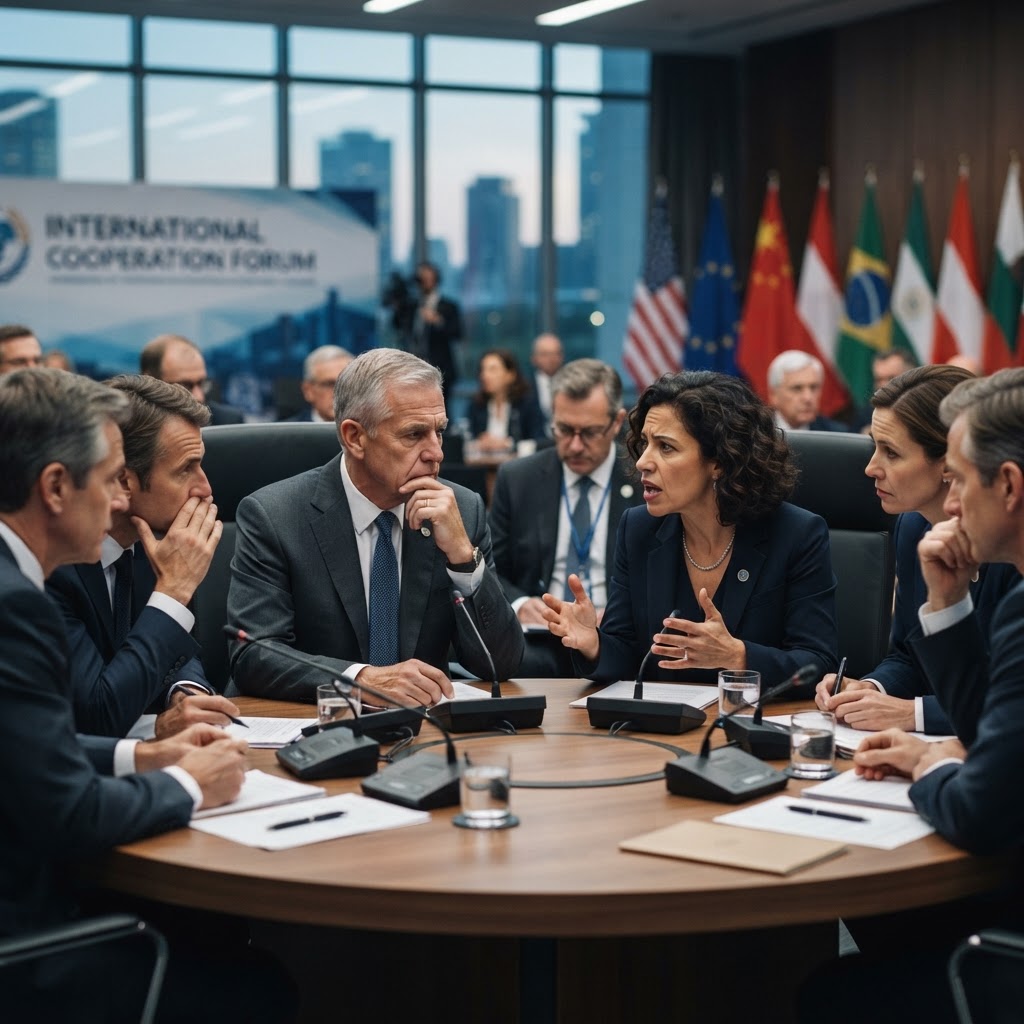
Contested Security Frameworks in Eastern Europe
International diplomacy surrounding the ongoing conflict between Russia and Ukraine has encountered fresh friction as debate mounts over proposed broad-spectrum security pacts. European leaders and institutions have raised significant resistance to broad, sweeping security arrangements negotiated over the heads of regional stakeholders, emphasizing that lasting stability cannot bypass Ukrainian sovereignty or the direct security architecture of the European Union, as highlighted by Euronews. Ukrainian President Volodymyr Zelenskyy cautioned that negotiating a continent-wide security architecture without first achieving a decisive resolution to the war presents grave strategic hazards, particularly as attacks on Ukrainian infrastructure and energy facilities continue unabated, according to reporting from NewKerala.com and SANA.
Even as trilateral diplomatic discussions and US-mediated dialogues in Abu Dhabi loom on the horizon, tensions remain amplified by reports regarding foreign munitions being deployed against Ukrainian civilian infrastructure. The juxtaposition of diplomatic signaling with intensified kinetic operations underscores the volatile environment in which both Western capitals and regional actors must navigate forthcoming negotiations.
Simmering Middle Eastern Standoffs and Containment Strategies
In the Middle East, strategic maneuverings around Iran continue to occupy central focus in global corridors of power. Washington has signaled plans to tighten containment measures against Iranian channels, expanding scrutiny not only across overland logistics corridors but also extending maritime focus toward the Caspian Sea to restrict dual-use technologies and related revenue pipelines, as reported by The Straits Times. Concurrently, US authorities have ramped up financial pressure, publicizing substantial rewards targeting intelligence on Tehran's nuclear infrastructure.
Despite this hardened posture, backchannel diplomacy and multilateral engagement persist. Key regional leaders, including Turkish President Recep Tayyip Erdoğan, have engaged in active dialogues with Washington aimed at de-escalation, according to SANA. However, foreign policy observers caution that containment doctrines and unilateral executive actions will continually test regional balance, especially amid shifting political currents and competing geopolitical alignments throughout the Persian Gulf.
Urban Unrest and Shifting Political Mandates in the West
Beyond geopolitical conflict zones, domestic strains are increasingly testing democratic stability across major Western democracies. In France, widespread socioeconomic discontent has translated into consecutive weekends of street demonstrations across major cities. Tens of thousands of demonstrators have mobilized to protest soaring costs of living, resulting in clashes with law enforcement in Paris, according to The Straits Times. The mounting wave of frustration arrives at a delicate moment for the administration, with upcoming elections looming against the backdrop of an energized populist and far-right opposition.
Across the Atlantic, political realignments have swept the United States following pivotal midterm elections that saw shifting legislative power, as noted by The New York Times. The electoral turnover has spurred swift leadership reshuffles in Washington, accompanied by growing debates over the longevity of current trade measures and executive appointments, as detailed by the BBC Global News Podcast. The realignment highlights how internal polarization within leading economies increasingly restricts the diplomatic maneuverability of state leaders abroad.
Institutional Volatility and Transnational Challenges
The convergence of crises has similarly rattled international institutions and emerging democracies. In South America, political disruption reached a climax in Paraguay, where presidential impeachment proceedings and subsequent swift transitions of executive power underscored recurring institutional vulnerabilities, according to reports from Euronews and the BBC Global News Podcast. Meanwhile, public safety concerns shook central Europe following a deadly mass shooting in Kraków, Poland, shaking national security assurances across the European interior, as covered by The Straits Times.
These developments unfold alongside broader structural imperatives, from climate summit deliberations where United Nations leadership has declared a critical juncture for worldwide collective action to systemic global trade adaptations, as reported by UN News. As geopolitical standoffs, energy diplomacy, and domestic economic grievances intersect, the international system finds itself confronting a profoundly fragmented landscape where local volatility directly influences global stability.
Recommended for you
Similar to “World Affairs”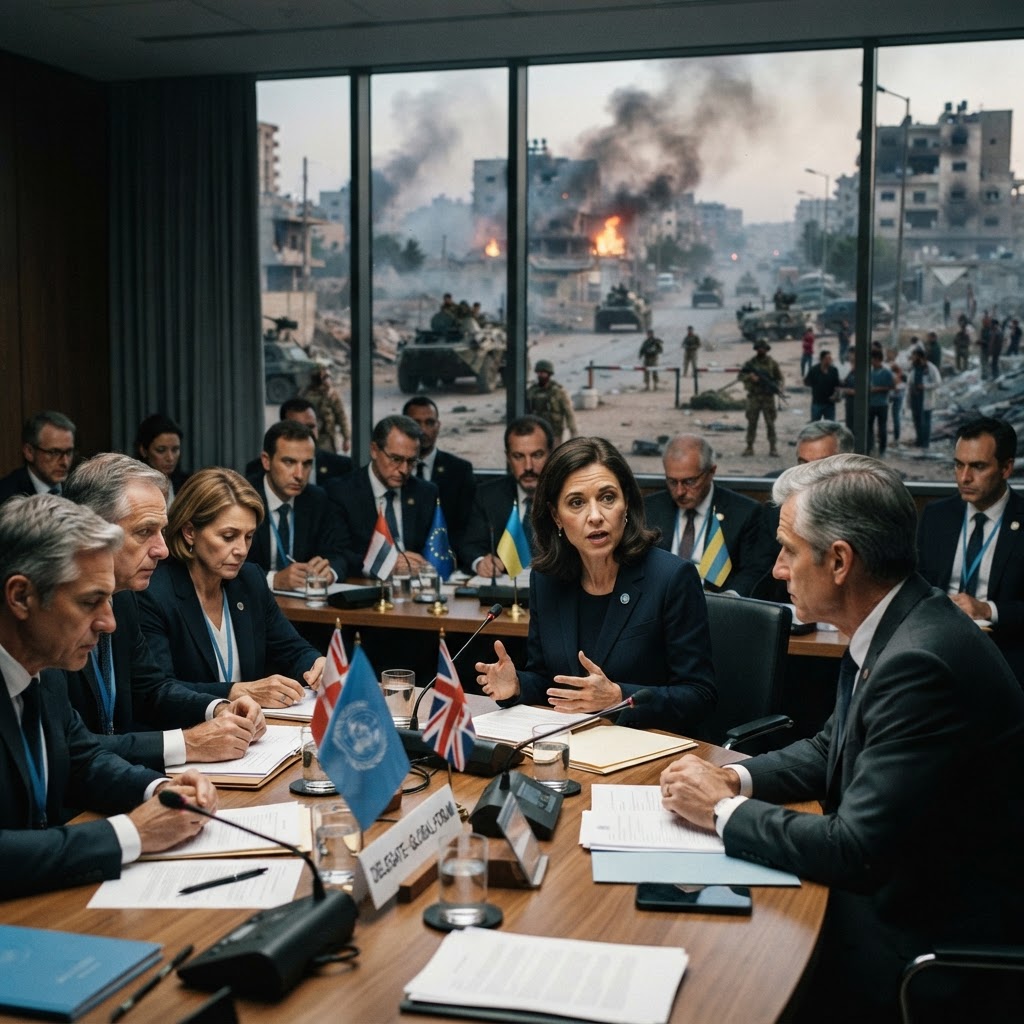
Fragile Diplomacy and Escalating Fronts: Global Tensions Test International Order
High-stakes diplomatic negotiations in the Middle East and Eastern Europe face mounting strain as battlefield strikes, political shakeups, and maritime friction disrupt peace efforts across multiple continents.
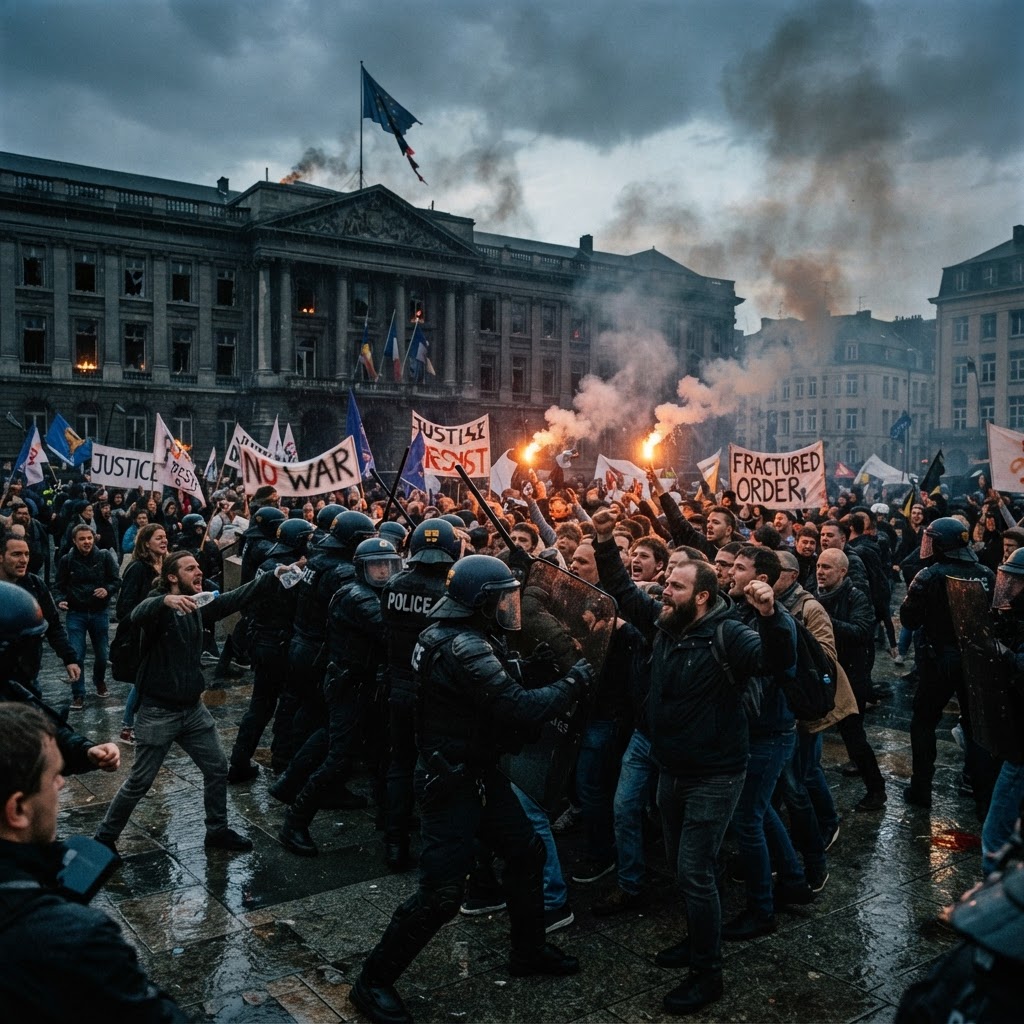
A Fractured International Order: Mounting Geopolitical Pressures and Domestic Unrest Reshape Global Affairs
Escalating military friction in Eastern Europe and the Middle East intersects with widespread civil unrest and shifting Western alliances, underscoring growing fragility across the international system.
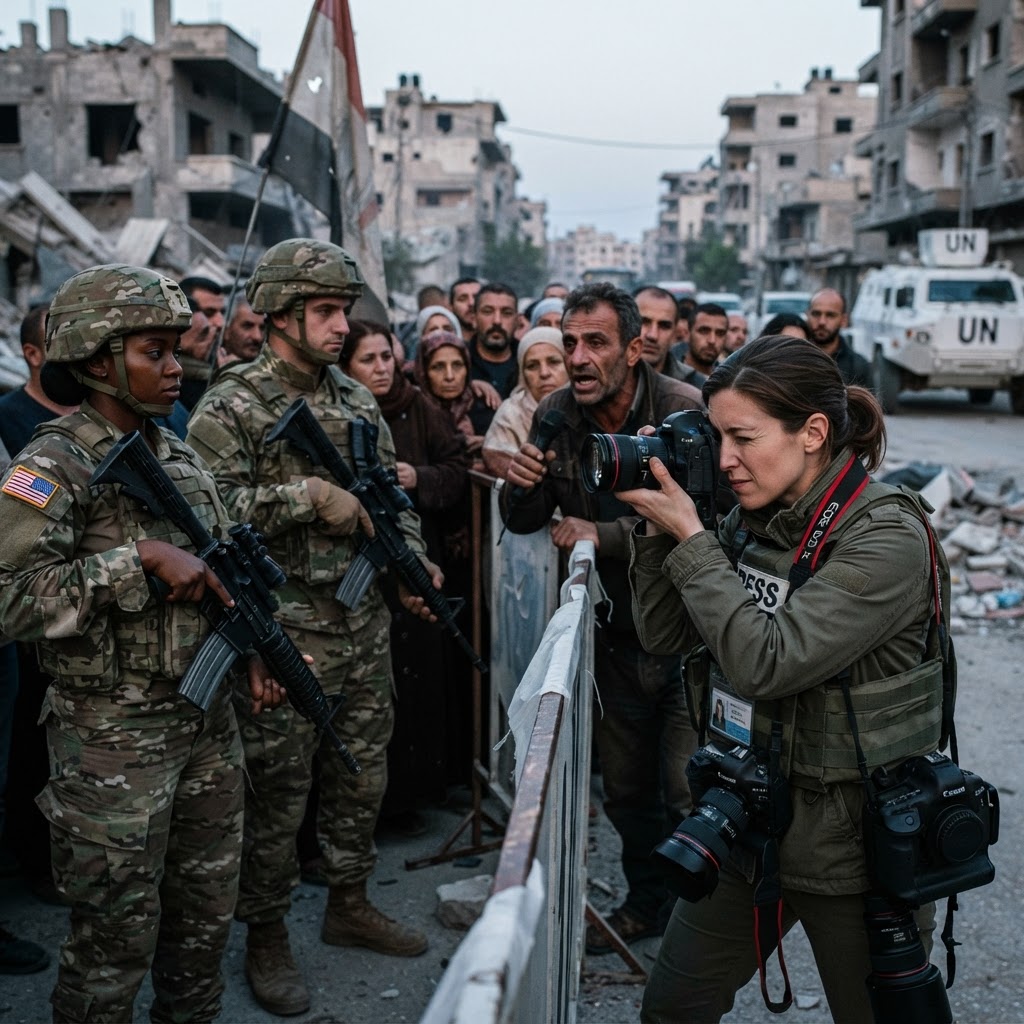
Global Flashpoints Intensify: Shifting Alliances, Conflict Exhaustion, and Emerging Transnational Risks
From escalating strikes in Eastern Europe and diplomatic rifts over foreign combatants to heightened Middle Eastern volatility and biosecurity uncertainties, the international order faces a converging web of complex geopolitical and domestic strains.