Global Flashpoints Intensify: Shifting Alliances, Conflict Exhaustion, and Emerging Transnational Risks
From escalating strikes in Eastern Europe and diplomatic rifts over foreign combatants to heightened Middle Eastern volatility and biosecurity uncertainties, the international order faces a converging web of complex geopolitical and domestic strains.
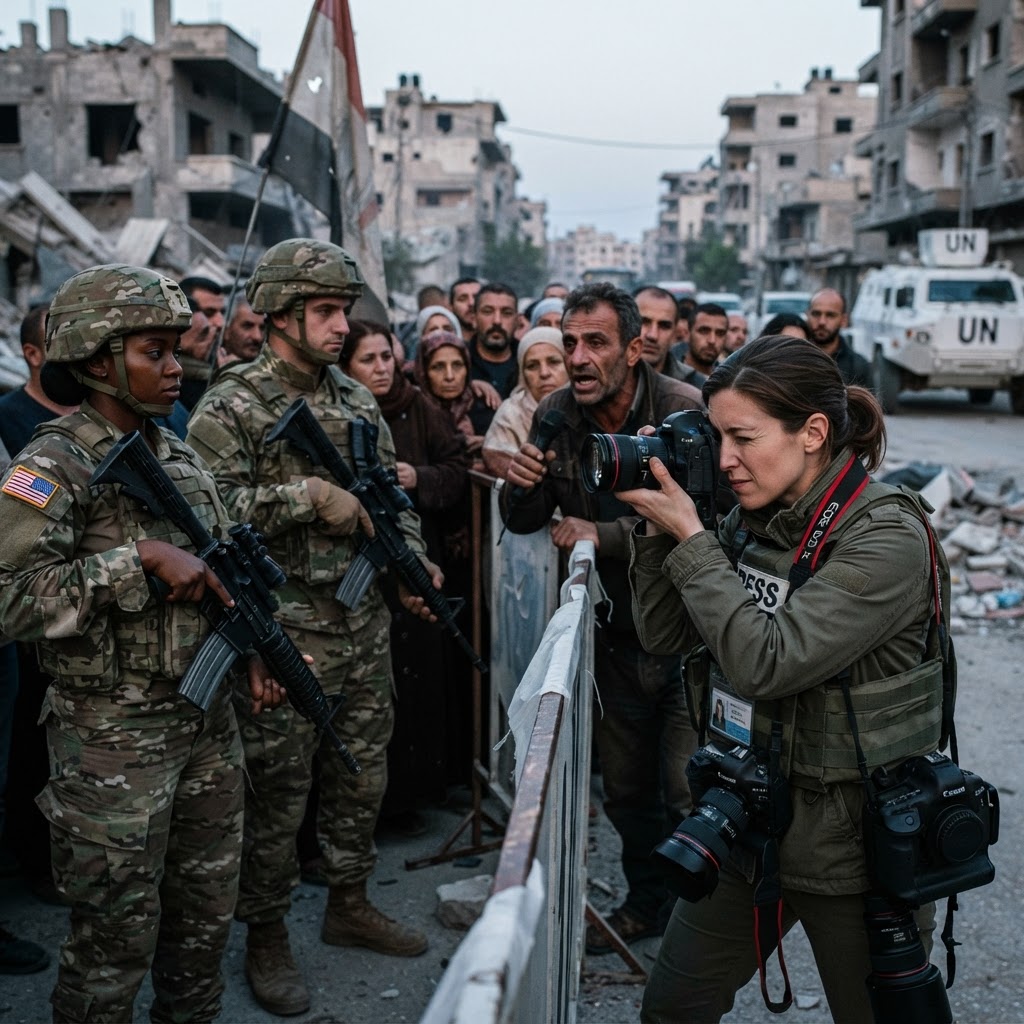
The Deepening Attrition of the Russo-Ukrainian War
The conflict in Ukraine continues to test both the physical limits of territorial defense and the durability of international alliances. A recent wave of widespread missile and drone bombardments by Russian forces targeting urban neighborhoods, industrial hubs, and energy infrastructure has once again strained Ukraine’s air defense systems. In response, Kyiv has reiterated urgent appeals to Western partners for advanced surface-to-air interceptors, notably American-manufactured Patriot missile units, to protect vulnerable civilian and military infrastructure.
Simultaneously, the protracted war of attrition is exerting severe pressure on frontline troop levels. After years of heavy fighting, military planners in Kyiv confront mounting recruitment hurdles and rotational exhaustion, threatening tactical positions along key defensive lines. Compounding this battlefield strain is an increasingly intricate web of international entanglements, punctuated by diplomatic fallout between Ukraine and South Korea. Tension escalated over the handling of captured North Korean soldiers participating alongside Russian units, culminating in Seoul’s decision to recall its ambassador to Ukraine. The rift underscores how regional defense pacts and secondary actors—stretching from East Asia to Eastern Europe—are now deeply woven into the fabric of the European theater.
Simmering Tensions in the Middle East and the Energy Sphere
In the Middle East, stability remains precarious as proxy conflicts and regional rivalries continue to disrupt crucial logistical and commercial corridors. Escalating military exchanges, including renewed strikes aimed at strategic infrastructure in the Arabian Peninsula such as Saudi airport facilities, underscore the fragile security environment. The resulting volatility has injected fresh turbulence into global energy markets, sending oil prices sharply upward as traders brace for potential disruptions along critical maritime transit routes.
Concurrently, the persistence of multi-front security operations involving Israel and neighboring territories has locked regional diplomacy into an uneasy state of emergency. Security planners across Europe and North America remain on high alert regarding asymmetric threats. In the United Kingdom, preemptive tactical shifts—such as repositioning bomber wings away from facilities like RAF Fairford following concerns over state-linked drone sabotage—highlight how Middle Eastern confrontation ripples directly into Western operational readiness.
Transnational Public Health and Biosafety Concerns
Beyond traditional statecraft, emerging biological vulnerabilities are generating new diplomatic friction. Recent incidents surrounding laboratory personnel at an infectious disease research institute in Siberia, coupled with reports of suspected plague exposure, have sparked formal inquiries from Western capitals. U.S. officials have engaged Russian counterparts to ensure rigorous biosafety protocols and transparency, while multilateral observers track the risk of communication breakdowns surrounding dual-use pathogenetic research.
At the same time, central and eastern Africa face revitalized epidemics that challenge cross-border disease surveillance mechanisms. Outbreaks of the Ebola virus in the Democratic Republic of the Congo have spread into neighboring countries such as Kenya via travel hubs, revealing institutional gaps in frontline containment. Health responders report chaotic conditions on the ground, highlighting that underfunded local health networks remain an urgent point of vulnerability in an interconnected global community.
Domestic Strains and Civil Friction in Western Democracies
Domestic friction across major Western economies continues to mirror these geopolitical pressures. In France, widespread unrest over education funding and police enforcement tactics has triggered significant disruptions, including the shuttering of high schools and contentious street demonstrations. The severity of crackdowns has prompted intense scrutiny from civil rights watchdogs and political opponents, mirroring a broader wave of social discontent that stretches from French cities to housing access demonstrations in Spain.
These domestic and transnational developments illustrate a fragmented international framework. Whether managing frontline troop deficits, defending critical supply chains from asymmetric threats, or containing biological and socio-economic hazards, sovereign states are increasingly forced to balance domestic instability with compounding external pressures.
Recommended for you
Similar to “World Affairs”
Diplomatic Friction and Domestic Strain Reshape Global Geopolitics
From complex geopolitical negotiations over Eastern Europe and the Middle East to escalating domestic unrest and institutional upheavals, world leaders face converging international crises.
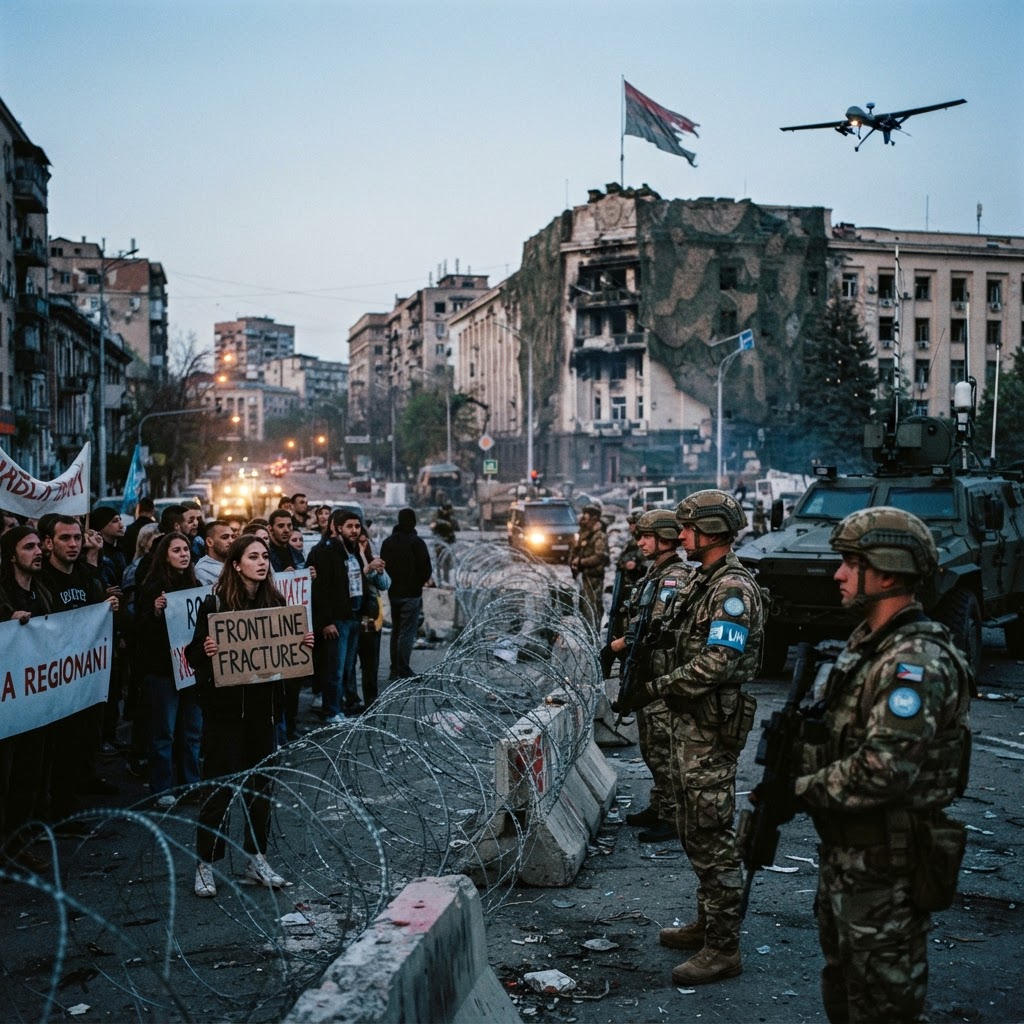
Global Flashpoints Intensify: Shifting Frontlines, Technological Brinkmanship, and Internal Fractures
Escalating cross-border strikes in Eastern Europe, advanced autonomous weapons testing in East Asia, and domestic unrest across Western democracies highlight a fractured international order navigating high geopolitical friction.
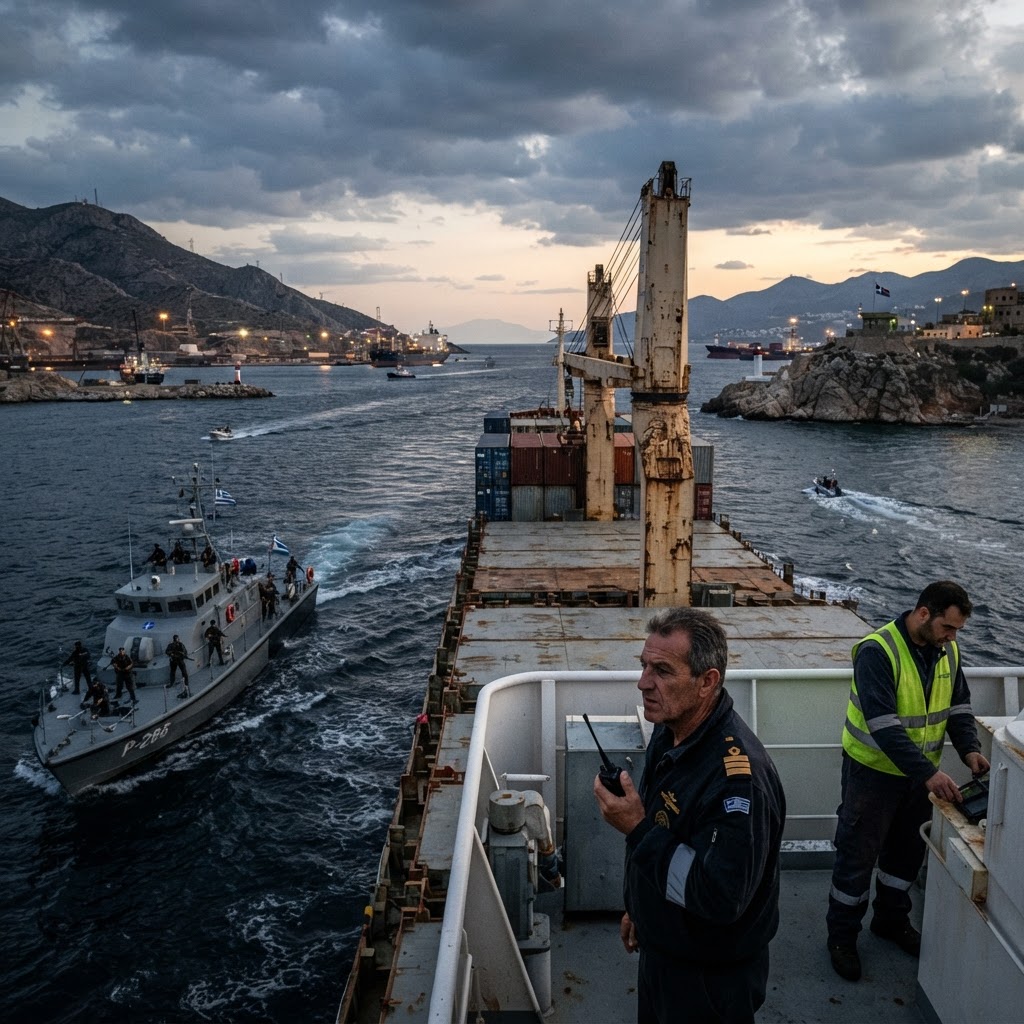
Global Flashpoints Intensify: Shifting Alliances, Energy Chokepoints, and Contested Corridors
Escalating tensions around the Strait of Hormuz and the Arctic corridor, combined with persistent regional hostilities in Eastern Europe and the Middle East, reflect a deeply fragmented international order.