A Volatile Global Landscape: Escalating Middle East Tensions, Shifting Alliances, and Diplomatic Cross-Currents
Recent developments across world affairs highlight rising geopolitical tensions, as maritime standoffs and domestic political shifts in the Middle East intersect with broader diplomatic and technological friction.
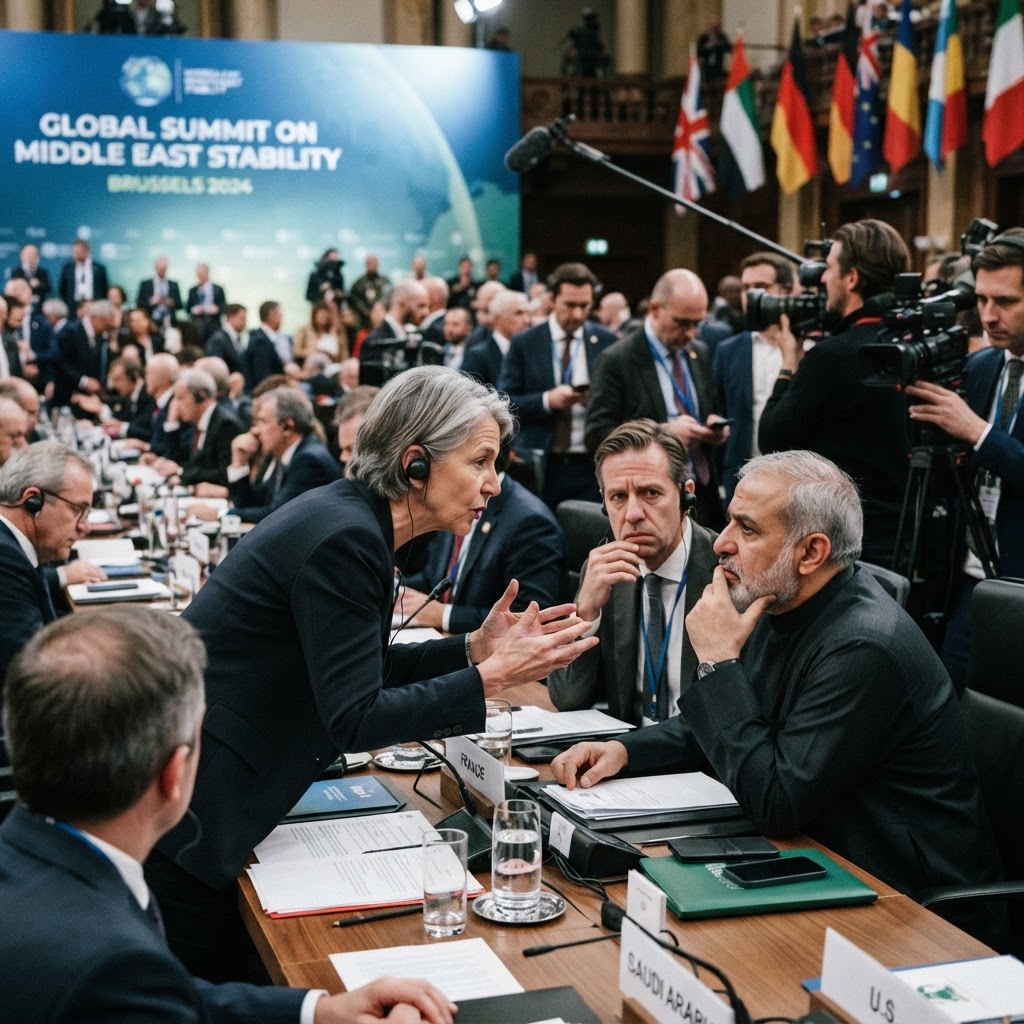
Rising Military and Maritime Frictions in the Middle East
International affairs in recent days have been shaped by a stark escalation in regional tensions across the Middle East. Maritime operations in critical waterways such as the Gulf of Oman have intensified, marked by reported actions by the United States to enforce embargoes and interdict cargo vessels suspected of navigating restricted shipping corridors, as detailed by Al Jazeera. In parallel, sharp rhetoric from military officials in Tehran has warned of asymmetric retaliatory measures that disregard regional geographic boundaries in response to expanded Western naval and economic blockades, according to reporting from the Hindustan Times. These incidents have renewed anxiety over commercial navigation in the Persian Gulf and adjacent straits, reminding global markets of the fragility of maritime supply lines in times of sustained diplomatic breakdown.
Political Realignment in Israel
Compounding the regional instability are dramatic political shifts inside Israel. In a notable constitutional turn reported by NPR, Israeli President Isaac Herzog moved to tap opposition leader Gadi Eisenkot, rather than long-serving Prime Minister Benjamin Netanyahu, with the task of forming a governing coalition following inconclusive parliamentary elections. This development signals a potential reconfiguration of Israel's domestic politics and strategic decision-making. Coalition negotiations in Jerusalem remain fraught, as disparate factions grapple with competing priorities regarding ongoing security campaigns, regional normalization talks, and judicial reform. Observers throughout allied capitals and regional neighbors are watching closely to see whether a unity or centrist-led coalition can bridge internal fractures or if the mandate will stall in protracted gridlock.
European Security Dilemmas and Ongoing Wars
In Europe, the security debate remains tied to the protracted conflict between Russia and Ukraine. Ukrainian leadership continues to express vocal reservations regarding proposed continental security pacts or interim frameworks that risk institutionalizing territorial partitions without first ending the war on sovereign terms, as documented by NewKerala.com. Concurrently, European policymakers face mounting structural challenges, from the protection of critical digital and energetic infrastructure to the logistical management of cross-border defense supply chains. Strains over defense spending and transatlantic trade adjustments are driving renewed calls among EU member states to balance autonomous military readiness with traditional treaty commitments.
Technological Rivalry and Intelligence Crosscurrents
Beyond traditional battlefields, the arena of international diplomacy is increasingly intertwined with economic and technological competition. Corporate and state-level investigations into corporate espionage, influence operations, and the vulnerabilities of critical semiconductor supply chains have dominated discussions between Western economies and East Asian competitors, according to reports from NDTV and Euronews. As high-tech leadership becomes synonymous with sovereign leverage, security agencies across multiple capitals are reinforcing scrutiny over executives, dual-use technologies, and strategic partnerships, demonstrating that twenty-first-century statecraft is being fought as much in corporate boardrooms and research labs as it is in traditional diplomatic chambers.
Recommended for you
Similar to “World Affairs”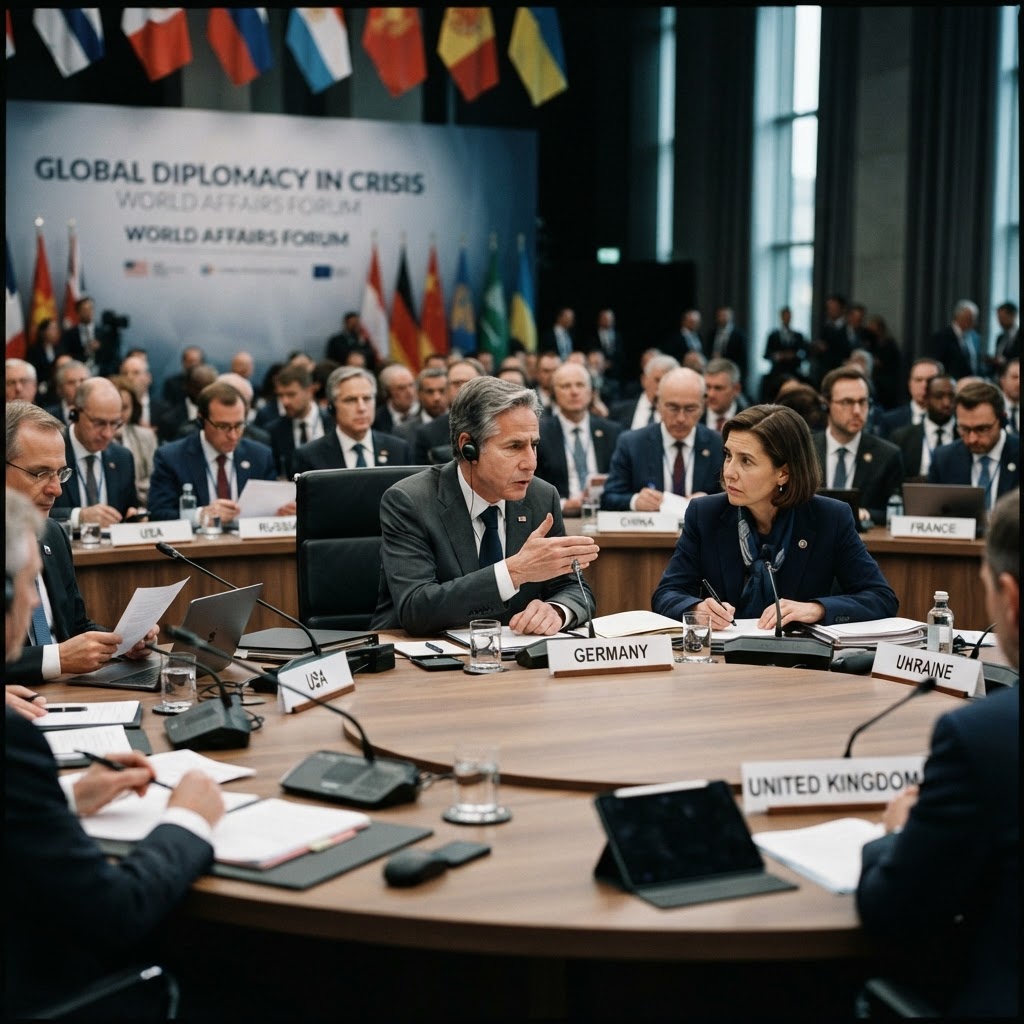
Global Diplomacy Strained as Energy Pacts, Weapon Shortages, and Political Fractures Reshape World Order
Recent diplomatic realignments, shifting energy agreements between major powers, and escalating regional tensions across Eastern Europe, the Middle East, and Asia are testing long-standing geopolitical alliances.
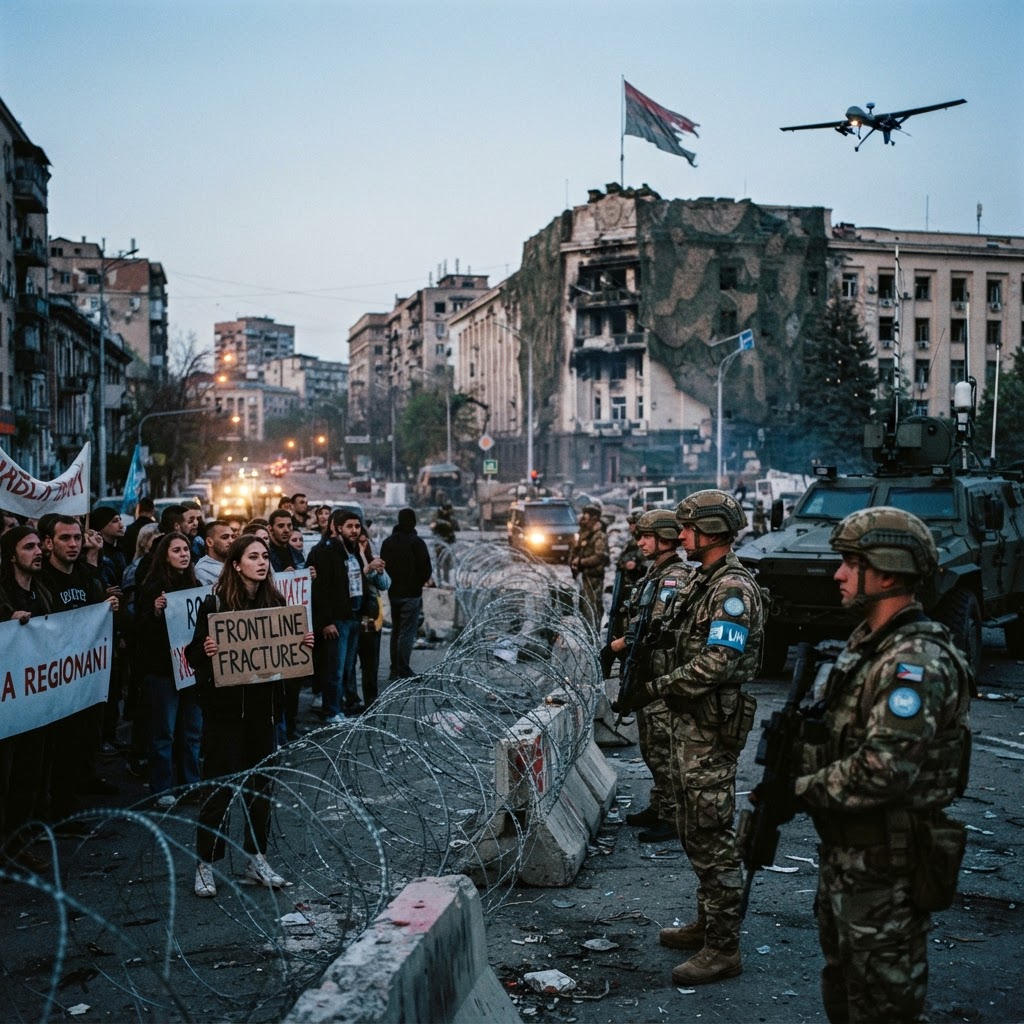
Global Flashpoints Intensify: Shifting Frontlines, Technological Brinkmanship, and Internal Fractures
Escalating cross-border strikes in Eastern Europe, advanced autonomous weapons testing in East Asia, and domestic unrest across Western democracies highlight a fractured international order navigating high geopolitical friction.
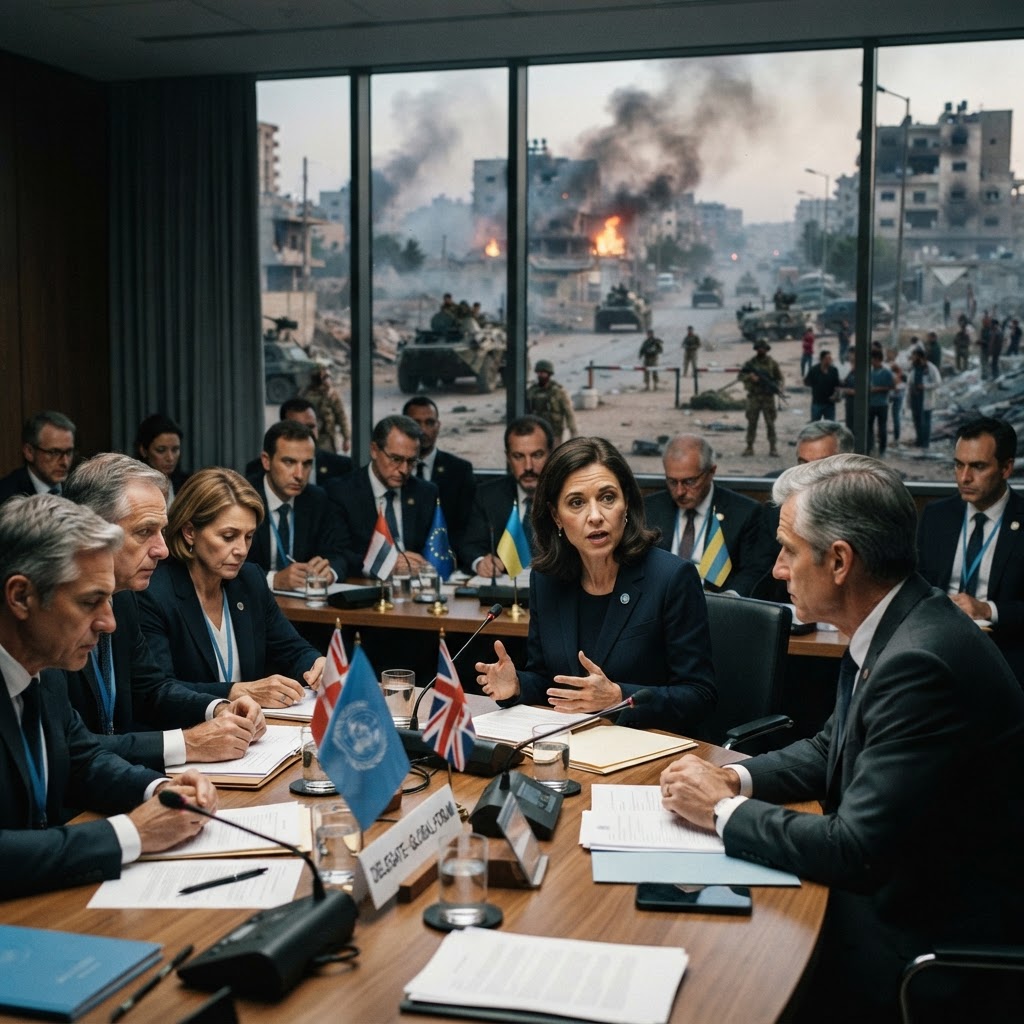
Fragile Diplomacy and Escalating Fronts: Global Tensions Test International Order
High-stakes diplomatic negotiations in the Middle East and Eastern Europe face mounting strain as battlefield strikes, political shakeups, and maritime friction disrupt peace efforts across multiple continents.