Global Health at a Crossroads: Resurgent Outbreaks, Workforce Deficits, and Emerging Environmental Threats
Recent surveillance updates from international agencies highlight intensified cross-border disease containment efforts, escalating climate risks for maternal health, and a looming deficit among healthcare professionals.
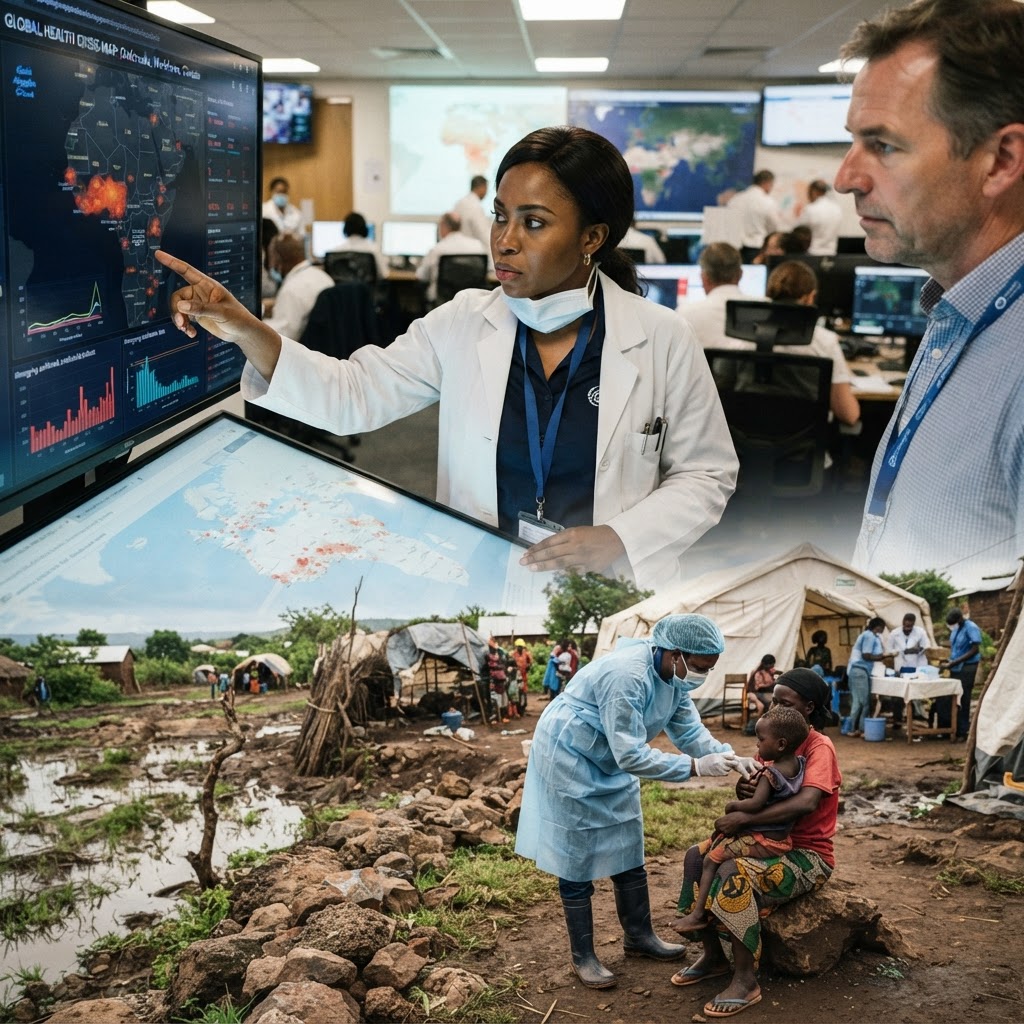
Public health authorities worldwide are facing a multifaceted array of structural pressures and infectious threats. From cross-border containment measures targeting viral hemorrhagic fevers to structural challenges like medical workforce retirements and climate-related health risks, global systems are being tested across multiple fronts simultaneously. The latest developments from international monitoring agencies illustrate an urgent need for adaptive public health infrastructures that can respond rapidly to both sudden outbreaks and systemic vulnerabilities.
Cross-Border Containment and Infectious Disease Alerts
International attention has sharply focused on central and eastern Africa following new notifications regarding Ebola disease transmission. According to reporting from the World Health Organization, public health agencies are actively monitoring outbreaks of Ebola caused by the Bundibugyo virus. Regional surveillance was placed on alert following travel-associated cases reaching urban centers, including a fatality reported in Nairobi, Kenya, after an individual traveled from the Democratic Republic of the Congo, as well as an imported case confirmed in Abuja, Nigeria.
Surveillance units are emphasizing contact tracing and targeted medical isolation to avert community transmission. Analysis by the U.S. Centers for Disease Control and Prevention indicates that the wider international risk of transmission outside the immediate region remains low, even as national teams in affected countries work closely with local clinics to strengthen clinical triage protocols. Concurrently, regional monitoring highlights ongoing battles against persistent bacterial threats; cholera cases and fatalities have shown worrying spikes in several jurisdictions, prompting targeted vaccination interventions and enhanced water safety enforcement.
A Looming Crisis in the Medical Workforce
Compounding the difficulties of sudden infectious surges is an accelerating demographic challenge in healthcare systems. A landmark report from the World Health Organization reveals that approximately one in four doctors globally is nearing retirement age. While the gross global number of health and care workers has climbed significantly over the past two decades, distribution remains acutely unequal, with shortages heavily concentrated in low- and middle-income regions.
Healthcare administrators warn that as senior practitioners leave clinical service, training pipelines and retention strategies must accelerate to prevent widespread shortages in critical care, pediatrics, and surgical support. This workforce aging is coupled with an unequal correlation between health worker density and national gross domestic product, leaving lower-resourced clinics particularly vulnerable to staff deficits during localized public health emergencies.
Environmental Hazards and Vulnerable Demographics
In addition to staffing shortages and acute contagion, health organizations are increasingly grappling with environmental and non-communicable hazards. International bodies have deployed a new global tracking framework designed to measure the growing physical toll of extreme heatwaves, specifically evaluating impacts on pregnant women, newborns, and young children. Rising ambient temperatures have been shown to exacerbate maternal hypertension and increase the likelihood of adverse birth outcomes.
Environmental health initiatives are also renewing efforts against chronic toxic exposures. International agencies continue to call for stringent regulatory policies against environmental lead contamination, which contributes to millions of preventable deaths each year through long-term cardiovascular and neurological deterioration.
Long-Term Vital Statistics and Recovery Metrics
Despite these complex headwinds, broad population metrics point to a degree of resilience following several years of acute disruption. Data compiled by the United Nations indicates that global life expectancy has largely returned to near pre-pandemic baselines, reaching an average of roughly 73.3 years. However, public health analysts note a disparity between overall lifespan and healthy life expectancy, the latter of which measures years lived without disabling chronic disease.
As global life spans recover, national agencies are shifting their focus to lifestyle, metabolic health, and chronic illness prevention. The publication of recent clinical guidelines targeting child and adolescent obesity, along with research into adherence to cardiovascular maintenance medications, underscores an ongoing shift. To safeguard broader health gains, future healthcare planning must bridge the gap between rapid outbreak management and sustained, long-term disease management.
Recommended for you
Similar to “Global Health”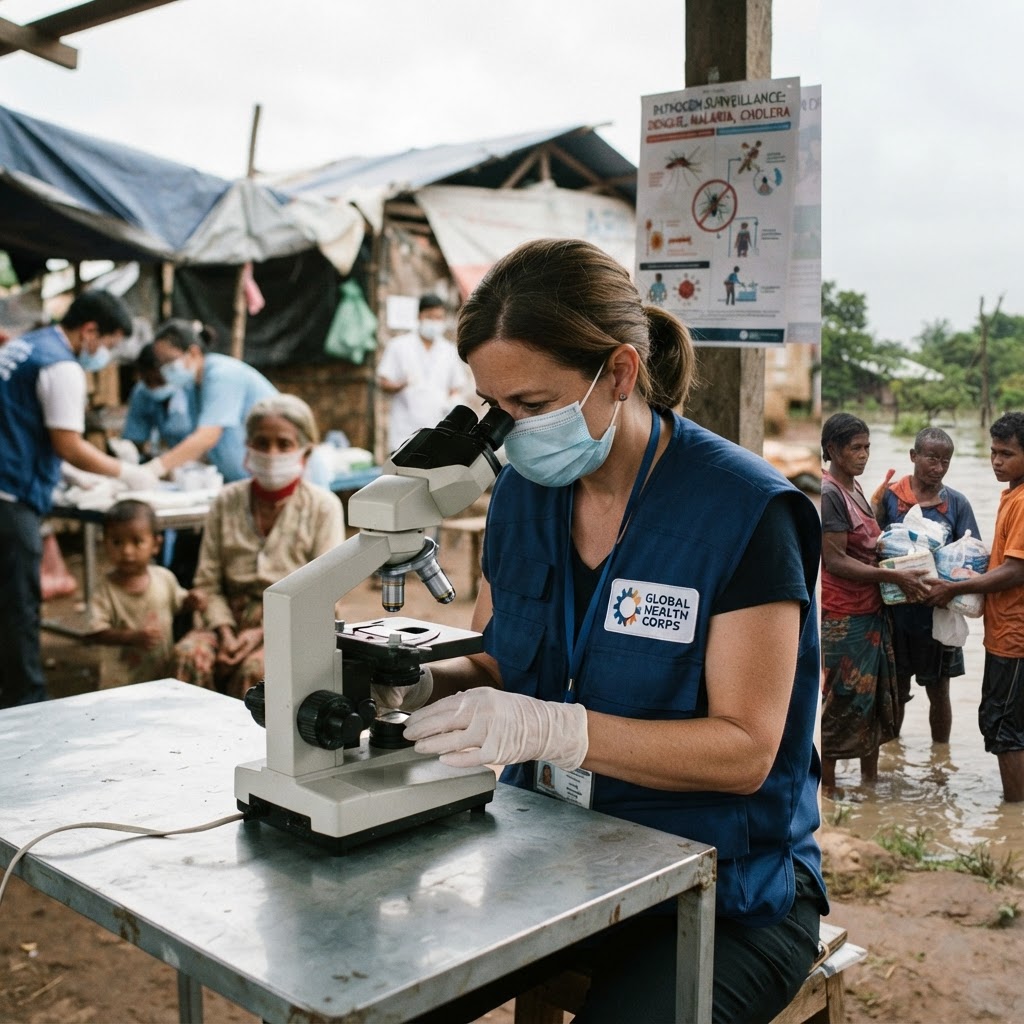
Global Health at a Crossroads: Resurgent Pathogens, Climate Threats, and Shifting Demographic Landscapes
Recent international health reports underscore a complex landscape where rebound gains in global life expectancy face escalating pressures from regional disease outbreaks, climate-driven heat risks, and chronic maternal conditions.
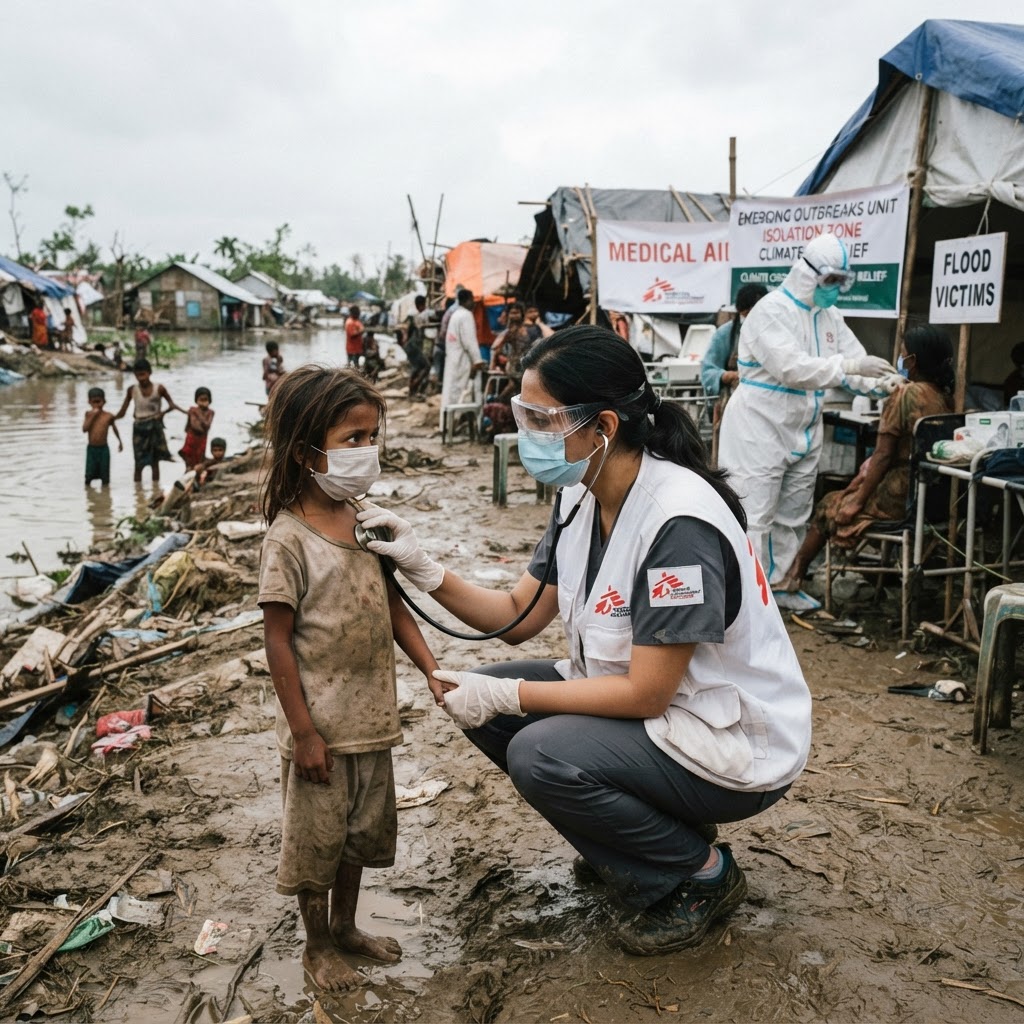
A Dual Front in Global Health: Balancing Escalating Climate Crises and Emerging Infectious Outbreaks
Recent high-level scientific findings and international health directives highlight an urgent dual challenge: mounting climate impacts pushing health systems to their limits, alongside new trial innovations to curb spreading viral threats.

Frontiers in Global Medicine: Tackling Emerging Outbreaks, Metabolic Threats, and Epidemic Preparedness
Recent international health updates spotlight concerted actions against infectious disease outbreaks, innovative strategies for epidemic surveillance, and major scientific insights into chronic metabolic disorders.