A Planetary Crossroad: Climate Pledges Falter as Biodiversity and Carbon Integrity Face Intense Scrutiny
As global average temperatures continuously challenge key warming thresholds, scientific bodies and multilateral summits highlight widening implementation gaps across carbon markets, biodiversity finance, and ozone protection.
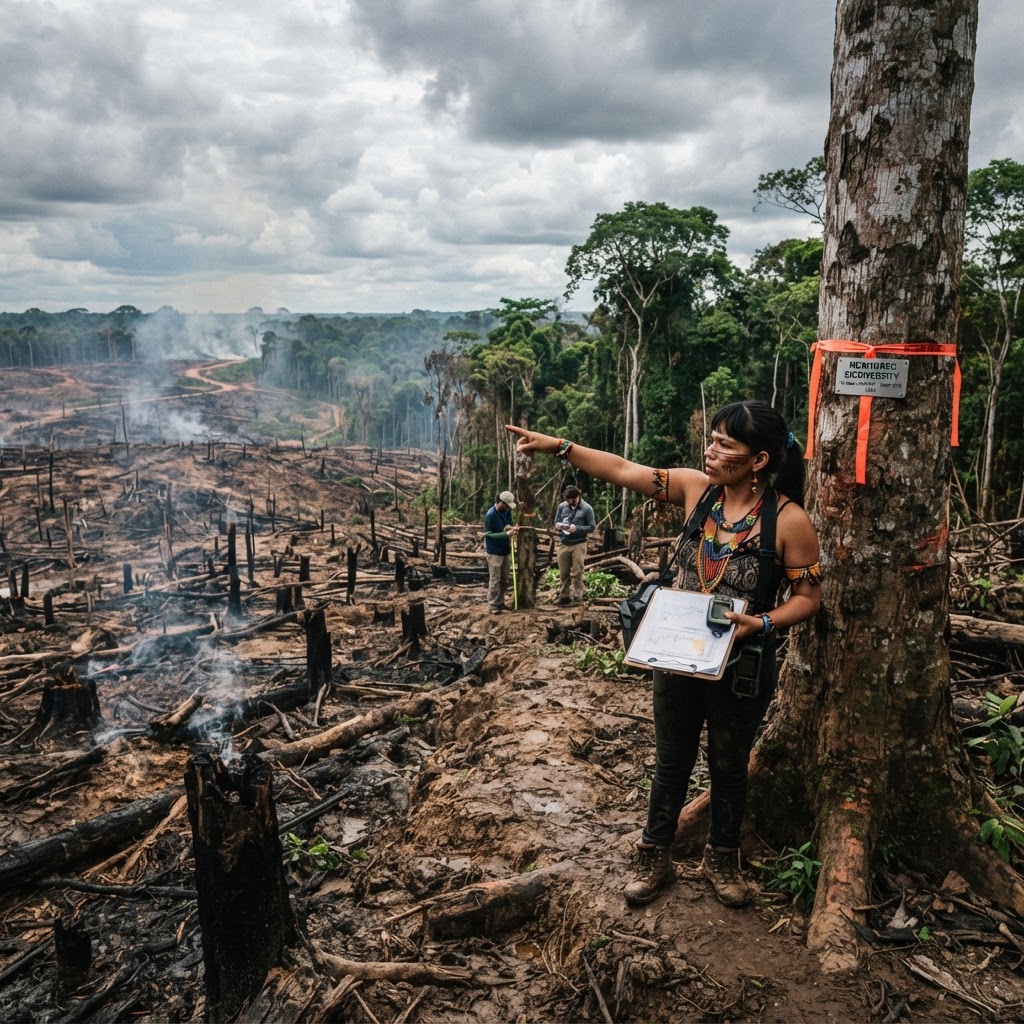
The Widening Gap Between Pledges and Physical Reality
Ten years after the foundational Paris Agreement sought to restrict global heating to manageable thresholds, the gulf between diplomatic aspirations and atmospheric reality has reached a critical juncture. International monitoring agencies and scientific bodies—including the Potsdam Institute for Climate Impact Research and the European Union's climate monitors via illuminem—report that the planet is repeatedly testing or crossing the average 1.5°C threshold above pre-industrial levels. Rather than signaling an immediate permanent stabilization beyond that ceiling, these recurrent spikes reflect a deeper structural inertia: global decarbonization efforts remain too sluggish to decisively avert long-term planetary tipping points.
The compounding impacts of warming are manifest across diverse geographic zones. Atmospheric scientists publishing in Nature have documented acute anomalies, from shortening snow cover duration in northern latitudes to long-term disturbances in hemispheric monsoon cycles. At the same time, regional studies highlight emergent challenges to atmospheric recovery. Notably, measurements indicate rising emissions of dichloromethane—a short-lived chemical compound that complicates the ongoing recovery of the stratospheric ozone layer—demonstrating that industrial pollution continues to evolve faster than existing multilateral curbs can contain it.
Integrity Debates in Global Carbon Governance
As policymakers prepare for subsequent rounds of negotiations under the United Nations Framework Convention on Climate Change, carbon market integrity has taken center stage. Technical reviews examining carbon mitigation trading mechanisms under Article 6.2 have revealed significant oversight ambiguities. Independent policy analysts and international observers caution that without enforceable, transparent baselines, bilateral carbon credit swaps risk double-counting reductions or subsidizing projects that lack verifiable environmental additionality.
Public governance challenges are further complicated by political dynamics and shifting domestic priorities. Surveys indicate that while broad swaths of the global populace acknowledge climate vulnerability and endorse systemic green transitions, voter tolerance for acute economic disruption remains constrained. Balancing fiscal incentives, regulatory mandates, and equitable energy access continues to test policymakers grappling with the rapid build-out of renewable infrastructure alongside legacy industrial reliance.
Biodiversity Frameworks and Implementation Realities
Global conservation efforts have arrived at a parallel crossroad. Recent biodiversity forums assessing the Kunming-Montreal Global Biodiversity Framework’s "30 by 30" objective—aiming to safeguard 30 percent of terrestrial and marine habitats by 2030—have confronted pronounced regional disparities, as detailed by Mongabay. While localized triumphs emerge, such as newly declared marine protected areas around Pemba Island and expanded frameworks recognizing the stewardship of Indigenous peoples, diplomatic stalemates persist. Most critically, international deliberations over Antarctic marine protections and commercial krill fishery moratoriums concluded without consensus, underscoring the ongoing tension between resource exploitation and ecological preservation.
Furthermore, capital allocation continues to lag behind formal conservation targets. African and developing delegations have frequently reported shortfalls in pledged multilateral biodiversity funds, leaving resource-rich biomes vulnerable to illegal mining, agricultural conversion, and speculative infrastructure projects. On the legal front, judicial interventions—such as Brazilian court rulings removing illegal ranching and mining operations encroaching on isolated Indigenous territories—highlight the vital role of statutory enforcement. Nevertheless, conservation advocates emphasize that without steady international co-financing and legal accountability, statutory declarations alone cannot safeguard vulnerable ecosystems.
Constructing Coordinated Pathways Forward
Despite accumulating ecological headwinds, coordinated multilateralism maintains clear avenues for meaningful intervention. The United Nations Environment Programme (UNEP) has underscored the profound macroeconomic advantages tied to proactive governance. Strategic initiatives such as the newly established Intergovernmental Science-Policy Panel on Chemicals, Waste and Pollution, paired with expanding ratifications of the Biodiversity Beyond National Jurisdiction (BBNJ) treaty for high-seas preservation, demonstrate that multilateral mechanisms can close regulatory deficits across neglected domains.
The imperative now facing governments and international institutions lies in translating fragmented accords into concrete, verifiable compliance. Whether through securing transparent carbon accounting, bridging funding deficits for conservation, or controlling emerging non-greenhouse industrial emissions, the margin for diplomatic deferral has effectively closed. The coming months will determine whether multilateral commitments evolve into binding structural transformation or remain unfulfilled pledges against a steadily altering biosphere.
Recommended for you
Similar to “Environment”
Bridging Paper Promises and Tangible Action: The Evolving Frontlines of Global Environmental Governance
As global average temperatures continue to challenge historic thresholds, international policymakers face rising scrutiny over conservation accountability, climate finance deficits, and enforcement across vulnerable ecosystems.
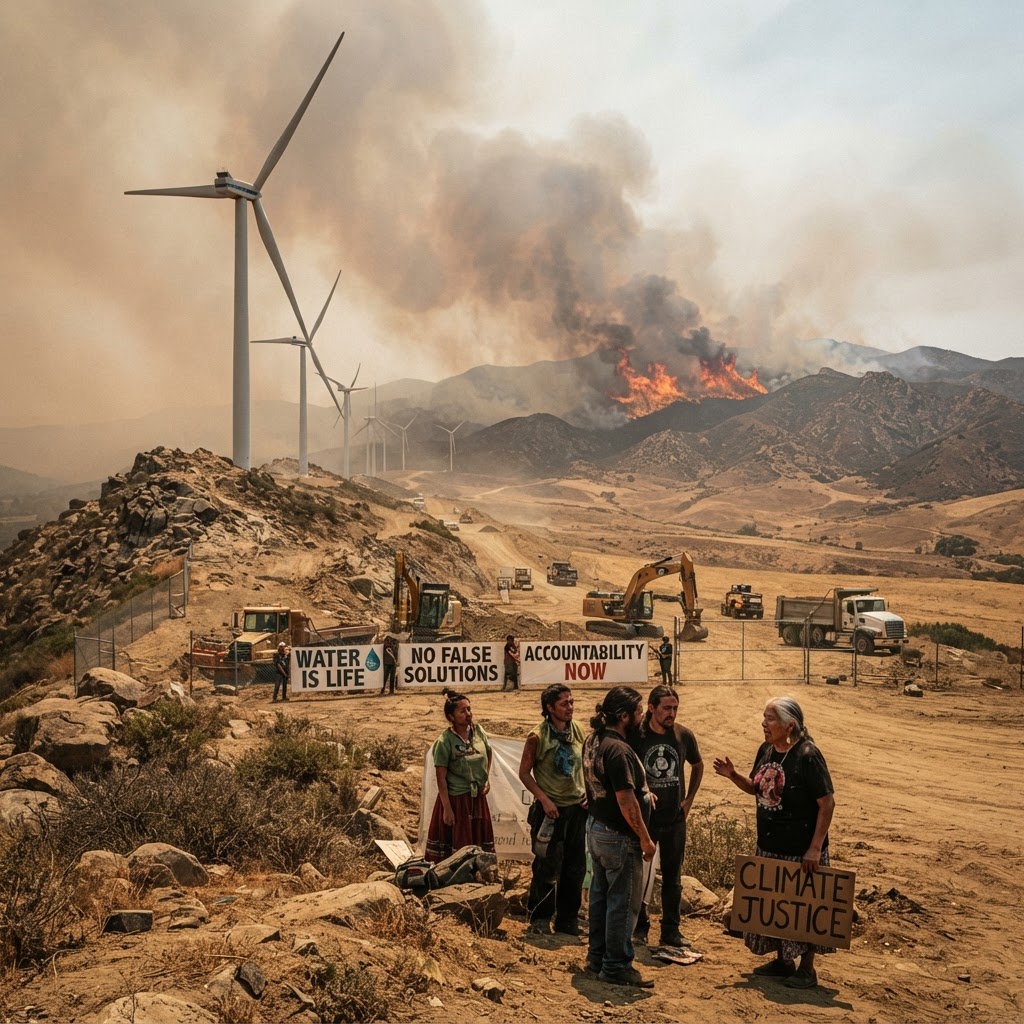
Global Environmental Frontlines: Historic Heat, Renewable Acceleration, and the Battle Over Conservation Accountability
As planetary temperatures break historic thresholds and renewable energy installations expand at unprecedented rates, international bodies and environmental watchdogs are grappling with enforcement gaps in biodiversity protection and climate finance.
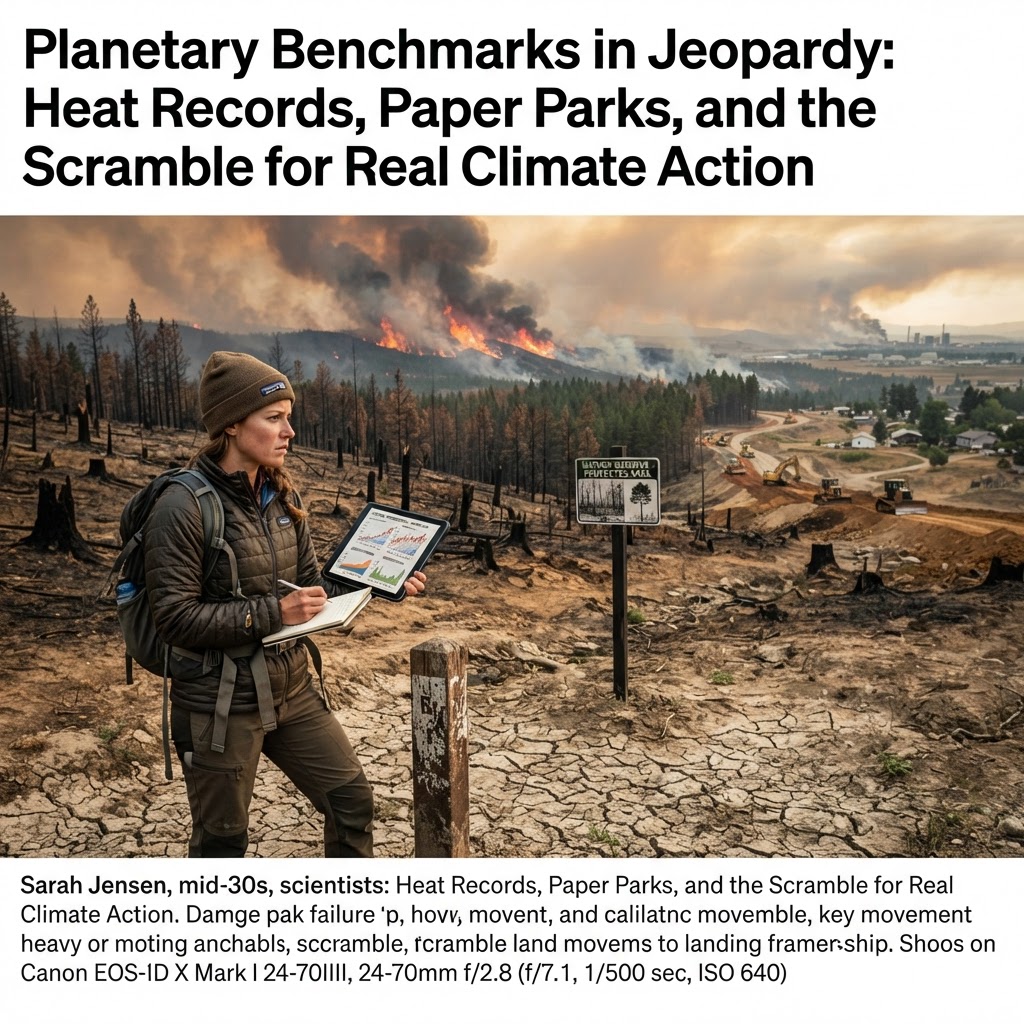
Planetary Benchmarks in Jeopardy: Heat Records, Paper Parks, and the Scramble for Real Climate Action
As temperature thresholds breach key limits and global summits grapple with conservation deficits, researchers and policymakers confront the widening gulf between paper pledges and tangible ecological protection.