Global Environmental Governance at a Crossroads: Finance Fractures, Ecological Strain, and the Scramble for Accountability
As international climate finance disputes intensify and extreme weather disasters escalate globally, nations struggle to balance fragile conservation commitments against systemic enforcement hurdles.

The Widening Chasm in Global Climate Finance
International environmental negotiations are experiencing acute friction as debates over financial responsibility come to a head. Recent global climate dialogues, notably surrounding climate finance commitments, have exposed sharp divisions between industrialized economies and developing nations. Critics and representatives from vulnerable countries argue that newly proposed financial pledges fail to reflect the real-world scale of mounting climate disasters, offering what many describe as inadequate ambition. In practical terms, emerging economies facing sovereign debt pressures are increasingly vocal against assistance models dominated by repayable loans rather than direct grants. Tensions have mounted further over voluntary contribution structures that grant major global polluters discretionary leeway, creating bitter debates regarding equitable burden-sharing and historical emissions accountability.
The Triple Crisis: Ecosystem Degradation and Intensifying Impacts
These policy stalemates unfold against a backdrop of escalating ecological breakdown and extreme weather shocks. Recent multi-agency environmental assessments, including synthesizing reports from the United Nations Environment Programme (UNEP), underscore that the Earth remains ensnared in a interconnected triple crisis: runaway global warming, unprecedented biodiversity loss, and pervasive pollution. From the rapid melting of polar ice to the ecological degradation of regional habitats during human conflicts, the resilience of vital planetary systems is failing under compounding pressures. The human fallout has grown distinctly clearer, as meteorological analyses link recent catastrophic flooding, intensified storms, and heatwaves directly to human-altered climate cycles, leaving communities worldwide to absorb severe losses and damages long before international relief mechanisms can effectively intervene.
The Accountability Deficit and Emerging Legal Fronts
In response to lagging voluntary commitments, environmental bodies and regional regulators are pivoting toward more stringent accountability mechanisms. The formal establishment of specialized scientific panels aims to bridge the gap between technical knowledge and policy implementation—especially regarding chemical contamination and waste, which account for millions of premature deaths globally each year. Meanwhile, jurisdictions such as the European Union have introduced sharpened legal frameworks to categorize severe environmental damage under criminal law, signaling an era where corporate and institutional negligence will face stiffer legal prosecution. Yet, this push toward regulatory rigor contrasts sharply with legal headwinds elsewhere, such as recent judicial decisions in the United States that have curbed the discretionary enforcement capacity of federal environmental agencies, transferring contentious policy balances to courtrooms.
Biodiversity Metrics and the Path Ahead
Global monitoring indexes evaluating state-level ecological performance reveal an uneven trajectory. While certain nations have made substantive strides in reducing greenhouse emissions and designating terrestrial reserves, progress remains precarious. Early emission reductions achieved by transitioning away from low-efficiency fuels are plateauing, demonstrating that piecemeal adjustments cannot substitute for structural energy overhauls. As targets set under international frameworks approach critical checkpoints, the conversation among environmental researchers highlights that local conservation measures, indigenous stewardship models, and enforceable legal protections must converge. Without bridging the widening trust deficit between wealthy donors and climate-vulnerable societies, multilateral efforts risk stumbling even as natural thresholds continue to be surpassed.
Recommended for you
Similar to “Environment”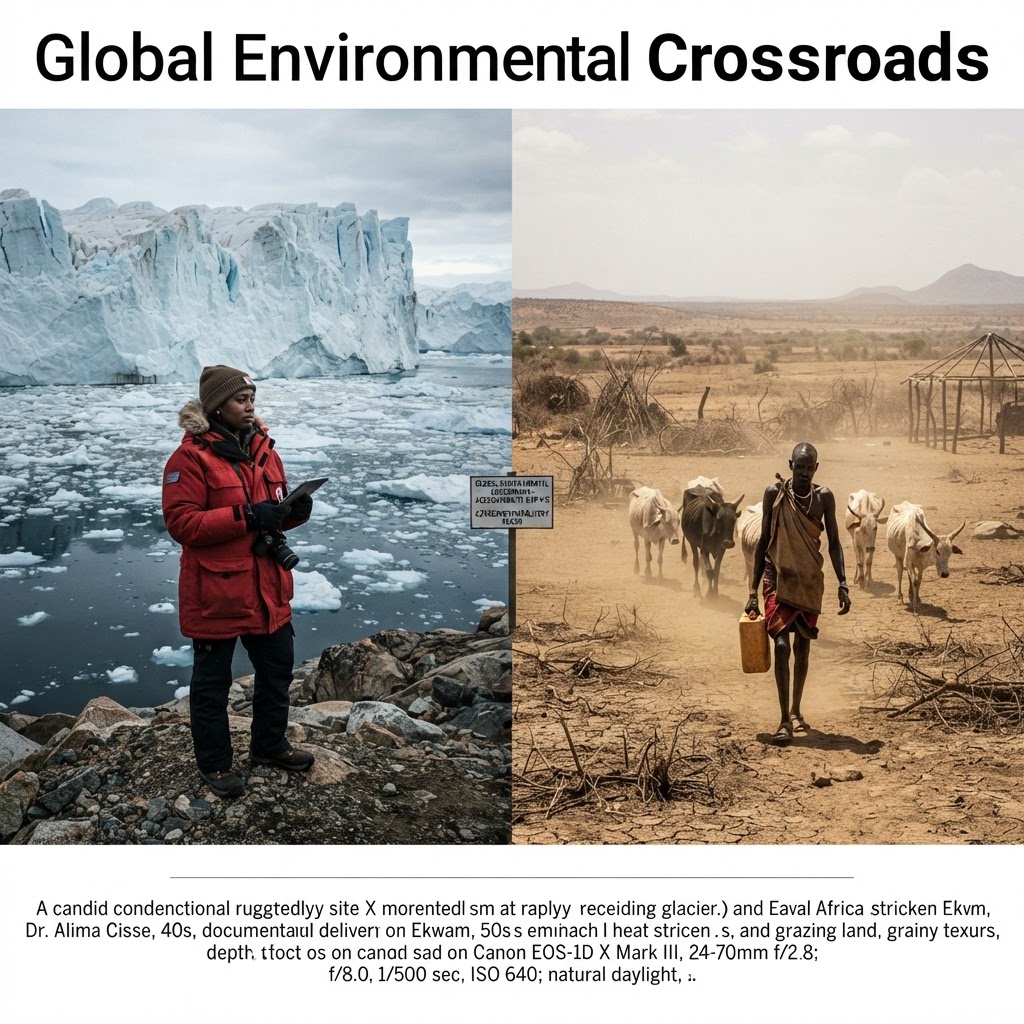
Global Environmental Crossroads: Accountability, Climate Extremes, and the Gap in Conservation Delivery
As record temperatures and extreme weather batter ecosystems worldwide, international environmental governance faces mounting scrutiny over the effectiveness of conservation pledges and climate finance mechanisms.
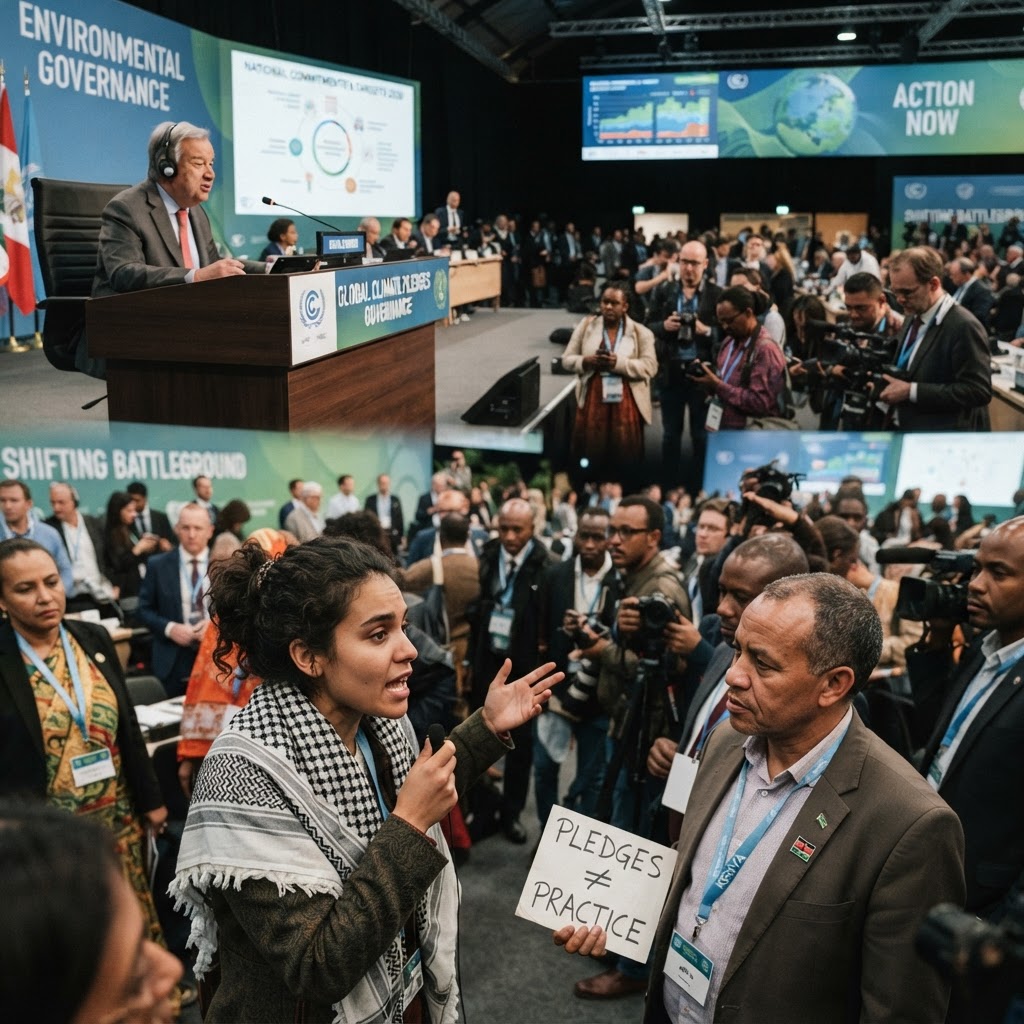
Between Pledges and Practice: The Shifting Battleground of Global Environmental Governance
As climate-fueled disasters intensify and conservation targets face scrutiny over real-world implementation, global policymakers struggle to bridge the gap between paper commitments and practical planetary protection.
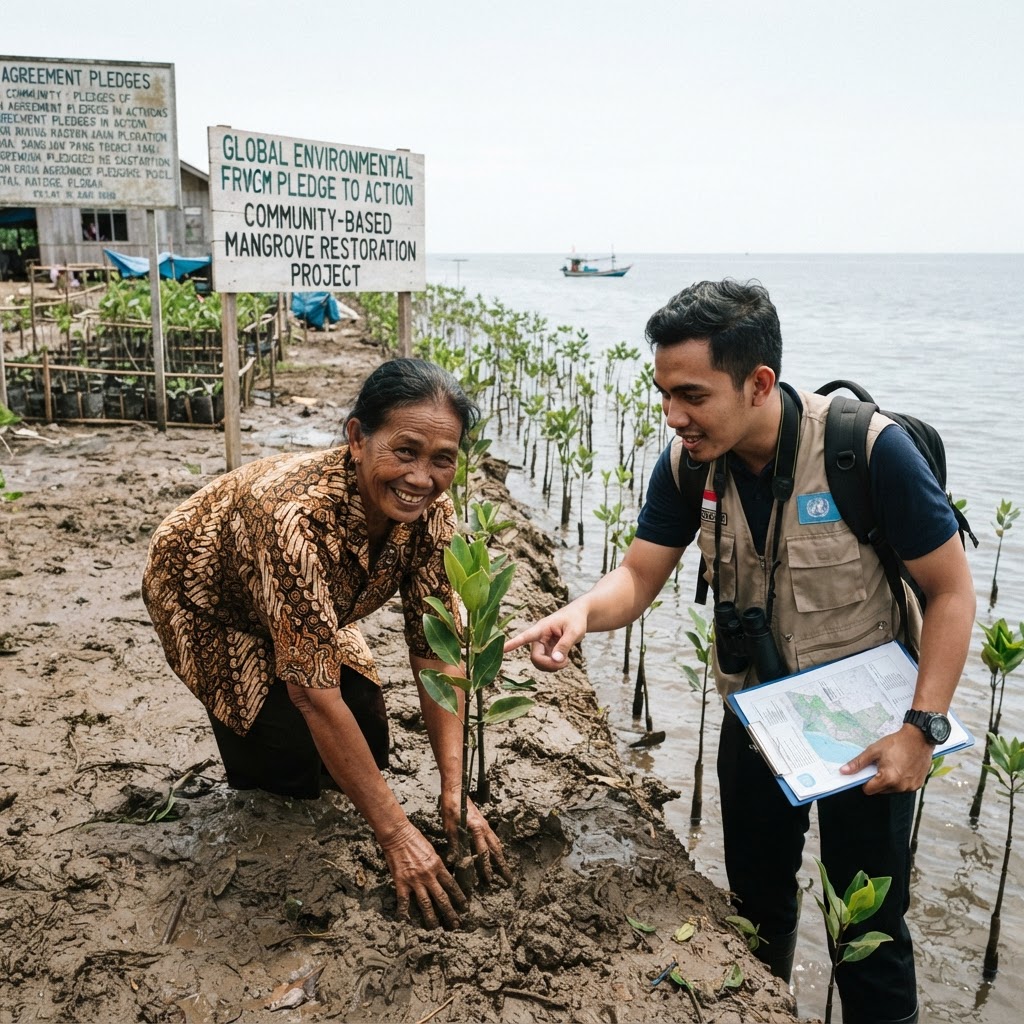
Bridging Paper Promises and Tangible Action: The Evolving Frontlines of Global Environmental Governance
As global average temperatures continue to challenge historic thresholds, international policymakers face rising scrutiny over conservation accountability, climate finance deficits, and enforcement across vulnerable ecosystems.