The Fracture of Global Trust: Why Multilateralism Still Matters in an Era of Great Power Rivalry
As public faith in global superpowers wavers amid escalating geopolitical friction, international commentary and polling reveal a decisive turn toward collective security institutions over unilateral hegemony.
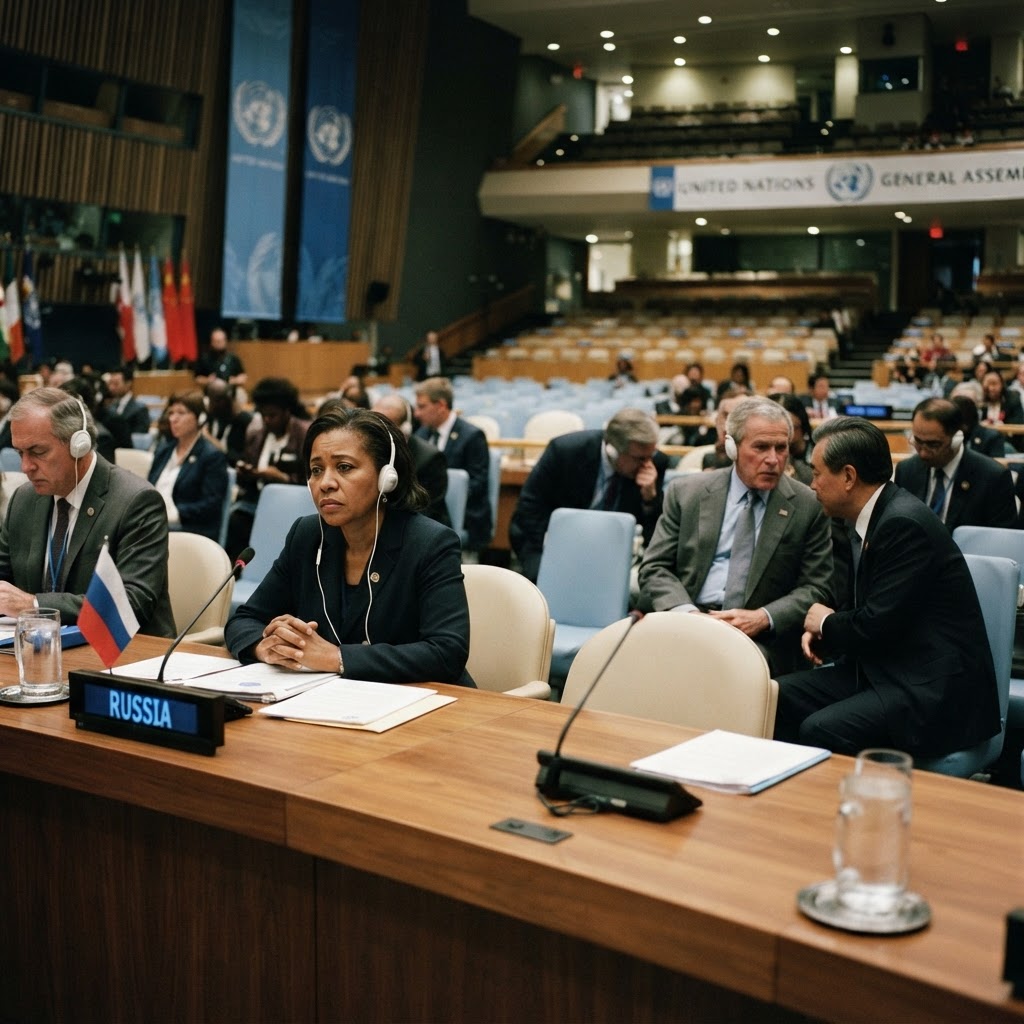
The Shifting Contours of Global Leadership
In international relations, public perception often serves as an early harbinger of systemic realignment. Over recent days, opinion columns and editorial boards worldwide have grappled with a defining reality: the post-Cold War presumption of unchallenged leadership has disintegrated, replaced by a precarious landscape of competing interests, strategic hedge positions, and pervasive public anxiety. Commentary highlighting shifts in global attitudes indicates that neither the United States nor China commands an uncontested moral mandate to lead the 21st-century order.
As explored in regional perspectives, such as coverage synthesized by The Rising Nepal and regional security analyses in The Express Tribune, developing nations increasingly reject being treated as passive chess pieces in great-power rivalry. Whether analyzing bilateral economic corridors, foreign infrastructure projects, or the enduring risks of proxy confrontation, commentators across the Global South emphasize national agency. Rather than automatically falling in line behind Washington or Beijing, middle-tier states are diversifying their geopolitical portfolios, prioritizing immediate trade vitality and regional stability over ideological alignment.
The Growing Appetite for Collective Security
This rising skepticism toward unilateral superpower leadership aligns directly with recent global data. A comprehensive survey released by The Rockefeller Foundation illustrates that nearly seven in ten citizens globally feel the world has deteriorated over the past year. Crucially, however, pervasive pessimism has not bred isolationism. Instead, the public has increasingly prioritized international cooperation, with conflict prevention and peace enforcement emerging as the top demands across both advanced and developing economies.
Remarkably, respondents across thirty-four polled nations demonstrated greater trust in multinational coalitions and international organizations to manage international security than in either the Washington consensus or unilateral Chinese diplomacy. This marks a critical editorial pivot: the public understands that existential challenges—ranging from localized border conflagrations to broader questions of global warfare—cannot be effectively mitigated by individual hegemons acting alone. When security is left to competitive nationalist rhetoric, the risk of miscalculation escalates exponentially.
A Moral Reckoning on Aid and Human Development
The opinion landscape has also turned sharply toward the human cost of fiscal nationalism. Following widespread cuts to foreign developmental assistance among Western donors, editorial observers have highlighted the compounding humanitarian crises facing the world's most vulnerable populations. As public health analyses from institutes like ISGlobal demonstrate, severe funding reductions threaten millions of lives in developing nations through preventable diseases and malnutrition.
When presented with the actual human implications of these austerity policies, strong majorities across diverse political systems favor restoring or expanding international assistance. This dynamic reflects an enduring, if battered, moral conviction among regular citizens: that isolationism carries an intolerable human price. Columnists examining the fractures in international order note that foreign aid is not mere benevolence; it remains one of the most cost-effective investments in cross-border security, pandemic prevention, and economic stabilization.
Rebuilding Multilateralism in a Fractured Era
The collective consensus emerging across contemporary opinion pages points to a paradox. While confidence in major domestic political institutions and individual global leaders remains volatile, demand for practical, effective multilateral governance has rarely been higher. The cynical narrative suggesting that the rules-based international system is dead misinterprets public fatigue with performative summits as a rejection of cooperation itself.
As international observers continue to dissect the shifting balances between rising powers and historical alliances, the path forward requires moving beyond bilateral zero-sum posturing. If global institutions hope to retain legitimacy, they must deliver tangible outcomes in conflict mediation and human security. The public mandate for cooperation remains intact; the remaining challenge is whether international leadership possesses the political courage to honor it.
Recommended for you
Similar to “World Affairs”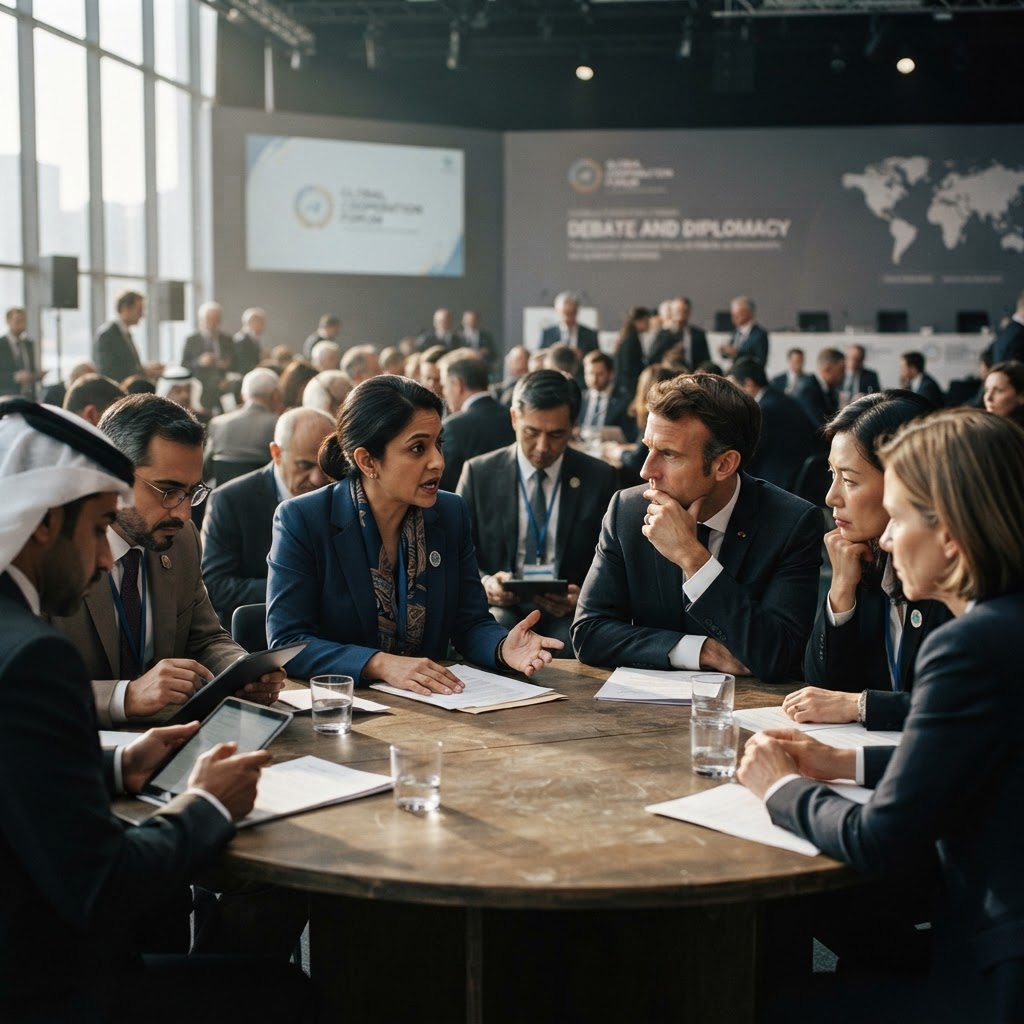
The Fracture of Multilateralism: Why Global Opinion Is Shifting Away from Hegemony Toward Pragmatism
Recent international commentary and worldwide opinion research reveal an escalating disillusionment with traditional Western leadership, as global publics increasingly demand measurable security and tangible economic development over ideological rhetoric.
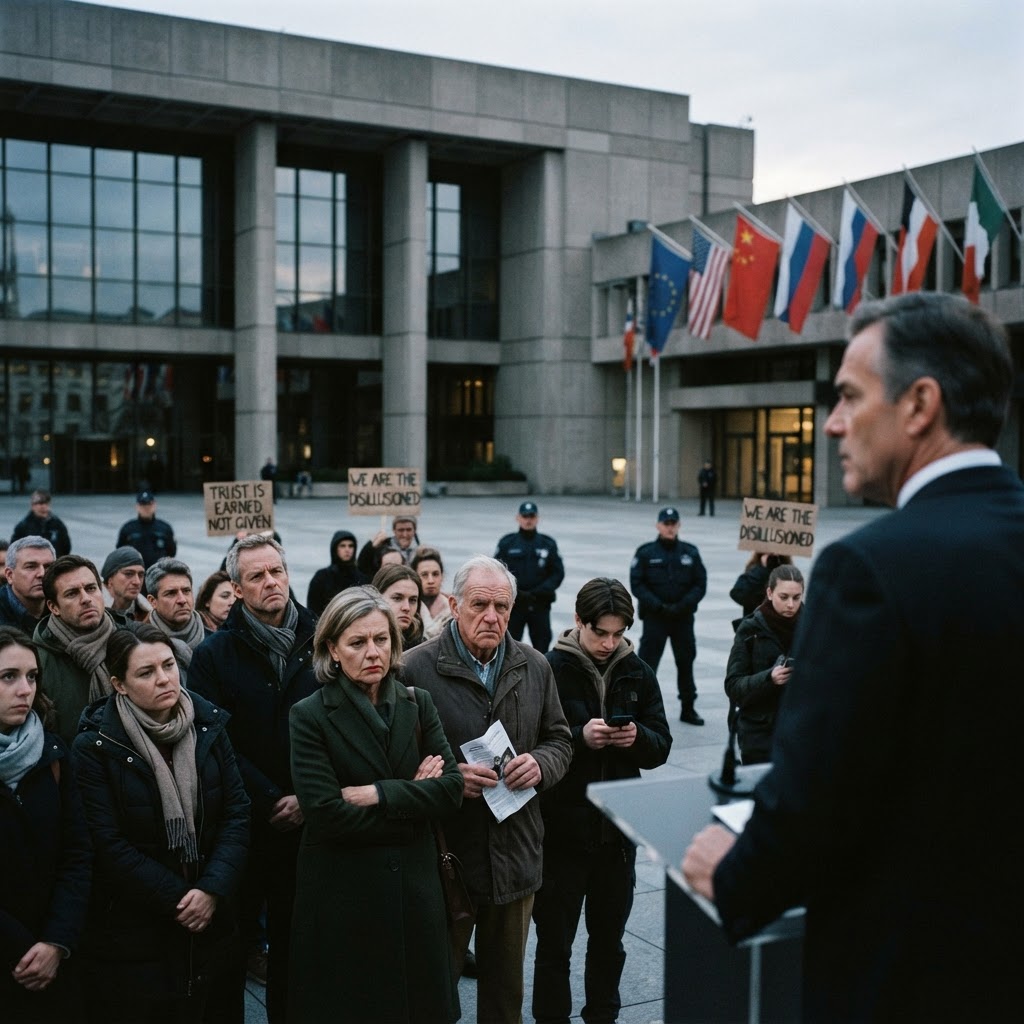
The Shifting Architecture of Global Trust: Why Institutions and Great Powers Are Losing the Public
Recent international commentary and opinion polling reveal a profound realignment in public confidence, as citizens grapple with institutional decay, technological disruption, and volatile great-power competition.
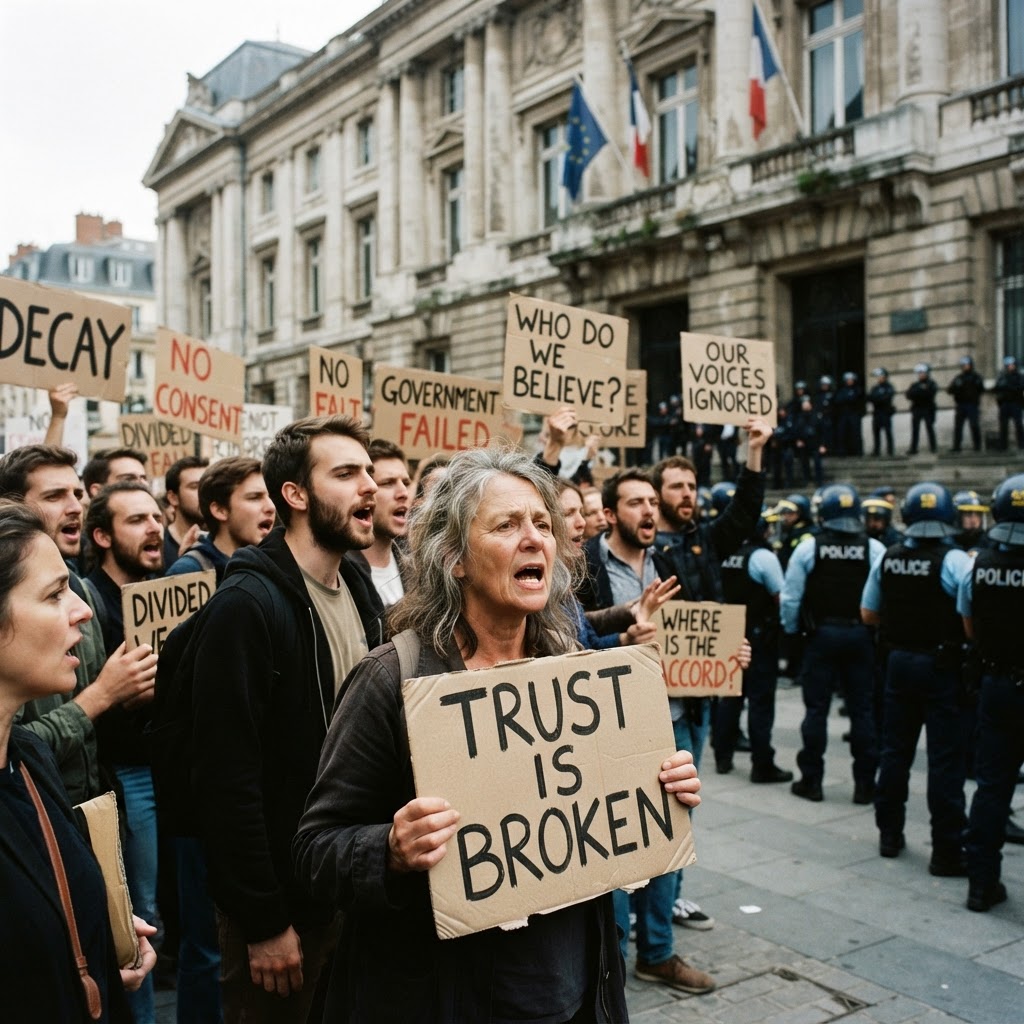
A Fractured Accord: Shifting Public Sentiments and the Erosion of Institutional Trust
Recent commentary and opinion research reveal an escalating crisis of confidence in public governance alongside deep re-evaluations of international alliances. As domestic institutions face plummeting approval, global opinion indicates an increasingly wary and fragmented populace.