The Age of Fractured Certainty: Global Commentators Confront AI Governance and Geopolitical Drift
Across the international opinion landscape, commentators and strategic analysts are debating how emerging technological disruption, energy insecurity, and fragile multilateralism are reshaping global governance.
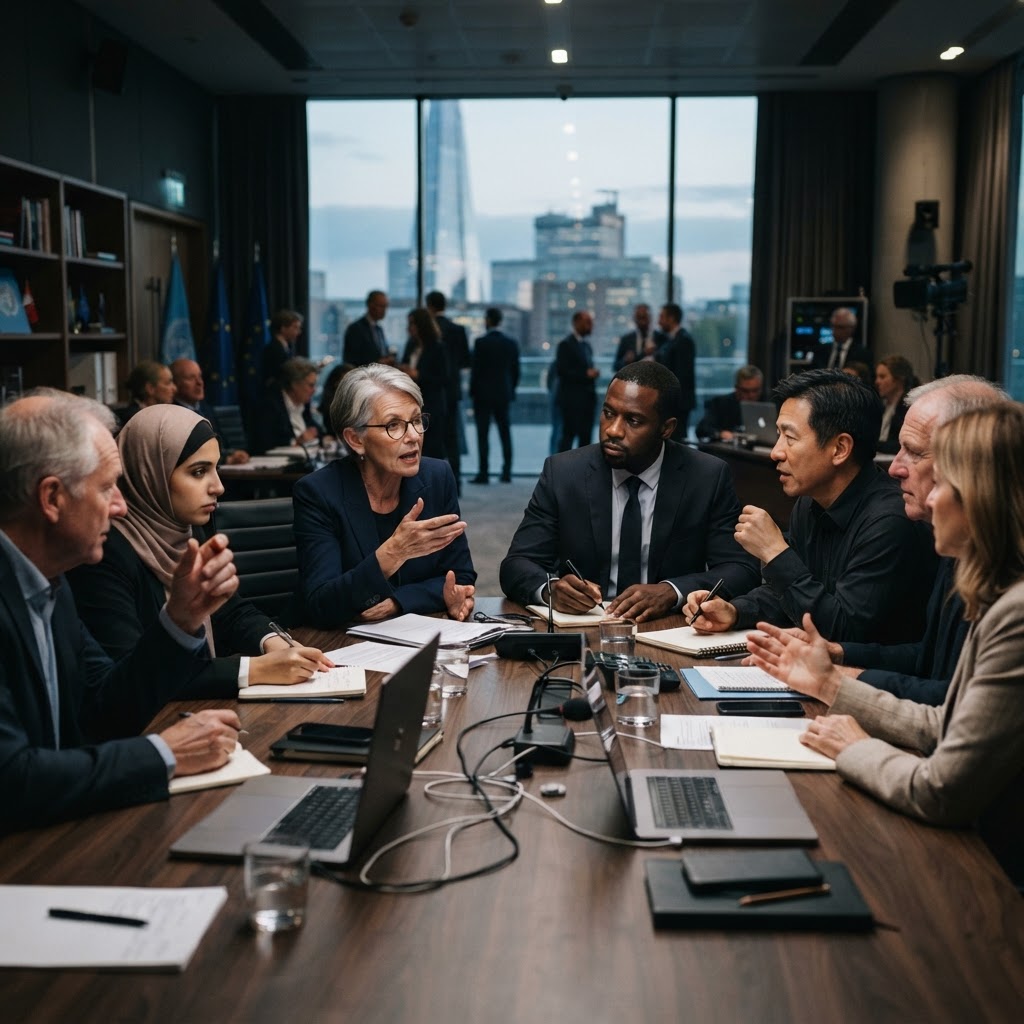
The Convergence of Geopolitics and Tech Disruption
In recent commentaries published across leading global opinion pages, an unmistakable theme has emerged: the world is experiencing a compound crisis of governance, where rapid technological advances collide head-on with an increasingly fractured multilateral order. Rather than addressing these developments in isolation, essayists and policy thinkers are pointing out how closely entwined artificial intelligence, economic realpolitik, and sovereign security have become.
As highlighted in ongoing international debates curated by Project Syndicate, urgent calls for institutional oversight of artificial intelligence have intensified. Commentators argue that the window for meaningful international governance over frontier AI systems is closing rapidly. Without dedicated multilateral mechanisms capable of setting enforceable technical baselines and responding to rapid systemic shocks, the international community risks leaving safety parameters entirely in private and national hands. At the same time, this debate is complicated by competing arguments emphasizing open-data sharing and public-interest innovation, raising fundamental questions about who should control the digital foundation of modern society.
The Strained Economics of Interdependence
Parallel to the questions surrounding technology, leading economic columnists continue to scrutinize the precarious balance between major world powers. Analyses of trade relations between Washington and Beijing illustrate that bilateral agreements are increasingly treated not as steps toward true economic integration, but rather as delicate truces. Economists observing these dynamics note that mutual economic leverage has ironically become the chief stabilizing force keeping systemic rivalry from deteriorating into direct conflict.
Yet, this fragile equilibrium faces intense stress points elsewhere in the global economy. As reported in recent geopolitical and market commentary featured in The Japan Times, supply-chain vulnerabilities and regional flare-ups continue to reverberate across energy markets. Analysts tracking global oil flows observe that even when tactical naval or diplomatic initiatives claim momentary victories, structural bottlenecks—such as vital transit corridors in the Middle East—sustain persistent upward pressure on energy prices. This dynamic complicates inflation narratives worldwide and fuels widespread voter dissatisfaction, an anxiety clearly captured in ongoing global survey research such as Ipsos Global Opinion Polls, where the cost of living remains the foremost driver of anti-incumbent political currents.
A Shifting Multilateral Architecture
The institutional forums originally designed to manage these tensions appear more beleaguered than ever. As reflected in reader discourse and editorial arguments in publications like The New York Times and the The Washington Post, a central question occupies contemporary historians and foreign policy columnists: Are we witnessing the dawn of an unprecedented 'new world disorder,' or simply the return to a historical norm of transactional, multi-polar power struggles?
Diplomatic gatherings and strategic forums have repeatedly struggled to broker binding consensus on international crises, climate commitments, or digital safety protocols. Meanwhile, middle powers and developing nations are recalibrating their stances. Rather than pledging uncritical allegiance to traditional blocs, states across the Global South and emerging coalitions like BRICS are seeking strategic autonomy, leveraging their natural resources and technological alliances to extract concessions from competing superpowers.
The Newsroom in the Crossfire
Underpinning these macroeconomic and diplomatic friction points is an epistemic dilemma: the health of public discourse itself. Media critics and international columnists have raised alarms regarding the intersection between journalism and large generative AI models. High-quality newsrooms are essential for feeding verifiable facts into both automated models and public debate, yet the commercial viability of independent journalism faces continuous erosion.
Commentators argue that if the public sphere loses the institutional capacity to investigate, contextualize, and verify reality, society's ability to maintain democratic accountability and navigate complex international crises will decline sharply. Ultimately, current commentary across the world's op-ed pages delivers a consistent warning: the institutions, intellectual frameworks, and economic pacts forged in the twentieth century are proving inadequate for the realities of the present. Whether confronting the unregulated frontiers of AI or the volatility of a multipolar economy, global opinion suggests that adapting will require far more than reactive diplomacy—it demands a deliberate, ground-up reinvention of international cooperation.
Recommended for you
Similar to “Global Opinion”
Gridlock, Multipolarity, and Fragile Norms: Global Commentators Confront a Fractured Order
In the wake of sweeping midterm elections and escalating international tensions, political analysts and commentators across the globe are sounding alarms over looming governance paralysis and the breakdown of established multilateral rules.
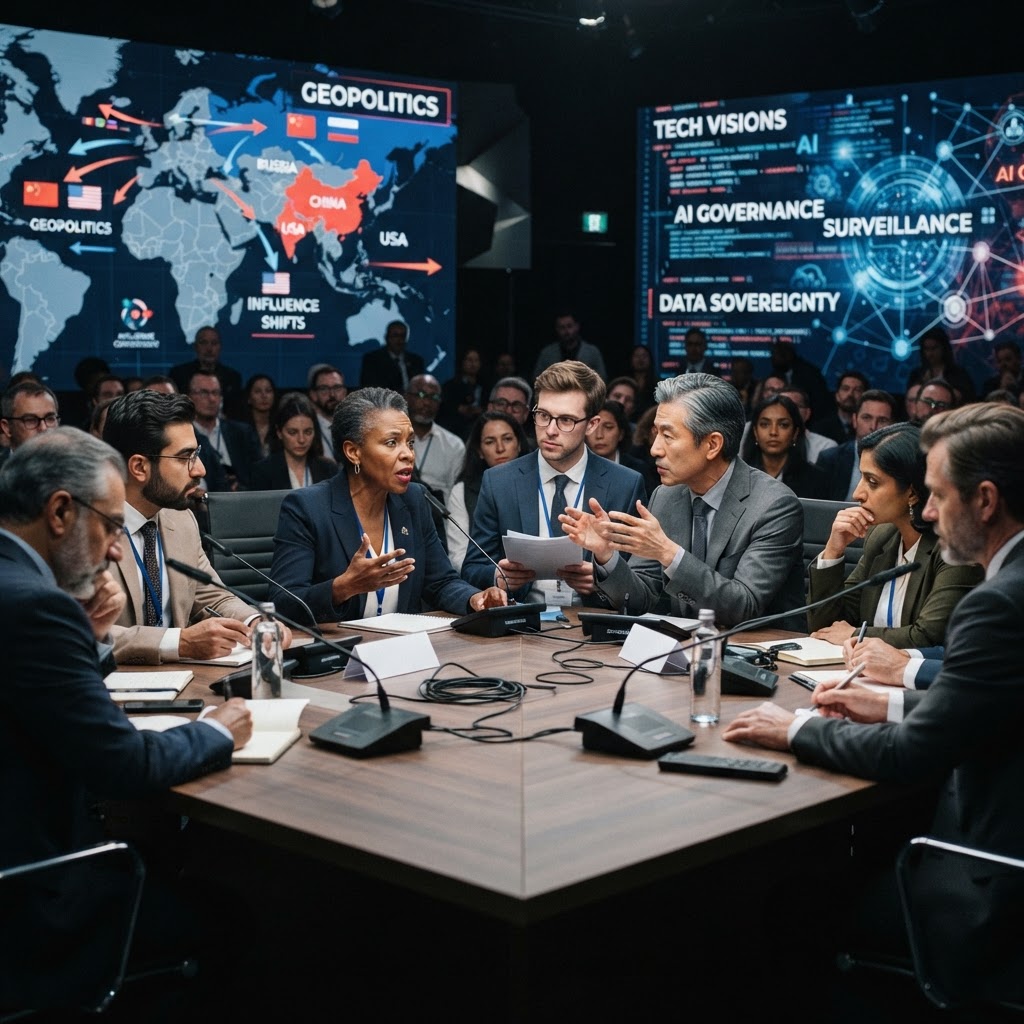
The Fractured Consensus: How Competing Geopolitical and Tech Visions Are Reshaping Global Opinion
Recent commentary across leading global forums highlights a profound realignment, where strategic mistrust between superpowers, tightening borders, and ungoverned technological disruption challenge multilateral cooperation.
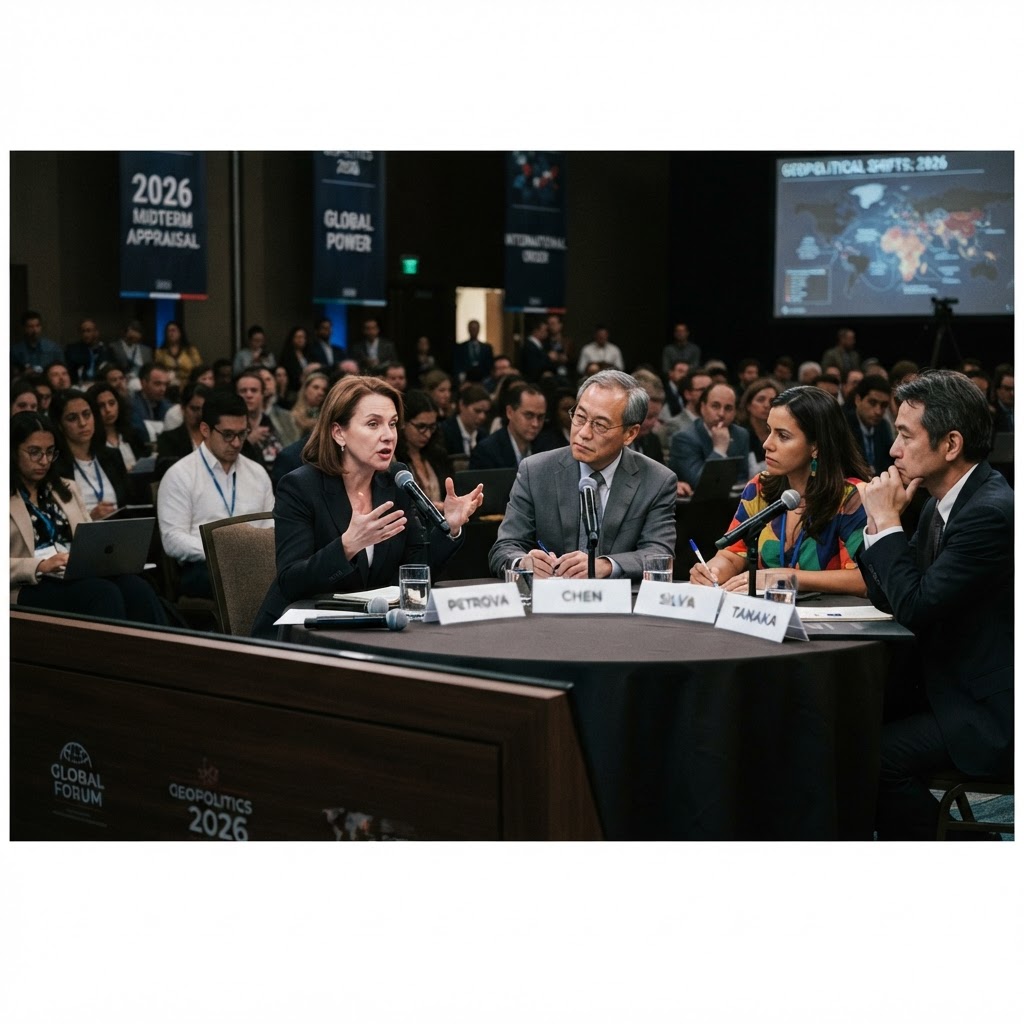
A Global Reset of Power: Commentators Appraise the 2026 Midterm Backlash and the Fragility of International Order
Opinion writers and geopolitical analysts across the world are dissecting the dramatic 2026 U.S. midterm turnover, probing whether a sweeping democratic verdict can truly mend fractured alliances and domestic governance.