A World Under Pressure: Global Climate Benchmarks, Financing Gridlock, and the Legal Frontier of Ecology
As planetary warming persistently tests the critical 1.5-degree threshold, the international community faces acute tensions over climate finance, biodiversity preservation, and judicial mandates for environmental accountability.

The 1.5-Degree Precipice and Escalating Climate Realities
The global climate landscape stands at a critical juncture. Contemporary observations, including monitoring from the European Union’s Copernicus Climate Change Service, indicate that global temperatures have consistently pushed past or breached the 1.5 degrees Celsius warming mark above pre-industrial levels, as highlighted by Earth.Org. This boundary, identified under the 2015 Paris Agreement as a safeguard against runaway climate disruption, is no longer an abstract future target but a benchmark actively being tested in real time.
The ecological ramifications are manifesting with remarkable intensity across terrestrial and oceanic systems. Analyses from climate research consortiums reveal that communities worldwide are enduring sharp upticks in lethal heatwaves, prolonged droughts, and erratic precipitation regimes. In the oceans, elevated sea surface temperatures have systematically exacerbated cyclonic intensity, providing extra thermal energy to tropical systems across the Atlantic and Indian Oceans. These thermodynamic shifts are driving rapid intensification events, leaving coastal settlements, small island developing states, and biodiversity hotspots vulnerable to severe infrastructure loss and saltwater inundation.
The Stalled Engine of Global Climate Finance
Despite the indisputable urgency communicated by environmental scientists, multilateral negotiations continue to grapple with fundamental divisions over equity and finance. International assemblies, such as recent summits convened under the United Nations framework, have laid bare the widening rift between industrialized nations and the Global South. Developing countries, historically least responsible for the concentration of greenhouse gases, find themselves disproportionately bearing the burden of adaptation costs and direct losses.
Discussions regarding loss and damage and international climate funding targets have encountered persistent resistance. While international frameworks have proposed enhanced annual financial targets, negotiators from developing economies argue that current commitments fall short of real-world requirements. Furthermore, a substantial portion of existing assistance continues to arrive in the form of interest-bearing loans rather than unconditional grants, threatening to trap vulnerable jurisdictions under compounding sovereign debt. Concurrently, debates over whether emerging, high-emitting economies should contribute mandatorily or voluntarily have created diplomatic friction, stalling vital flows of capital needed to transition away from fossil-fueled infrastructure.
The Judicial Shift: Climate Litigants Turn to the Courts
In response to persistent legislative hesitation and political compromise, citizens, indigenous leaders, and civil society organizations are taking environmental grievances directly to the courtroom. A notable evolution across the international environmental landscape is the steep rise in climate litigation. As detailed by the United Nations Environment Programme (UNEP), legal cases targeting governments and fossil fuel conglomerates have multiplied, setting decisive legal precedents.
Tribunals and supreme benches across multiple continents are increasingly interpreting human rights conventions and national constitutions as guaranteeing a fundamental right to a healthy, stable climate. These rulings are establishing that governments possess an enforceable obligation to curb industrial pollution, mitigate carbon emissions, and preserve vital habitats. These court-ordered mandates remove climate policy from the realm of political discretion, compelling corporations and state regulators to adhere to scientific thresholds or face legal penalties.
Biodiversity, Raw Materials, and the Limits of Green Growth
Tackling climate destabilization is inseparable from confronting the parallel emergency of global biodiversity collapse. The loss of wild ecosystems continues unabated, driven by deforestation, agriculture, and resource extraction. Even the worldwide transition toward renewable energy introduces unforeseen ecological trade-offs. The surging demand for transition minerals—including lithium, cobalt, nickel, and rare earths needed for batteries, grid storage, and solar arrays—has sparked a new wave of extractive projects, often threatening fragile habitats and marginalizing Indigenous communities, according to conservation reporting from Mongabay.
To avert a scenario in which ecological destruction is traded for technological decarbonization, international panels and scientific bodies are working to establish comprehensive sustainability guidelines for transition mineral extraction. Academic assessments published in journals like Nature emphasize the necessity of life-cycle thinking, urging policymakers to consider the full environmental footprint of clean technologies rather than treating green technology as automatically free of impacts.
Forging an Integrated Path Forward
The collective evidence makes it clear that fragmented environmental stewardship is no longer viable. Mitigating greenhouse gas emissions must be synchronized with broad ecosystem restoration, strict chemical regulation, and enforceable commitments to uphold human rights. As international policy frameworks evolve, the measure of success will not be found in non-binding declarations, but in the measurable reduction of emissions, the defense of indigenous lands, and the mobilization of equitable finance to protect vulnerable populations on a warming planet.
Recommended for you
Similar to “Environment”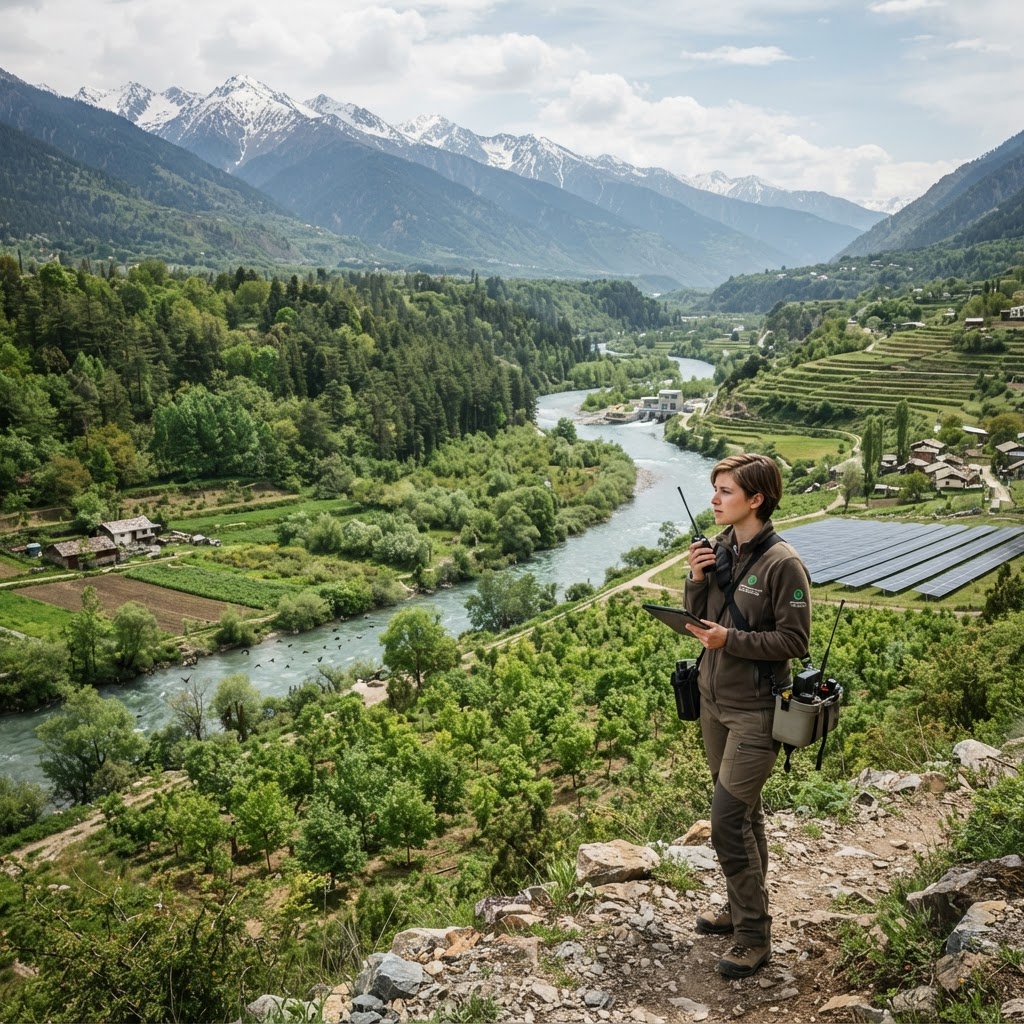
A World in Ecological Balance: Navigating Climate Benchmarks, Financing Gaps, and the Biodiversity Imperative
Recent international reviews and environmental metrics underline a critical juncture for our planet, where record heatwaves and mounting species risks collide with fraught geopolitical negotiations over climate finance and conservation.
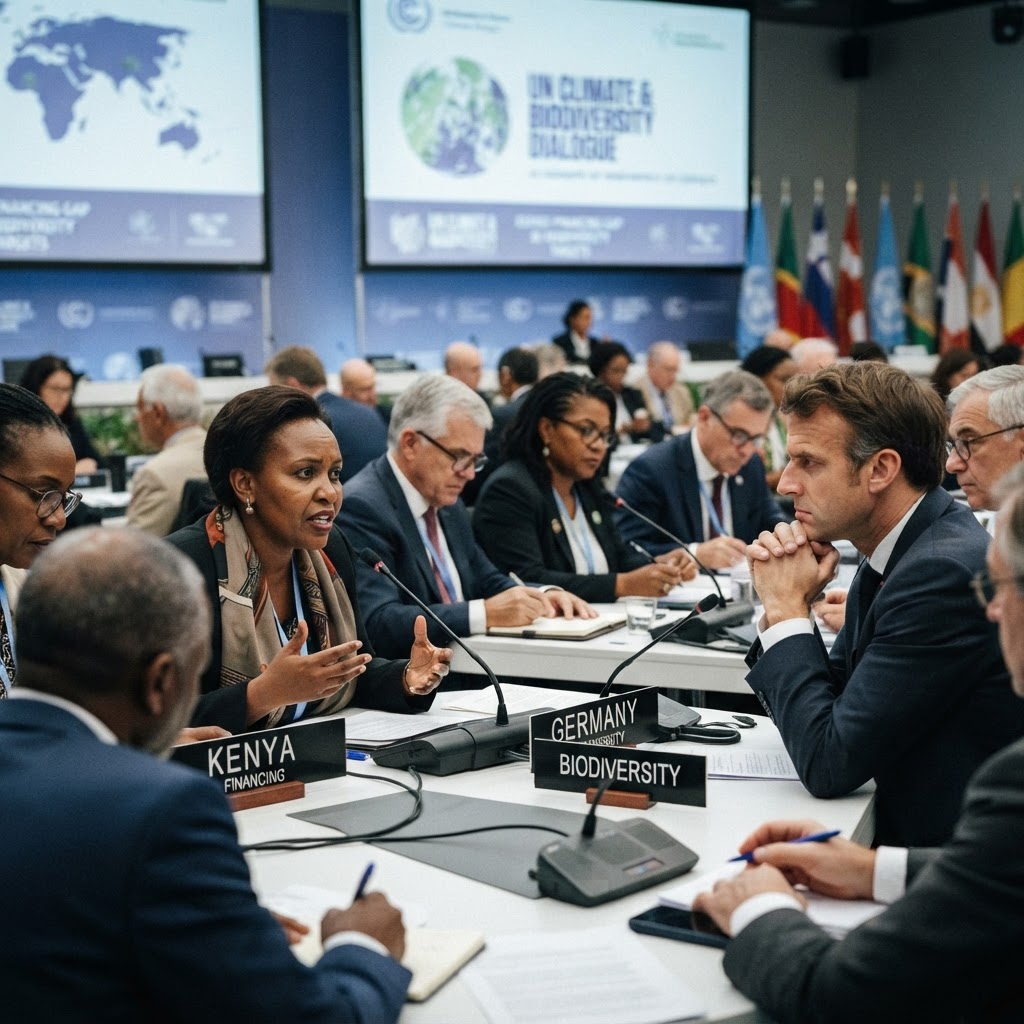
Bridging the Ecological Divide: Global Climate Diplomacy Faces Deepening Strife Over Financing and Biodiversity Loss
As environmental crises escalate worldwide, international negotiations are reaching a critical impasse over funding commitments and equitable pathways toward sustainability.
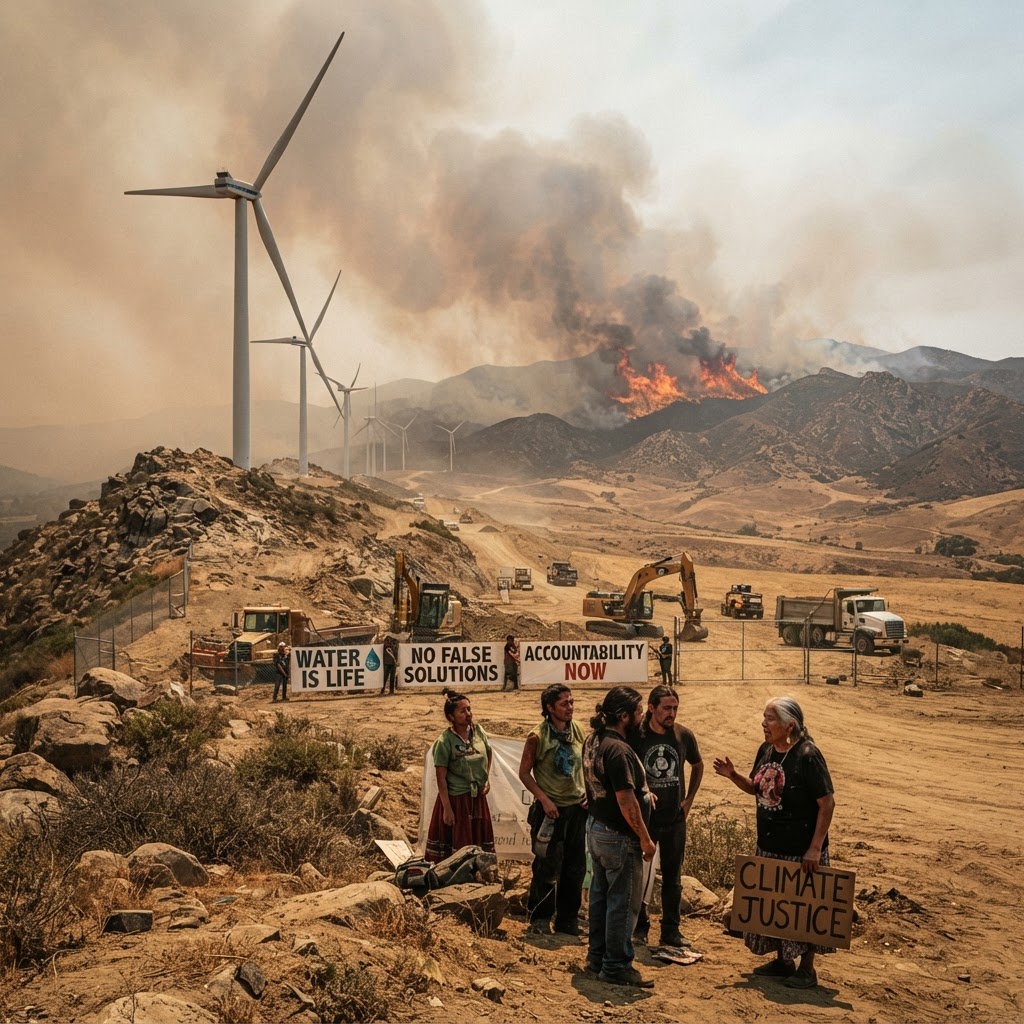
Global Environmental Frontlines: Historic Heat, Renewable Acceleration, and the Battle Over Conservation Accountability
As planetary temperatures break historic thresholds and renewable energy installations expand at unprecedented rates, international bodies and environmental watchdogs are grappling with enforcement gaps in biodiversity protection and climate finance.