A World in Ecological Balance: Navigating Climate Benchmarks, Financing Gaps, and the Biodiversity Imperative
Recent international reviews and environmental metrics underline a critical juncture for our planet, where record heatwaves and mounting species risks collide with fraught geopolitical negotiations over climate finance and conservation.

A Watershed Moment for the Planet
As the international community confronts unprecedented disruptions in Earth's delicate balance, recent analytical reports and environmental metrics depict a biosphere pushed close to systemic tipping points. Global climate agencies and institutions, including the European Union's Copernicus Climate Change Service and the United Nations Environment Programme, continue to document consecutive temperature anomalies that regularly flirt with and breach the symbolic 1.5°C warming threshold established under the Paris Agreement. These atmospheric shifts are no longer distant scientific projections; they manifest as tangible disruptions in everyday life, severe agricultural stresses, and elevated humanitarian burdens across both hemispheres.
Analyses from climate research bodies like the World Weather Attribution and Climate Central reveal that human-driven greenhouse emissions have substantially multiplied the occurrence of dangerous heat days across the globe. Such extreme thermal patterns ripple directly through public health networks. Medical assessments, such as the Lancet Countdown, illuminate that rising temperatures contribute to steep spikes in heat-related morbidity and vulnerabilities for elderly populations, placing compounding strain on critical health infrastructure and diminishing food security in susceptible regions.
Marine Realities and Deepening Ecological Strains
The climate system's planetary pulse is fundamentally tethered to the oceans, which serve as the primary thermal sponge for excess atmospheric warming. However, researchers warn that ocean heat reservoirs are nearing perilous saturation points. Marine heat waves across key basins have directly translated into more energetic, high-intensity atmospheric events. Recent meteorological analyses demonstrate that elevated ocean temperatures have meaningfully fueled stronger peak wind speeds across Atlantic storm systems, leaving coastal zones increasingly vulnerable to inundation and catastrophic infrastructure damage.
Simultaneously, ecological diagnostics underscore that global biodiversity is facing an existential bottleneck. Botanical assessments warn that nearly one in three tree species now faces the imminent threat of extinction due to localized deforestation, habitat fragmentation, and climatic stress. The ripple effects of losing foundational canopy species disrupt terrestrial carbon cycles, destabilize soils, and accelerate the endangerment of thousands of dependent flora and fauna species. From the deep oceans suffering under cumulative acidification and warmth to land-based habitats undergoing rapid conversion, ecological indicators illustrate that the climate crisis cannot be decoupled from the biodiversity emergency.
The Standoff Over Climate Finance
Translating scientific urgency into multilateral governance remains fraught with friction. At recent international environmental summits, negotiations over long-term climate financing goals exposed enduring rifts between industrialized polluters and vulnerable developing economies. The central debate turns on structural equity: many developing states argue that nominal pledges fall far short of the trillions required for adaptation, loss-and-damage remediation, and clean energy transformations. Furthermore, funding frameworks reliant on loans threaten to plunge developing governments into unmanageable fiscal crises, limiting their ability to safeguard local populations.
Divisions also persist over donor obligations. While historically high-emitting countries advocate for wider participation—urging rapidly growing major economies to contribute formally to shared financing pots—developing nations maintain that historical cumulative emissions should govern statutory responsibilities. In parallel, conservation gatherings such as the Convention on Biological Diversity COP conferences continue to demonstrate breakthroughs regarding indigenous representation and genetic data management, yet often hit familiar impasses when attempting to secure concrete, sustained funding guarantees from national treasuries.
Judicial Accountability and Policy Pathways
Where conventional diplomatic channels crawl, domestic and international legal systems are stepping into the breach. Global climate litigation has seen dramatic expansions in recent years. Landmark decisions from regional tribunals and supreme courts have increasingly established that governments bear concrete, legally enforceable duties under human rights doctrines to prevent irreversible environmental devastation. These precedents have armed civic activists and indigenous coalitions with potent judicial tools to hold both state actors and carbon-intensive corporate entities accountable for insufficient emissions mitigation.
Simultaneously, forward-thinking policy frameworks are aiming to bridge the divide between industrial output and sustainability. Regional initiatives, like the European Union's circular economy measures and urban adaptation standards, are setting tighter rules for critical materials, including battery recycling and industrial metallurgy emissions. Emerging efforts across transportation infrastructure—ranging from strategic vehicle electrification networks to cleaner industrial alternatives like hydrogen fuel production—signal that viable pathways for decarbonization are well understood.
The central dilemma remains one of velocity. As planetary boundaries face unprecedented pressures, bridging the gulf between scientific awareness, legal obligation, and economic commitment will determine whether modern governance can safeguard the stability of the global biosphere for generations to come.
Recommended for you
Similar to “Environment”
A World Under Pressure: Global Climate Benchmarks, Financing Gridlock, and the Legal Frontier of Ecology
As planetary warming persistently tests the critical 1.5-degree threshold, the international community faces acute tensions over climate finance, biodiversity preservation, and judicial mandates for environmental accountability.
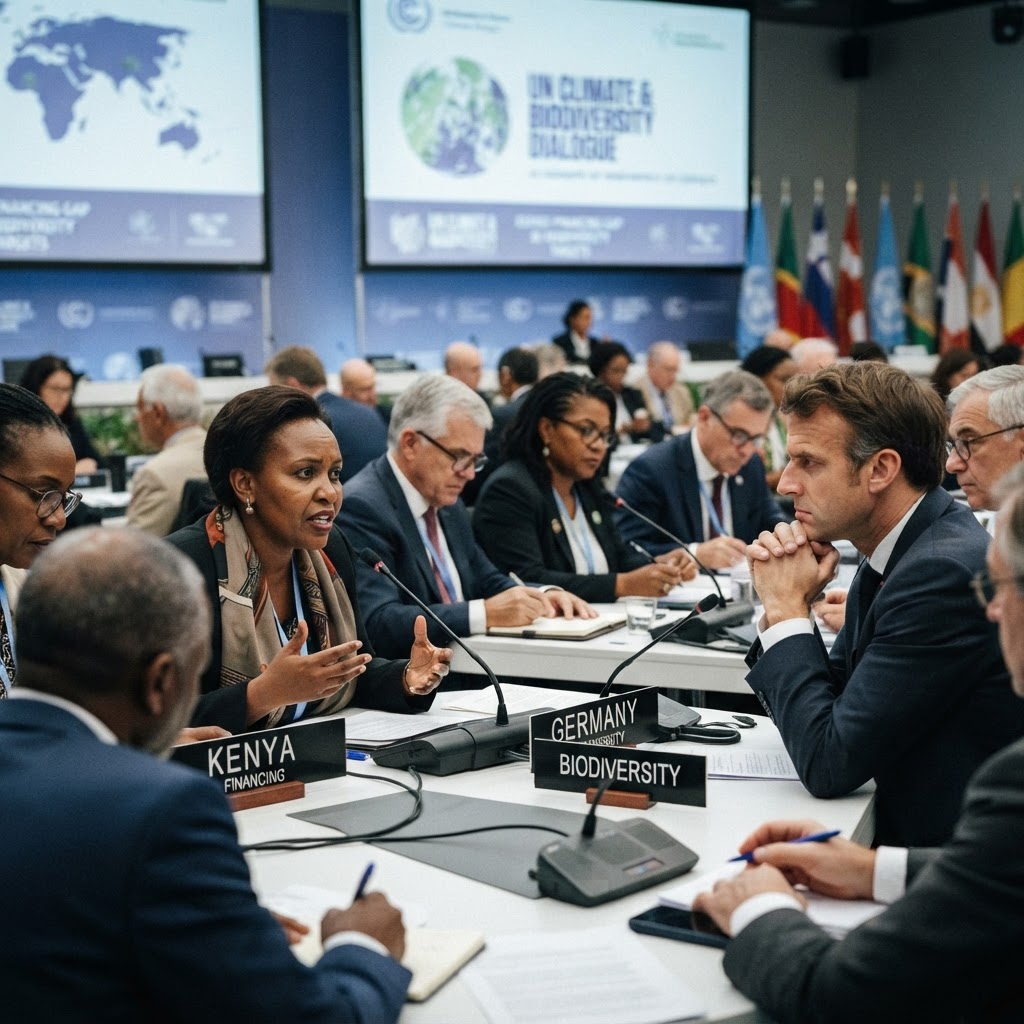
Bridging the Ecological Divide: Global Climate Diplomacy Faces Deepening Strife Over Financing and Biodiversity Loss
As environmental crises escalate worldwide, international negotiations are reaching a critical impasse over funding commitments and equitable pathways toward sustainability.
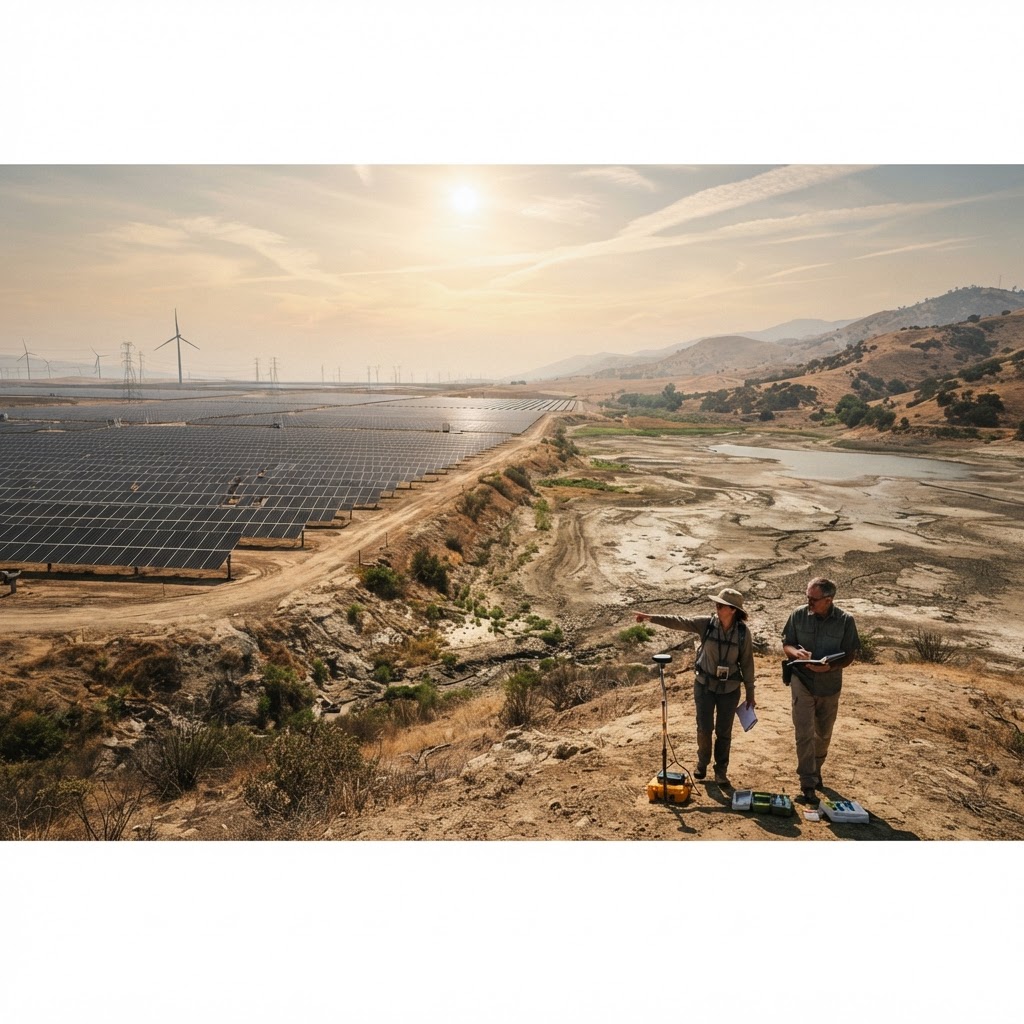
Navigating the Climate Threshold: Surging Clean Energy and Strained Conservation in an Overheating World
As global average temperatures touch historic thresholds and renewable installations reach record highs, world leaders and scientists face growing disputes over environmental financing and biodiversity enforcement.