Bridging the Ecological Divide: Global Climate Diplomacy Faces Deepening Strife Over Financing and Biodiversity Loss
As environmental crises escalate worldwide, international negotiations are reaching a critical impasse over funding commitments and equitable pathways toward sustainability.
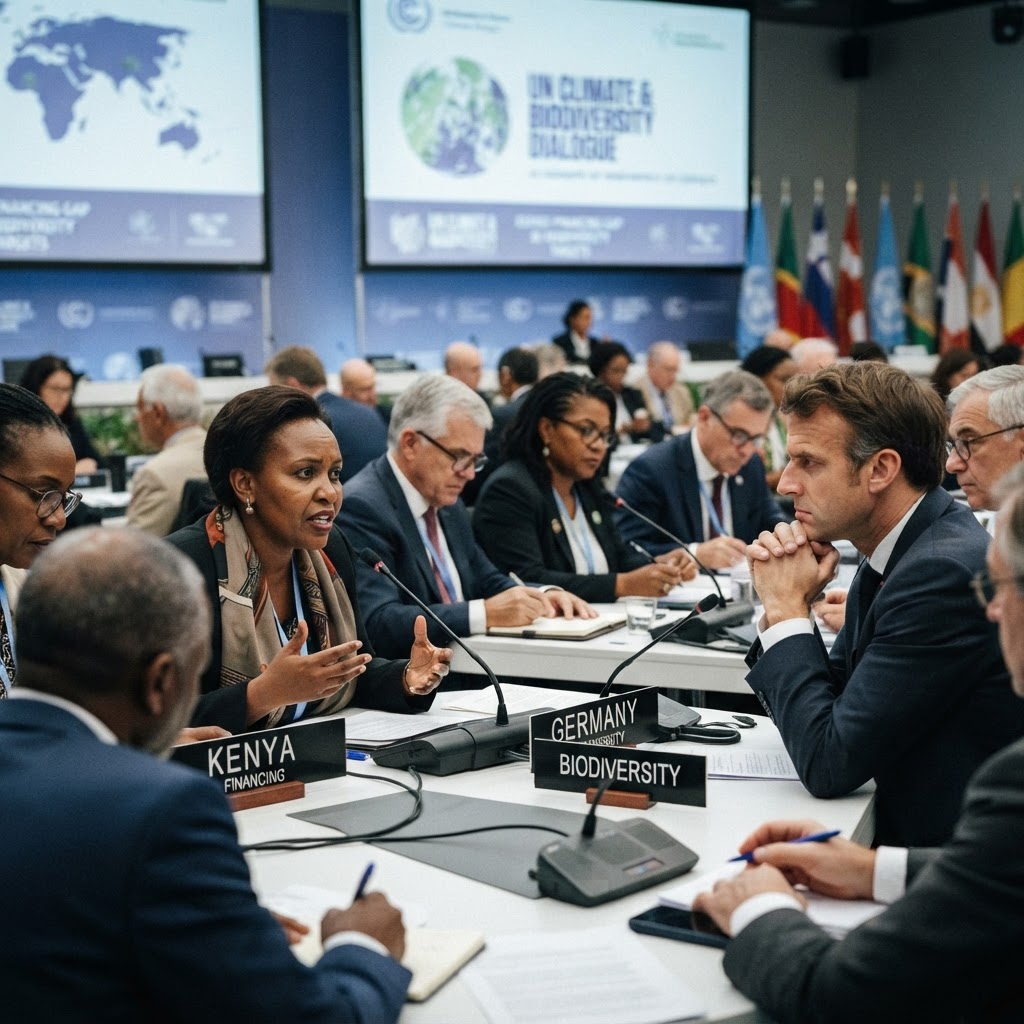
The Triple Planetary Crisis at a Crossroads
Humanity finds itself confronting an unprecedented convergence of ecological pressures often described by scientists as the triple planetary emergency: accelerating climate disruption, extensive biodiversity loss, and widespread chemical pollution. According to assessments by the United Nations Environment Programme, these interlinked dynamics threaten not only ecological stability but also the socio-economic foundations of human civilization. While global frameworks such as the Paris Agreement and the Kunming-Montreal Global Biodiversity Framework set ambitious targets to arrest environmental degradation, real-world actions continue to fall short of what the latest science demands.
The Sticking Point of Climate and Nature Financing
At the center of contemporary multilateral talks lies the vexed issue of international finance. Developing countries, which disproportionately bear the consequences of worsening droughts, intensifying storms, and salinization along vulnerable coastlines, have raised alarm over funding mechanisms. Recent multilateral summits have seen fierce debate over the scale and structure of financial assistance. Many developing nations contend that reliance on loans threatens to compound pre-existing debt vulnerabilities rather than deliver genuine relief. Furthermore, disputes over which countries should be formally obligated to contribute funds versus those offering voluntary assistance have complicated consensus, sparking contentious negotiations between established and emerging economic powerhouses.
Evaluating Performance: The Shifting Geography of Sustainability
Independent assessments demonstrate that environmental leadership is increasingly contested. The Environmental Performance Index, published by academic researchers at Yale and Columbia universities, underscores the complexities nations face when transitioning beyond initial decarbonization strategies. While some nations have made remarkable strides in reducing emissions through industrial shifts and aggressive renewable deployments, others have experienced slowing progress as the transition demands deeper, systemic changes. Policy experts point out that basic measures—such as phasing out coal for cleaner energy—represent only the initial phase. Sustained sustainability requires transforming agricultural methods, overhauling waste governance, and halting habitat destruction.
Pollution, Public Health, and the Drive for Scientific Governance
Beyond the heating atmosphere, chemical contamination and untreated waste are responsible for millions of premature deaths annually across the globe. In response, international diplomats and scientific bodies have accelerated efforts to establish dedicated science-policy panels focused specifically on pollution and hazardous materials. Similar to global advisory panels on climate change, such mechanisms are engineered to provide objective, evidence-based recommendations directly to world leaders. Proponents argue that addressing pollution requires treating hazardous chemicals and environmental waste not as isolated municipal issues, but as systemic threats to biosphere vitality and human survival.
Grassroots Stewardship and the Path Forward
Despite administrative friction and diplomatic logjams at the summit level, critical momentum is being sustained on the ground. Indigenous leaders, grassroots conservationists, and local communities continue to spearhead vital initiatives to defend primary forests, combat desertification, and restore vulnerable wetlands. As international delegates prepare for subsequent rounds of multilateral commitments, experts emphasize that top-down treaties will remain largely ineffective without robust funding structures, equitable implementation, and genuine support for those guarding the planet's remaining natural frontiers.
Recommended for you
Similar to “Environment”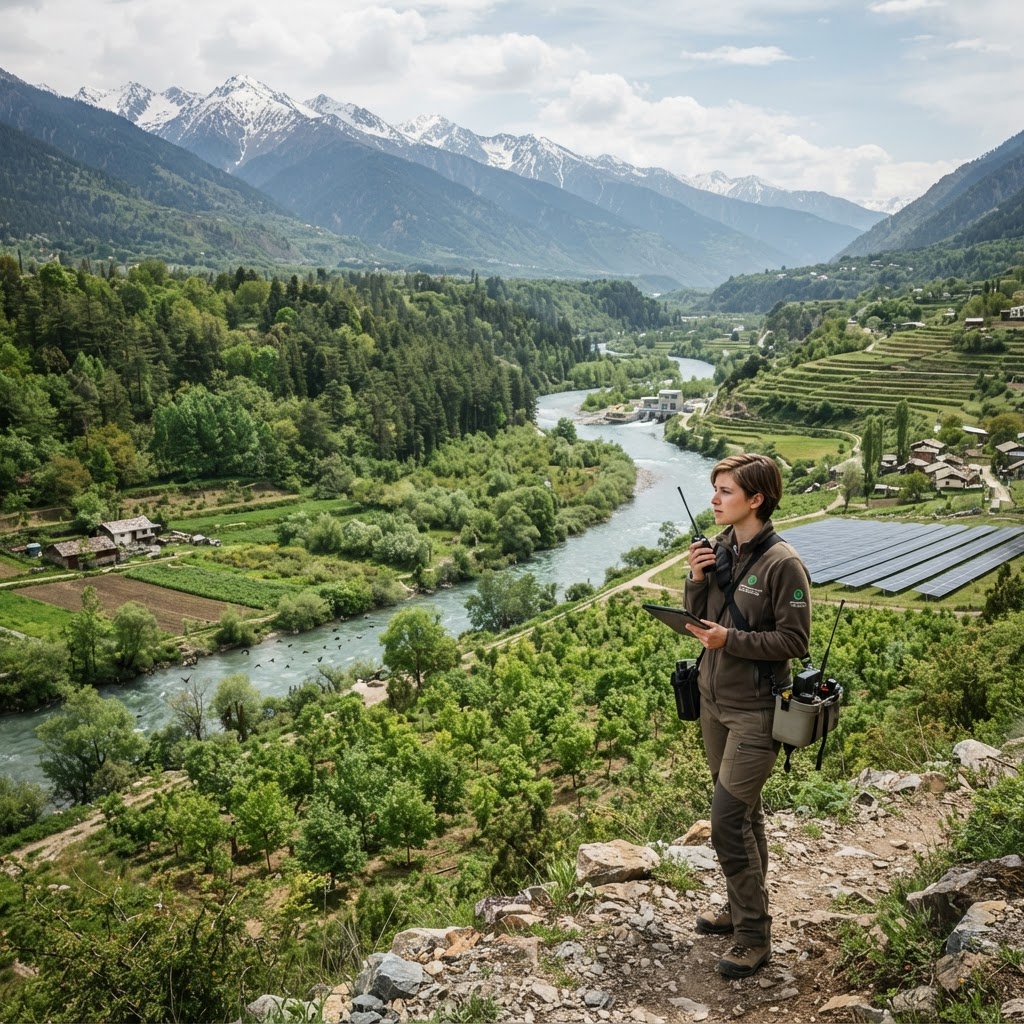
A World in Ecological Balance: Navigating Climate Benchmarks, Financing Gaps, and the Biodiversity Imperative
Recent international reviews and environmental metrics underline a critical juncture for our planet, where record heatwaves and mounting species risks collide with fraught geopolitical negotiations over climate finance and conservation.

A World Under Pressure: Global Climate Benchmarks, Financing Gridlock, and the Legal Frontier of Ecology
As planetary warming persistently tests the critical 1.5-degree threshold, the international community faces acute tensions over climate finance, biodiversity preservation, and judicial mandates for environmental accountability.
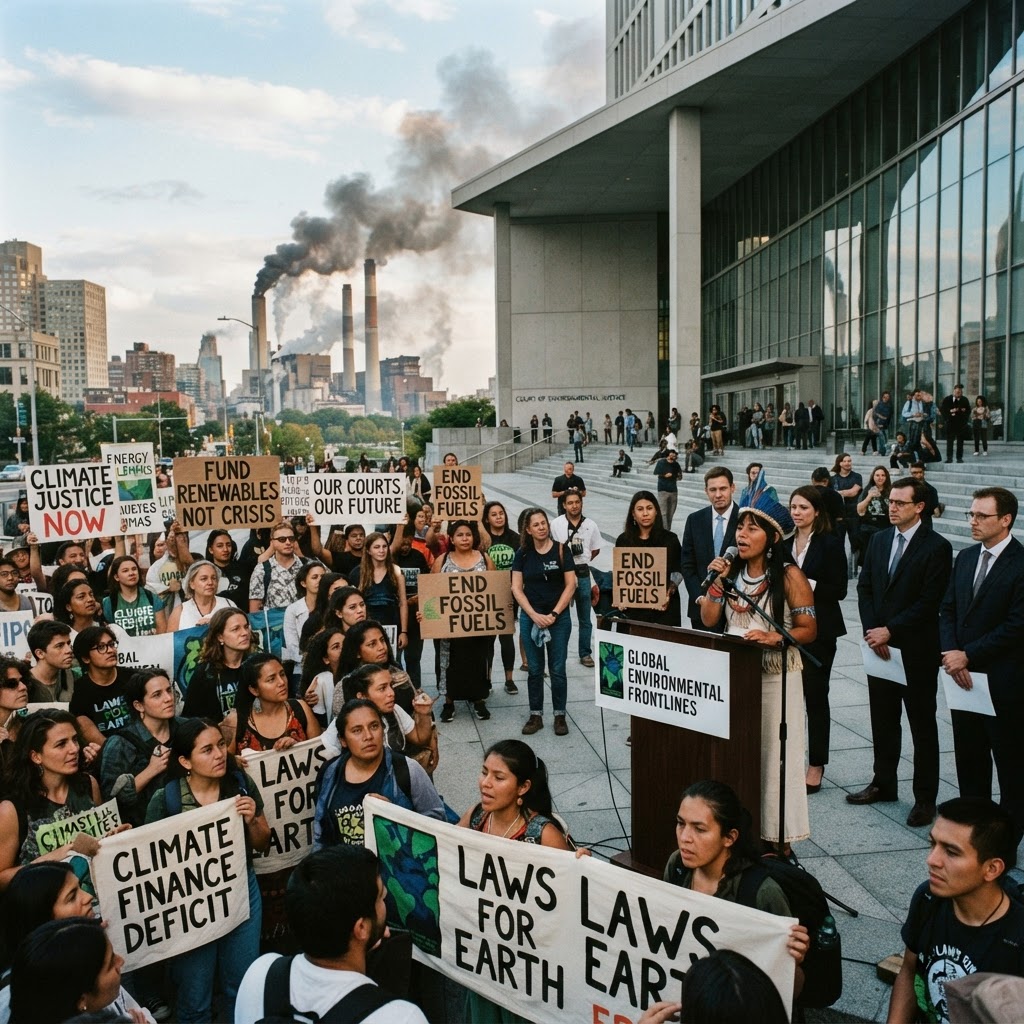
Global Environmental Frontlines: Finance Deficits, Energy Dilemmas, and the Rising Power of Climate Courts
As climate-fuelled weather extremes escalate worldwide, international efforts to confront ecological collapse face persistent funding shortfalls, uneven clean energy transitions, and an unprecedented surge in environmental litigation.