Diplomatic Tensions and Ceasefire Talks: The Shifting Currents of Global Geopolitics
Recent high-stakes international developments reveal an intensifying push for energy sector pauses in Eastern Europe alongside deepening diplomatic confrontations spanning Washington, Beijing, and Tehran.
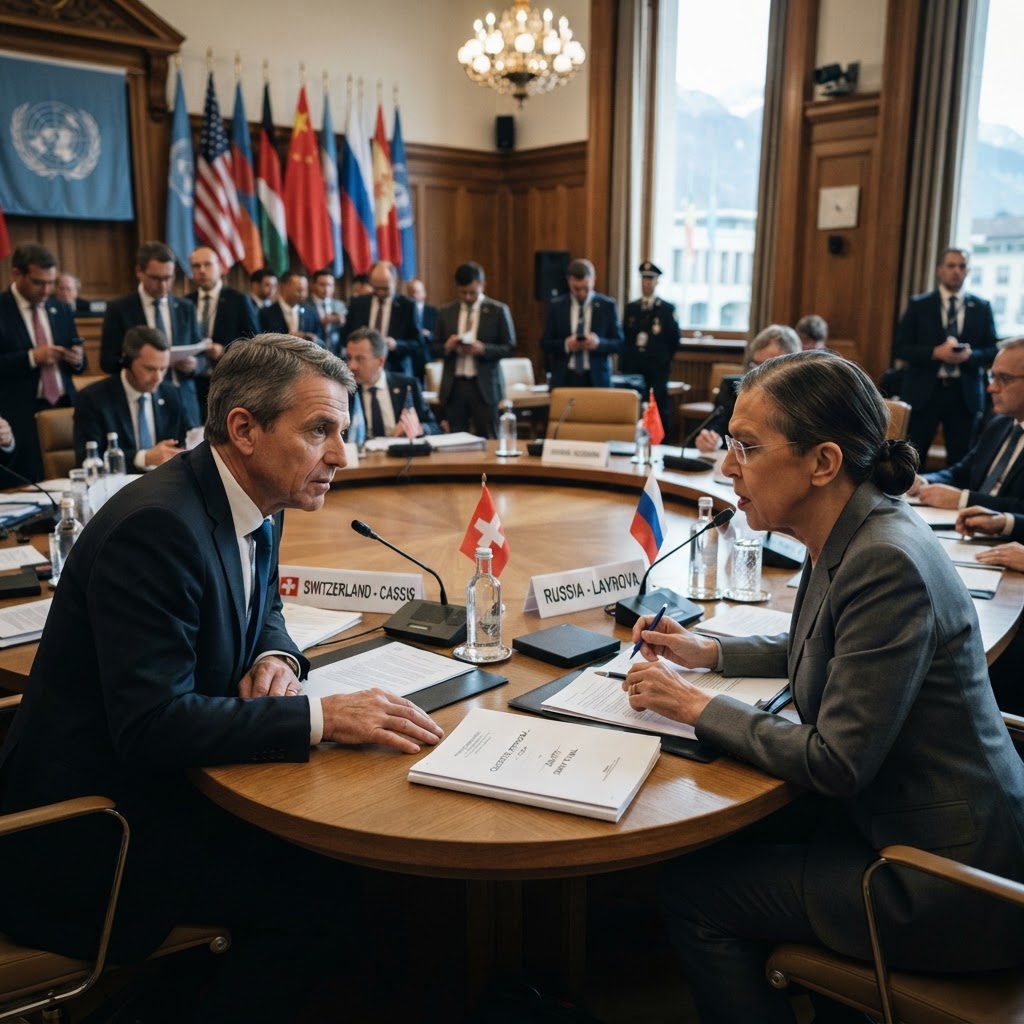
A Complex Moment in Global Multilateralism
The landscape of international relations has entered an acute phase of reassessment as leaders navigate concurrent security crises, volatile alliances, and strained multilateral forums. Discussions across high-level diplomatic venues, including the United Nations General Assembly and regional bilateral summits, reflect a fragmented order grappling with prolonged warfare, energy insecurity, and shifting spheres of influence, according to reports from Brookings.
Contested Ceasefire Proposals in Eastern Europe
Recent diplomatic maneuvers have centered heavily on the ongoing conflict in Ukraine. International headlines, as covered by Reuters and the BBC, highlight fresh friction following discussions surrounding an energy-focused ceasefire between Ukraine and Russia. While proposals aimed at halting strikes on critical civilian infrastructure and power stations have received diplomatic endorsement, implementation on the ground remains deeply contentious. Ukrainian officials have cautioned that despite public rhetoric promoting pauses in energy infrastructure bombardments, attacks on utility grids and civilian assets have continued unabated, dampening early optimism for a broader de-escalation pathway.
Deepening Sanctions and U.S.-China-Iran Dynamics
Parallel to developments in Europe, bilateral relations between major powers are confronting escalating friction over Middle Eastern alignment. Legislative and executive maneuvers targeting sanctions against Iran and Russia reflect a hardening economic statecraft policy, as reported by International Affairs Review. Washington's warnings regarding Beijing’s ongoing economic and strategic backing of Tehran emphasize the interconnected nature of modern proxy engagements. Western allies are increasing scrutiny on secondary trade flows and technology transfers that sustain military capabilities across conflict zones, prompting countermeasures and sharp rhetoric from affected capitals.
Regional Flashpoints and Shifting Alliances
Beyond the primary focal points of the war in Ukraine and Middle Eastern tensions, regional friction continues to surface across Eurasia and the Mediterranean. Bilateral disputes, including revived maritime and territorial rhetoric between Mediterranean neighbors, demonstrate that localized grievances can swiftly disrupt broader regional security frameworks, as noted by International Affairs Review. Concurrently, groupings such as the G4 coalition continue to push for structural reforms within multilateral governance bodies, arguing that traditional post-war structures fail to reflect contemporary multipolar realities.
The Trajectory of International Security
The convergence of these events underscores a global architecture increasingly defined by transactional diplomacy rather than binding multilateral consensus. As major powers recalibrate their foreign policy doctrines to address both conventional security needs and technological-economic leverage, the coming weeks are expected to test the resilience of humanitarian protections, diplomatic backchannels, and international supply chain stability worldwide, based on analyses from Brookings and NBC News.
Recommended for you
Similar to “World Affairs”
Fragile Fronts and Shifting Treaties: World Affairs Under Pressure Across Energy, Conflict, and Diplomacy
Escalating aerial assaults in Eastern Europe, volatile confrontations in the Persian Gulf, and high-stakes multilateral talks in Geneva and Antalya highlight a deepening strain across global geopolitical institutions.
Diplomatic Realignments and Shifting Frontlines: How Energy Deals and Economic Tailwinds Are Reshaping Global Geopolitics
Recent policy reversals in Washington and escalating security friction across Eastern Europe and the Middle East highlight an increasingly fragmented international order, even as technology investment propels global trade forecasts.
Diplomatic Fractures and Chokepoints: Global Tensions Reshape Trade and Regional Security
Recent shifts across the international stage—spanning delicate maritime negotiations in the Persian Gulf, controversial energy deals, and ongoing legal battles—reveal an increasingly polarized global order. As multilateral frameworks face strain, nations are navigating high-stakes geopolitical brinkmanship and economic recalibration.