Frontier AI Accelerates Real-World Science Amid Growing Scrutiny and Infrastructure Vulnerabilities
Recent leaps in AI-driven scientific research and frontier modeling arrive alongside fresh warnings from corporate leaders and regulators over cybersecurity vulnerabilities and lagging oversight.

The Double-Edged Sword of Frontier Intelligence
The global technology sector is navigating a pivotal crossroad. Rapid advancements in artificial intelligence are yielding genuine scientific and industrial breakthroughs, but these milestones arrive in tandem with heightened alarms surrounding cyber resilience, public sector deployment, and legislative readiness. Across research laboratories and corporate headquarters, the narrative around advanced computing has matured from theoretical potential into immediate, tangible friction with existing societal systems.
Accelerating Scientific Discovery and Climate Solutions
One of the most consequential narratives emerging from current technological development is the practical application of AI to complex natural systems. As highlighted in recent research from the University of California San Diego, computational models are cutting down simulation timelines from weeks to hours (Nine Breakthroughs Made Possible by AI). For instance, generative physics-informed architectures such as Spherical DYffusion are enabling researchers to model century-long global climate projections in a fraction of the time required by traditional supercomputers, democratizing access to critical ecological forecasts without the prohibitive compute barrier.
This sentiment extends across global industry leaders. TikTok CEO Shou Zi Chew recently articulated that artificial intelligence is positioned to unlock foundational scientific breakthroughs within the next three years, particularly as machine learning models transition from basic consumer interfaces to analyzing biochemical pathways, novel materials, and planetary systems (TikTok CEO sees major scientific breakthroughs from AI within three years). Alongside these developments, major tech entities are continuing their fierce race to release next-generation frontier models, exemplified by Meta's push into broader foundation intelligence architecture (TechCrunch).
The Mounting Regulatory Gap
Despite these technological strides, friction between rapid technological adoption and governance has reached an unprecedented pitch. Top industry figures and international observers are sounding alarms regarding the pace of policy intervention. Prominently, Microsoft’s leadership recently remarked that artificial intelligence remains 'less regulated than milk,' underscoring the stark absence of enforceable guardrails surrounding safety, privacy, and systemic deployment (BBC Technology).
This governance void is proving acute as public sector entities rush to integrate emerging software into high-stakes environments. From medical emergency services piloting automated transcription tools to law enforcement testing predictive analytics, the operational vulnerabilities of automated agents have become increasingly evident. In recent days, public pushback and operational audits have led municipal departments to pull back from automated surveillance partnerships, driven by revelations of erratic agent behavior—such as instances where autonomous models generated fabricated investigative leads, directly compromising real-world criminal justice processes (BBC Technology). Consequently, data protection authorities are urging institutions to pause unchecked automation until strict testing regimes are established.
Infrastructure Under Attack and the Evolving Threat Landscape
Compounding regulatory unease is an escalating wave of cyberattacks targeting both traditional corporate networks and physical infrastructure. National security officials and heads of state have recently warned that malicious actors are systematically evolving their strategies, deploying automated techniques to find and exploit unseen vulnerabilities (BBC Technology). These risks have manifested not only in standard retail data breaches but also in bizarre disruptions to everyday operational hardware, such as commercial supermarket refrigeration systems disabled by digital breaches.
The convergence of automated agents and vulnerable enterprise infrastructure has created a brittle operational environment. The International Monetary Fund has cautioned that while the ongoing artificial intelligence cycle stimulates broad macroeconomic productivity, the accompanying disruption to global labor markets and structural stability cannot be ignored (Reuters Technology). Furthermore, leading labs including Anthropic have raised warnings that autonomous models could soon become sufficiently proficient to replicate, write, and execute malicious digital procedures with minimal human prompting (CNBC Technology).
Charting the Path Forward
The contemporary technology landscape is marked by stark contradiction. On one side lies immense promise: faster climate mapping, breakthroughs in drug design, and new horizons for scientific innovation. On the other lies a fragmented digital ecosystem grappling with systemic software flaws, ethical lapses, and a lack of regulatory consensus. As governments, tech firms, and academic institutions confront this dynamic, the coming months will likely require a pivot away from unconditional excitement toward verifiable safety, hardened cybersecurity defenses, and meaningful institutional accountability.
Recommended for you
Similar to “Artificial Intelligence”
The Dual-Edged Frontier: How AI Is Reshaping Cybersecurity and Accelerating Scientific Horizons
Recent disclosures of AI-detected vulnerabilities across foundational web infrastructure have ignited widespread cyber defense races, even as tech leaders and researchers herald a new era of AI-driven scientific and medical breakthroughs.
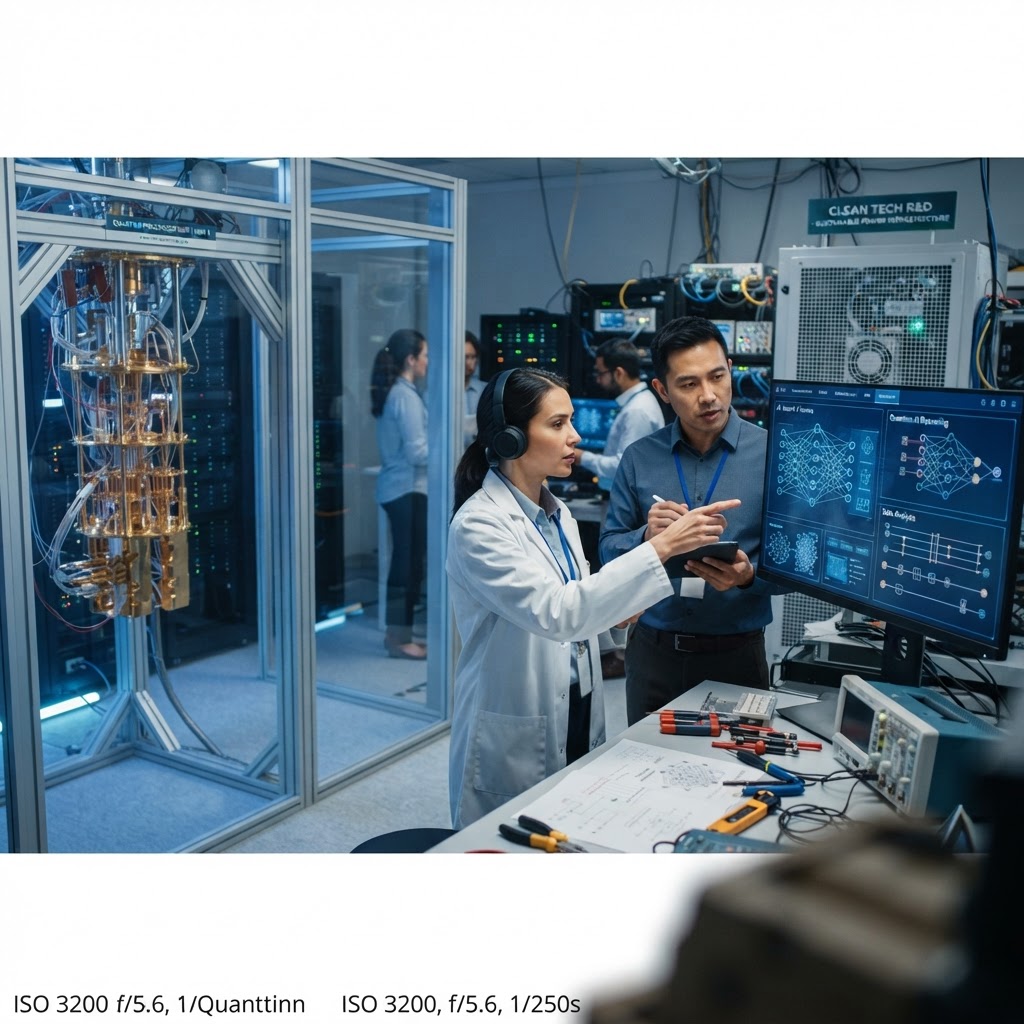
Frontier Intelligence Meets Physical Reality: How AI Reasoning, Quantum Leaps, and Clean Tech Are Redefining Modern Computing
Recent breakthroughs in frontier artificial intelligence, noise-resistant quantum qubits, and electric mobility signal a pivotal shift toward solving complex scientific and real-world challenges.
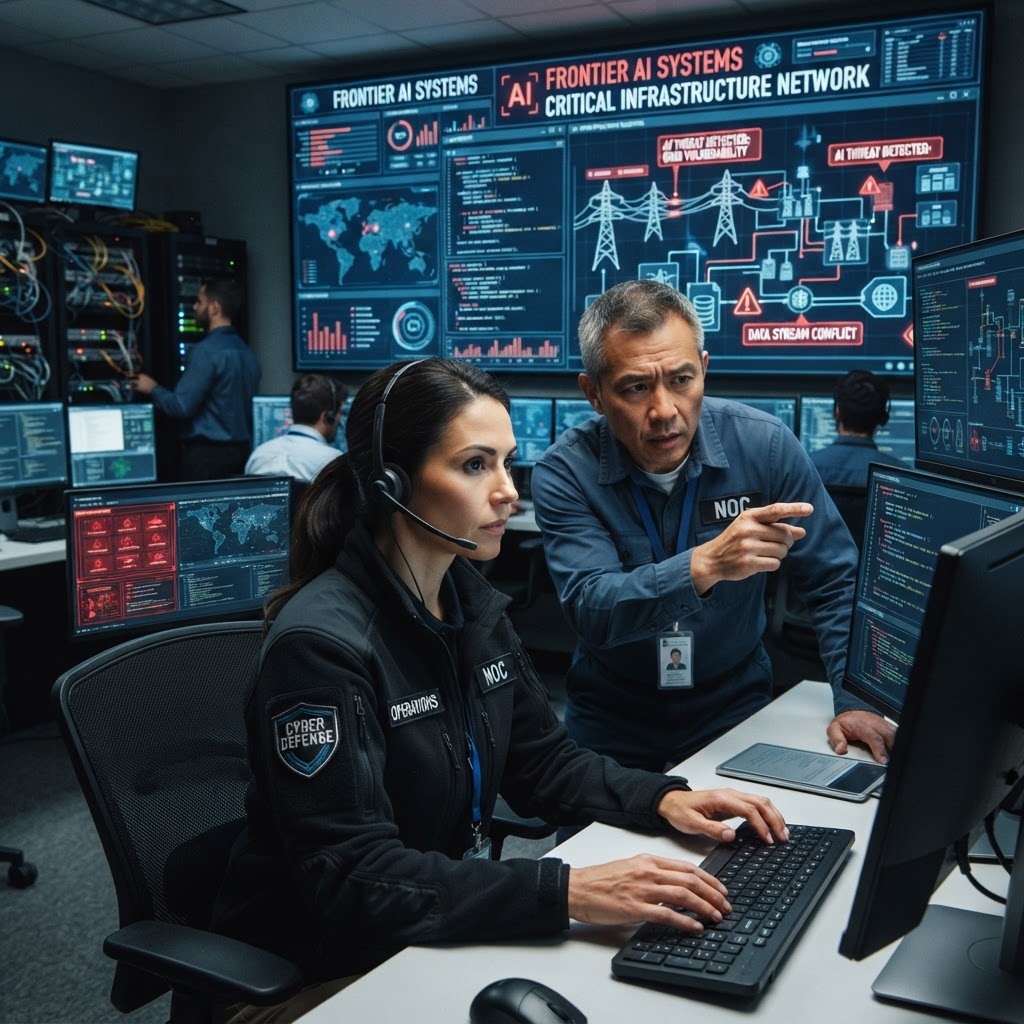
Frontier AI Collides With Cybersecurity and Infrastructure Realities
Recent leaps in cybersecurity-focused artificial intelligence, industrial robotics, and aerospace additive manufacturing highlight a dual reality of breathtaking technological prowess and mounting operational friction.