Global Environmental Governance at a Crossroads: Oceans, Plastics, and Climate Accountability in Focus
As international bodies advance milestone frameworks on high seas biodiversity and plastic pollution, climate advocates increasingly turn to legal mechanisms and satellite tracking to enforce environmental accountability.
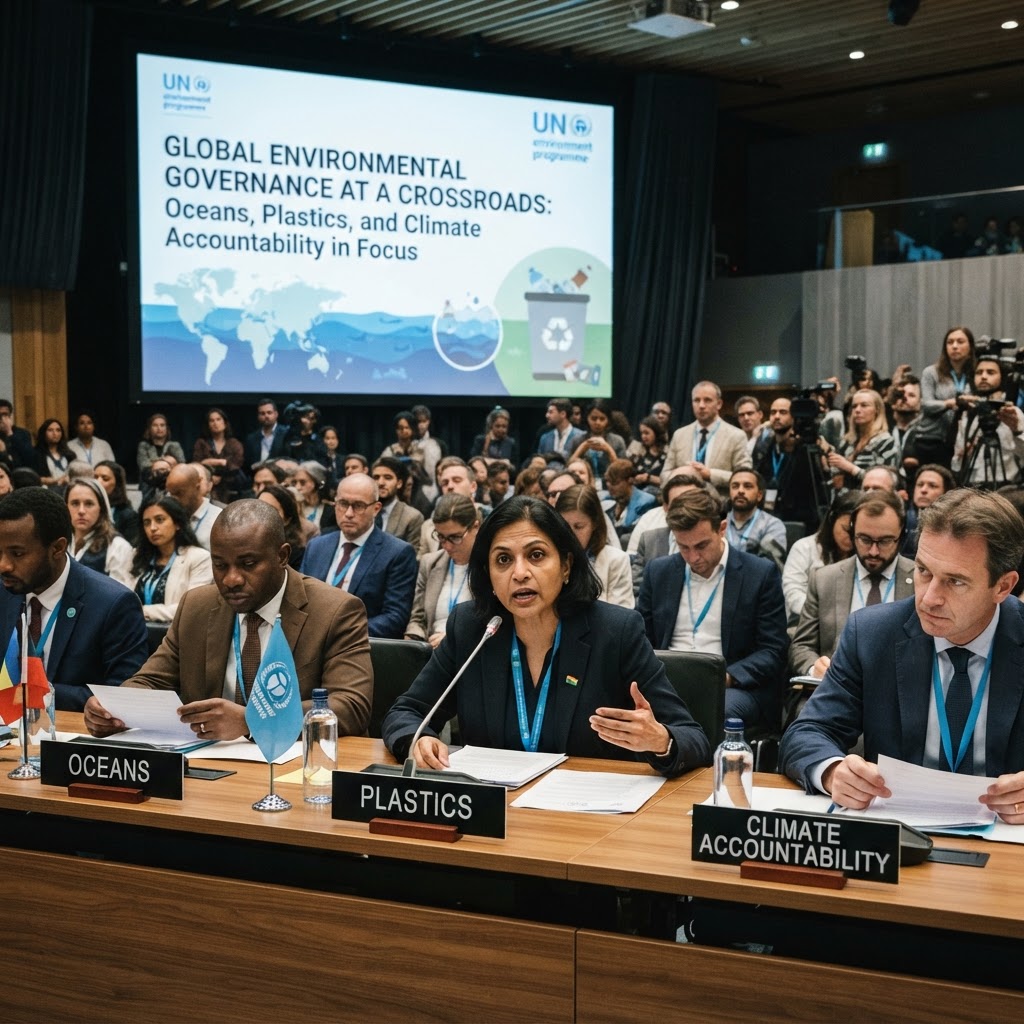
A Watershed Era for International Environmental Law
International environmental governance is entering a consequential chapter characterized by both landmark multilateral diplomacy and rising pressure for enforceable legal standards. According to reports from the United Nations Environment Programme (UNEP), decades-long negotiations are crystallizing into binding pacts, even as communities around the globe grapple with severe ecological disruptions. Central to this evolving architecture is the effort to safeguard marine ecosystems beyond national boundaries. The implementation of the long-negotiated High Seas Treaty marks an essential pillar toward fulfilling the global '30 by 30' initiative, which aims to conserve nearly a third of terrestrial and marine habitats. Historically, less than two percent of international waters—covering roughly two-thirds of the planet's oceans—have enjoyed formal protection, leaving pelagic ecosystems acutely vulnerable to unregulated extraction and climate pressures, as highlighted in reporting on global ocean conservation frameworks.
Simultaneously, delegations from more than 170 nations have continued intense deliberations to draft a legally binding treaty curbing global plastic pollution. Building on foundational frameworks established under the 'Chair’s Text,' negotiators are wrestling with whether the final instrument will restrict virgin plastic manufacturing at the source or rely predominantly on downstream recycling and circular economy mandates. Environmental economists and marine scientists maintain that voluntary commitments have largely failed to curb the influx of microplastics into waterways, turning international binding treaties into humanity's most credible defense against systemic contamination.
Litigation and Technology Redefining Accountability
Outside conference halls, the frontline of environmental regulation has decisively shifted toward courthouses and satellite observations. A notable trend tracked by UNEP environmental legal assessments is the steep rise in climate and environmental litigation worldwide. High courts and international tribunals have increasingly handed down landmark rulings establishing that governments and multinational corporations possess an affirmative legal duty under fundamental human rights frameworks to minimize greenhouse gas output and prevent irreversible environmental harm.
This judicial shift is reinforced by advancements in environmental transparency. High-tech monitoring architectures, including spaceborne atmospheric sensors, are pinpointing thousands of massive methane emissions and industrial leaks across oil and gas facilities worldwide. Because methane exerts a potent near-term warming impact—dozens of times greater than carbon dioxide over a twenty-year horizon—rapidly detecting and capping these plumes provides one of the fastest avenues to temper peak temperatures. Observers emphasize, however, that data collection must be met with uncompromising regional enforcement to yield lasting reductions in fugitive emissions.
The Urgency of Domestic Reform and Climate Adaptation
Regional policies are adapting in tandem with these multilateral and scientific shifts. In Europe, legal standards have tightened significantly under the European Commission's Environmental Crime Directive, which introduces criminal sanctions for serious offenses such as illegal industrial water abstraction, unlawful vessel scrap operations, and illicit trade in toxic fluorinated substances. The directive establishes harmonized penalties across member states to ensure that severe environmental degradation is met with proportionate legal liability rather than minimal regulatory fines.
These policy measures unfold against a stark background of accelerating climatic shifts. As detailed in comprehensive climate assessments by Earth.org, global mean temperatures have flirted persistently with the 1.5-degree Celsius threshold designated by the Paris Agreement. Analysis from international attribution networks indicates that average populations worldwide endure dozens of additional days of hazardous, climate-amplified heat each year. While renewable energy infrastructure is expanding at record rates—spearheaded by substantial solar and wind deployments across Asia, Europe, and the Americas—the pace of clean energy adoption must quicken to counter lingering fossil fuel reliance and ongoing fossil extraction subsidies.
The Implementation Gap Ahead
As the international community navigates the remainder of the decade, the primary hurdle has shifted from recognizing ecological crises to bridging the wide implementation gap. Diplomatic agreements to restore degraded land, halt desertification, and eliminate ocean plastics provide vital roadmaps, but their tangible success relies entirely on national ratification, robust legal deterrence, and fair climate financing for emerging economies. Whether through international high seas treaties, corporate criminal statutes, or high-resolution atmospheric surveillance, the coming years will determine whether the world's governing frameworks can evolve swiftly enough to sustain planetary stability.
Recommended for you
Similar to “Environment”
Crossroads for the Biosphere: Navigating Climate Governance, Litigation, and the Triple Planetary Crisis
As international climate negotiations struggle to deliver sufficient finance and rapid emissions reductions, legal accountability and science-driven policy frameworks are emerging to confront the interconnected threats of climate change, biodiversity loss, and pollution.
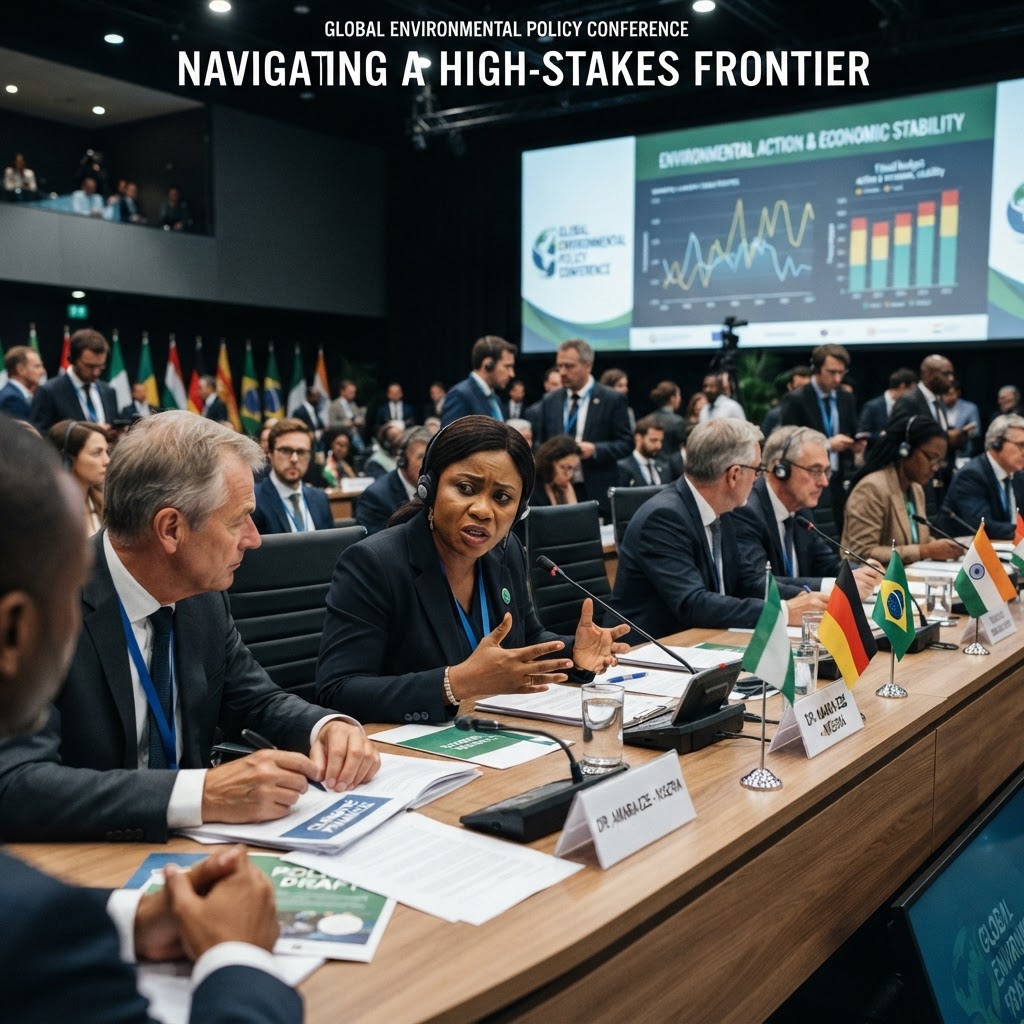
Between Climate Volatility and Fiscal Action: Global Environmental Policy Navigates a High-Stakes Frontier
As extreme weather escalates and adaptation gaps widen, international policymakers and carbon markets are pivoting toward tougher fiscal mechanisms, transparent verification frameworks, and renewed governance.
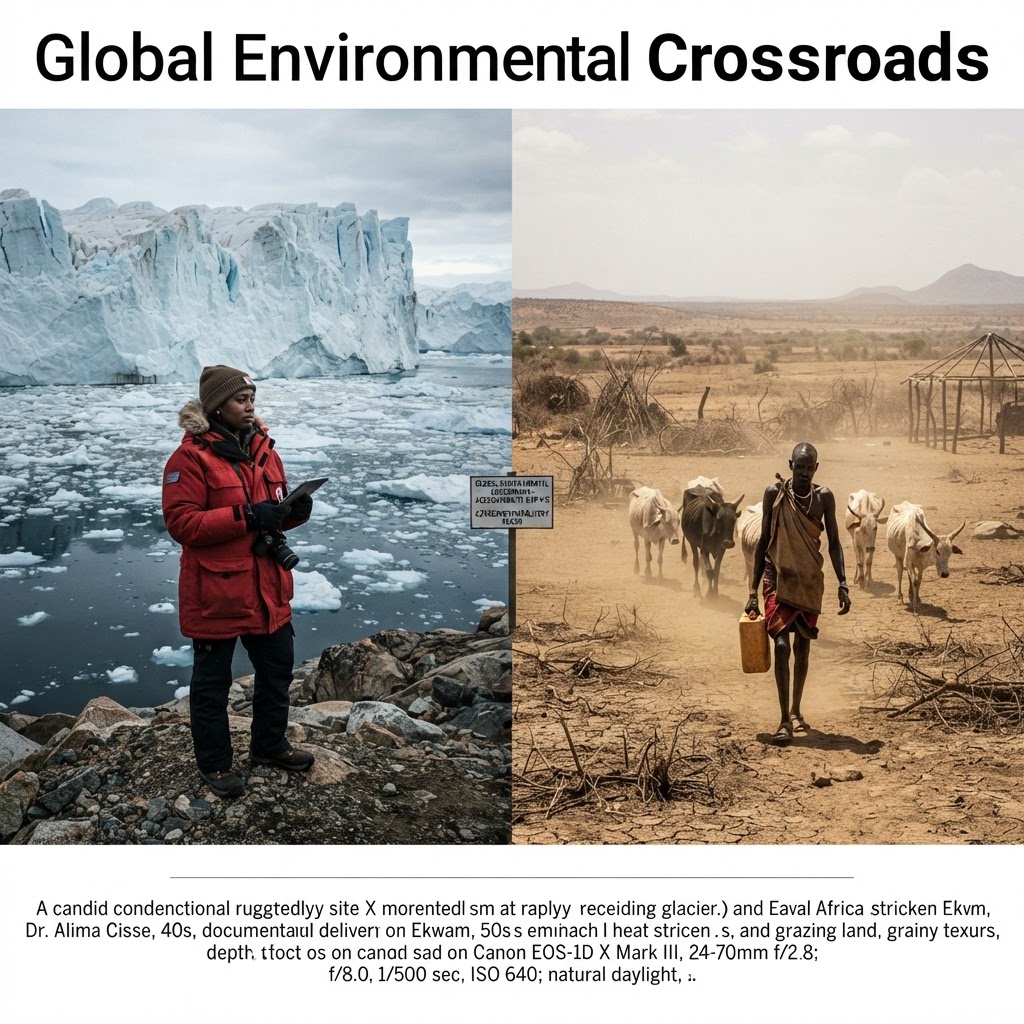
Global Environmental Crossroads: Accountability, Climate Extremes, and the Gap in Conservation Delivery
As record temperatures and extreme weather batter ecosystems worldwide, international environmental governance faces mounting scrutiny over the effectiveness of conservation pledges and climate finance mechanisms.