Strained Frontlines and Strategic Chokepoints: A Shifting Multipolar Order Faces New Security Tests
Escalating clashes near vital maritime passages in the Middle East and intensified strikes across Eastern Europe underscore the delicate balance of an increasingly fragmented global security landscape.
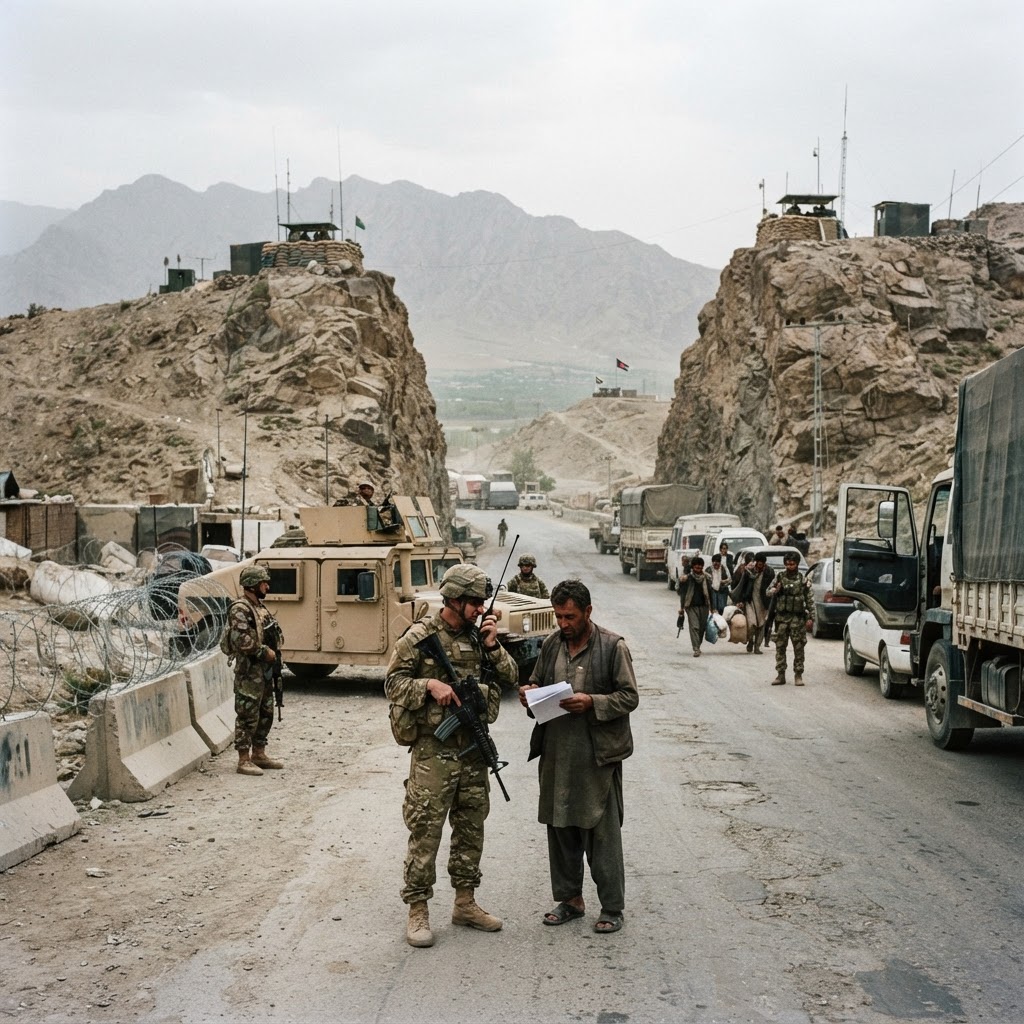
Turbulence Along Strategic Sea Lanes
International affairs in recent days have been shaped by dramatic shifts along some of the world’s most critical commercial corridors. In Yemen, internationally recognized government forces have launched renewed counter-offensives against Houthi forces, regaining ground near crucial maritime transit zones. While military repositioning aims to restore safety to shipping routes adjacent to the Red Sea, the broader humanitarian landscape remains precarious. Aid organizations report mounting domestic displacement as local fighting intensifies, leaving hundreds of thousands without adequate shelter or basic necessities.
The flare-up has drawn swift global attention due to its direct ramifications for maritime logistics and world energy transit. Strategic chokepoints along Middle Eastern waterways remain integral to the global supply chain, and prolonged disruption creates downstream volatility across international commodity markets. In response to regional instability and lingering maritime threats, major powers continue to adjust naval deployments, underscoring how quickly regional power struggles can reverberate through global commerce.
Attrition and Hybrid Pressures Across Eastern Europe
Concurrently, developments in Eastern Europe highlight an evolving phase of conflict marked by systemic attrition and cross-border hybrid friction. In Ukraine, localized defensive campaigns have expanded to target logistical dependencies, with Ukrainian forces mounting sustained operations against adversary fuel networks and refining capacity. Concurrently, civilian infrastructure continues to bear the brunt of retaliatory aerial strikes, inflicting mounting casualties and testing municipal resilience.
Beyond the immediate frontline, European diplomatic corridors are grappling with the widening perimeter of security threats. Regional officials have increasingly voiced concern over hybrid activities, ranging from airspace incursions by unmanned aerial platforms over neighboring territories to suspected sabotage operations aimed at communication and energy networks. These recurring disruptions have intensified debates within regional bodies regarding air defense integration and collective border monitoring, showing that the conventional lines separating conflict zones from peacetime borders continue to blur.
The Realities of a Fragmenting Global Landscape
Underpinning these acute hot spots is a structural transition toward a decidedly multipolar international order. For several decades following the end of the Cold War, international affairs operated under a relatively centralized system dominated by traditional superpowers and established multinational forums. Today, power has diffused across a far wider spectrum of regional heavyweights, including emerging economies in South Asia, Latin America, and the Middle East, each pursuing sovereign security, economic, and resource priorities.
This decentralization presents a dual-edged reality for global diplomacy. On one hand, multipolarity allows regional coalitions to negotiate targeted bilateral trade pacts and tailor local peacekeeping initiatives without relying exclusively on global consensus. On the other hand, the dilution of unified multilateral enforcement mechanisms often leaves multilateral institutions slow to de-escalate crises. Disagreements among major powers frequently complicate diplomatic mediation, permitting regional proxy battles to linger unchecked.
Technological Stakes and Resource Competition
Modern world affairs are increasingly contested not only on physical battlegrounds, but across technological and supply chain frontiers. The race for technological sovereignty—encompassing artificial intelligence infrastructure, secure telecommunications, and advanced semiconductor manufacturing—has become a central pillar of statecraft. Leading economies are aggressively funding domestic production and forging selective alliances to insulate their economies against geopolitical coercion.
At the same time, the transition toward diversified energy grids presents immediate strategic friction. Nations must balance domestic energy security against broader commitments to climate stability. The pursuit of rare earth elements, critical minerals, and robust energy reserves has created fresh diplomatic fault lines, demonstrating that modern foreign policy is inextricably linked to raw industrial capacity.
Navigating the Path Forward
The convergence of active maritime clashes, European territorial conflict, and high-stakes technological rivalry highlights the fragile state of contemporary diplomacy. Maintaining open channels of communication between competing powers remains essential to avert miscalculations that could precipitate broader confrontations. While the contemporary global order lacks the clear ideological boundaries of the past, its stability depends entirely on the capacity of sovereign actors to negotiate pragmatic compromises amidst persistent friction.
Recommended for you
Similar to “World Affairs”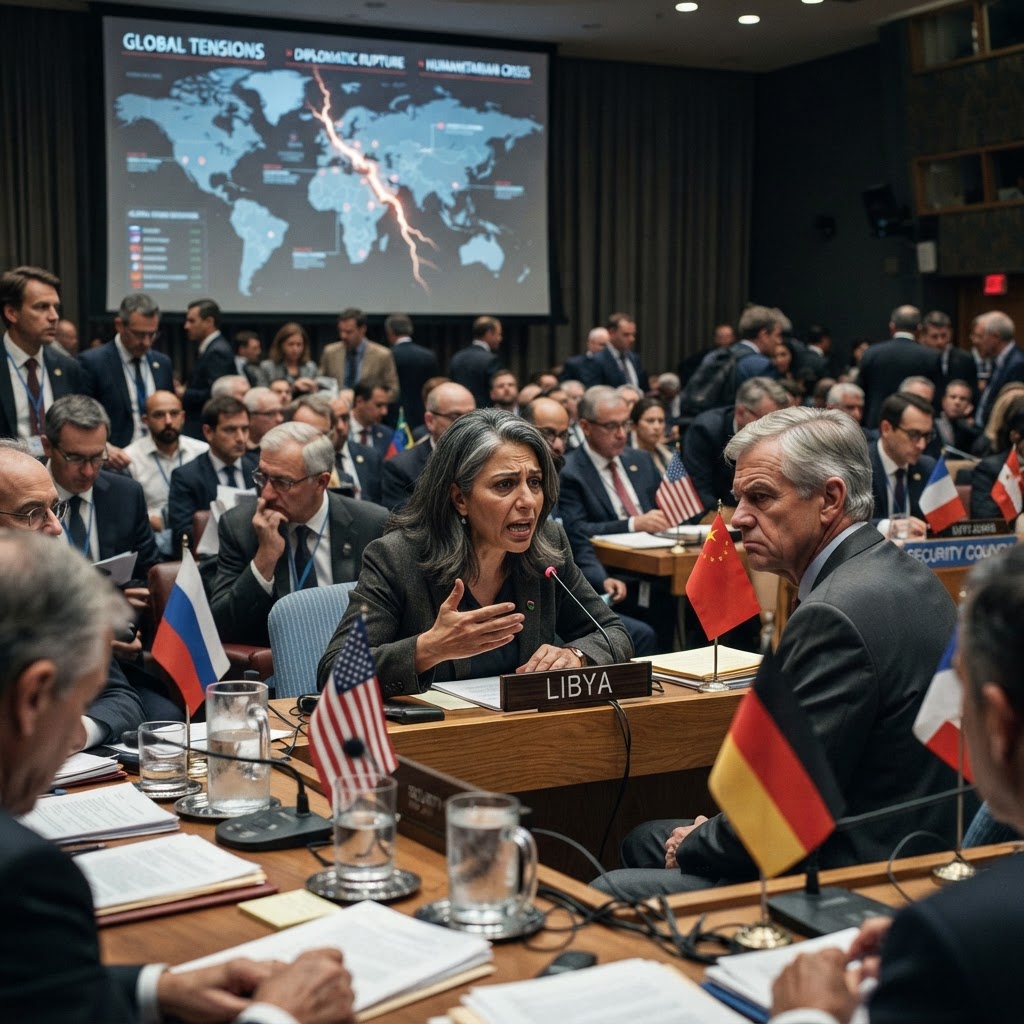
A Fractured Global Order: Escalating Tensions, Diplomatic Realignment, and Humanitarian Pressures Shape World Affairs
From escalating security flare-ups across the Middle East and Eastern Europe to evolving geopolitical alliances and environmental strains, the global landscape faces intensifying strategic and humanitarian tests.
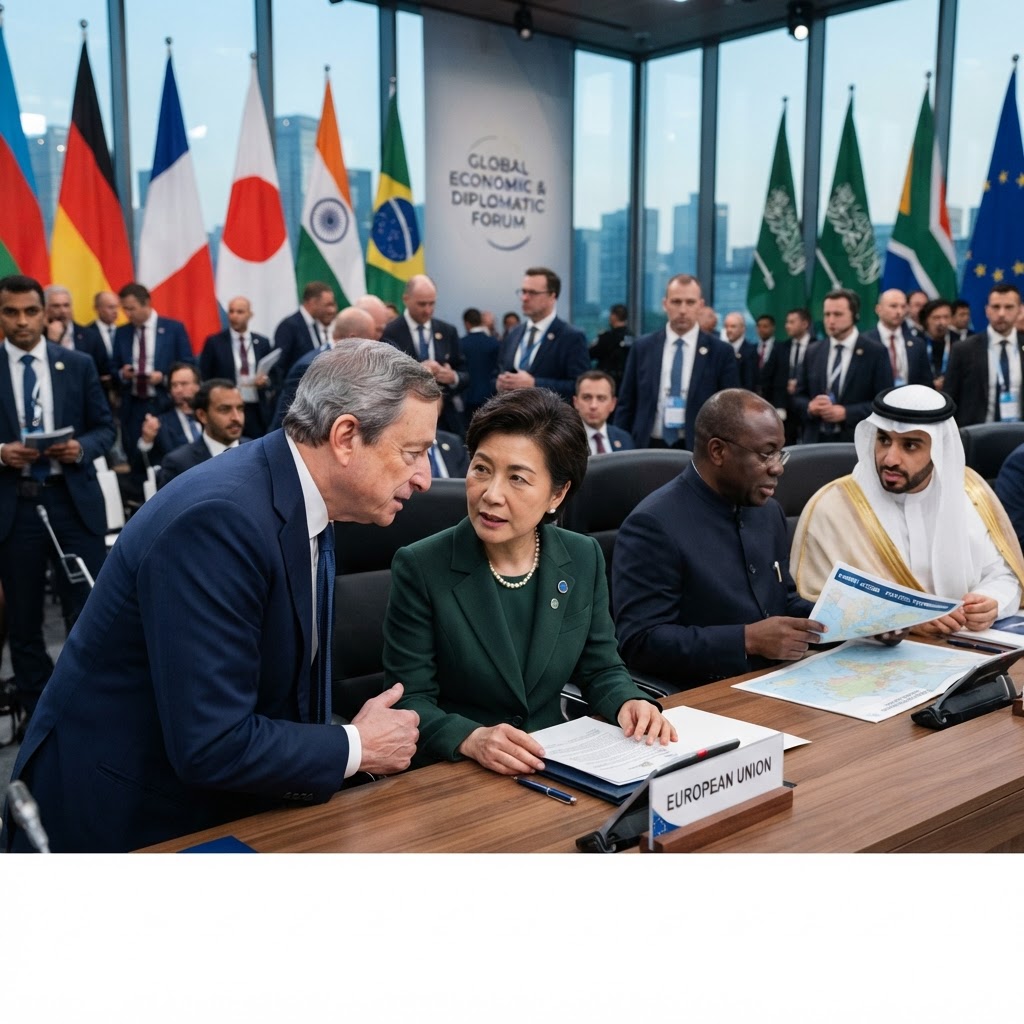
Diplomatic Realignments and Shifting Frontlines: How Energy Deals and Economic Tailwinds Are Reshaping Global Geopolitics
Recent policy reversals in Washington and escalating security friction across Eastern Europe and the Middle East highlight an increasingly fragmented international order, even as technology investment propels global trade forecasts.
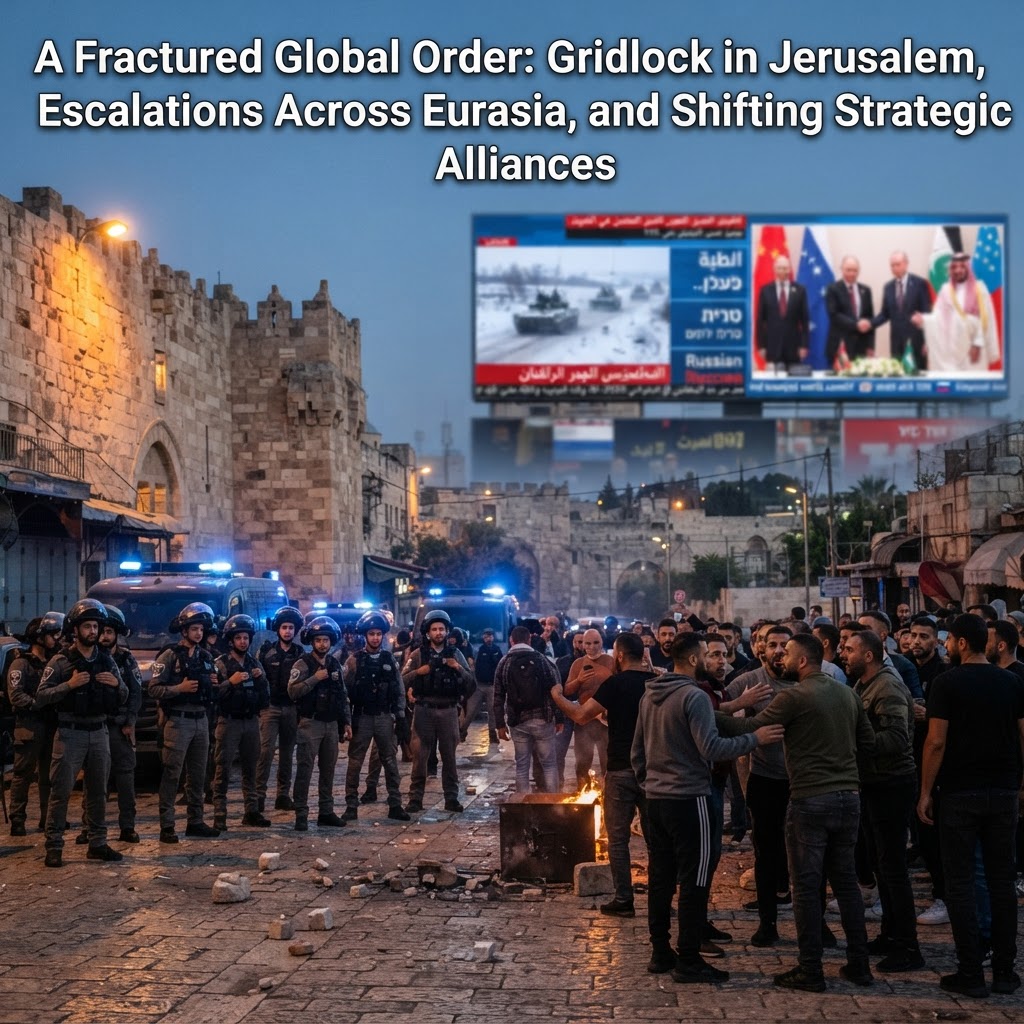
A Fractured Global Order: Gridlock in Jerusalem, Escalations Across Eurasia, and Shifting Strategic Alliances
Recent diplomatic maneuvers and electoral stalemates across the Middle East, Eastern Europe, and Latin America underscore a deeply fragmented geopolitical landscape marked by parliamentary paralysis and regional realignments.