Global Environmental Fronts: Accelerating Climate Vulnerabilities, Policy Clashes, and Grassroots Adaptation
As scientific trackers warn that the 1.5°C threshold could be crossed within years, international negotiators and grassroots communities are racing against time amid escalating regulatory battles and extreme weather.

The Escalating Timeline of Warming and Biodiversity Loss
The latest ecological indicators present a precarious reality for planetary health. Data updates from monitoring organizations highlight that human-induced global warming continues to hover at unprecedented highs, advancing at approximately 0.27°C per decade as reported by the Climate Change Tracker. Global emissions from fossil fuels continue to test new records, pressing scientists to warn that permanently breaching the 1.5°C warming ceiling defined by the Paris Agreement may become unavoidable in the next several years without immediate, structural overhauls to industrial and energy systems.
Parallel to rising thermal readings, international conservation advocates have voiced alarm over lagging commitments to protect ecological reservoirs. United Nations officials recently cautioned that humanity is effectively maintaining a destructive conflict with natural habitats, with global biodiversity targets stalling even as delicate biomes degrade under anthropogenic stress as noted in UN News. From catastrophic deluges in high-altitude mountain corridors to widespread heat domes and wildfires across major continents, the ecological fallout has transformed long-term climate projections into immediate humanitarian challenges.
Global Diplomacy and the Push for Resilient Financing
In response to compounding crises, multilateral bodies are intensifying groundwork for upcoming global summits. Pre-COP meetings and international frameworks have increasingly shifted attention toward closing the adaptation finance gap, especially for developing regions that shoulder disproportionate burdens of climate fallout. As emphasized by leadership at the UN Framework Convention on Climate Change, the dual task involves rapidly expanding renewable capacity while delivering on funding mechanisms that make vulnerable communities resilient to inevitable shocks.
A critical pillar of these international deliberations has been building out the architecture for carbon markets and inclusive transitions. Discussions surrounding carbon-offset credit integrity and emissions mechanisms—such as broadening developing nations' access to the United Nations carbon frameworks and promoting clean household technology—aim to generate direct investment for high-impact regions. Analysts at the World Resources Institute point out that economic trajectories must urgently decouple from carbon reliance while ensuring equitable workforce outcomes, particularly in tropical and agricultural economies transitioning away from resource-depleting models.
Grassroots Adaptation: Agricultural Shifts in Threatened Deltas
While global delegations debate market mechanisms, coastal and agrarian communities are actively developing survival methods in the face of acute environmental disruptions. In Southeast Asia's vulnerable river basins, such as the Mekong Delta, intensifying saltwater intrusion driven by sea-level rise and upstream hydrological modifications has begun rendering traditional freshwater farming obsolete, according to reporting by UN News.
In response, local farmers and agricultural scientists are pioneering salinized food production, transitioning portions of delta farmland into brackish-water aquaculture, mangrove-integrated farming, and salt-tolerant crop varieties. These decentralized adaptation projects showcase how communities at the frontlines are forced to redefine their regional food security models in real-time, functioning as testbeds for how agrarian hubs worldwide may survive intensifying environmental variability.
The Friction Between Policy Deregulation and Environmental Oversight
Even as grassroots initiatives and global forums push for stronger safeguards, domestic environmental governance in key global economies faces deep philosophical and regulatory conflicts. In the United States, significant legal and statutory tensions have escalated around environmental oversight. Federal agencies have pursued broad deregulatory initiatives, altering environmental assessment frameworks like the National Environmental Policy Act (NEPA) and shifting priority metrics on water quality standards and infrastructural emissions limits, as reported by the USDA and covered by NPR.
While proponents argue that streamlined environmental reviews prevent regulatory stagnation and foster domestic enterprise, environmental watchdogs and legal advocates caution that weakening administrative oversight threatens local ecosystems and risks derailing broader carbon reduction goals. Regional initiatives—such as legal disputes over clean energy infrastructure, data center energy accountability, and freshwater waterway designations documented by organizations like the Environmental Law & Policy Center—underscore how the path of future emissions cuts is being fiercely contested in national courtrooms and state utility commissions.
Navigating the Path Ahead
The contemporary environmental landscape is characterized by a stark divergence between accelerating ecological warning signs and uneven political action. As the margin for limiting warming narrows, the interface between legal mandates, carbon financing, and local adaptation strategies will dictate planetary resilience. Whether coordinated international mechanisms can align in time to prevent lasting structural degradation remains the definitive question facing global stakeholders in the months ahead.
Recommended for you
Similar to “Environment”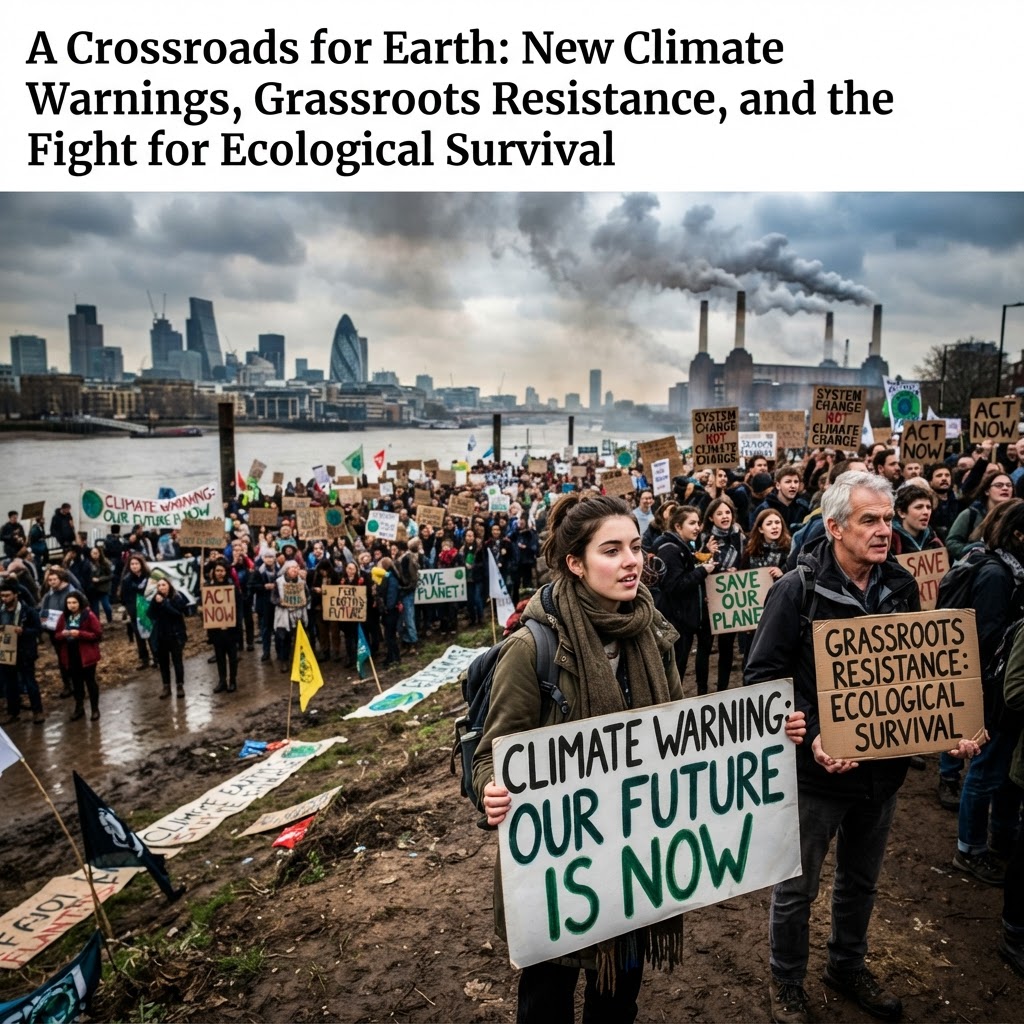
A Crossroads for Earth: New Climate Warnings, Grassroots Resistance, and the Fight for Ecological Survival
Recent scientific studies warn of accelerating atmospheric hazards and unprecedented heatwaves, while legal battles and Indigenous leadership redefine global environmental governance.
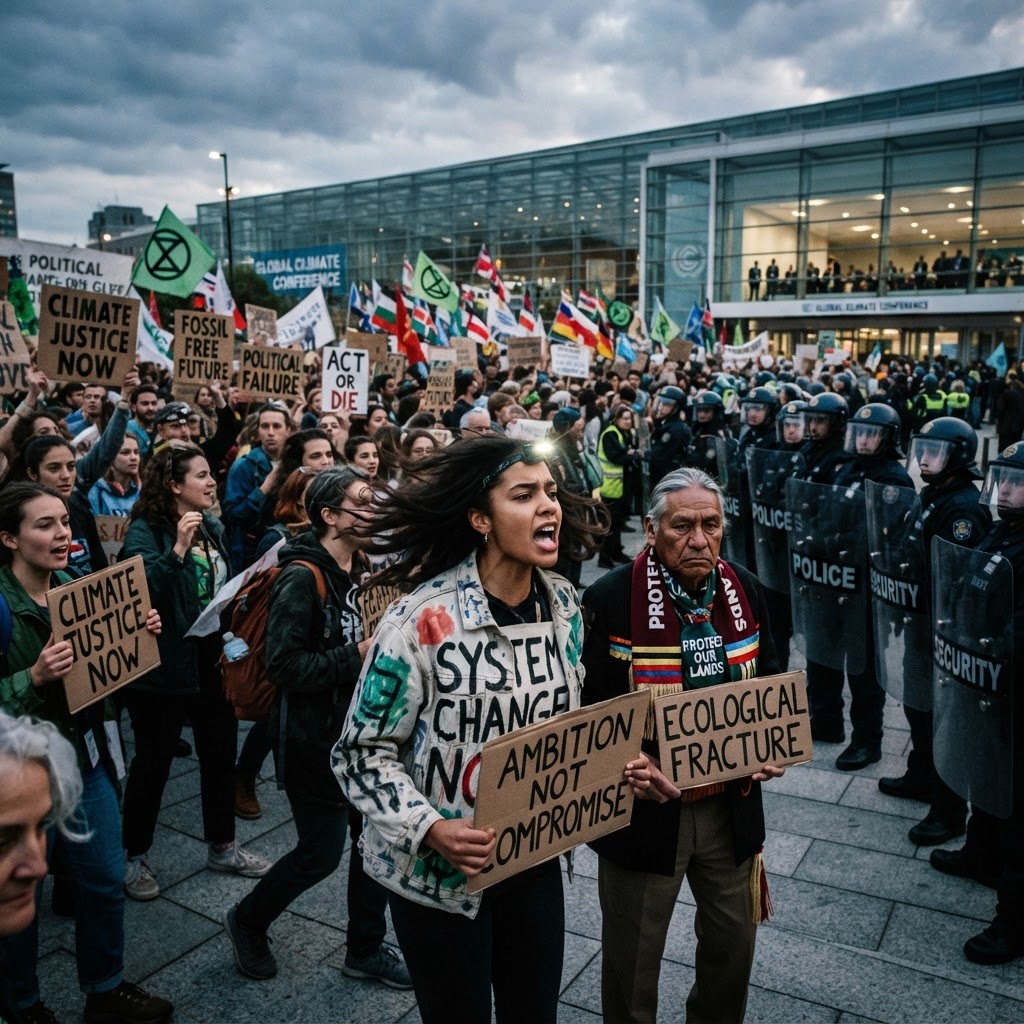
Between Ambition and Backlash: Global Climate Efforts Confront Deepening Political and Ecological Fractures
Even as scientific evidence highlights escalating climate risks and regional vulnerabilities, international policy and domestic environmental governance face mounting legal disputes and shifting political headwinds.
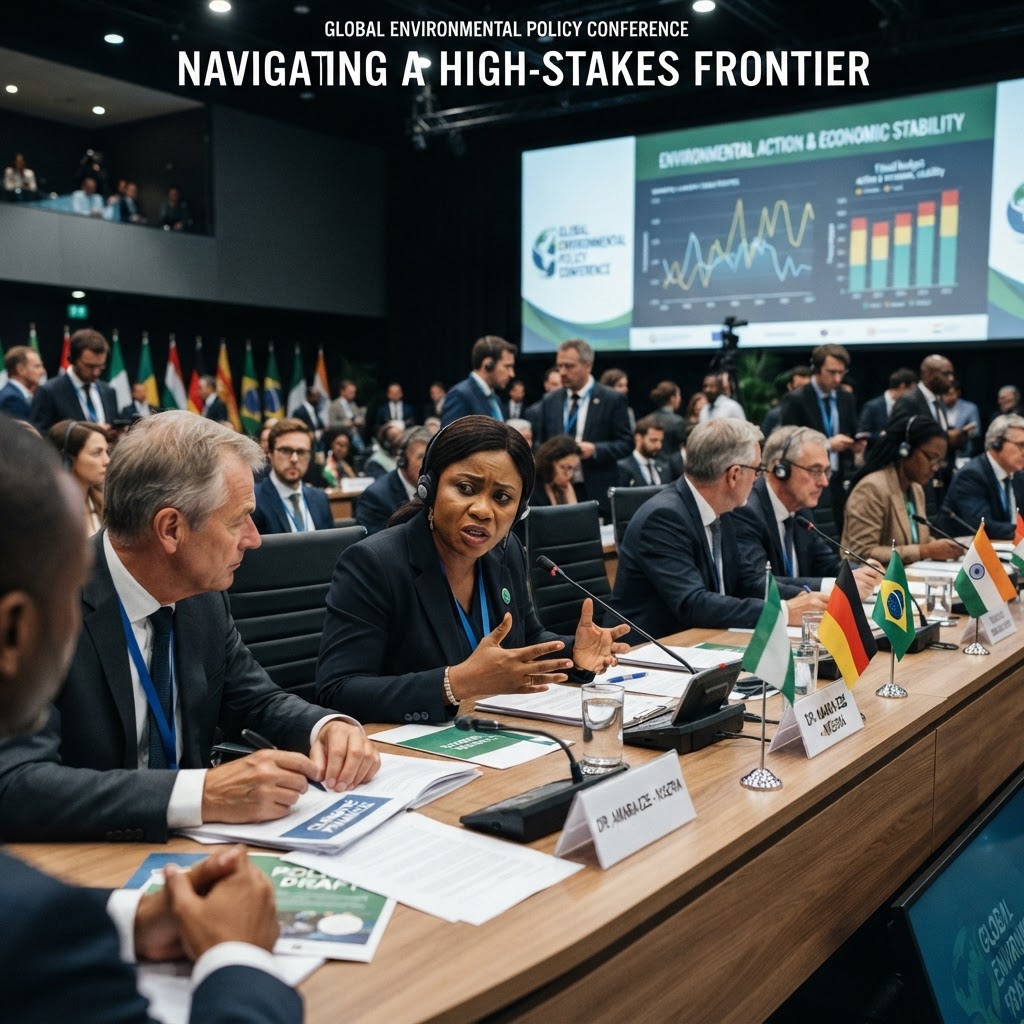
Between Climate Volatility and Fiscal Action: Global Environmental Policy Navigates a High-Stakes Frontier
As extreme weather escalates and adaptation gaps widen, international policymakers and carbon markets are pivoting toward tougher fiscal mechanisms, transparent verification frameworks, and renewed governance.