A Crossroads for Earth: New Climate Warnings, Grassroots Resistance, and the Fight for Ecological Survival
Recent scientific studies warn of accelerating atmospheric hazards and unprecedented heatwaves, while legal battles and Indigenous leadership redefine global environmental governance.
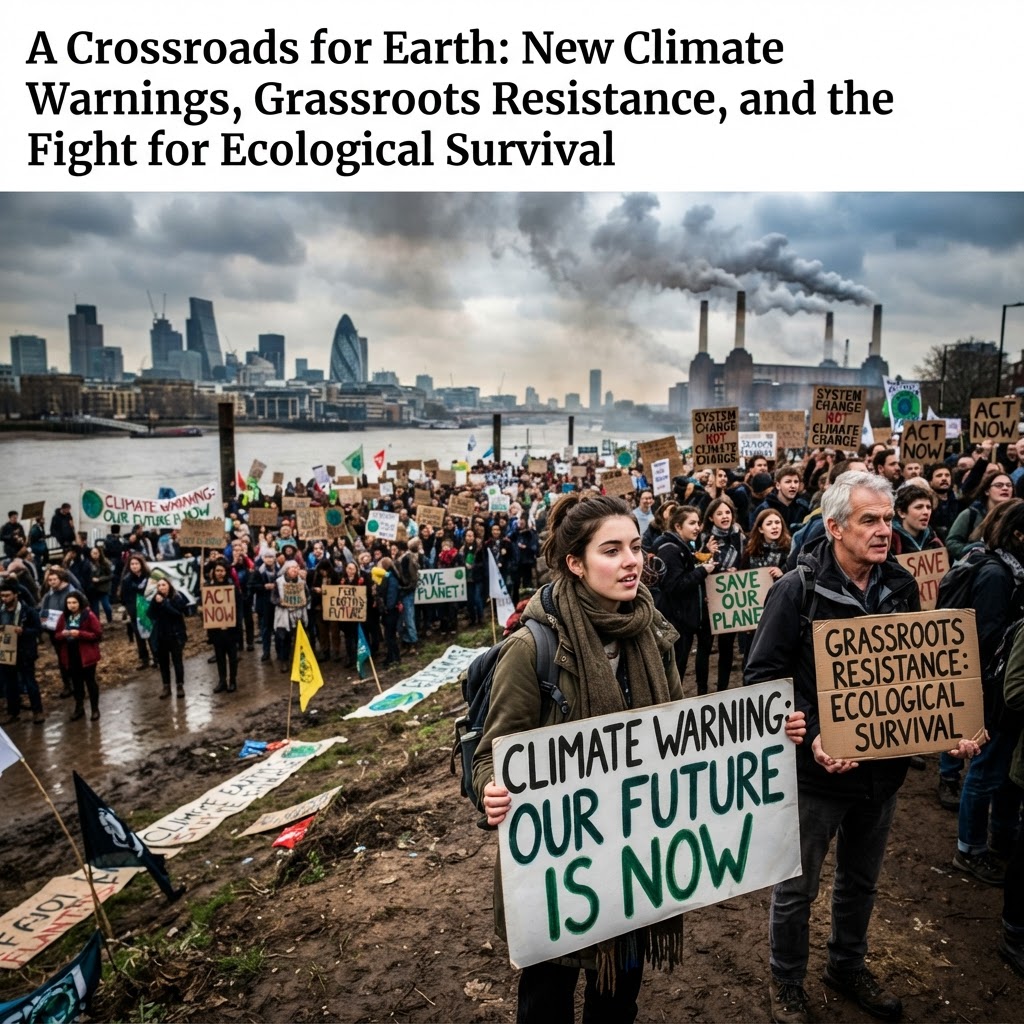
The Escalating Pace of Planetary Disruption
A cascade of scientific findings highlights the widening rift between global environmental commitments and ecological realities on the ground. Research documented by institutions such as Nature indicates that atmospheric burdens continue to expand along unanticipated vectors. Fresh evaluations revealed that emissions of dichloromethane—a short-lived halogenated solvent that threatens the long-term recovery of the stratospheric ozone layer—have accelerated significantly in recent years despite domestic attempts at regulation. Coupled with revelations that historical peak heatwaves will be easily surpassed by emerging thermal extremes under existing emission trajectories, the scientific consensus emphasizes that incremental mitigations offer limited shielding against volatile climate shifts.
Global Commitments Confront Fiscal and Political Bottlenecks
This stark scientific picture contrasts sharply with institutional diplomacy. Although multinational bodies emphasize that transition away from greenhouse emissions is politically irreversible, structural and financial shortfalls remain immense. Analysis highlighted in the UNEP Annual Report details that developing countries will require hundreds of billions of dollars annually by the next decade merely to manage accelerating adaptation costs. Even with existing nationally determined commitments, humanity risks overshooting international safety thresholds, raising average global temperatures beyond safe limits and destabilizing critical water cycles, monsoons, and fragile marine ecosystems.
Frontline Defense and Indigenous Rights
While conference halls negotiate procedural compromises, the frontline struggle to protect biodiversity increasingly plays out across vulnerable landscapes and regional courtrooms. Reporting by Mongabay illustrates that legal enforcement and grassroots mobilization remain crucial lines of defense against rapid industrial encroachment. In the Amazon basin, authorities and Indigenous advocates have had to dismantle illegal mining infrastructure leaking toxic cyanide into protected headwaters and enforce judicial removals of unauthorized cattle ranching. At the same time, regional communities and Indigenous representatives are actively challenging extractive projects, demanding binding seats at high-level biodiversity summits and pushing governments to recognize that conservation targets cannot be attained without formal territorial stewardship.
The Judicial Arena: Redefining Environmental Governance
As negotiated treaties face diplomatic friction and enforcement lags, environmental governance is progressively shifting toward legal accountability. International tribunals and domestic judicial systems have experienced an unprecedented surge in lawsuits challenging national delays, greenwashing schemes, and localized habitat degradation. Analyses like the State of Global Environmental Governance report observe that legal advisory rulings and youth-led litigation are clarifying state responsibilities, establishing that treaties impose enduring obligations that cannot be evaded. With ecosystems pushed to systemic thresholds, the combined forces of independent scientific surveillance, frontline stewardship, and judicial accountability have become the foremost battlegrounds determining the fate of our biosphere.
Recommended for you
Similar to “Environment”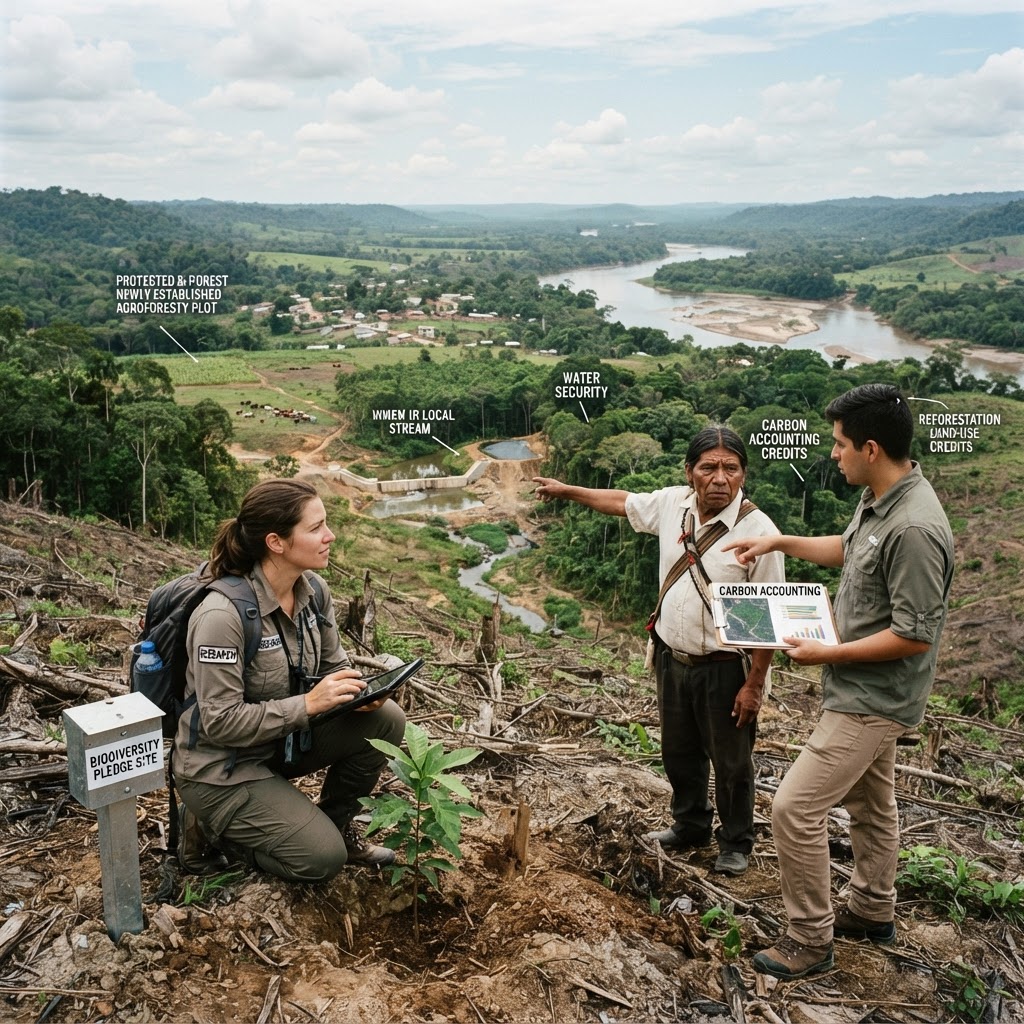
Global Environmental Frontlines: Biodiversity Pledges, Water Security, and Carbon Accounting Collide
As international delegates advocate for indigenous leadership and systemic water governance, new scientific milestones in underground carbon sequestration arrive alongside acute warnings of accelerating glacier loss and regional regulatory friction.
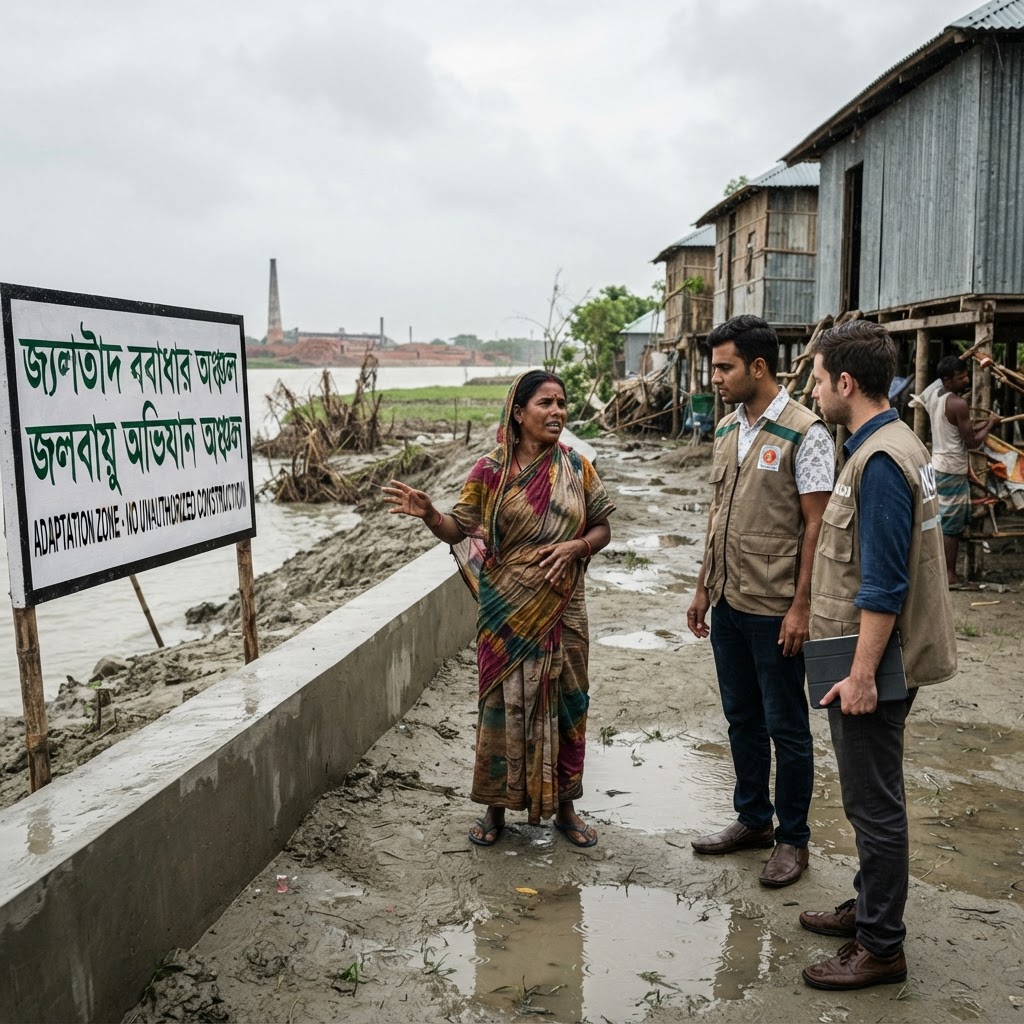
Global Environmental Fronts: Accelerating Climate Vulnerabilities, Policy Clashes, and Grassroots Adaptation
As scientific trackers warn that the 1.5°C threshold could be crossed within years, international negotiators and grassroots communities are racing against time amid escalating regulatory battles and extreme weather.
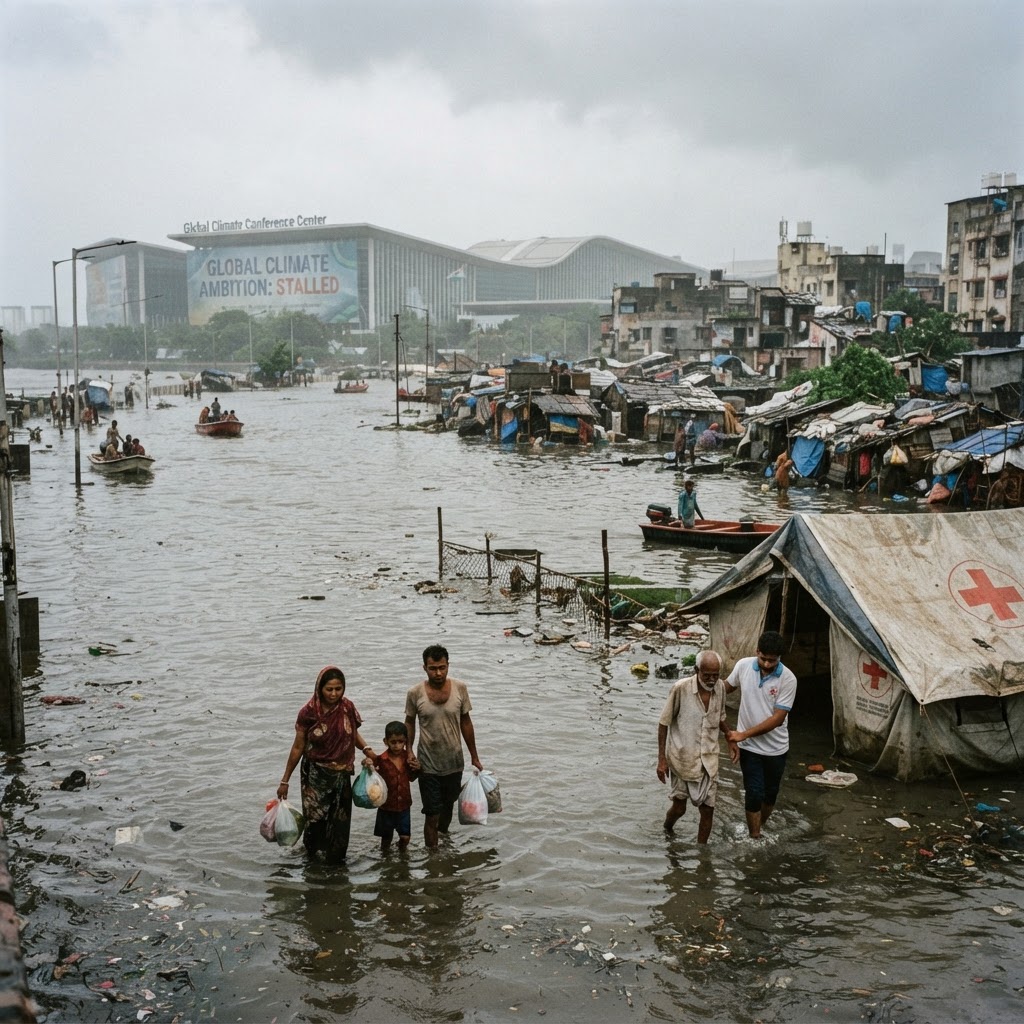
A Convergence of Ecological Crises: Escalating Floods, Health Threats, and Stalled Global Ambition
Recent scientific assessments and diplomatic negotiations reveal a widening gulf between accelerating climate shocks—from intensified flood peaks to rising health burdens—and stalled international environmental action.