Navigating the New Frontier of Global Health: Between Climate Vulnerabilities and Diagnostic Leaps
Recent data from international health agencies and scientific institutions reveals a dual reality: while diagnostic innovations and post-pandemic lifespans advance, environmental extremes and persistent infectious outbreaks test healthcare resilience worldwide.
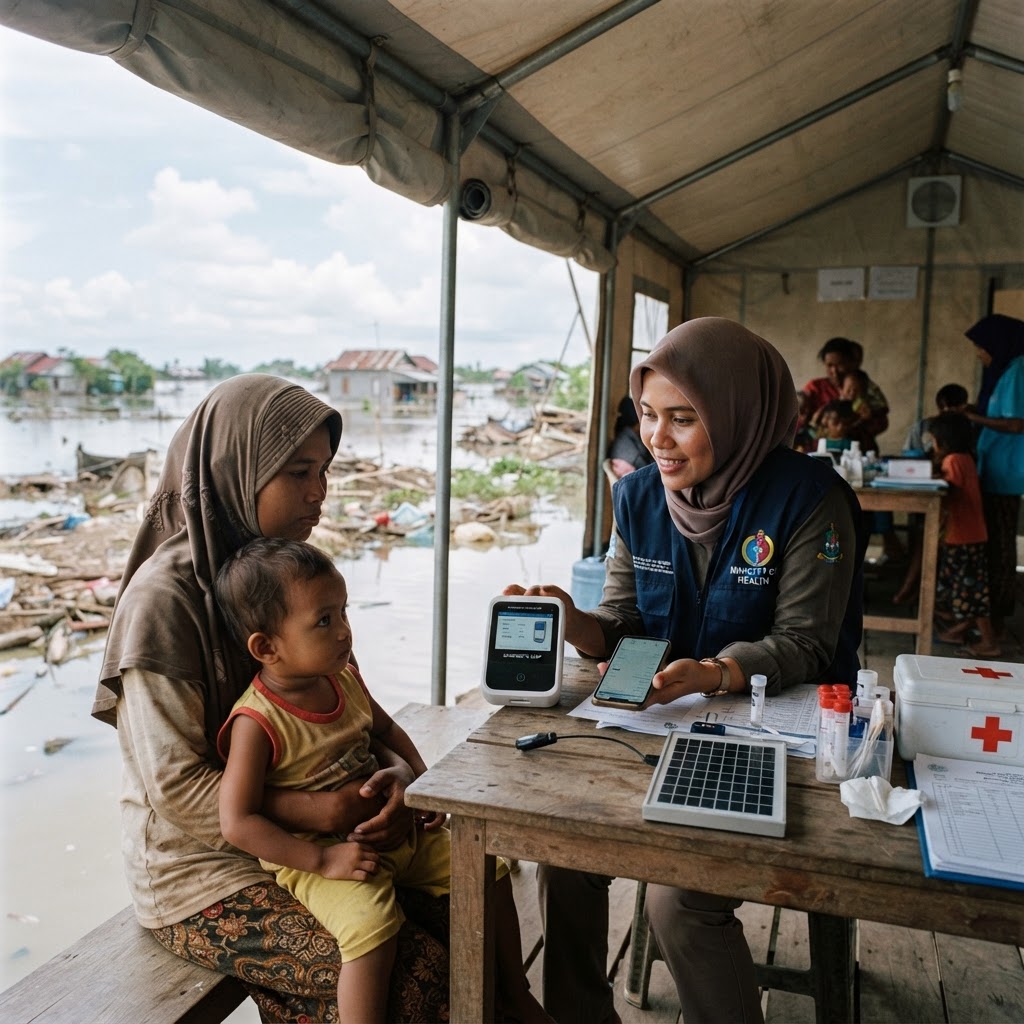
A Complex Post-Pandemic Landscape
In recent days, global health monitoring networks have released a series of assessments demonstrating that humanity's broad public health trajectory remains a delicate balance between hard-won recoveries and emerging ecological risks. According to the latest global estimates published by the World Health Organization, overall worldwide life expectancy has climbed back toward pre-pandemic norms, reaching 73.3 years. However, this statistical recovery masks substantial underlying fractures. Healthy life expectancy—the average span of years individuals spend free from debilitating illness—lags significantly behind, emphasizing that longevity does not inherently equate to well-being.
The Rising Pressure of Climate and Environmental Hazards
Compounding the challenges to quality of life is the accelerating footprint of climate change on human biology. Health authorities recently introduced a targeted global tracking framework to monitor the escalating hazards that extreme heat poses to pregnant women, infants, and vulnerable young children. Prolonged heatwaves, intensified by changing regional weather patterns, are increasingly recognized not merely as meteorological events, but as acute medical crises capable of inducing preterm labor, cardiovascular strain, and severe neonatal complications.
This climate vulnerability forms part of a wider alert raised by the Lancet Commission on 21st Century Global Threats to Health, which recently highlighted seventeen major systemic dangers that could jeopardize global survival between now and the end of the century. The assessment emphasizes that the modern burden of disease can no longer be disentangled from environmental degradation, air quality crises, and underfunded social safety nets, requiring coordinated policy responses that extend far beyond hospital walls.
The Dual Reality of Infectious Threats
Even as chronic and environmental conditions demand growing attention, traditional infectious diseases continue to strain local infrastructures. Recent surveillance updates reveal a sharp 30% increase in cholera-related fatalities across numerous reporting nations. The surge in mortality, despite a concurrent expansion in oral vaccine manufacturing, underscores chronic weaknesses in local sanitation, clean water distribution, and rapid clinical rehydration systems in conflict-affected and impoverished zones.
Concurrently, front-line health workers across Central Africa and South-East Asia continue to combat vector-borne and zoonotic diseases, ranging from dengue and malaria to localized viral outbreaks. These ongoing crises highlight that surveillance and immunization logistics remain heavily dependent on cross-border cooperation and proactive security frameworks designed to curb illicit disruptions to medical supplies.
Technological Breakthroughs Offer New Hope
In contrast to these structural strain points, the frontier of medical engineering and laboratory science is accelerating at an unprecedented pace. Researchers at the University of Cambridge have unveiled an optical diagnostic chip costing only ten dollars, engineered to deliver clinical-grade lab analytics within a wearable wrist-worn format. Innovations of this caliber could radically decentralize chronic disease monitoring and triage, bringing rapid diagnostics to underserved and rural communities that lack access to centralized medical facilities.
Complementing these hardware advances, laboratory researchers have documented significant leaps in high-resolution laser microscopy, making previously invisible cellular machinery accessible to biomedical inquiry. Together with newly published findings tracing the dose-dependent cancer risks linked to everyday lifestyle exposures, public health practitioners are gaining sharper tools both to understand cellular degeneration and to design targeted preventative interventions.
The Road Ahead: Integration and Equity
The contemporary health agenda makes it clear that scientific ingenuity alone cannot resolve structural inequities. Developing portable biosensors and expanding vaccine production quotas represent remarkable technical milestones, yet their real-world impact hinges on frontline access and preventative public health measures. As health ministries confront the dual challenge of persistent endemic pathogens and modern environmental disruptions, achieving durable well-being will require investment that bridges high-tech diagnostic capabilities with fundamental environmental protection and resilient primary care.
Recommended for you
Similar to “Global Health”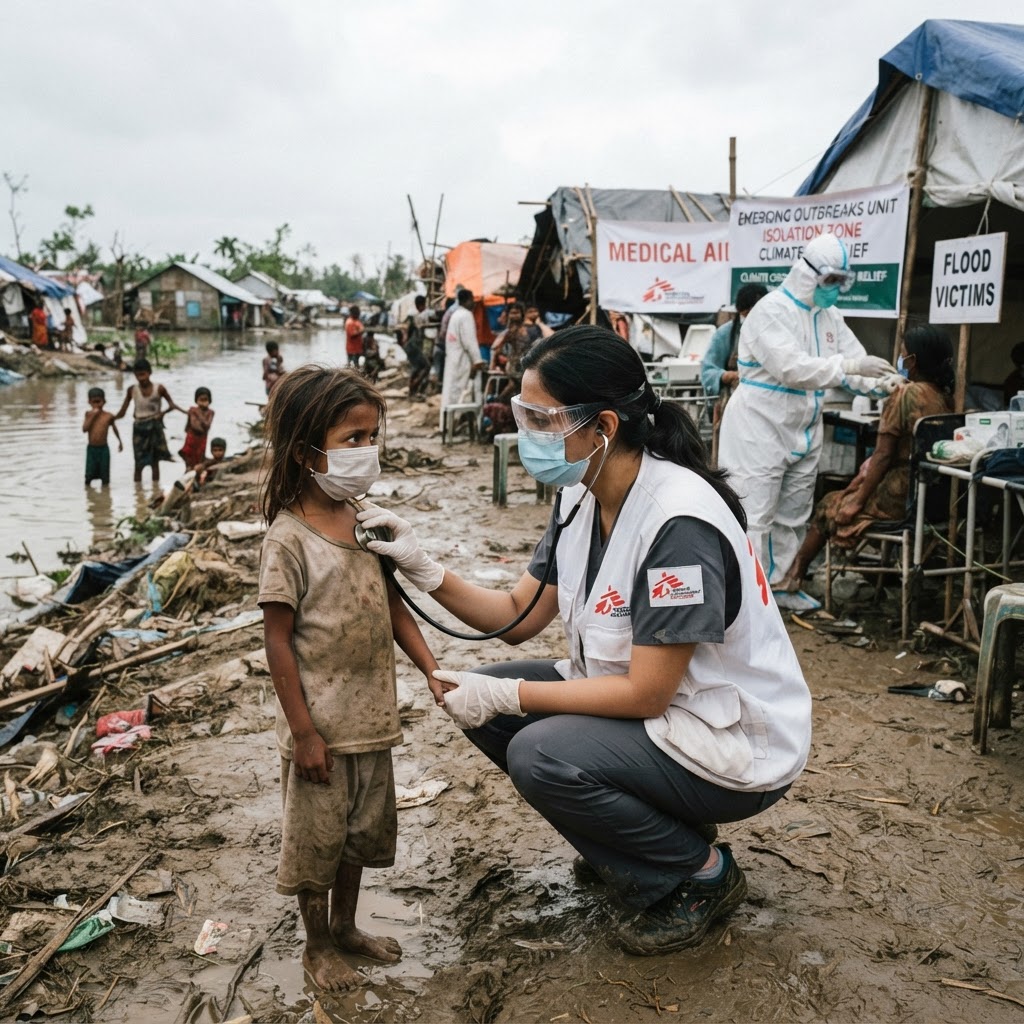
A Dual Front in Global Health: Balancing Escalating Climate Crises and Emerging Infectious Outbreaks
Recent high-level scientific findings and international health directives highlight an urgent dual challenge: mounting climate impacts pushing health systems to their limits, alongside new trial innovations to curb spreading viral threats.
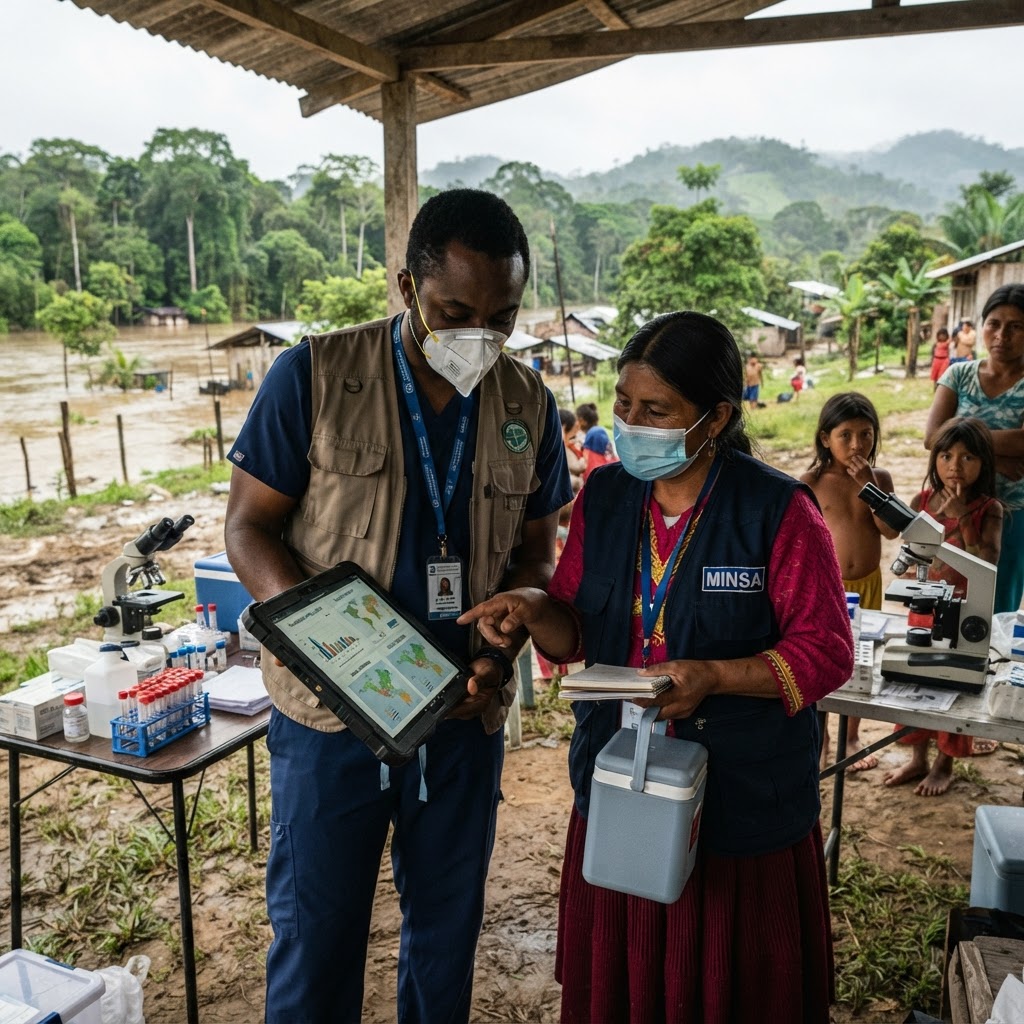
Global Health in Transition: Climate Pressures, Shifting Disease Burdens, and Scientific Frontiers
Recent data from international health bodies and research institutes reveal a complex healthcare landscape marked by surging chronic illnesses, climate-driven vulnerabilities for maternal populations, and rapid technological innovations.
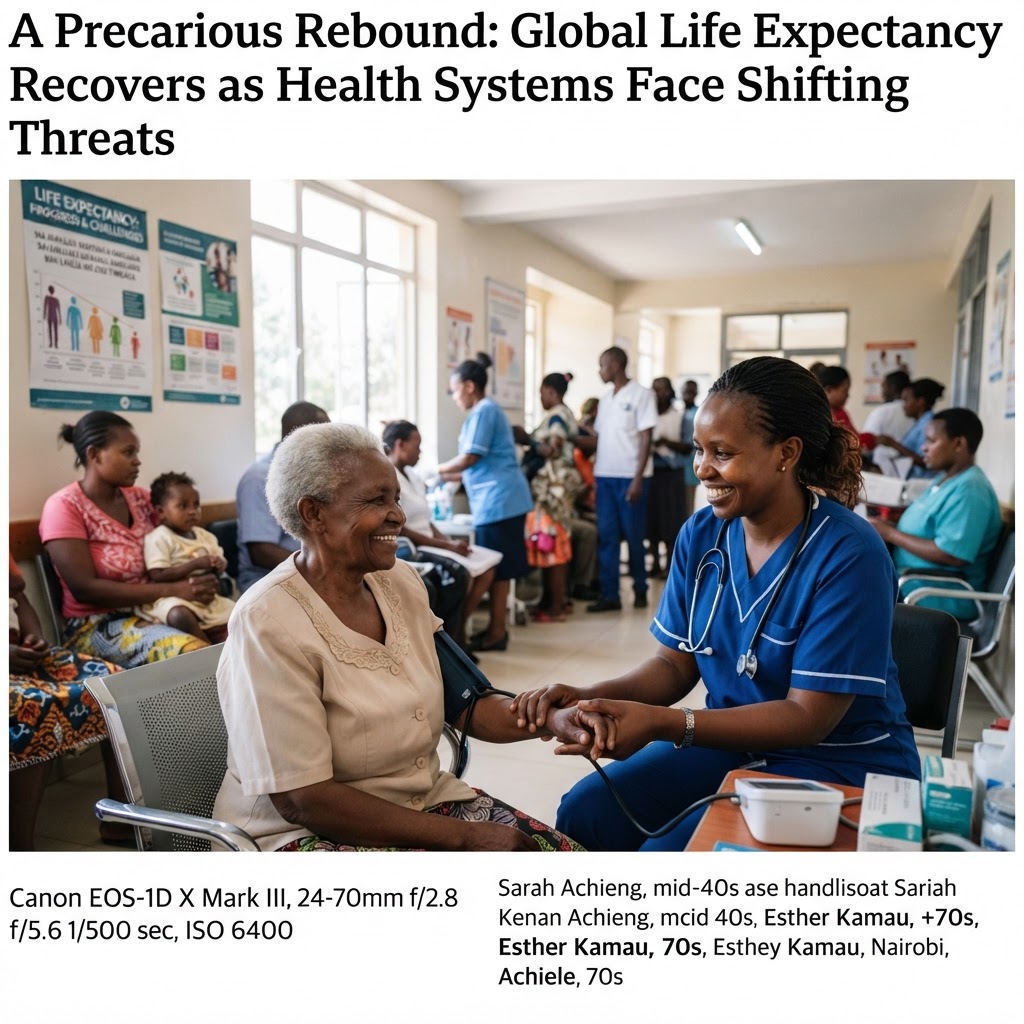
A Precarious Rebound: Global Life Expectancy Recovers as Health Systems Face Shifting Threats
Recent data from the World Health Organization shows worldwide life expectancy rebounding toward pre-pandemic marks, even as regional epidemics and persistent disparities test the resilience of global healthcare infrastructure.