A Dual Front in Global Health: Balancing Escalating Climate Crises and Emerging Infectious Outbreaks
Recent high-level scientific findings and international health directives highlight an urgent dual challenge: mounting climate impacts pushing health systems to their limits, alongside new trial innovations to curb spreading viral threats.
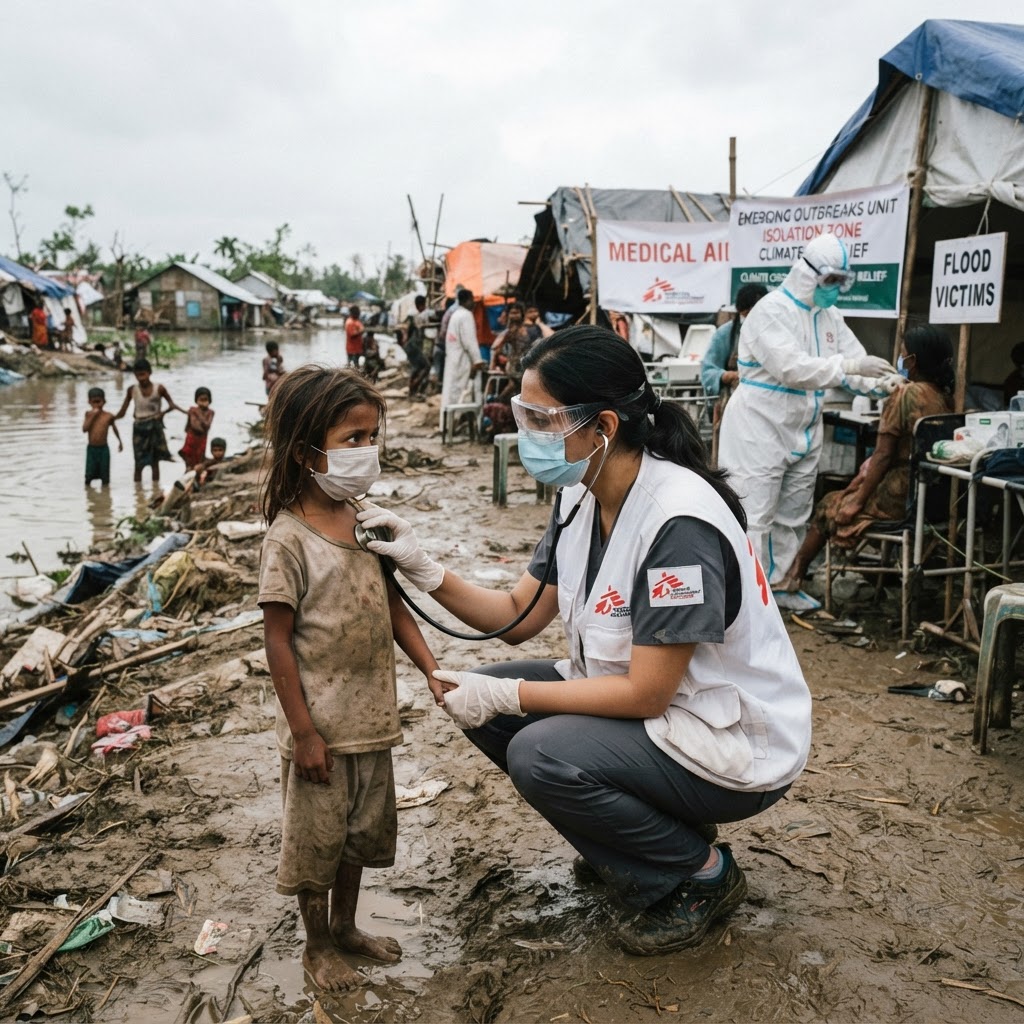
The Convergence of Planetary Disruption and Human Health
International public health organizations and researchers have brought unprecedented scrutiny to the direct and escalating impact of environmental change on human physiology and community resilience. In findings published in late October 2026, researchers contributing to the landmark Lancet Countdown on Health and Climate Change warned that the mounting health hazards associated with global warming are rapidly outpacing worldwide countermeasures. The report, drawing on insights from over 140 scientists across more than 30 countries, underscores how extreme heatwaves, recurring wildfire smoke, and severe storms are actively destabilizing infrastructure and placing acute strain on healthcare delivery systems worldwide. Given the growing threat of surpassing critical temperature thresholds, health leaders and scientific bodies are formally urging international authorities to consider declaring climate change a global health emergency.
Public health leaders emphasize that vulnerable groups bear the heaviest brunt of these environmental stressors. The World Health Organization recently initiated targeted tracking frameworks examining how surging heat indices directly impair maternal health, newborn vitality, and pediatric development. Simultaneously, broad medical coalitions in North America and beyond have noted that climate risks are inextricably linked to wider societal determinants of health, requiring dedicated financing, resilient physical facilities, and stronger municipal safety nets.
Epidemiological Crossroads: Noncommunicable Illness and Shifting Demographics
The intensifying impact of the climate crisis intersects with a profound ongoing transition in global disease trends. Comprehensive health estimates released by international monitors indicate that while baseline life expectancy has substantially rebounded following the major disruptions caused by the COVID-19 pandemic, healthy life expectancy continues to recover at a slower rate. A central driver is the continuing upward trajectory of noncommunicable diseases (NCDs), including cardiovascular conditions, metabolic disorders, severe respiratory disease, and neurodegenerative illnesses like dementia.
Remarkably, this demographic and epidemiological shift is no longer confined to high-income nations. For the first time in tracked historical health indicators, infectious and communicable diseases account for less than half of total recorded mortality in lower-income territories. While this reflects significant milestones in treating acute infectious conditions and improving hygiene over decades, it demands a fundamental reorientation of international health aid. Systems historically built solely around short-term emergency infection containment must adapt to provide lifelong, community-anchored care models capable of managing hypertension, mental health disorders, and chronic conditions across aging populations.
Confronting Infectious Outbreaks: Targeted Vaccine Trials and Regional Preparedness
Even as chronic disease management demands greater structural investment, acute pathogens remain a potent risk. In central and western Africa, health authorities are actively mobilizing to stem a complex Ebola outbreak. Following confirmed cases across multiple nations, international response teams are tracking travel corridors and potential regional transit links while updating operational guidance, including the vital inclusion of gender dynamics in frontline outbreak management.
Scientific alliances are deploying clinical innovations directly to the frontlines to combat strains that have historically lacked approved preventive tools. Notably, the Coalition for Epidemic Preparedness Innovations (CEPI) has initiated key Phase 2 and Phase 3 clinical evaluation protocols to evaluate candidate vaccines against the Bundibugyo strain of Ebolavirus. By testing multiple investigational vaccine platforms concurrently—and establishing strong research ties with major international manufacturing institutes—global health consortia aim to accelerate safety and efficacy determinations in real time. Public health advocates stress that expanding regional manufacturing hubs and multi-sector research development pipelines represents the cornerstone for achieving equitable pandemic preparedness.
Building Integrated, Resilient Health Systems
The contemporary intersection of planetary strain, chronic disease expansion, and viral surveillance demonstrates that global health cannot be approached through isolated interventions. From clinical advances in specialized pediatric treatments to wide-ranging policy pushes addressing toxic environmental and socioeconomic exposures, modern medicine is recognizing that individual well-being depends heavily on community resilience.
As health delegates look toward future multilateral summits and climate negotiating tables, the consensus across researchers, clinicians, and advocacy groups remains unified: long-term population survival hinges on integrating climate mitigation directly into preventative public health frameworks. Whether deploying accelerated vaccine trials against emergent pathogens or fortifying local clinics against extreme weather, the imperative is clear—global health architecture must adapt quickly to protect communities facing an increasingly volatile world.
Recommended for you
Similar to “Global Health”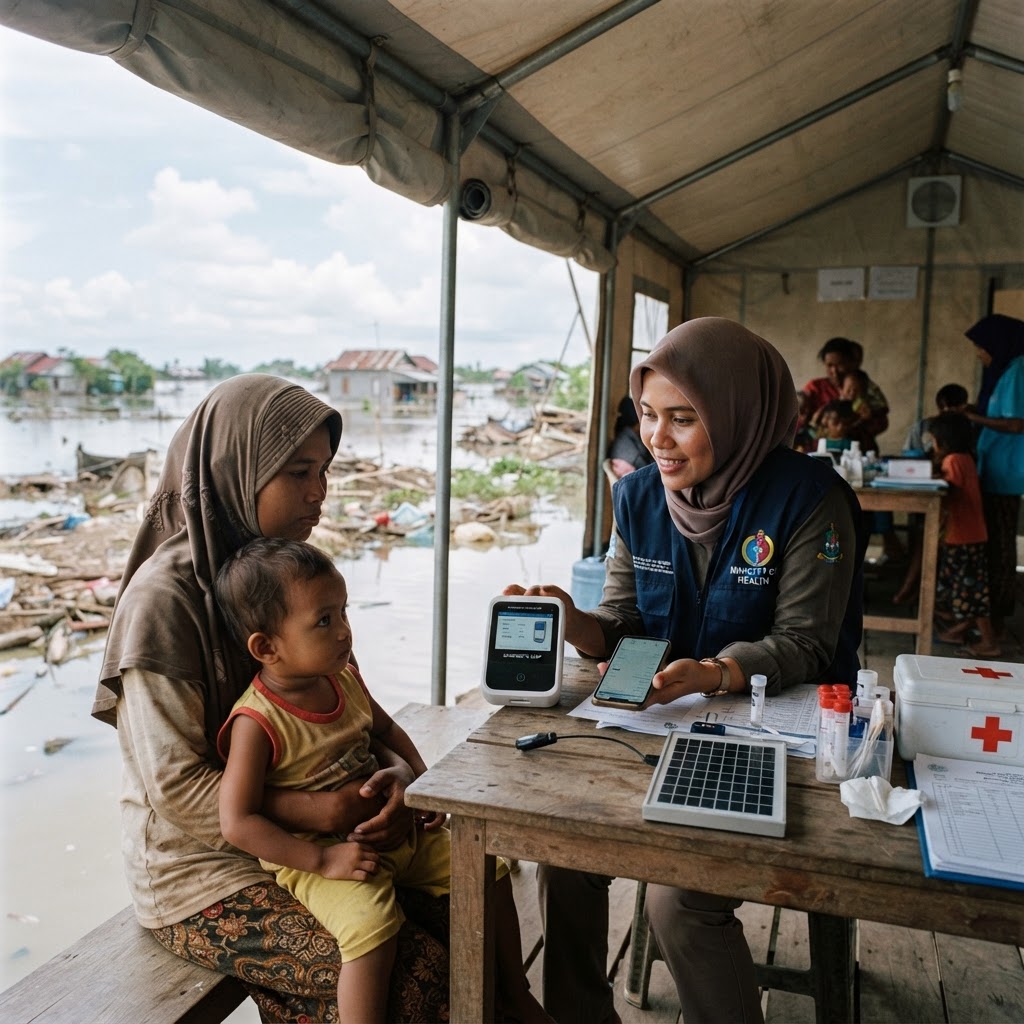
Navigating the New Frontier of Global Health: Between Climate Vulnerabilities and Diagnostic Leaps
Recent data from international health agencies and scientific institutions reveals a dual reality: while diagnostic innovations and post-pandemic lifespans advance, environmental extremes and persistent infectious outbreaks test healthcare resilience worldwide.
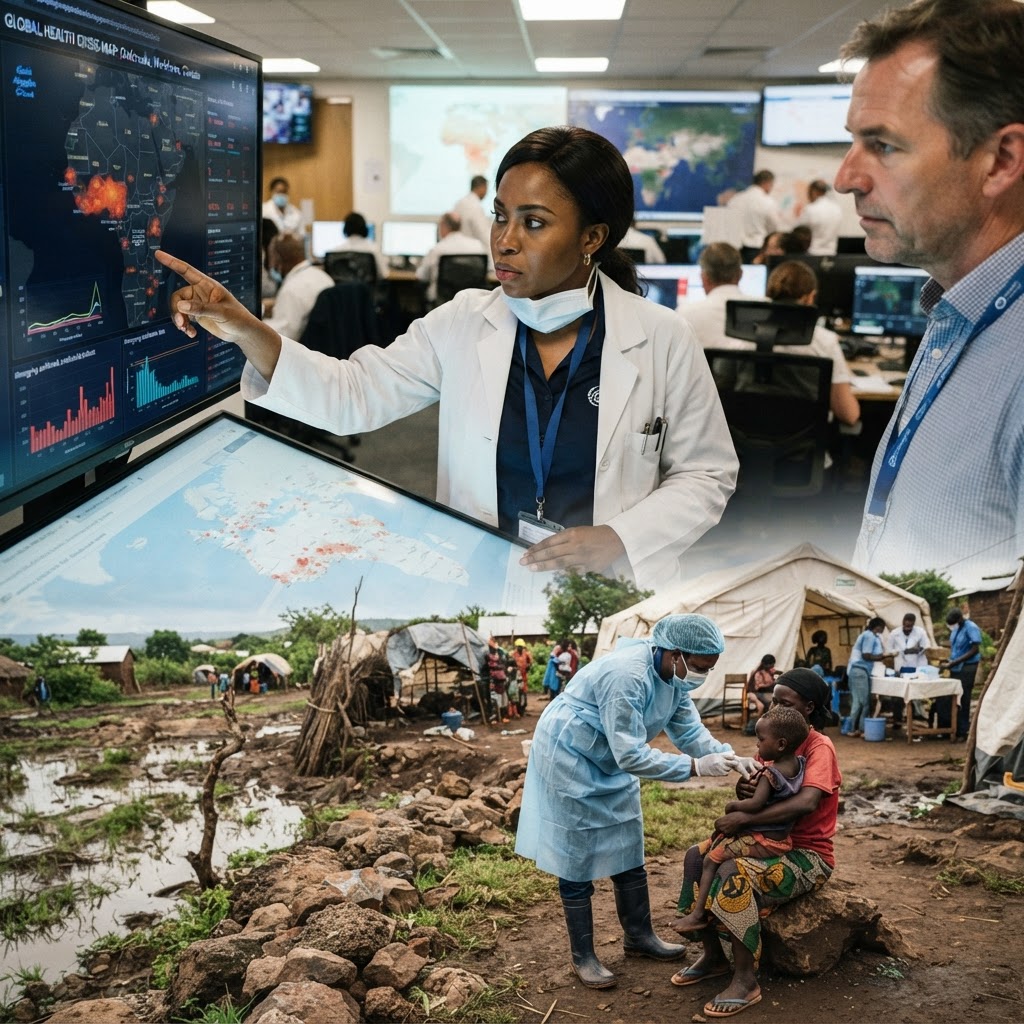
Global Health at a Crossroads: Resurgent Outbreaks, Workforce Deficits, and Emerging Environmental Threats
Recent surveillance updates from international agencies highlight intensified cross-border disease containment efforts, escalating climate risks for maternal health, and a looming deficit among healthcare professionals.
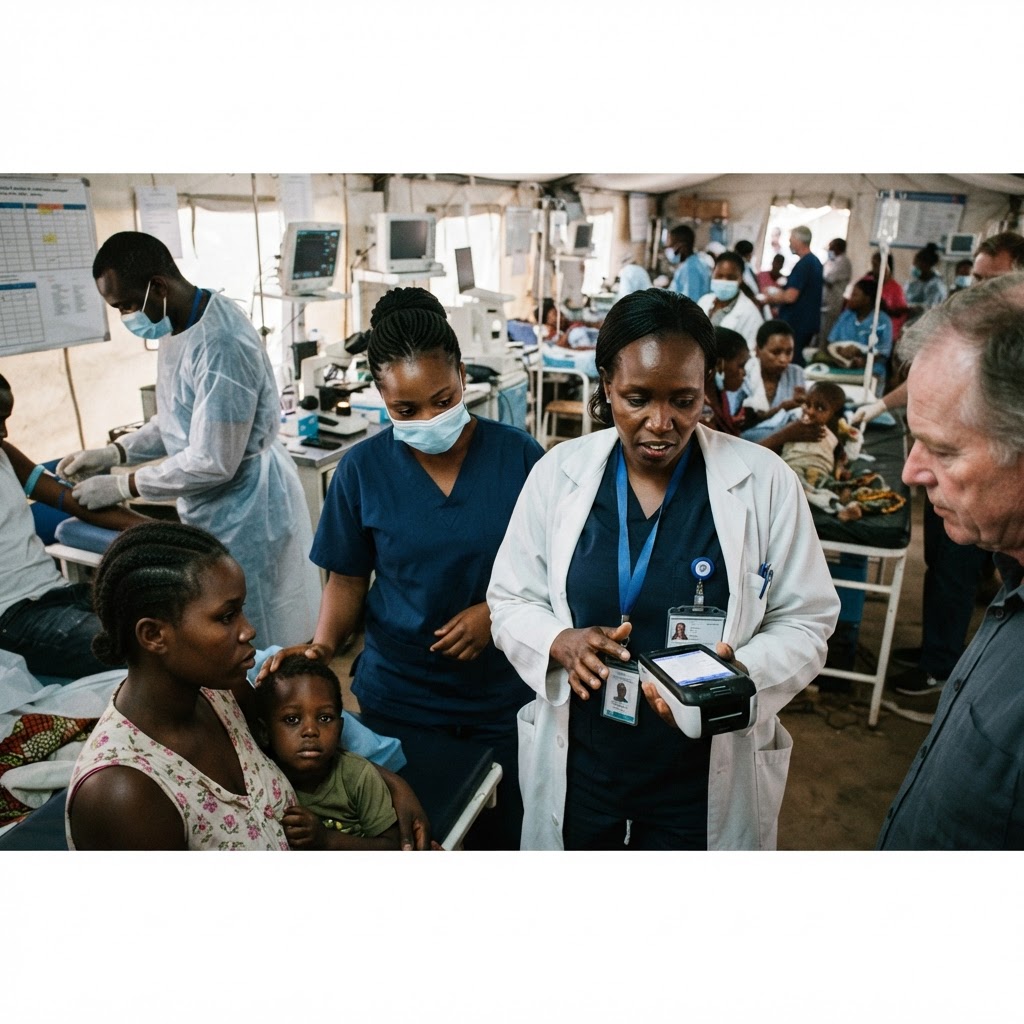
Global Health at a Crossroads: Tackling Chronic Crises, Emerging Pathogens, and Diagnostic Shifts
Recent major announcements across international public health spotlight urgent new clinical guidelines for diabetes and oncology alongside critical discoveries in pathogen transmission and neurodegenerative disease.