Global Health in Transition: Climate Pressures, Shifting Disease Burdens, and Scientific Frontiers
Recent data from international health bodies and research institutes reveal a complex healthcare landscape marked by surging chronic illnesses, climate-driven vulnerabilities for maternal populations, and rapid technological innovations.
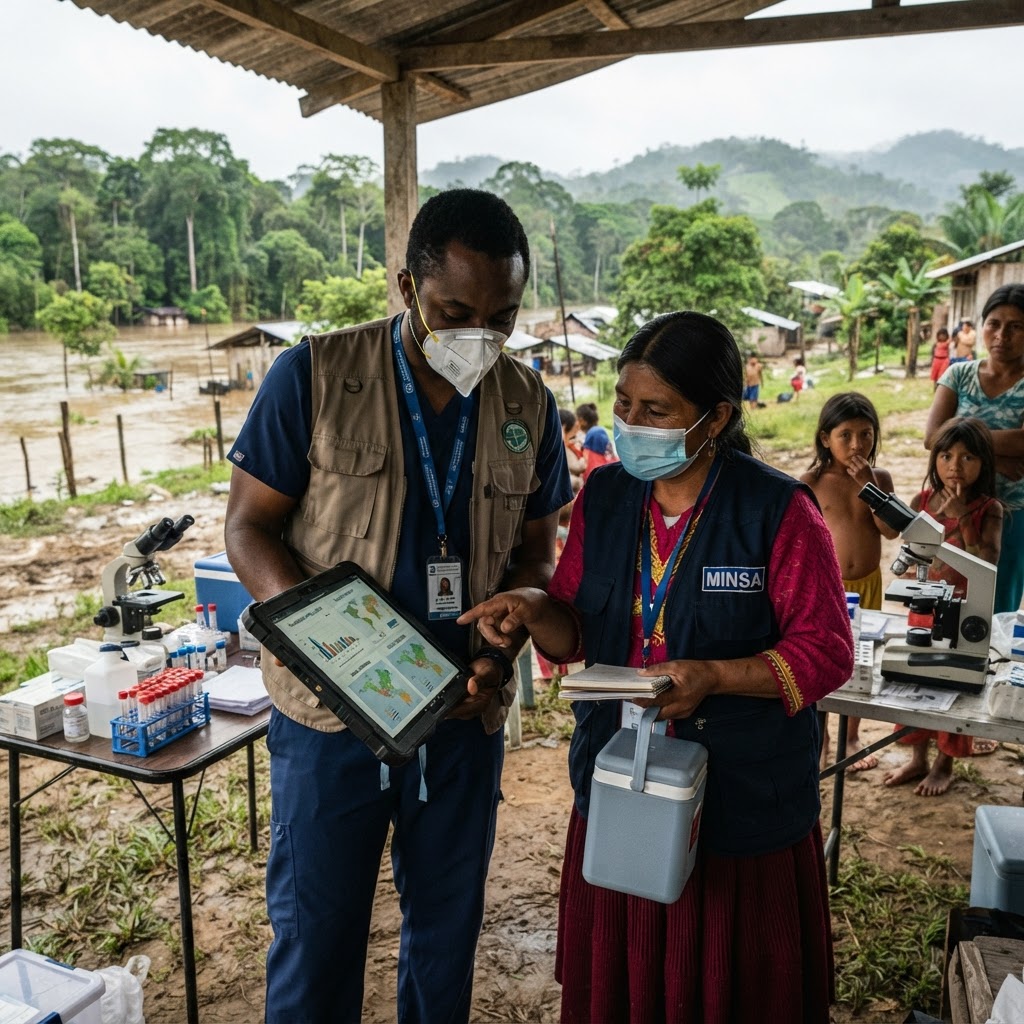
A Transforming Global Disease Landscape
The architecture of global public health is experiencing a marked realignment as populations worldwide live longer while confronting increasingly complex health challenges. Comprehensive updates from the World Health Organization highlight that noncommunicable conditions, including cardiovascular disorders, diabetes, and neurodegenerative illnesses, now account for nearly three-quarters of all global deaths. Although life expectancy has rebounded following the acute disruptions of the COVID-19 pandemic, healthcare infrastructures are under sustained strain to accommodate populations managing long-term, multi-morbidity challenges.
Concurrently, traditional infectious threats remain persistent, exacerbated by geopolitical instability and logistical friction in conflict zones. In regions experiencing active crises, health facilities face critical shortages and supply line interruptions, while climate-related displacement and disrupted water infrastructure have sustained elevated mortality from preventable bacterial outbreaks such as cholera. Global health authorities are calling for systemic reinforcement of municipal sanitation, continuous surveillance, and equitable vaccine delivery to curb unnecessary fatalities.
Climate Vulnerabilities and Maternal Safeguards
Compounding the shift in chronic disease burdens are intensifying environmental pressures, particularly rising global temperatures. Recent international frameworks established by health and climate researchers have spotlighted the disproportionate physiological impact of extreme heat events on pregnant women, neonates, and young children. Prolonged heat exposure during gestation is increasingly recognized as a catalyst for adverse outcomes, including preterm delivery, maternal hypertension, and low birth weights.
To mitigate these consequences, public health authorities are urging municipal leaders and healthcare providers to implement targeted early-warning systems, enhance community cooling facilities, and integrate environmental resilience directly into standard antenatal and maternal care protocols. Addressing environmental determinants has transitioned from an external policy consideration into a frontline clinical priority.
Translational Science and Preventative Medicine
Alongside structural health challenges, the clinical sector is witnessing rapid strides in biomedical engineering and disease prevention. Engineers and clinical researchers have unveiled low-cost diagnostic microchips capable of bringing laboratory-grade molecular diagnostics into point-of-care, wearable formats. Such tools hold transformative potential for decentralizing chronic disease management and improving diagnostic accessibility in resource-limited clinics.
Furthermore, epidemiological investigations continue to refine public understanding of lifestyle and environmental risk factors. Recent large-scale clinical cohorts exploring metabolic mechanisms, therapeutic interventions for hormonal changes, and the dose-dependent correlations between dietary exposures and oncology risks are providing clinicians with more nuanced avenues for preventative patient guidance. As the broader healthcare paradigm adapts to systemic environmental and demographic changes, the convergence of robust surveillance, resilient local clinics, and agile biomedical technology remains essential for sustaining long-term health equity.
Recommended for you
Similar to “Global Health”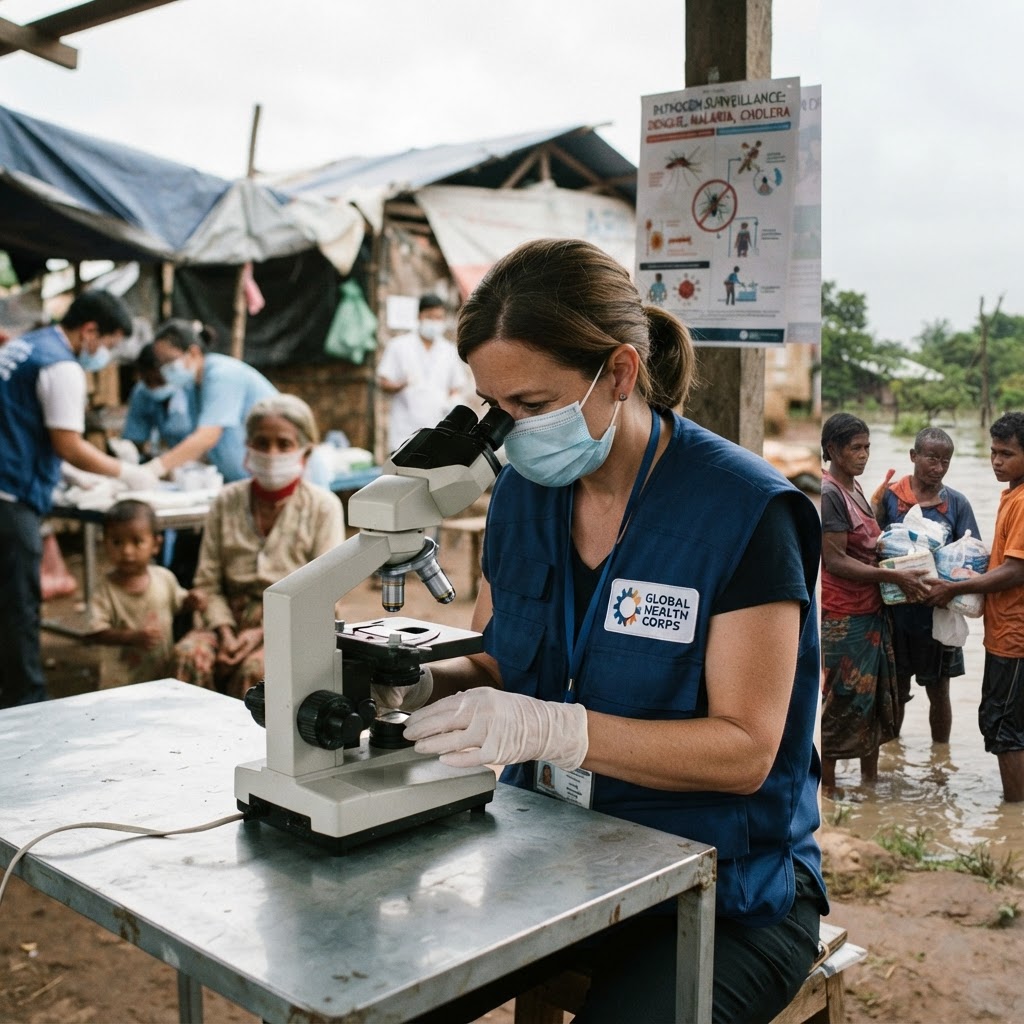
Global Health at a Crossroads: Resurgent Pathogens, Climate Threats, and Shifting Demographic Landscapes
Recent international health reports underscore a complex landscape where rebound gains in global life expectancy face escalating pressures from regional disease outbreaks, climate-driven heat risks, and chronic maternal conditions.
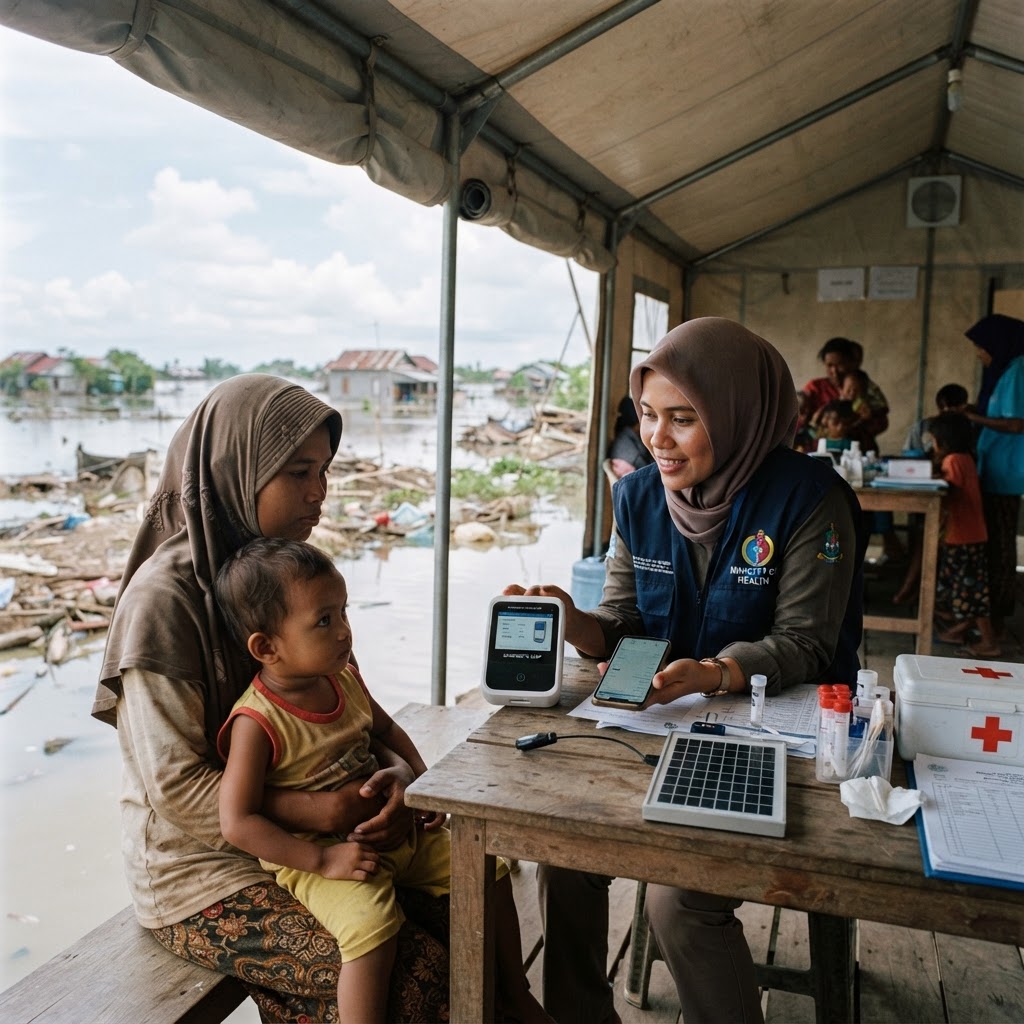
Navigating the New Frontier of Global Health: Between Climate Vulnerabilities and Diagnostic Leaps
Recent data from international health agencies and scientific institutions reveals a dual reality: while diagnostic innovations and post-pandemic lifespans advance, environmental extremes and persistent infectious outbreaks test healthcare resilience worldwide.
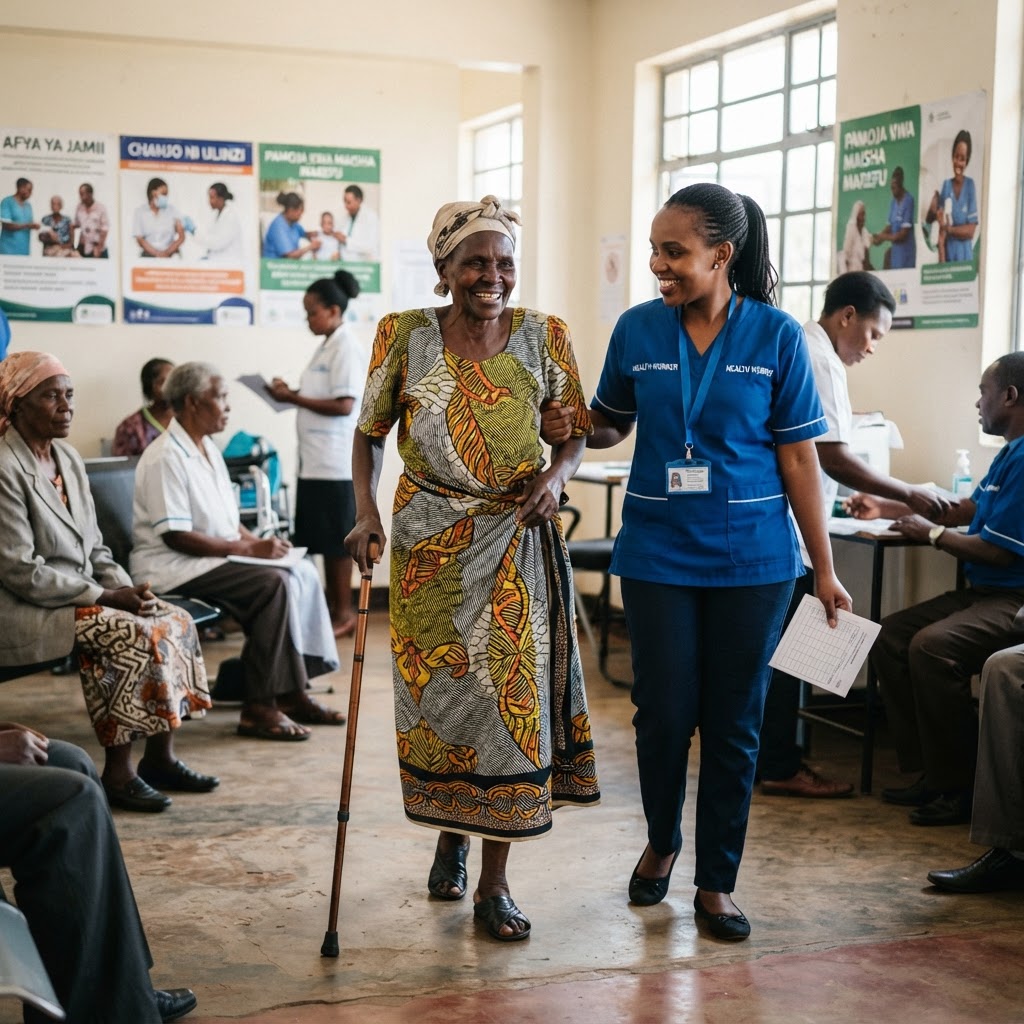
A Turning Point for Global Health: Longevity Rebounds Amid Chronic Burdens and Epidemic Vulnerabilities
Recent data from international health authorities reveal a post-pandemic rebound in life expectancy alongside rising noncommunicable diseases and active containment efforts against localized outbreaks.