Global Health at a Crossroads: Neurotechnology Breakthroughs and Shifting Disease Landscapes Redefine Public Health
International health bodies report rebounding global life expectancy amidst evolving epidemiological threats, while clinical breakthroughs in personalized neuroscience offer dramatic relief for treatment-resistant conditions.
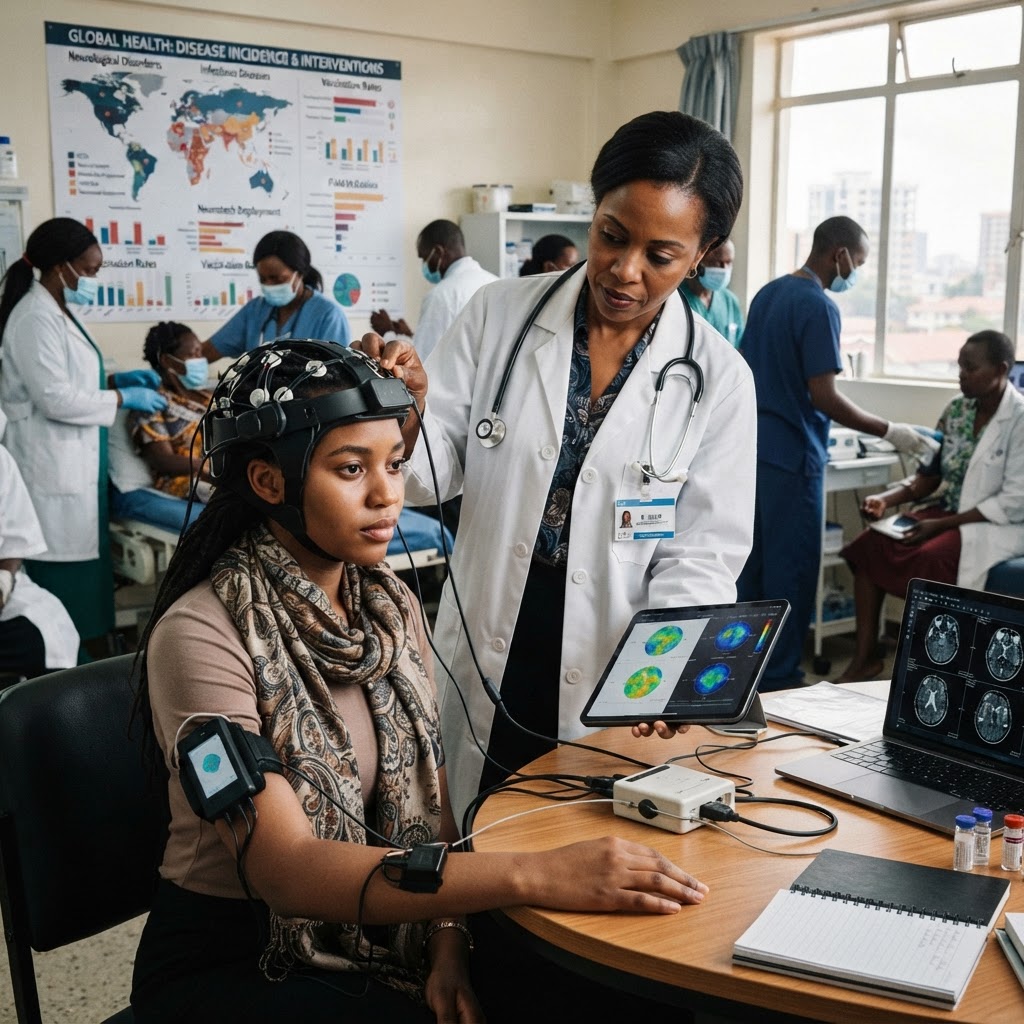
A Rebounding World Facing Evolving Pathologies
The global public health arena is experiencing an intricate inflection point marked by recovery, persistent environmental vulnerabilities, and cutting-edge clinical advancements. According to the latest global estimates released by the World Health Organization (WHO), worldwide average life expectancy has substantially rebounded from the catastrophic disruptions caused by the COVID-19 pandemic. Life expectancy has reached approximately 73.3 years, effectively nearing the 73.4 years recorded in 2019. However, health officials caution that this numerical recovery masks a shifting epidemiological landscape increasingly dominated by noncommunicable diseases.
As populations age, chronic conditions including diabetes, cardiovascular ailments, dementia, and substance use disorders have emerged as the primary global burden of disease. The central challenge identified by international monitors is no longer solely extending human lifespans, but expanding the duration of life lived in optimal health, free from chronic impairment. Furthermore, the persistent overlap between noncommunicable afflictions and environmental risk factors—such as pervasive heavy metal exposure, which claims millions of lives annually—highlights that longevity alone is an incomplete metric of global well-being.
Frontier Neurotechnology Delivers Major Gains in Trauma Care
Alongside structural health trends, significant therapeutic breakthroughs are emerging in neuropsychiatry. In a notable clinical trial reported by researchers collaborating with California-based Wave Neuroscience and the Texas A&M Health Institute of Biosciences and Technology, a noninvasive brain stimulation protocol demonstrated extraordinary efficacy in treating post-traumatic stress disorder (ScienceDaily). The intervention couples personalized computational brain mapping with targeted magnetic pulses to recalibrate dysregulated neural circuitry.
In clinical evaluations, patients receiving the personalized magnetic stimulation experienced an average 52 percent reduction in symptom severity, while 68 percent of participants achieved full clinical remission. These figures present a dramatic improvement over traditional psychiatric pharmacotherapies and standard psychotherapy, which frequently encounter high rates of treatment resistance and discontinuation. With regulatory clearances opening doors for broader institutional adoption, clinicians emphasize that precision neuromodulation could soon transform the standard of care for millions coping with severe psychological trauma.
Resurgent Outbreaks and the Looming Threat of Extreme Climate
Despite clinical and statistical triumphs, legacy pathogens continue to expose cracks in worldwide health infrastructure. Surveillance data released by the WHO revealed an alarming 30 percent surge in cholera deaths despite reduced case reporting in several endemic regions (WHO News). Mortality rates surpassed the acceptable one-percent threshold across a dozen nations, underscoring ongoing deficiencies in clean water delivery, municipal sanitation, and emergency clinical management. Although manufacturing initiatives more than doubled global supplies of oral cholera vaccines, distribution bottlenecks and localized resource deficits continue to compromise rapid response campaigns.
This vulnerability is magnified by accelerating climate instability. Global health entities have recently mobilized frameworks specifically designed to monitor how extreme heatwaves imperil pregnant mothers, neonates, and young children (World Health Organization). Concurrently, conflict zones in Eastern Europe and East Africa continue to face the decimation of essential medical supplies and heightened transmission risks for infectious pathogens, forcing emergency relief missions into complex logistics interventions.
Strengthening Preparedness for the Future
In response to fragmented regional healthcare capacities, high-level political leaders have reaffirmed commitments through the United Nations General Assembly to cement lasting pandemic prevention, preparedness, and response frameworks (UN News). Recognizing that global health resilience cannot rely exclusively on reactionary emergency funding, international coalitions are moving toward integrated, whole-of-government systems designed to coordinate surveillance, intellectual property sharing, and supply security.
As medicine pioneers localized treatments tailored to individual neural circuits and genetic profiles, the broader international community faces an equally urgent mandate: closing the gap between advanced scientific discovery and equitable access on the ground. The future trajectory of human health will be determined as much by the delivery of basic sanitation and primary care as by the remarkable frontiers of clinical innovation.
Recommended for you
Similar to “Global Health”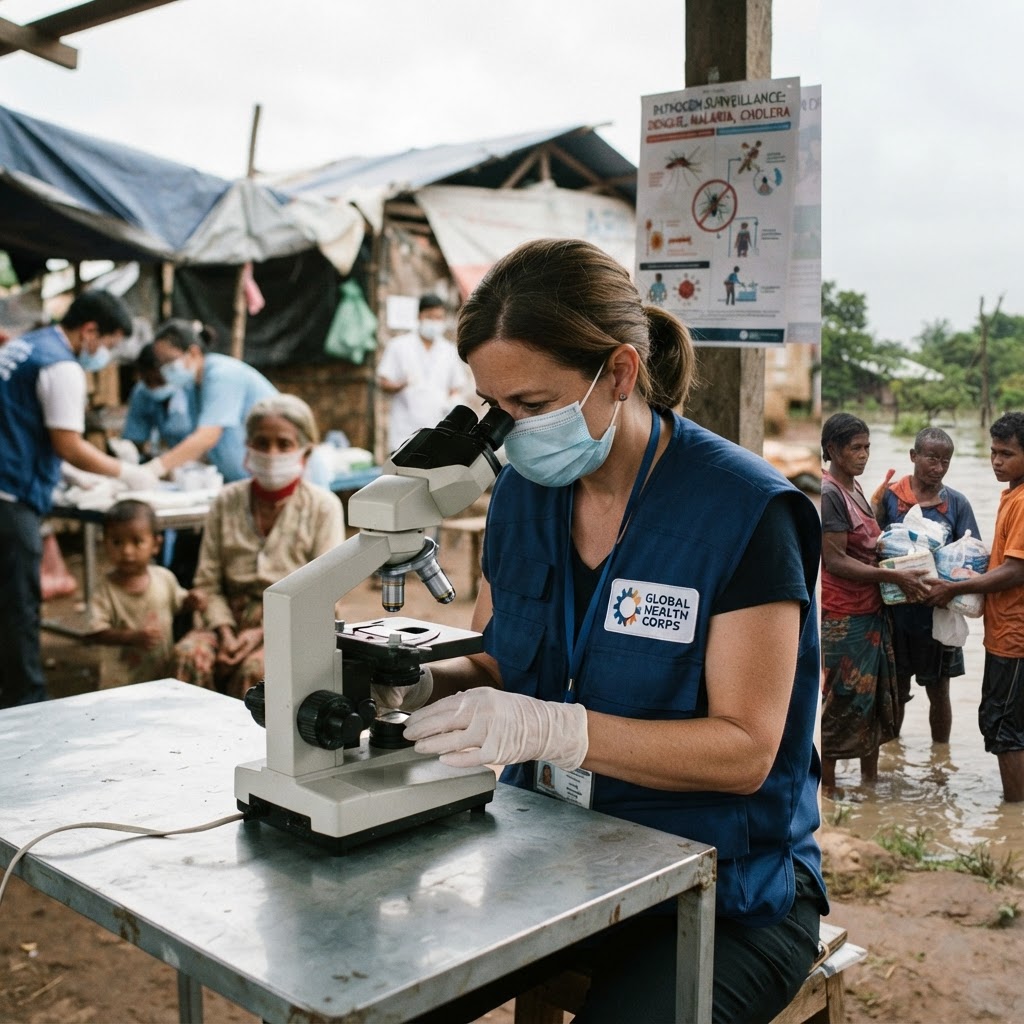
Global Health at a Crossroads: Resurgent Pathogens, Climate Threats, and Shifting Demographic Landscapes
Recent international health reports underscore a complex landscape where rebound gains in global life expectancy face escalating pressures from regional disease outbreaks, climate-driven heat risks, and chronic maternal conditions.
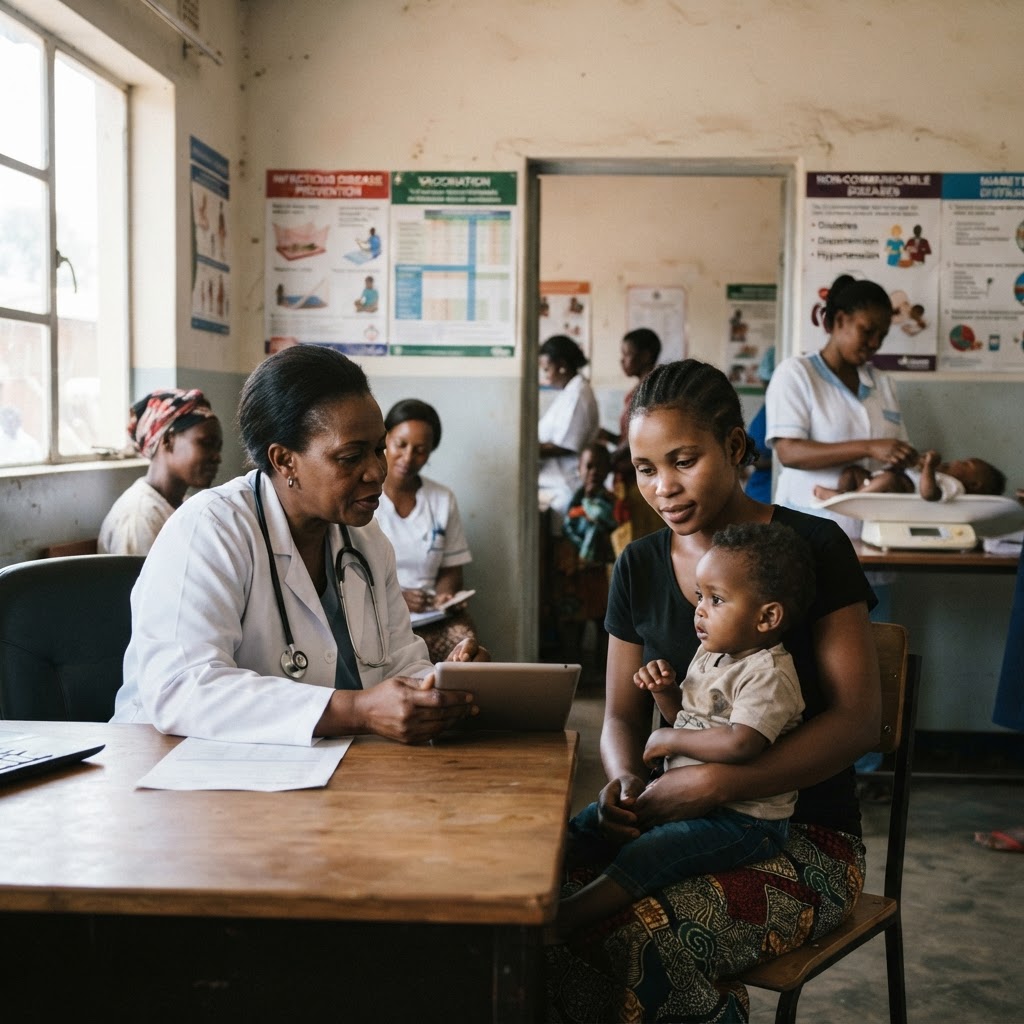
A Rebounding World Faces a Changing Burden: Inside the New Era of Global Health
As global life expectancy rebounds to near pre-pandemic levels, public health systems are pivoting to confront a mounting wave of chronic conditions and an evolving landscape of clinical medicine.
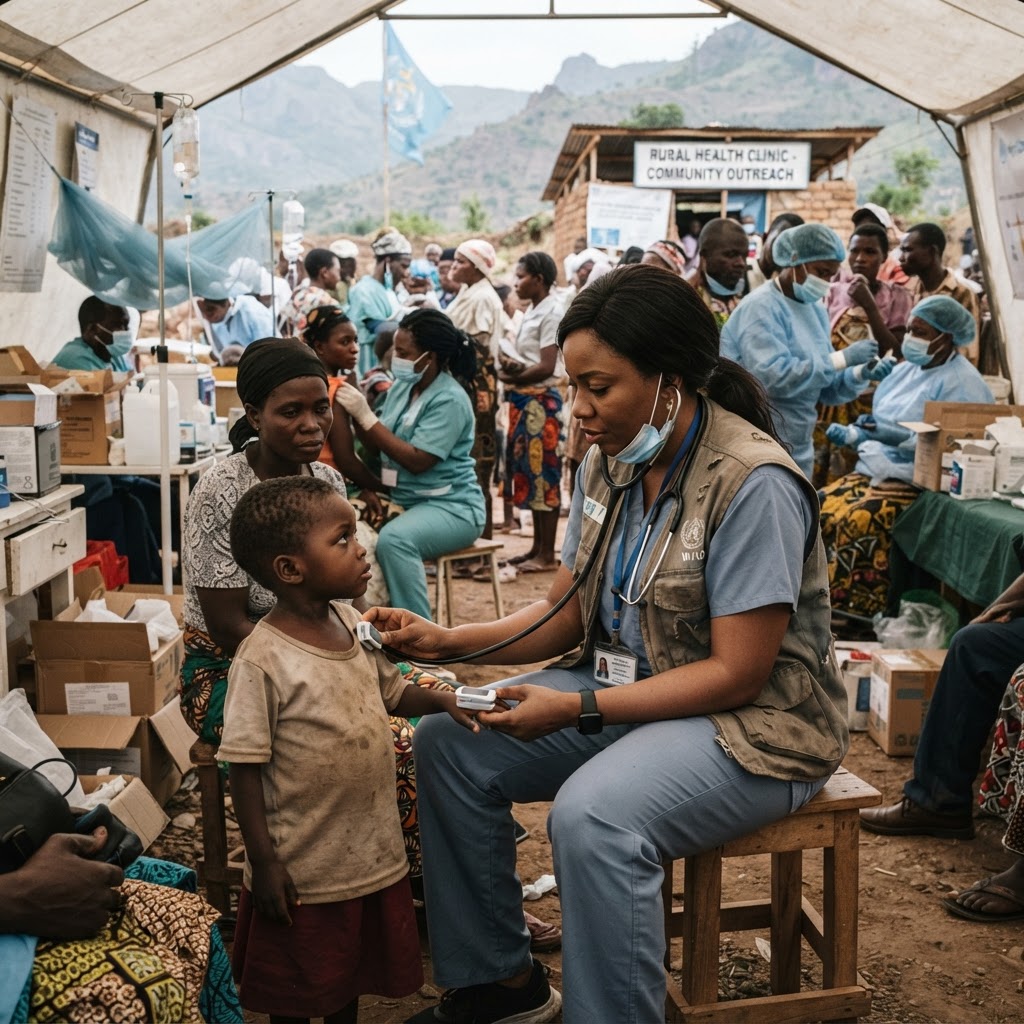
Global Health at a Crossroads: Resurgent Epidemics, Clinical Breakthroughs, and Evolving Policy
Recent public health developments reveal a dual landscape of mounting vector-borne and infectious threats alongside critical regulatory updates and therapeutic milestones.