Global Health at a Crossroads: Resurgent Pathogens, Climate Threats, and Shifting Demographic Landscapes
Recent international health reports underscore a complex landscape where rebound gains in global life expectancy face escalating pressures from regional disease outbreaks, climate-driven heat risks, and chronic maternal conditions.
A Fragile Recovery in Global Longevity
International health authorities have observed major shifts in the global epidemiological landscape over recent weeks. According to data reported by UN News on the latest World Health Organization (WHO) estimates, worldwide life expectancy has rebounded to near pre-pandemic levels, reaching 73.3 years. However, healthy life expectancy—the span of time individuals spend free of major disease or disability—continues to lag behind, settling at approximately 62.8 years. This divergence highlights a persistent structural deficit in health equity and long-term wellness, even as acute mortality shocks from recent years subside.
Emerging and Re-emerging Infectious Disease Alerts
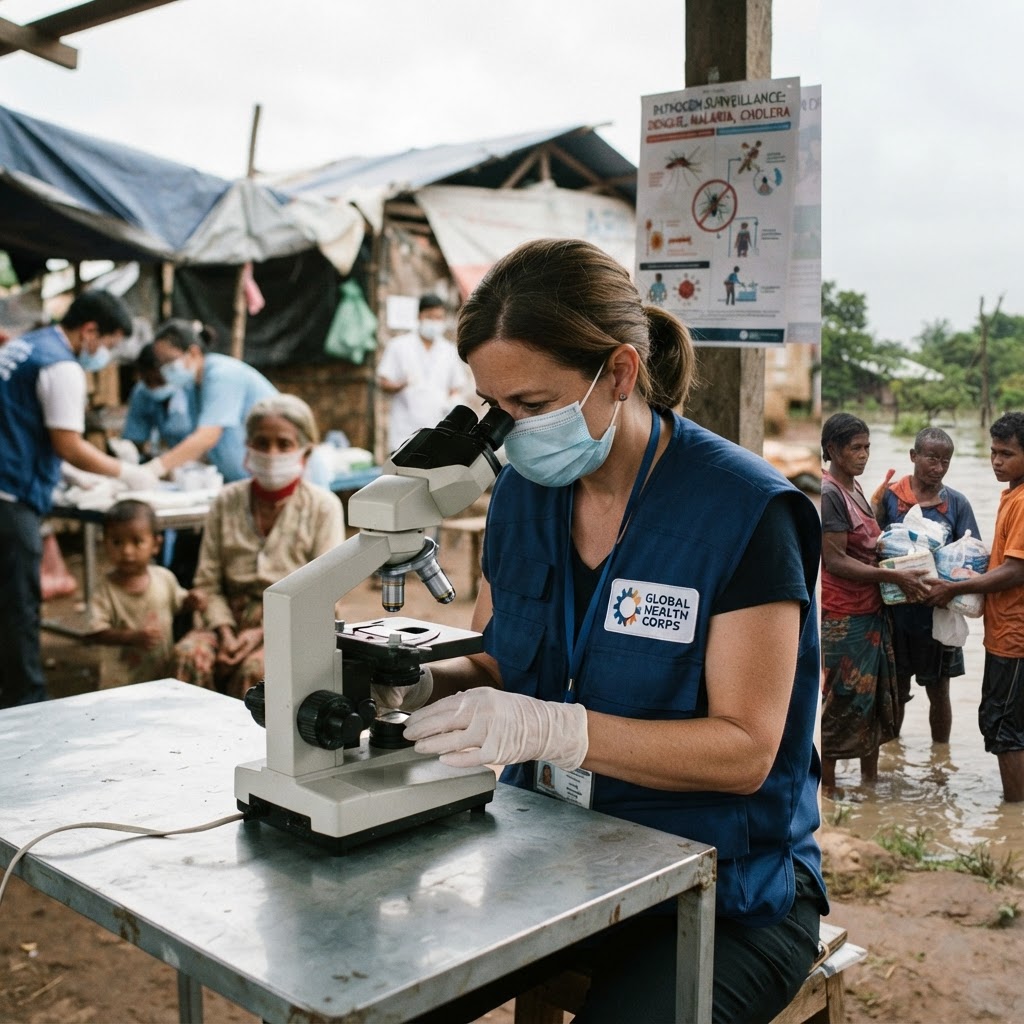
Despite progress in demographic indicators, public health systems face intensified pressure from virulent pathogen transmissions. WHO outbreak reports highlight renewed containment operations against Ebola disease caused by the Bundibugyo virus across parts of Central and East Africa, with cases identified and monitored in the Democratic Republic of the Congo, Kenya, and Nigeria, as documented by the WHO Disease Outbreak News. Health authorities in regions such as Kenya have launched rigorous contact-tracing protocols following confirmed fatalities to avert wider community transmission, notes UN News.
Simultaneously, traditional waterborne and neglected threats continue to strain public infrastructures. Surveillance assessments published by the WHO reveal a 30 percent rise in cholera-related fatalities despite fewer overall reported cases, reflecting sharp case fatality rates in vulnerable communities where sanitation, clean water, and oral vaccination access remain inconsistent. In North America, the Centers for Disease Control and Prevention (CDC) reported significant increases in domestic parasitic infections, recording nearly 21,000 cases of cyclosporiasis during the recent seasonal cycle, spotlighting food supply safety and surveillance challenges.
Climate Pressures and Maternal-Child Health Frameworks
Compounding biological outbreaks are environmental hazards linked to climate disruption. The WHO recently launched a targeted framework designed to measure and mitigate the physiological hazards of extreme heat exposure on pregnant women, newborns, and infants, as announced via WHO Headlines. Rising ambient temperatures pose severe clinical risks, from pre-term births to acute dehydration in neonates, forcing humanitarian and medical bodies to embed climate resilience into standard prenatal and postnatal care pathways.
Alongside climate heat initiatives, maternal care roadmaps have focused on non-communicable challenges such as hypertension in pregnancy, recognized as a leading contributor to maternal and perinatal complications. Complementary guidance targeting early life wellness, including new global benchmarks on childhood and adolescent obesity, reflects a concerted pivot by global policymakers to curb the onset of chronic non-communicable disorders before adulthood takes hold.
Humanitarian Crises and Systemic Financial Obstacles
The ability of communities to withstand these multifaceted health pressures is increasingly shaped by conflict and economic barriers. In conflict-affected zones such as Northern Ethiopia, Ukraine, and Yemen, health personnel struggle against disrupted supply chains, destroyed clinical facilities, and direct security threats, as detailed by UN News. Concurrently, environmental toxins remain an underfunded crisis, with toxic lead exposure contributing to an estimated 3.5 million preventable deaths annually across developing and industrial nations.
Even in high-income economies, socioeconomic friction continues to limit health security. Updated survey findings from KFF emphasize that out-of-pocket medical costs remain a premier domestic financial concern for families, often leading patients to defer necessary care for chronic conditions like hypertension, respiratory illness, and mental health issues. The compounding evidence from global and domestic assessments indicates that safeguarding global health requires not only rapid response to infectious crises, but also systematic reforms addressing climate exposure, food safety, and the economic barriers that dictate everyday access to medicine.
Recommended for you
Similar to “Global Health”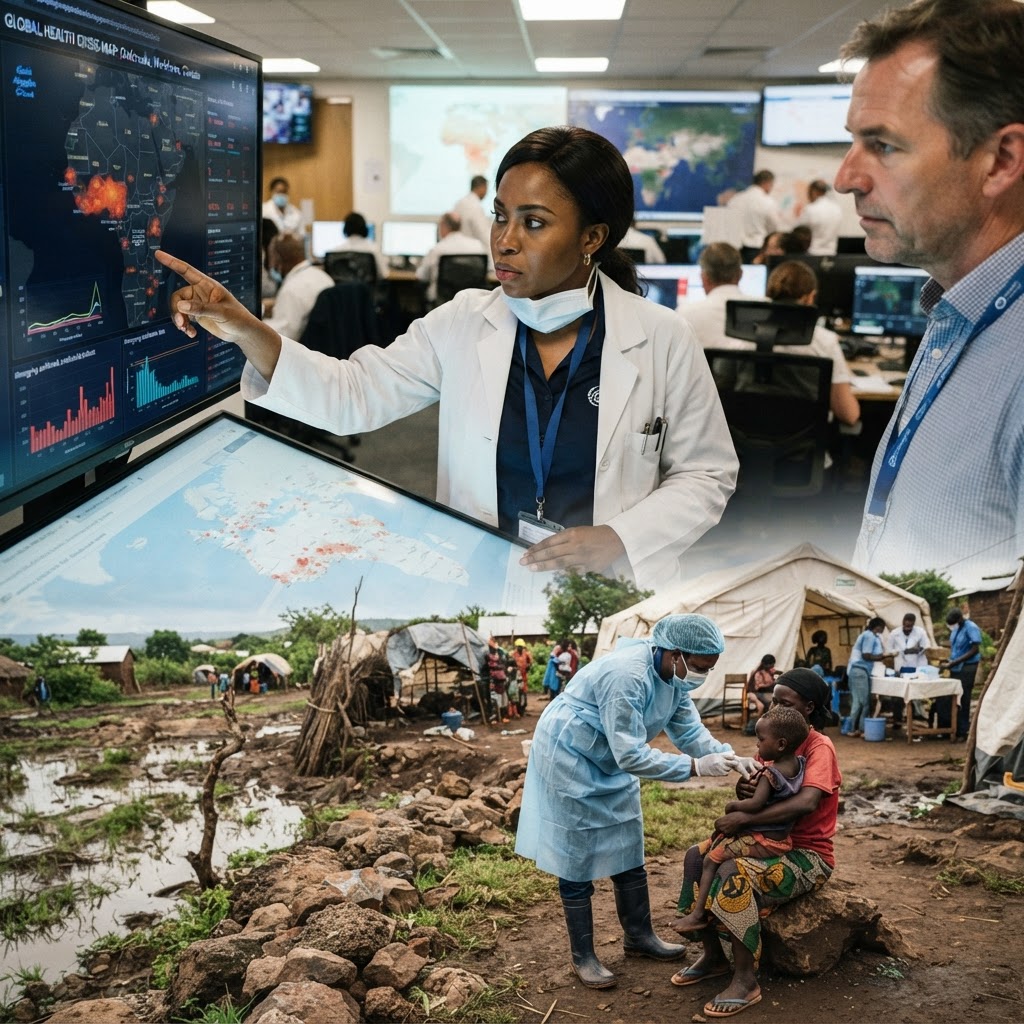
Global Health at a Crossroads: Resurgent Outbreaks, Workforce Deficits, and Emerging Environmental Threats
Recent surveillance updates from international agencies highlight intensified cross-border disease containment efforts, escalating climate risks for maternal health, and a looming deficit among healthcare professionals.
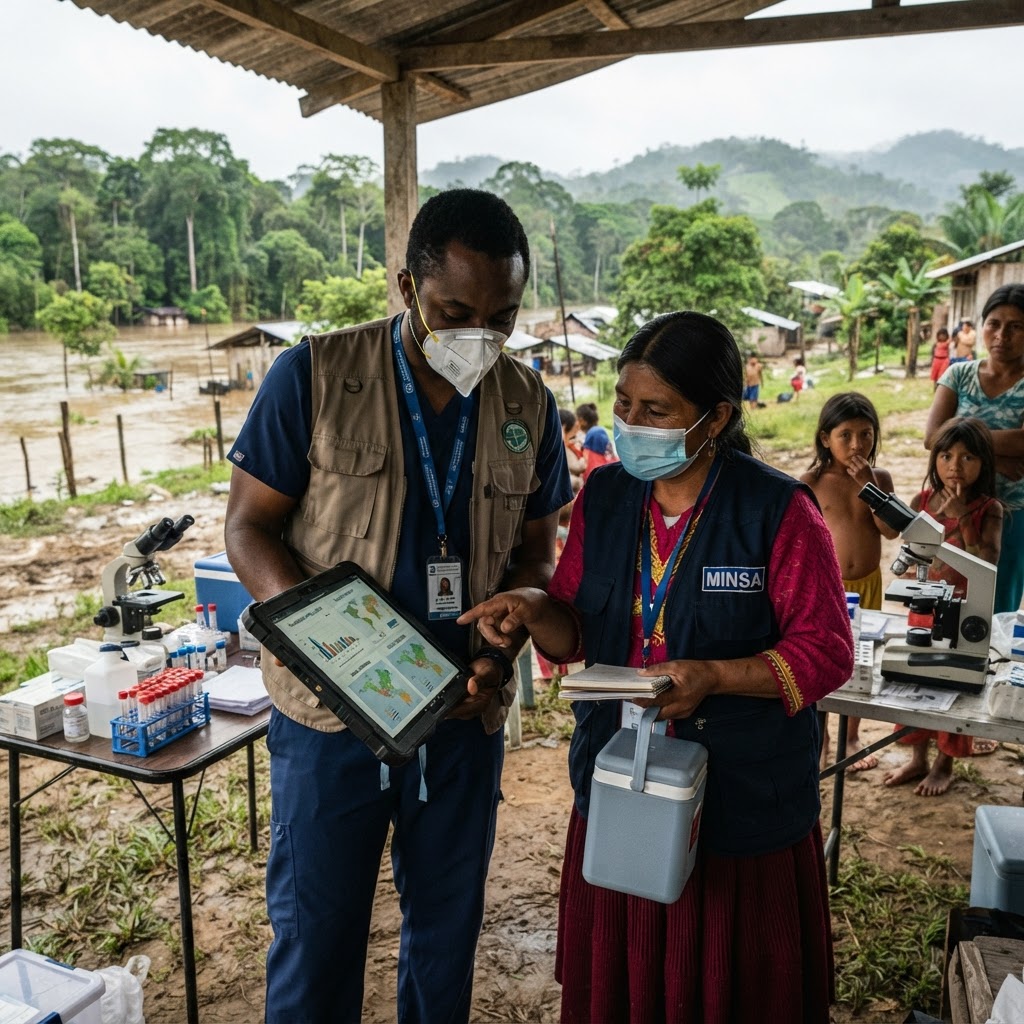
Global Health in Transition: Climate Pressures, Shifting Disease Burdens, and Scientific Frontiers
Recent data from international health bodies and research institutes reveal a complex healthcare landscape marked by surging chronic illnesses, climate-driven vulnerabilities for maternal populations, and rapid technological innovations.
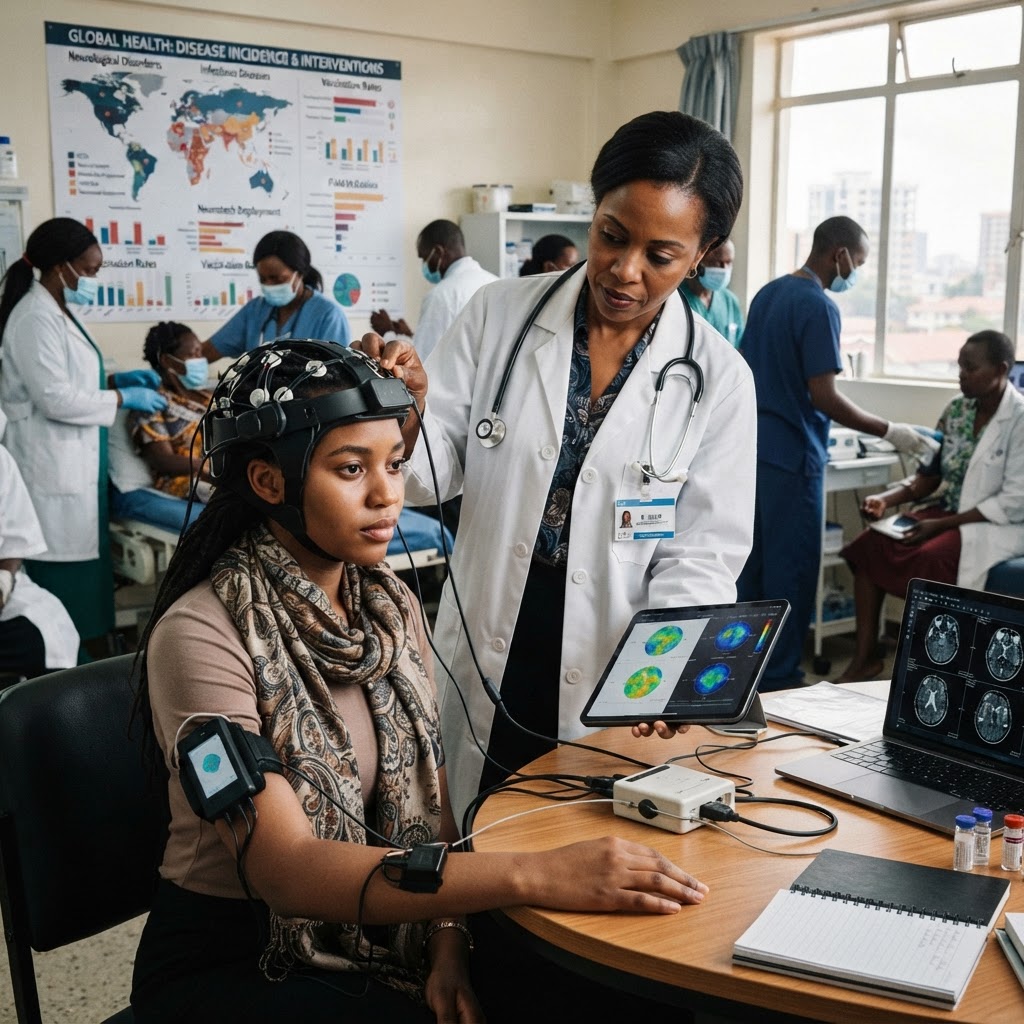
Global Health at a Crossroads: Neurotechnology Breakthroughs and Shifting Disease Landscapes Redefine Public Health
International health bodies report rebounding global life expectancy amidst evolving epidemiological threats, while clinical breakthroughs in personalized neuroscience offer dramatic relief for treatment-resistant conditions.