A Dual Reckoning in Global Health: Escalating Climate Threats Collide with Resurgent Pathogens and Chronic Illness
As climate-induced health crises accelerate to record levels, global health authorities are concurrently grappling with regional infectious outbreaks and an evolving long-term burden of noncommunicable diseases.
The Escalating Intersection of Climate and Human Well-Being
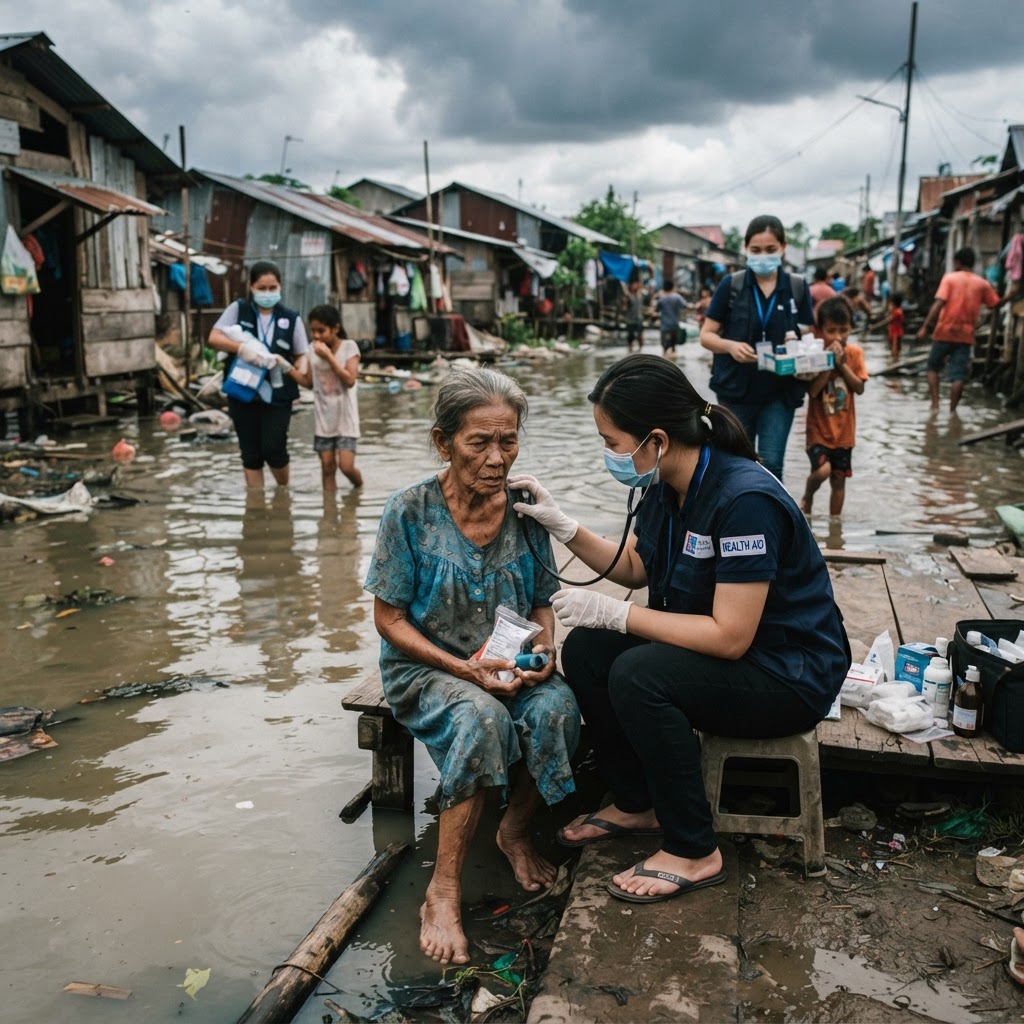
In recent days, the global medical and scientific community has faced an urgent call to action regarding the rapidly multiplying human costs of environmental degradation. According to the latest findings from the Lancet Countdown report, published in strategic collaboration with the World Health Organization (WHO), the health consequences of climate change are outpacing the international response. A decade following the signing of the Paris Agreement, indicators tracking thermal stress, drought, and related perils illustrate a dramatic escalation in mortality and systemic strain on healthcare facilities.
Data compiled across dozens of global indicators revealed that annual average heat-related fatalities have climbed by nearly 36 percent compared to earlier baselines. In a single recent benchmark year, extreme heat was tied to roughly 710,000 casualties worldwide, with more than 70 percent of that toll directly linked to anthropogenic climate shifts. The findings have prompted researchers to urge that planetary warming be formally recognized as a persistent public health emergency. Compounding these warnings, health bodies have expanded surveillance to vulnerable demographics, establishing new frameworks aimed at monitoring the specific dangers that extreme temperature spikes present to pregnant women, infants, and young children.
Nevertheless, the assessment noted significant countervailing progress. Clean energy capital investments reached historic thresholds of over two trillion dollars, helping diminish ambient particulate emissions that prematurely claim thousands of lives annually. Public health infrastructures are also gradually incorporating localized early warning systems and comprehensive adaptation blueprints, signaling that structured interventions can soften environmental health burdens.
Frontline Resurgence: Containing Regional Epidemics and Outbreaks
While environmental hazards loom over long-term projections, immediate infectious threats demand urgent logistical coordination. Public health agencies across Central and Western Africa have ramped up surveillance following the spread of regional disease transmission. Recent reporting highlighted cross-border movements of Ebola virus disease originating from epicenters in Central Africa, prompting heightened biosecurity protocols after new cases were identified in neighboring territories, including Nigeria and Kenya.
In response to these developments, international health authorities have moved quickly to deploy updated operational directives. The World Health Organization issued tailored guidance addressing gender-specific dynamics during Ebola response missions, recognizing that traditional caregiving duties and community funeral customs disproportionately expose women to infection. Concurrently, public health partnerships have accelerated field evaluations and clinical trials for experimental vaccines to curb further transmission chains across volatile border zones.
The management of infectious threats also encompasses modern therapeutic breakthroughs aimed at long-standing global scourges. In recent publications, international authorities released target regimen profiles designed to advance long-acting injectable therapies for tuberculosis. By shifting the burden of daily adherence away from individual patients to periodic clinical administration, healthcare professionals aim to drastically reduce treatment failure and prevent the emergence of drug-resistant microbial strains.
The Shifting Epidemiological Paradigm
Beyond acute emergencies, broader public health demographics demonstrate a structural transformation in human mortality patterns. The latest comprehensive health assessments indicate that while worldwide life expectancy has rebounded toward 73.3 years following the acute disruptions of the COVID-19 pandemic, the gap between total lifespan and healthy life expectancy remains noticeable. Chronic noncommunicable diseases (NCDs) now account for nearly three out of every four deaths globally.
Historically confined primarily to high-income nations, chronic conditions—including cardiovascular disorders, metabolic diseases, and neurodegenerative decline—now represent the majority of mortalities in developing economies as well. Recent data indicates that communicable illnesses now constitute less than half of all deaths in low-income jurisdictions, marking a major milestone in global epidemiological transition. Ischaemic heart disease alone continues to represent the single largest driver of life-years lost worldwide.
To confront these chronic burdens, national regulatory authorities and health departments have refreshed long-term strategic plans. In the United States, updated administrative plans have restructured the federal approach to Alzheimer’s disease and related dementias, focusing on preventative risk reduction, early diagnostic biomarkers, and expanded support frameworks for domestic caregivers. Similar initiatives are underway globally to modernize mental healthcare by shifting focus from isolated institutional settings toward decentralized community-based care models.
Convergence of Security, Law Enforcement, and Health Systems
The complexity of contemporary health challenges has prompted unconventional cross-sector alliances. Recognizing the convergence of public safety, transnational crime, and healthcare delivery, an institutional pact was finalized between international policing organization INTERPOL and the World Health Organization. The collaborative framework formalizes joint protocols for mitigating threats stemming from illicitly produced or substandard pharmaceutical supplies, falsified medical devices, and illicit bio-materials.
By harmonizing intelligence sharing between criminal investigators and disease surveillance teams, authorities seek to eliminate dangerous gray-market drugs and protect international mass gatherings from accidental or deliberate biological hazards. As modern medicine navigates an era defined simultaneously by warming biospheres, shifting population demographics, and volatile outbreaks, global health strategy is becoming less about isolated treatment protocols and more about coordinated, multifaceted defense networks.
Recommended for you
Similar to “Global Health”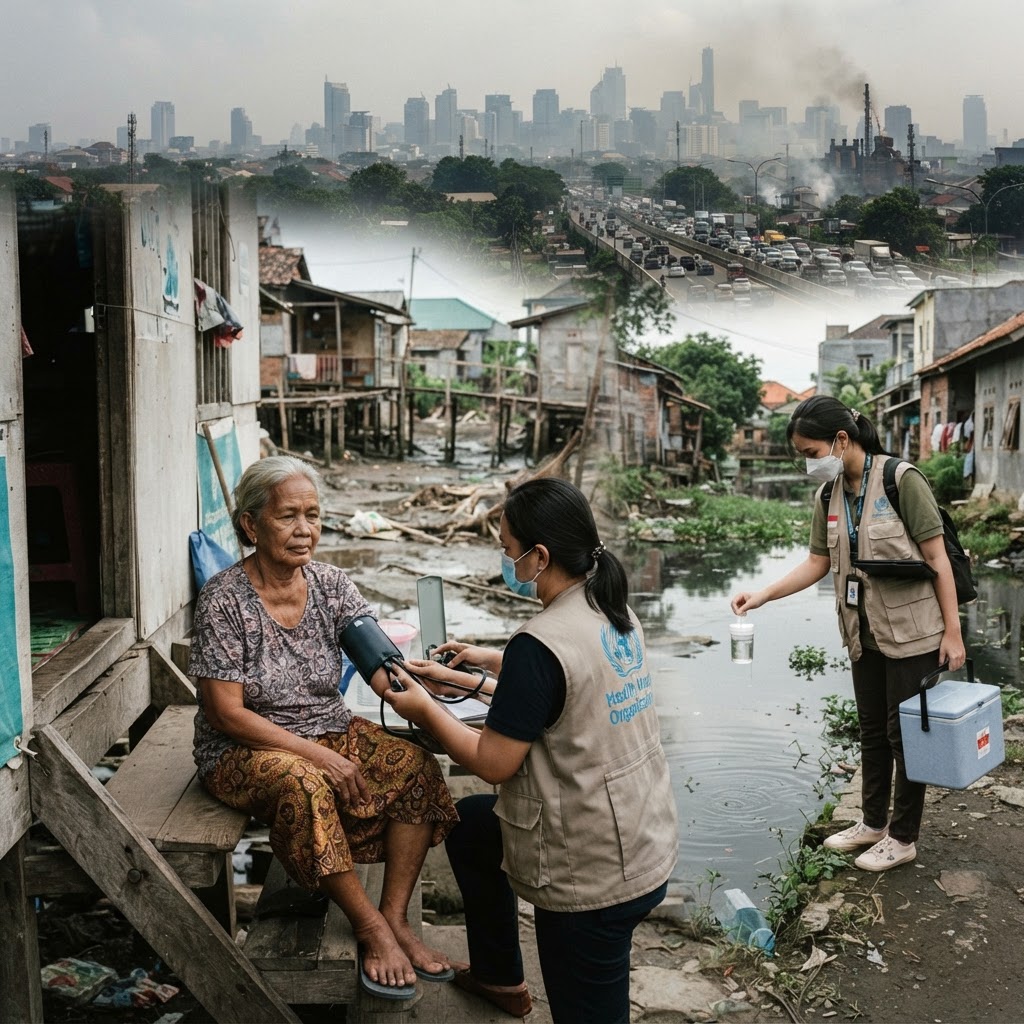
A World in Epidemiological Transition: Climate Shocks, Rising Chronic Illness, and Emerging Pathogens Reshape Global Health
As chronic conditions outpace infectious diseases worldwide and extreme climate impacts intensify, international health authorities are grappling with an urgent convergence of noncommunicable illness, pathogen outbreaks, and systemic healthcare strain.
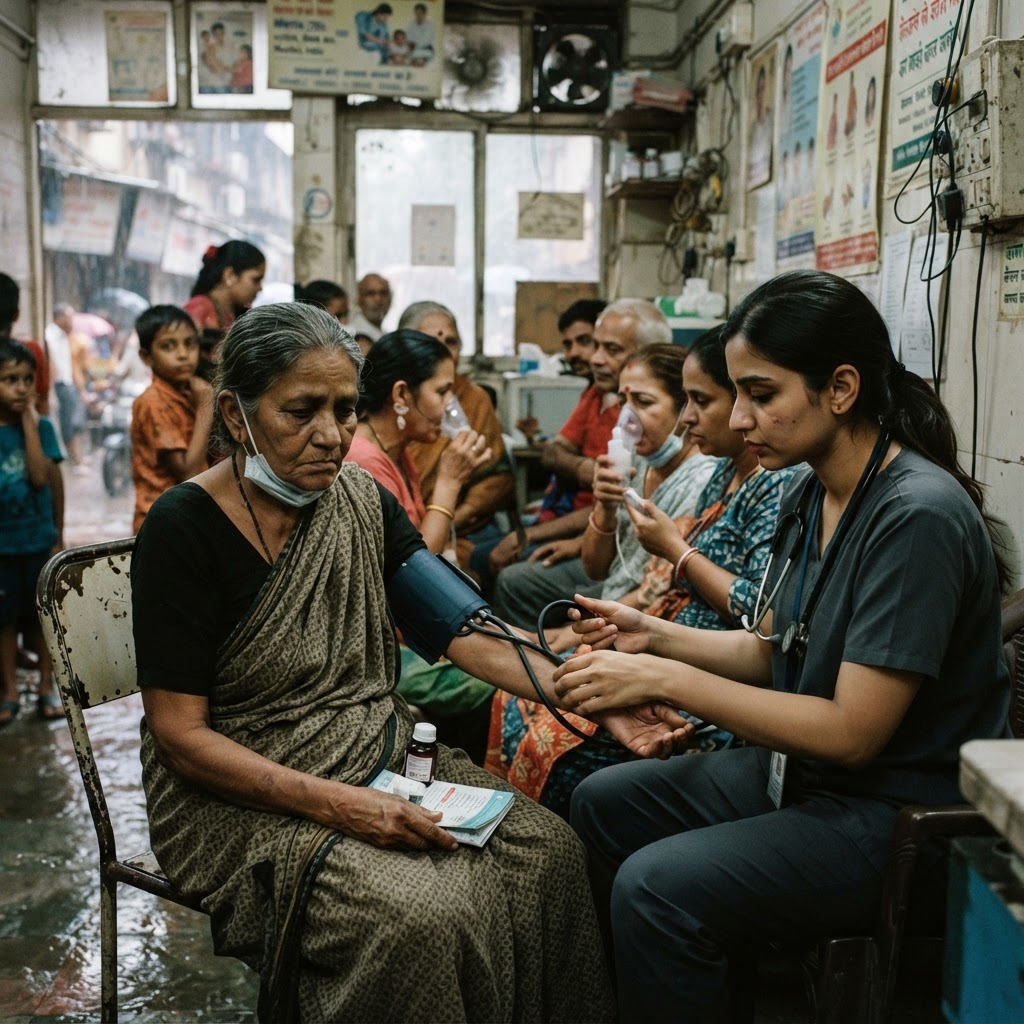
A Fractured Recovery: Emerging Global Health Trends Highlight Climate, Chronic Illness, and Inequity
As global life expectancy rebounds to near pre-pandemic levels, public health authorities confront an intensifying double burden: surging noncommunicable diseases and compounding climate-driven crises.
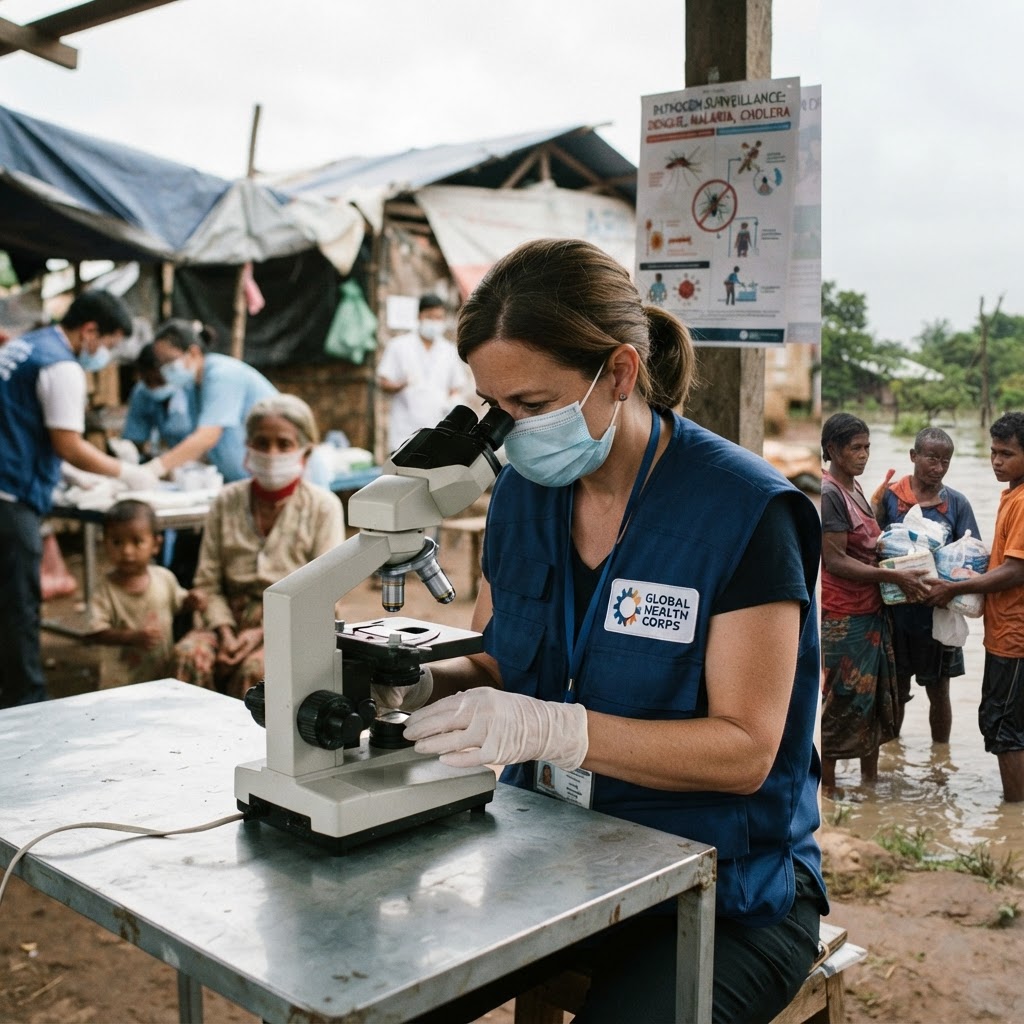
Global Health at a Crossroads: Resurgent Pathogens, Climate Threats, and Shifting Demographic Landscapes
Recent international health reports underscore a complex landscape where rebound gains in global life expectancy face escalating pressures from regional disease outbreaks, climate-driven heat risks, and chronic maternal conditions.