A World in Epidemiological Transition: Climate Shocks, Rising Chronic Illness, and Emerging Pathogens Reshape Global Health
As chronic conditions outpace infectious diseases worldwide and extreme climate impacts intensify, international health authorities are grappling with an urgent convergence of noncommunicable illness, pathogen outbreaks, and systemic healthcare strain.
The Shifting Burden of Global Disease
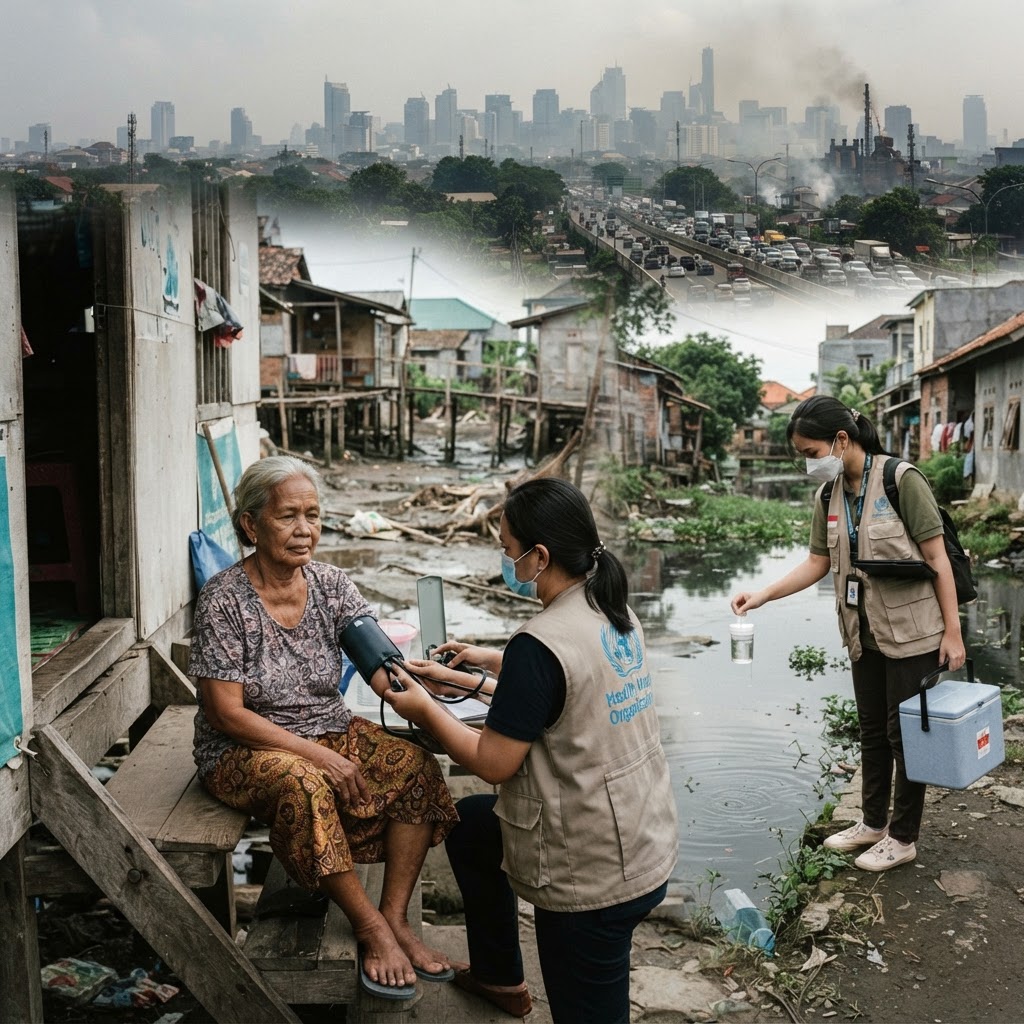
International health authorities are confronting a profound structural transformation in the patterns of human illness and mortality. According to the latest comprehensive assessments from the World Health Organization (WHO), global life expectancy has steadily recovered toward pre-pandemic marks, reaching 73.3 years. Yet this rebound masks a deep epidemiological shift: noncommunicable diseases (NCDs) now account for nearly three-quarters of all fatalities worldwide, transforming the demands placed on healthcare infrastructures in both developed and developing regions.
For the first time on record, chronic and noncommunicable conditions have eclipsed communicable illnesses as the leading causes of death even across low-income nations. Conditions such as ischaemic heart disease, diabetes, stroke, and neurodegenerative disorders now represent eight of the top ten causes of death globally. While reduced mortality from early childhood infections and acute illnesses reflects decades of public health investments, healthy life expectancy continues to lag, creating a prolonged window of late-life disability that existing medical systems were not designed to manage.
Climate Change as an Unfolding Health Emergency
Compounding this long-term transition is the accelerating biological toll of environmental volatility. Medical researchers and epidemiologists leading the latest edition of the Lancet Countdown on Health and Climate Change have issued urgent calls for climate instability to be formally designated a global public health emergency. Their findings reveal that climate-driven health hazards—ranging from acute thermal stress to disruptions in food systems and vector-borne transmission—are expanding at a pace that outstrips protective infrastructure and legislative action.
Extreme heat waves and widespread droughts have disproportionately threatened vulnerable populations, notably pregnant women, neonates, and agricultural laborers whose livelihoods depend on outdoor work. In response, global bodies have introduced specialized monitoring frameworks to track maternal and neonatal health risks exacerbated by high temperatures, alongside initiatives to mitigate hypertensive disorders in pregnancy. The intersection of environmental stress and physiological vulnerability demonstrates that ecological degradation is no longer simply an environmental crisis, but a primary determinant of clinical outcomes.
The Persistent Shadow of Infectious Outbreaks
Despite the global statistical tilt toward chronic disease, acute infectious pathogens continue to present severe localized and regional dangers. In Central and West Africa, health ministries and global partners have stepped up emergency surveillance and clinical trials following the regional spread of Ebola virus infections, underscoring the constant threat of zoonotic spillover and cross-border transmission. In response, international agencies have prioritized gender-responsive containment protocols and accelerated the development of long-acting therapeutics and vaccines.
At the same time, health systems across wealthier nations are contending with shifting public behavior regarding immunization. Public health agencies in North America and Europe report noticeable fatigue surrounding seasonal influenza and COVID-19 booster uptakes, alongside isolated flare-ups of vaccine-preventable pediatric illnesses such as measles. These dynamics illustrate that public trust and preventive participation remain fragile pillars of community immunity, requiring renewed communication strategies that bridge deep social divides.
Technological Innovation and Healthcare Economics
Against these challenges, modern medicine is experiencing notable scientific momentum. Regulatory agencies and research universities are accelerating initiatives in early-stage genomic screening, precision oncology, and long-acting injectable regimens designed to ease the burden of chronic medication adherence for persistent infections like tuberculosis. Novel therapeutic avenues, from targeted gene modulators to advanced cancer detection assays, continue to expand clinical horizons.
However, the rapid arrival of advanced interventions coincides with mounting financial friction. Corporate employers and public insurers are projecting double-digit percentage surges in operational medical costs, driven by expensive specialty therapies, ongoing demographic aging, and widespread clinical workforce shortages. In several developing nations, the sustained emigration of nurses and doctors has prompted legislative interventions to establish domestic training pipelines and stem systemic brain drain.
Simultaneously, the regulatory framework governing digital medicine and clinical artificial intelligence faces intense scrutiny. Debates over transparency standards, validation benchmarks, and algorithmic evaluation tools highlight the complex balance between rapid technological deployment and patient safety. As hospitals increasingly incorporate automated clinical support systems, ensuring that these tools are rigorously calibrated against diverse patient populations remains a key priority.
Toward Resilient and Integrated Health Architecture
The convergence of noncommunicable disease burdens, climate-amplified biological threats, and economic pressures necessitates a fundamental redesign of global health systems. Moving away from reactive emergency measures, health experts are urging governments to invest heavily in integrated, community-centered primary care capable of preventing chronic illnesses before they become acute.
Ultimately, safeguarding human health in the coming decades will hinge on cross-sector coordination. Bridging the gap between environmental governance, laboratory innovation, and resilient grassroots delivery systems offers the only viable path to ensure that rising life expectancy translates into lasting, equitable wellness for all populations.
Recommended for you
Similar to “Global Health”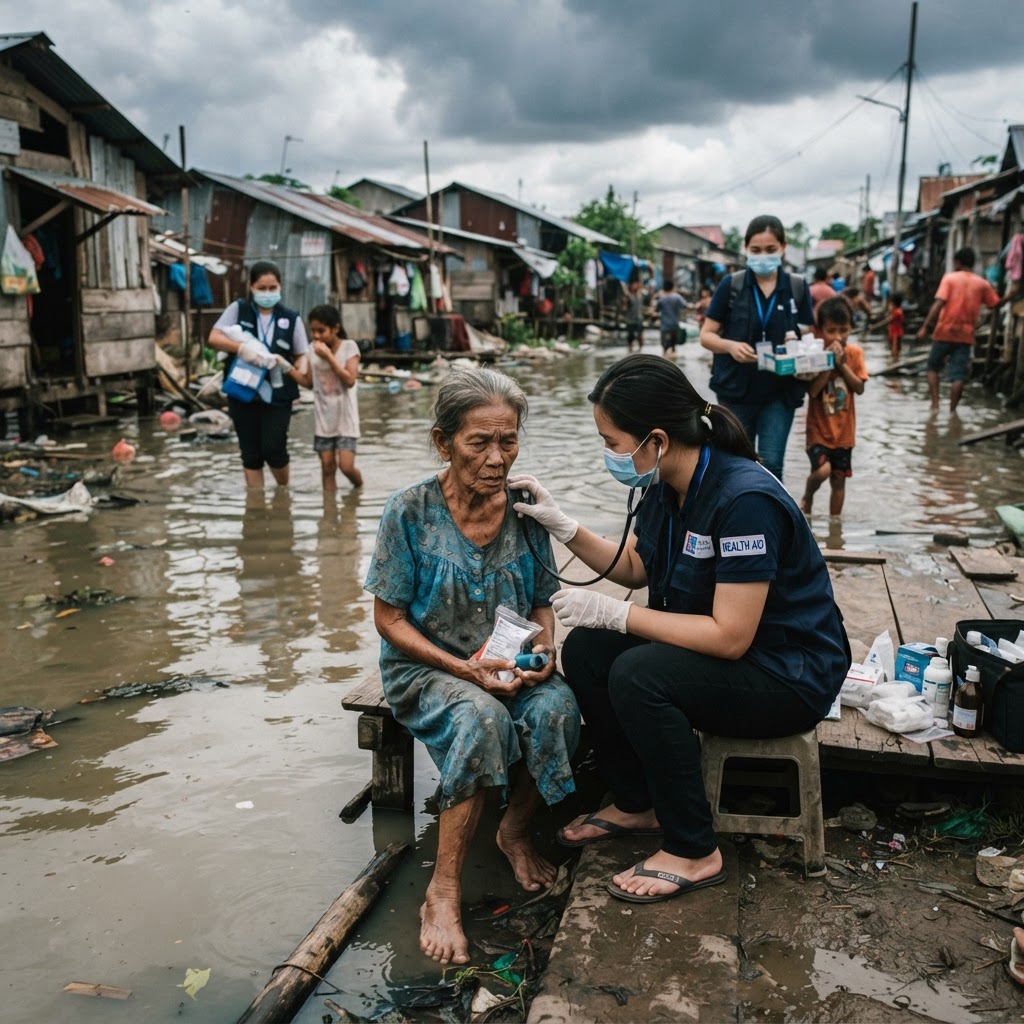
A Dual Reckoning in Global Health: Escalating Climate Threats Collide with Resurgent Pathogens and Chronic Illness
As climate-induced health crises accelerate to record levels, global health authorities are concurrently grappling with regional infectious outbreaks and an evolving long-term burden of noncommunicable diseases.
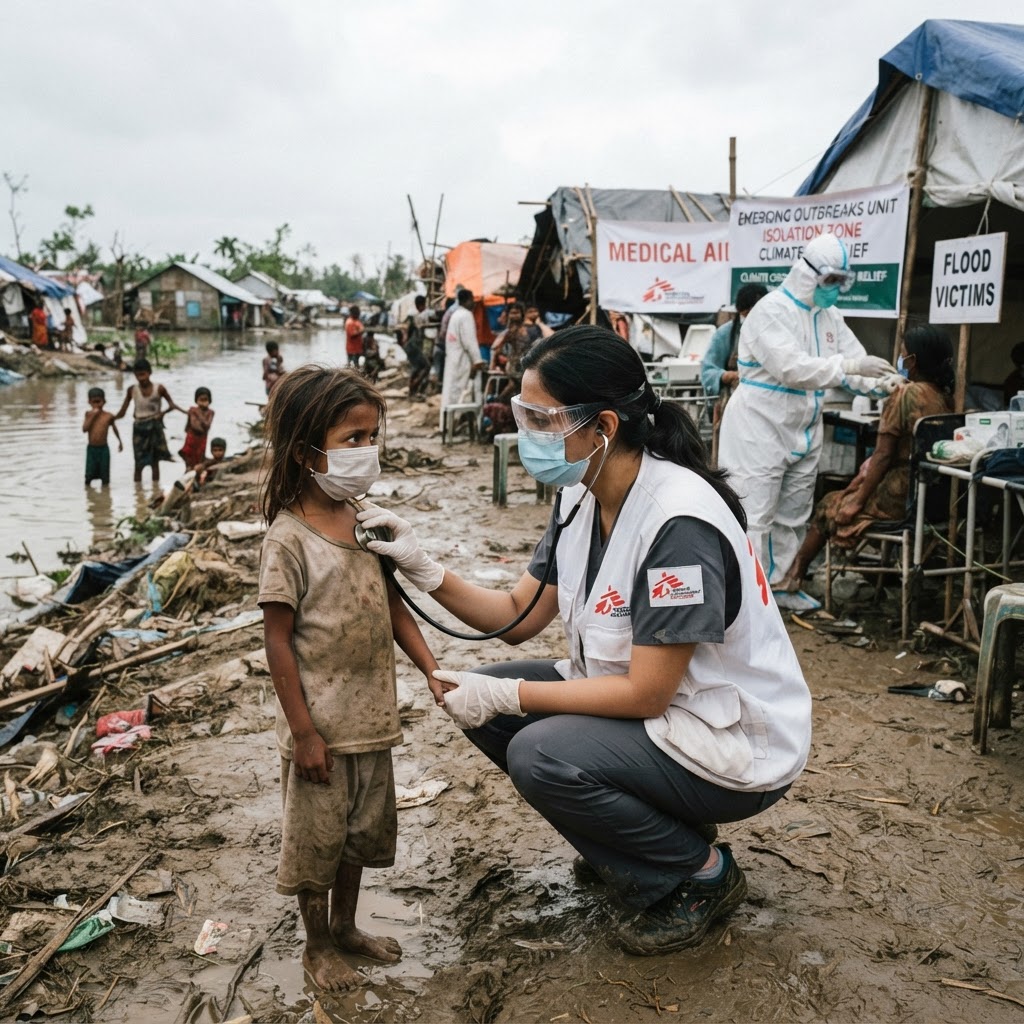
A Dual Front in Global Health: Balancing Escalating Climate Crises and Emerging Infectious Outbreaks
Recent high-level scientific findings and international health directives highlight an urgent dual challenge: mounting climate impacts pushing health systems to their limits, alongside new trial innovations to curb spreading viral threats.
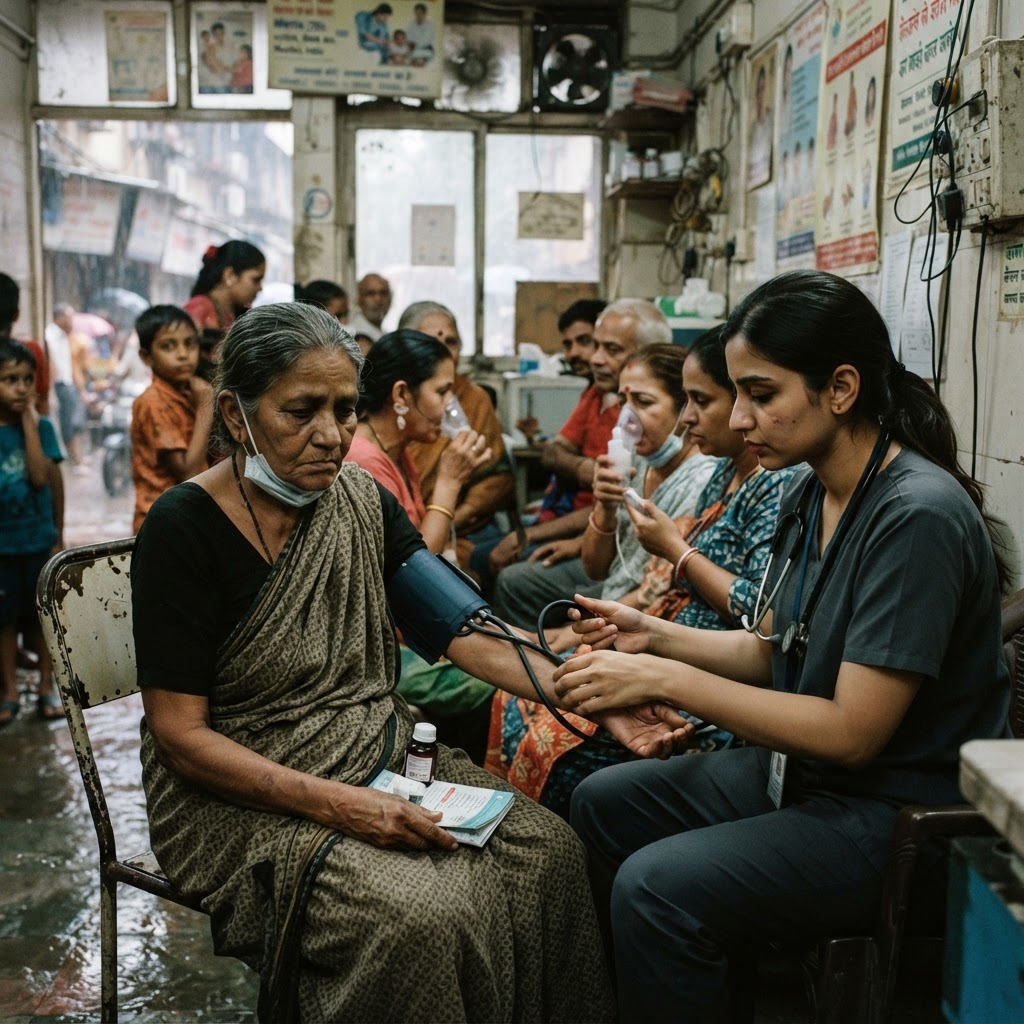
A Fractured Recovery: Emerging Global Health Trends Highlight Climate, Chronic Illness, and Inequity
As global life expectancy rebounds to near pre-pandemic levels, public health authorities confront an intensifying double burden: surging noncommunicable diseases and compounding climate-driven crises.