A Fractured Global Order: Power Shifts, Cyber Threats, and Fragile Truces Reshape World Affairs
From unprecedented cyber warfare and shifting parliamentary power in the Middle East to Arctic shipping alliances and localized humanitarian pauses in Ukraine, recent developments underscore a rapidly fragmenting geopolitical landscape.
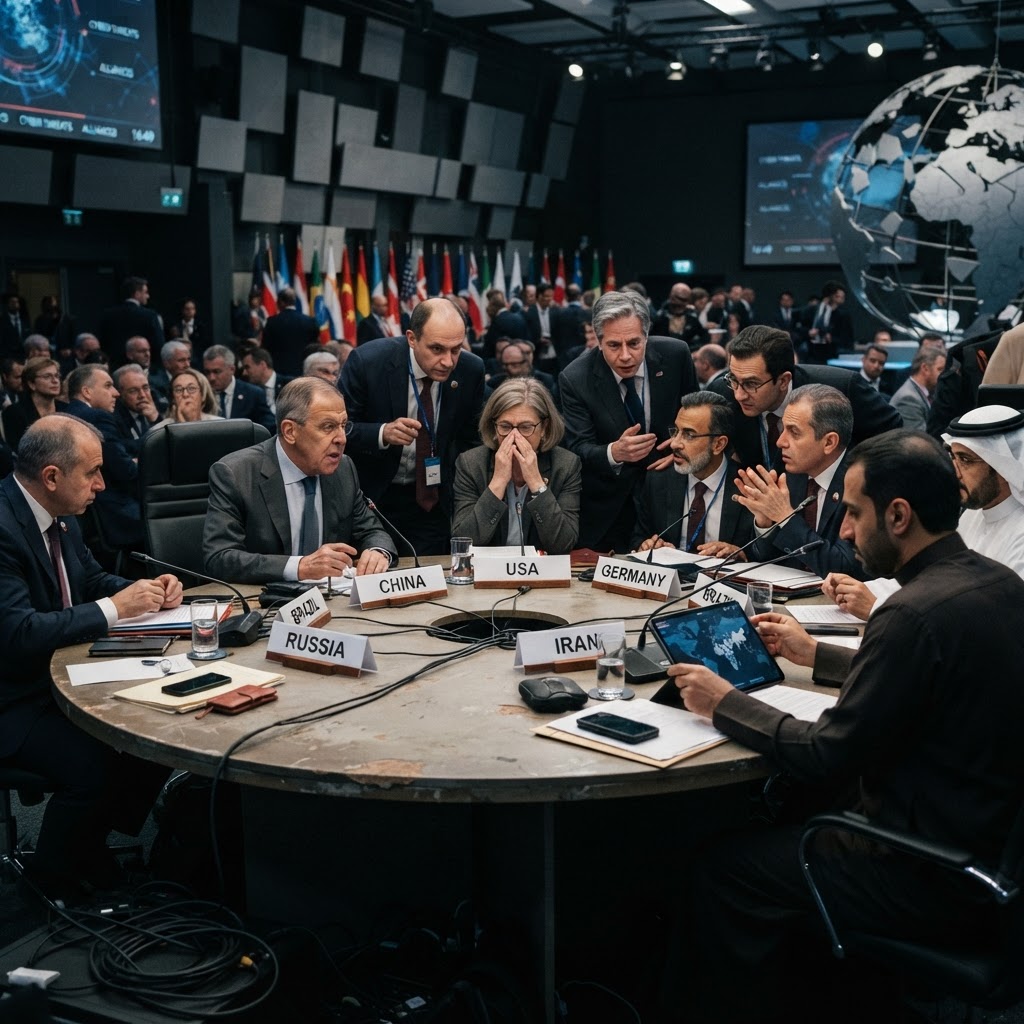
The Convergence of Geopolitical Realignment
In recent days, the architecture of international affairs has experienced dramatic turbulence across multiple domains. Long-standing regional dynamics are being rewritten by surprising electoral swings, while state-sponsored cyber operations reach historic financial scales. At the same time, great powers are actively maneuvering to establish dominant control over critical trade corridors and border security, signaling that the international order is entering an increasingly volatile and multipolar phase.
State-Sponsored Cyber Warfare: The $6.3 Billion Breach
In one of the most consequential digital security developments in history, federal law enforcement authorities in the United States have publicly attributed a record-breaking $6.3 billion cryptocurrency heist targeting Binance to state-backed hacking apparatuses operating from North Korea, according to reporting from The World Now and Yahoo News. Western intelligence agencies and technological analysts reported by BBC News have long warned of Pyongyang deploying elite cyber cadres to generate foreign revenue under stringent international sanctions. Although the digital exchange confirmed it has moved to replenish the vast majority of customer holdings, the sheer scale of the intrusion emphasizes the increasing weaponization of decentralized finance by state actors seeking liquidity outside conventional international banking surveillance.
Parliamentary Upheaval and Accusations in Israel
Beyond the digital battlefield, diplomatic attention has swung sharply toward the Middle East following high-stakes legislative elections in Israel. Prime Minister Benjamin Netanyahu and the governing Likud faction saw their parliamentary majority disintegrate amid an unprecedented voter turnout by Arab-majority parties, as reported by CBS News. The decisive mobilization granted Arab factions an unprecedented 19 seats in the 120-seat Knesset, depriving the conservative coalition of power. Netanyahu responded by leveling severe allegations, claiming that external funding and irregular practices influenced the vote. The political fallout threatens extended institutional gridlock and complicates coalition negotiations at a time when the region remains engulfed in profound security challenges.
Strategic Dominance: The Polar Trade and Defense Modernization
Meanwhile, the Eurasian axis between Moscow and Beijing continues to deepen across critical supply routes. Bilateral agreements between Russia and China have advanced plans to expand maritime freight transit through the Northern Sea Route, as highlighted by CNBC. The partnership focuses on icebreaker development and joint logistics infrastructure across the Arctic corridor, creating an alternative trans-polar transit lane outside the influence of Western sanctions. Analysts note that Europe's relative shortage of polar-capable vessels leaves Western nations with diminishing strategic leverage in countering this maritime alliance.
Simultaneously, rising tensions across Asia are fueling historic defense procurement initiatives. In response to protracted frontier pressures, India has sanctioned a major $22 billion defense modernization initiative reported by CNBC. The package is directed at upgrading domestic armaments and drawing partnerships across the United States, Israel, and allied regional partners, underscoring how persistent friction along contested border zones is driving massive security investments throughout South and East Asia.
Localized Humanitarian Relief Amid Enduring Conflict
In Eastern Europe, the grinding war in Ukraine witnessed an uncommon diplomatic pause on the ground. A targeted, localized ceasefire in the southern Kherson region facilitated the evacuation of trapped civilians from Russian-occupied Oleshky, as reported by BBC News and detailed by Fox News. The sensitive negotiations permitted emergency corridors to reach vulnerable residents cut off by fighting. While this development offered vital relief to non-combatants, it remains an isolated humanitarian arrangement rather than a broader pathway toward lasting peace, as military deployments, international weapons shipments, and broader strategic impasses persist across the Ukrainian theater.
Navigating an Era of Systemic Uncertainty
The events of recent days illustrate a profound shift in global governance. Whether observed through high-dollar cyber espionage, disputed democratic processes, polar transit realignments, or regional military buildups, traditional diplomatic safeguards are encountering intense friction. As sovereign nations assert strategic autonomy and redefine their alliances, the world order remains poised between fragile coordination and intensifying competition.
Recommended for you
Similar to “World Affairs”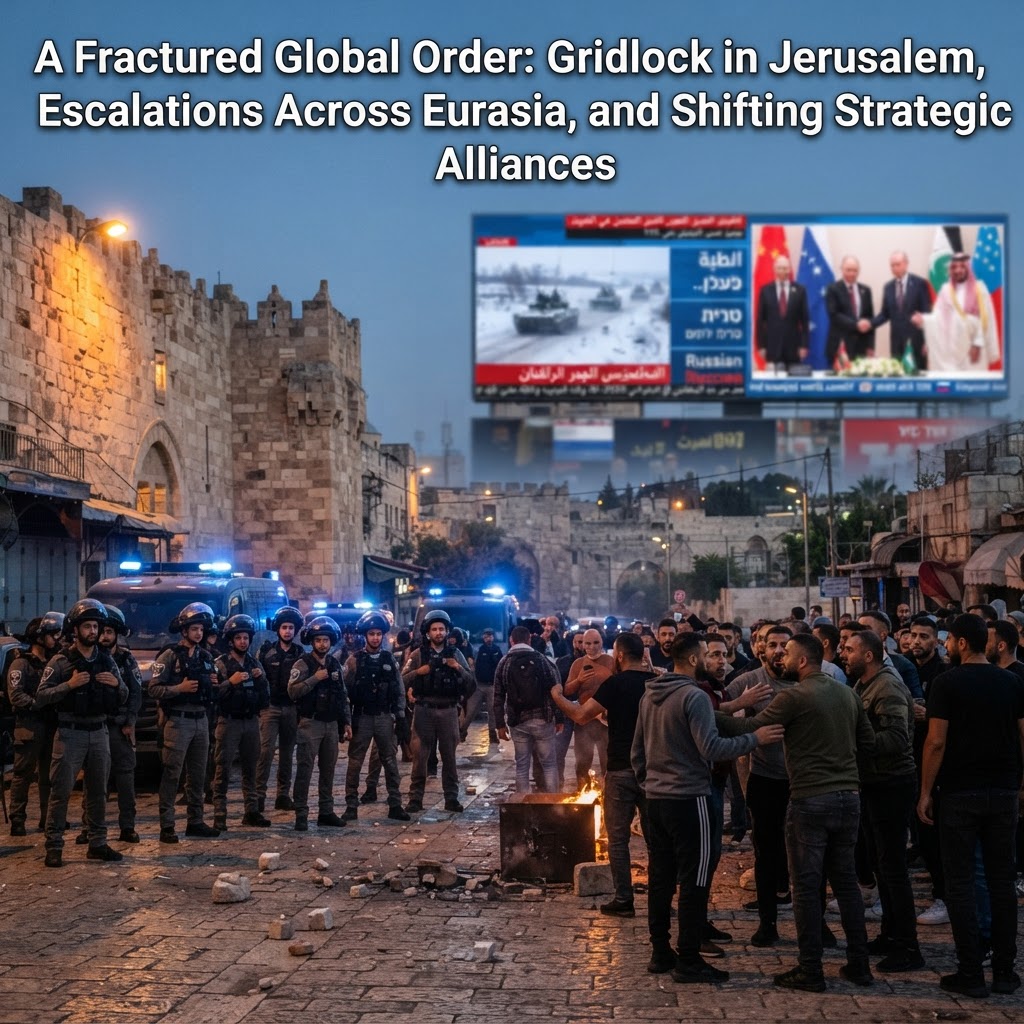
A Fractured Global Order: Gridlock in Jerusalem, Escalations Across Eurasia, and Shifting Strategic Alliances
Recent diplomatic maneuvers and electoral stalemates across the Middle East, Eastern Europe, and Latin America underscore a deeply fragmented geopolitical landscape marked by parliamentary paralysis and regional realignments.
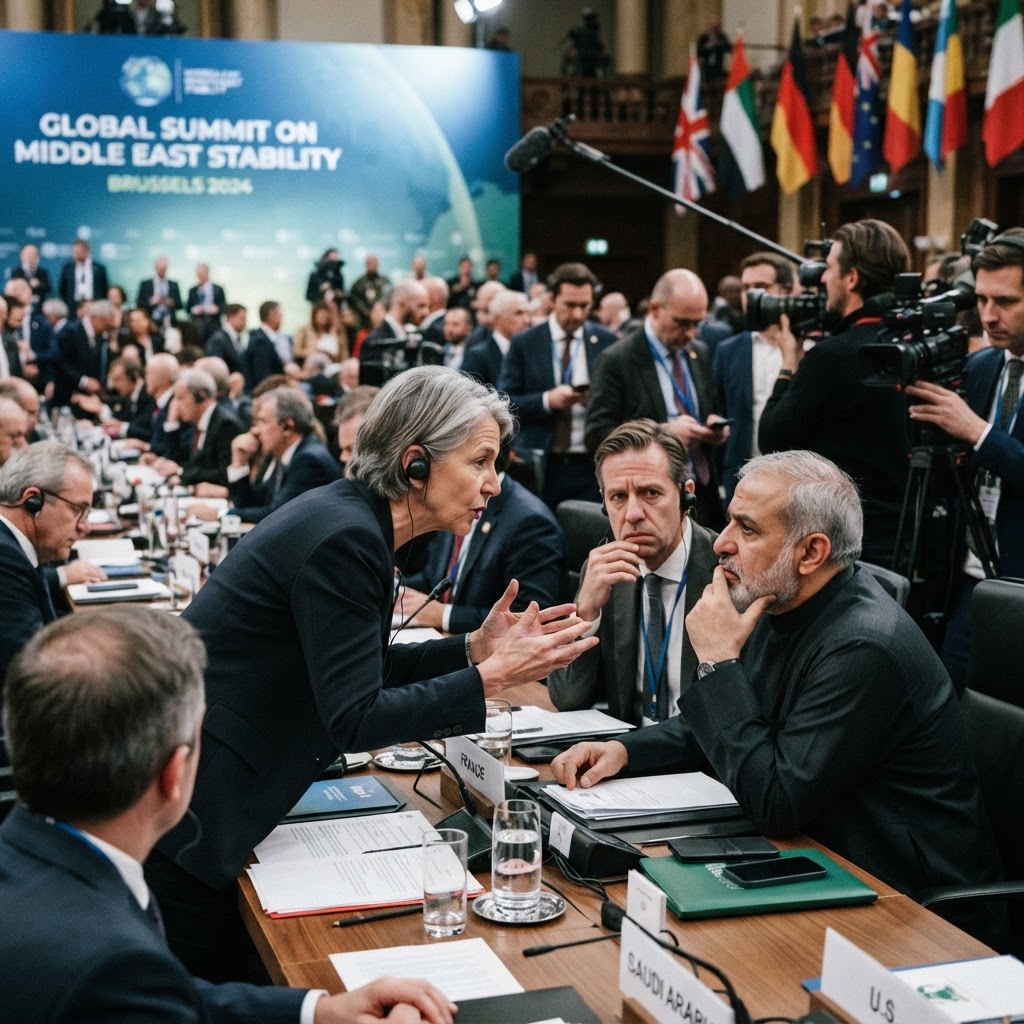
A Volatile Global Landscape: Escalating Middle East Tensions, Shifting Alliances, and Diplomatic Cross-Currents
Recent developments across world affairs highlight rising geopolitical tensions, as maritime standoffs and domestic political shifts in the Middle East intersect with broader diplomatic and technological friction.
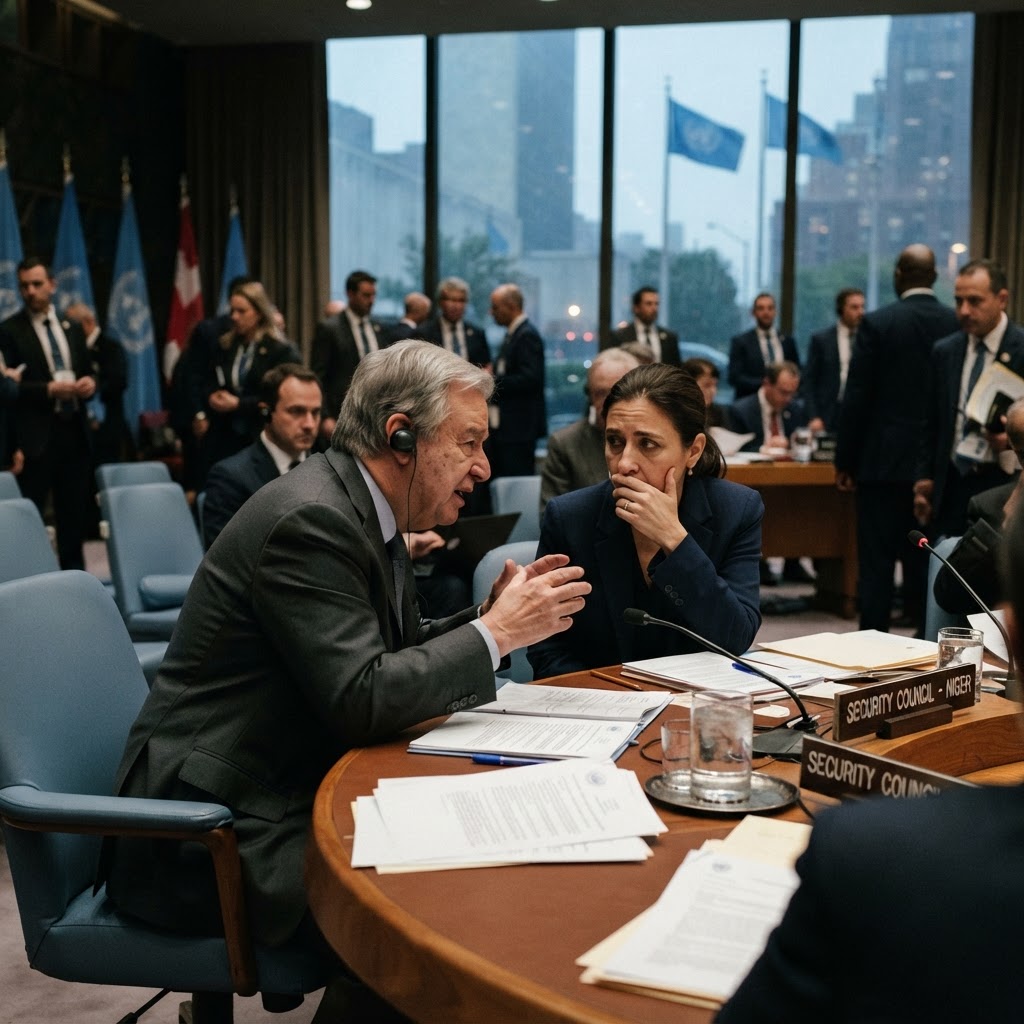
Diplomacy on the Brink: Escalating Regional Confrontations, Humanitarian Fragility, and Global Geopolitics
From escalating confrontations in the Middle East and Eastern Europe to fragile localized truces and complex domestic pressures, world powers confront an increasingly fractured global security landscape.